80s Technology That Changed the World Forever
A Decade of Innovation That Shaped Tomorrow
The 1980s didn’t just give us big hair and synth-pop — it gave us the technological foundation for the modern world. From personal computers to portable music, the innovations of this neon-soaked decade changed how humans work, play, and communicate forever.
Many technologies we take for granted today started as revolutionary 80s inventions. The decade bridged the gap between analog and digital, transforming technology from a specialist tool into something for everyone. These are the breakthroughs that made it happen.
The Sony Walkman: Music Goes Mobile
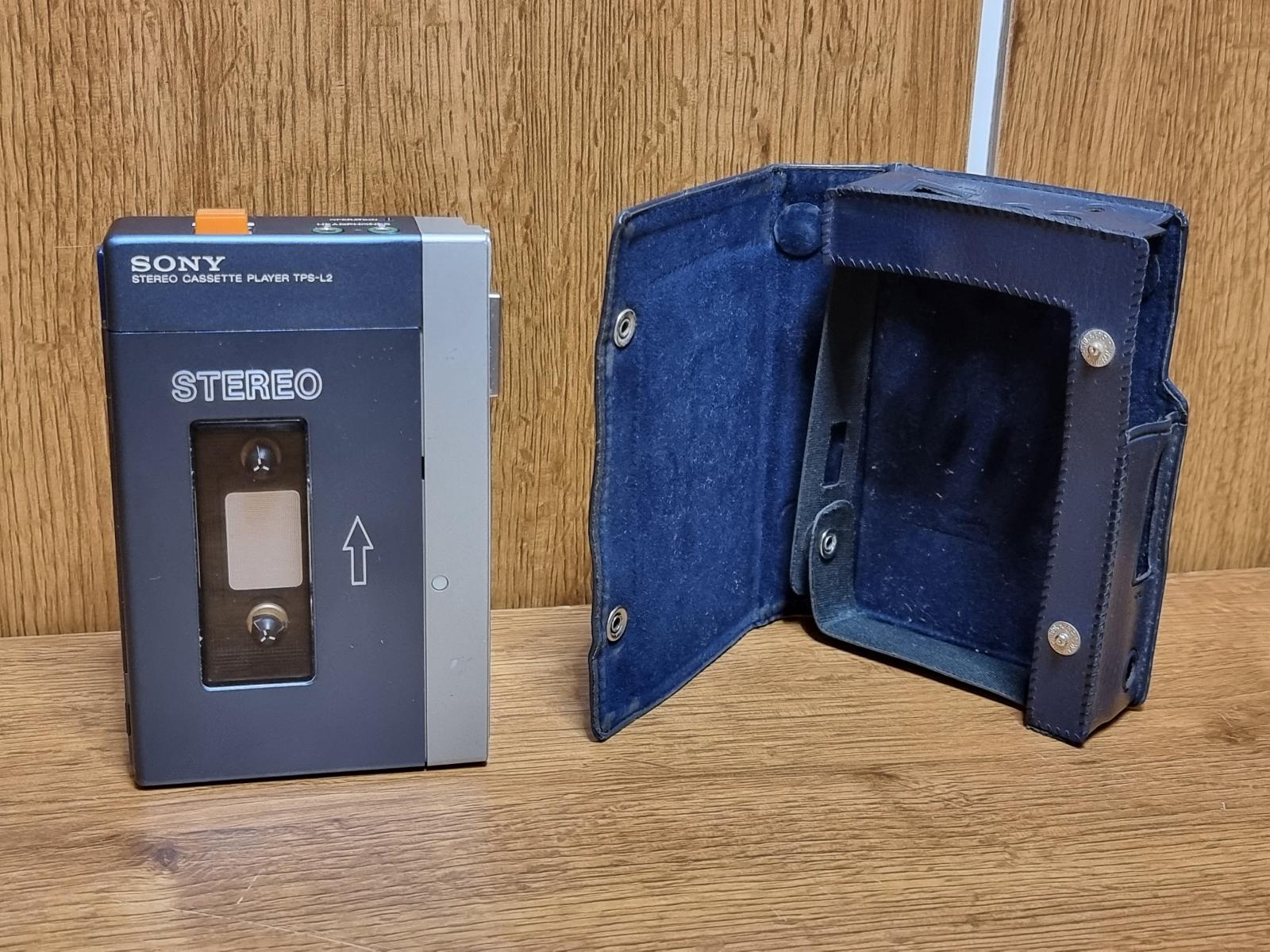
In July 1979, Sony released the TPS-L2 Walkman in Japan, but it was the 1980s that turned it into a global phenomenon. For the first time in history, high-quality music was truly portable. You could take your favorite cassette tape anywhere — jogging, commuting, or just walking down the street.
The Walkman sold over 400 million units worldwide during its lifetime. It fundamentally changed the relationship between people and music. The concept of a personal soundtrack — choosing what you hear while moving through the world — was revolutionary.
Beyond music, the Walkman created the template for every portable electronic device that followed. The iPod, the smartphone, your wireless earbuds — they all trace their DNA back to that little blue-and-silver cassette player.
The Personal Computer Revolution
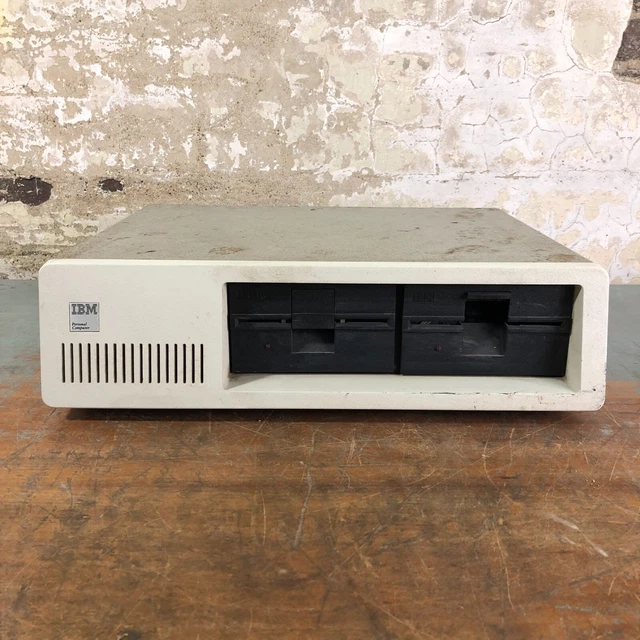
The IBM PC launched in August 1981, and within a few years, personal computers went from hobbyist curiosities to essential business tools. IBM’s open architecture approach — allowing other companies to build compatible hardware — created the PC ecosystem that still dominates today.
Then came the Apple Macintosh in 1984. Its graphical user interface, introduced with one of the most iconic Super Bowl commercials ever made, showed the world that computers could be intuitive and accessible. You didn’t need to learn DOS commands — you could point and click.
The Commodore 64, released in 1982, brought computing to the masses with its $595 price tag. It became the best-selling single personal computer model of all time, introducing millions of families to computing, programming, and gaming.
VHS vs. Betamax: The First Format War
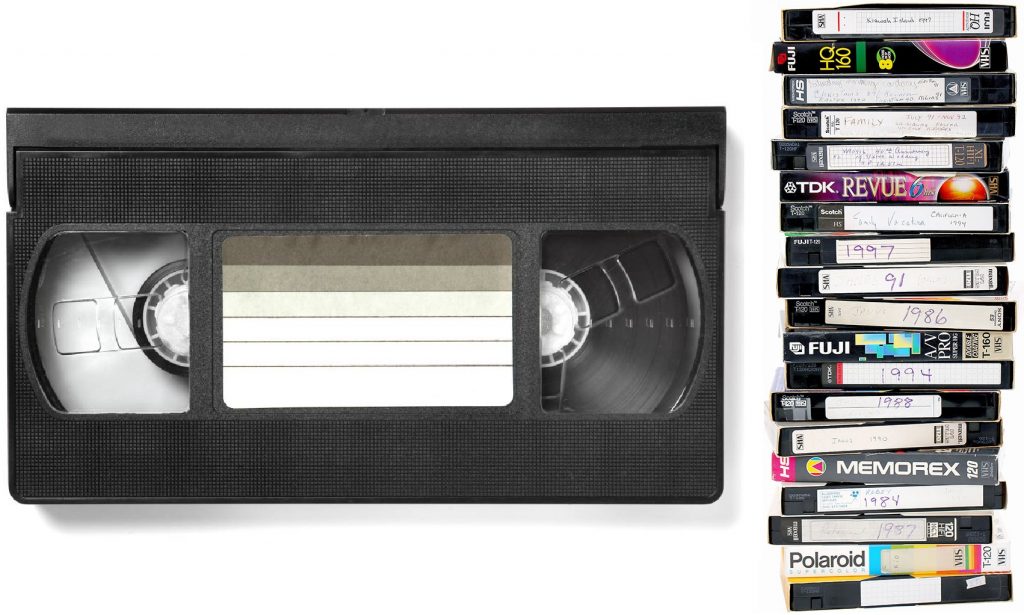
The 80s gave us the first great consumer technology format war. JVC’s VHS and Sony’s Betamax battled for dominance of the home video market. Despite Betamax’s arguably superior quality, VHS won through longer recording times and aggressive licensing.
VHS transformed entertainment consumption. For the first time, viewers could record television shows, rent movies, and watch content on their own schedule. Blockbuster Video opened its first store in 1985, and the video rental industry exploded into a multi-billion dollar business.
The concept of time-shifting — recording a show to watch later — was so revolutionary that it went all the way to the Supreme Court. In the 1984 Sony v. Universal case, the court ruled that home recording for personal use was legal, setting a precedent that shaped digital media rights for decades.
The Compact Disc: Digital Audio Arrives
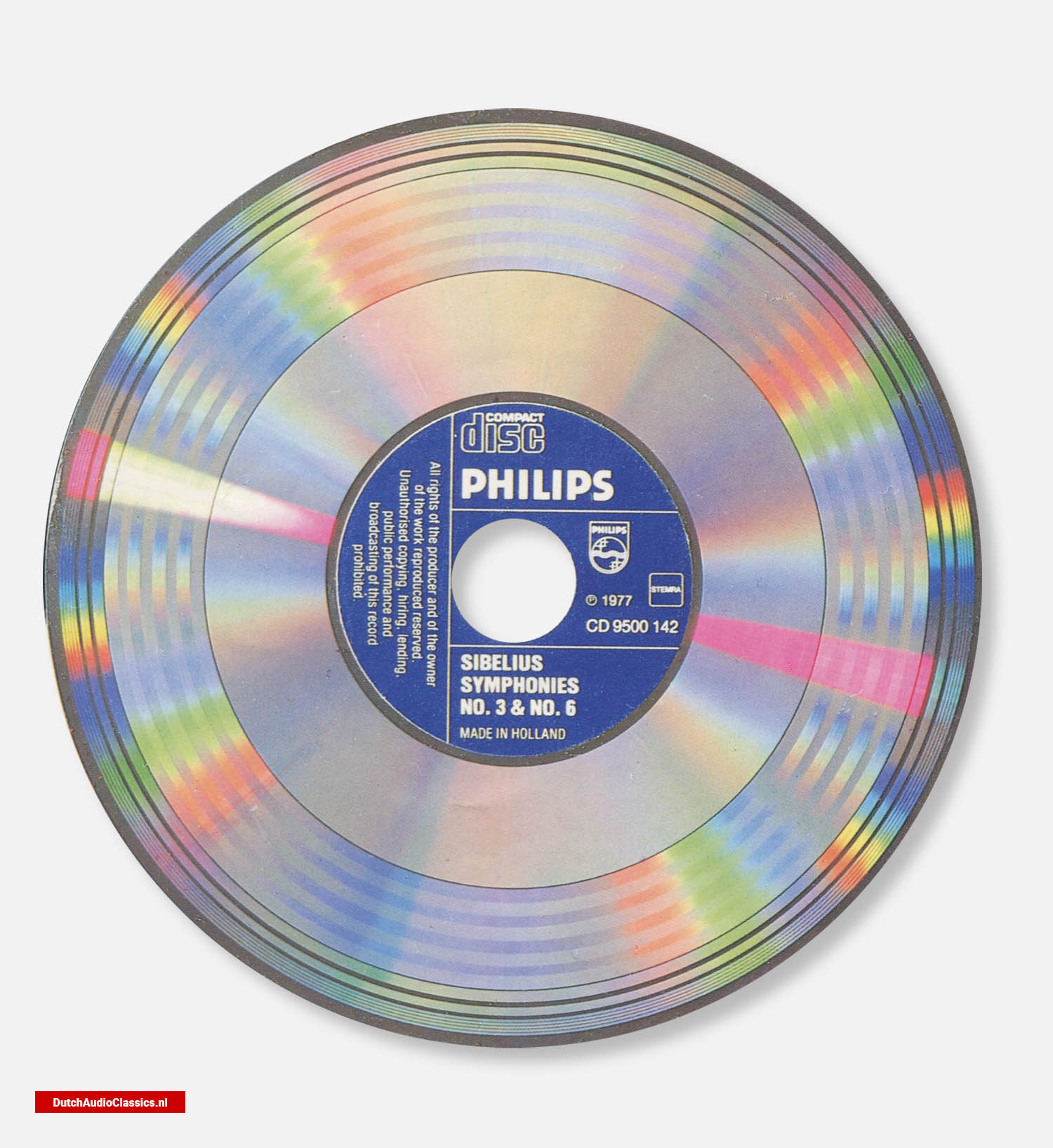
Philips and Sony introduced the compact disc in 1982, and it gradually revolutionized the music industry. CDs offered perfect digital reproduction, no degradation from repeated plays, and instant track access. By the end of the decade, CD sales were overtaking vinyl.
The CD’s impact went beyond music. The technology led directly to CD-ROMs, which transformed software distribution and data storage. Encyclopedias, games, and eventually the early internet came to consumers on those shiny 120mm discs.
The shift from analog to digital audio that CDs initiated was just the beginning. It set the stage for MP3s, streaming, and the entire digital music ecosystem we use today.
The Brick Phone: Mobile Communication Begins
On October 13, 1983, the Motorola DynaTAC 8000X became the first commercially available handheld cellular phone. At $3,995 (about $12,000 in today’s money), weighing two pounds, and offering just 30 minutes of talk time, it was absurdly impractical by modern standards.
But the DynaTAC proved that mobile communication was possible and desirable. It became a status symbol, featured prominently in movies like Wall Street where Gordon Gekko made it an icon of 80s excess. The brick phone planted the seed for the smartphone in your pocket.
The cellular network infrastructure built during the 80s — the cell towers, the frequency allocations, the switching technology — became the backbone that would eventually support billions of mobile devices worldwide.

The NES: Gaming Gets Serious
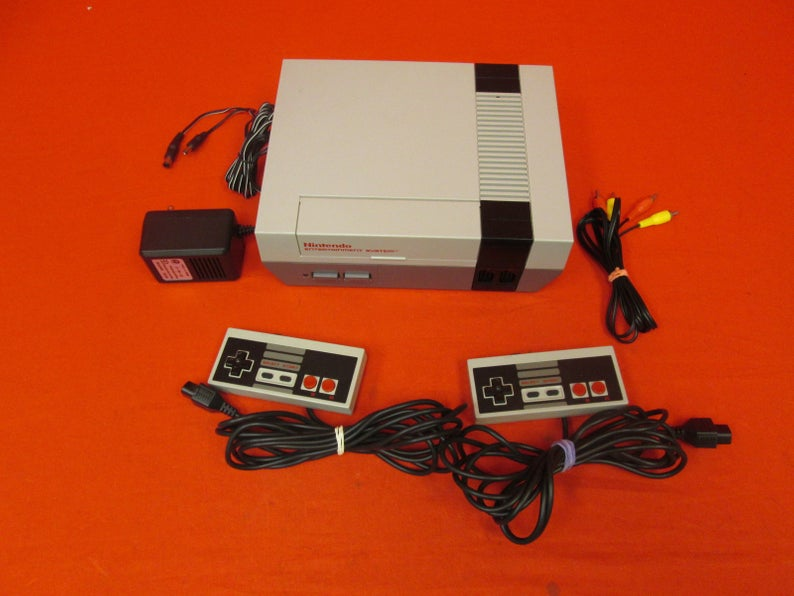
After the video game crash of 1983 nearly killed the console industry, Nintendo’s Entertainment System arrived in North America in 1985 and resurrected gaming from the dead. The NES proved that home consoles could deliver quality experiences that kept players engaged for hundreds of hours.
Nintendo’s strict quality control — the Nintendo Seal of Quality — rebuilt consumer trust in video games. Iconic franchises like Super Mario Bros., The Legend of Zelda, and Metroid set standards for game design that persist today. The NES sold over 61 million units worldwide.
The 80s technology revolution wasn’t just about individual products — it was about a fundamental shift in how people interacted with technology. These innovations moved tech from the workplace and the lab into homes, pockets, and daily life. Every smartphone notification, every streaming playlist, every video call traces back to the bold experiments of a decade that refused to think small.