Bigfoot Monster Truck: The Original That Started It All
If you grew up in the 1980s, you remember the exact moment. Maybe it was a grainy VHS tape, maybe it was a Saturday morning commercial break, maybe your dad dragged you to a county fairground that smelled like diesel and corn dogs. But you saw it — a jacked-up Ford F-250 rolling over a row of junked sedans like they were aluminum cans, and your entire concept of what a truck could be shattered into a million beautiful pieces.
That truck was Bigfoot. And nothing — not your G.I. Joe collection, not your BMX bike, not even the Millennium Falcon — was ever quite as cool again.
Bob Chandler and the Ford That Started Everything
The Bigfoot story starts the way all great American stories start — with a guy in Missouri who just really, really loved his truck.
Bob Chandler bought a 1974 Ford F-250 in 1975. He wasn’t trying to create a cultural phenomenon. He was just a construction worker who liked four-wheeling on the weekends and kept breaking parts on the trails around St. Louis. So he’d replace the broken parts with bigger, tougher ones. Then he’d break those parts. Then he’d go even bigger.
The truck started getting attention at local 4×4 shops and swap meets. People would stop and stare. “Hey, that thing’s got feet as big as a Bigfoot,” someone reportedly said — and the name stuck. By 1979, Chandler had started Midwest Four Wheel Drive & Performance Center, and his truck was becoming a local celebrity. He slapped the Bigfoot name on it officially, and started doing promotional appearances.
But here’s the thing nobody planned for: Bob Chandler was about to accidentally invent an entire sport.
The First Car Crush That Changed Everything
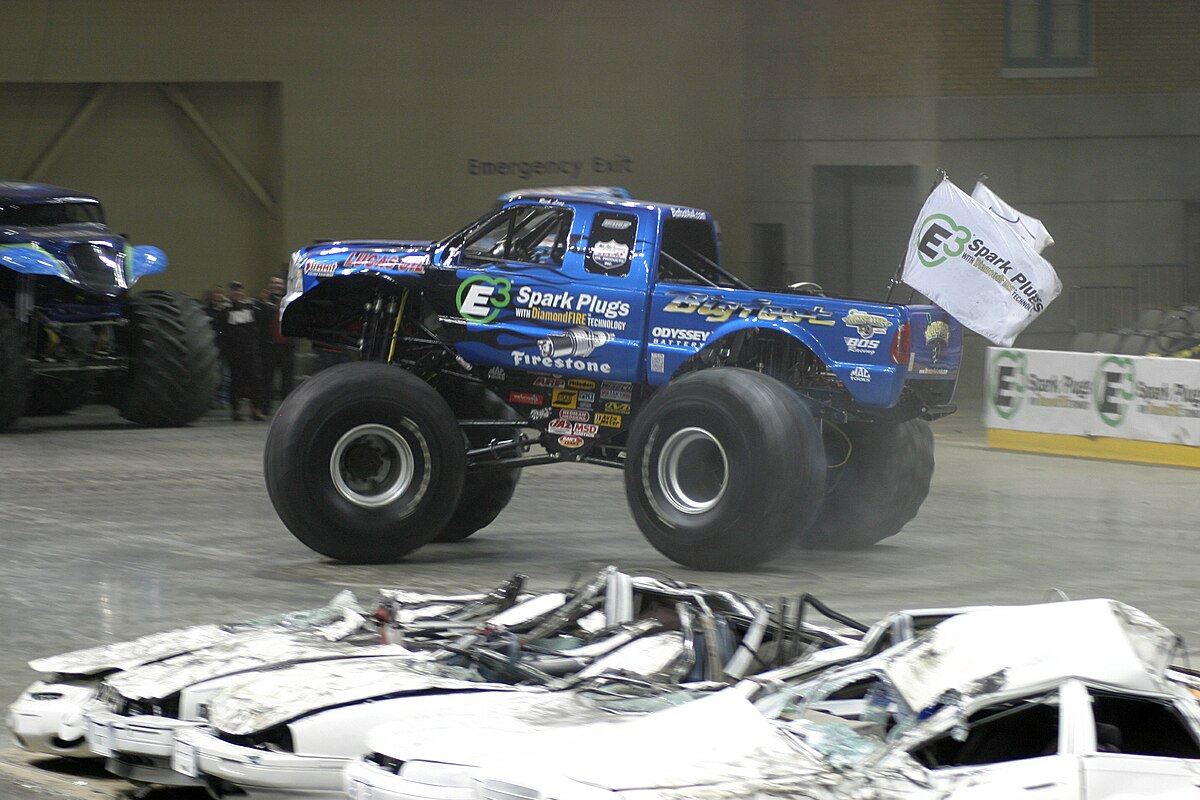
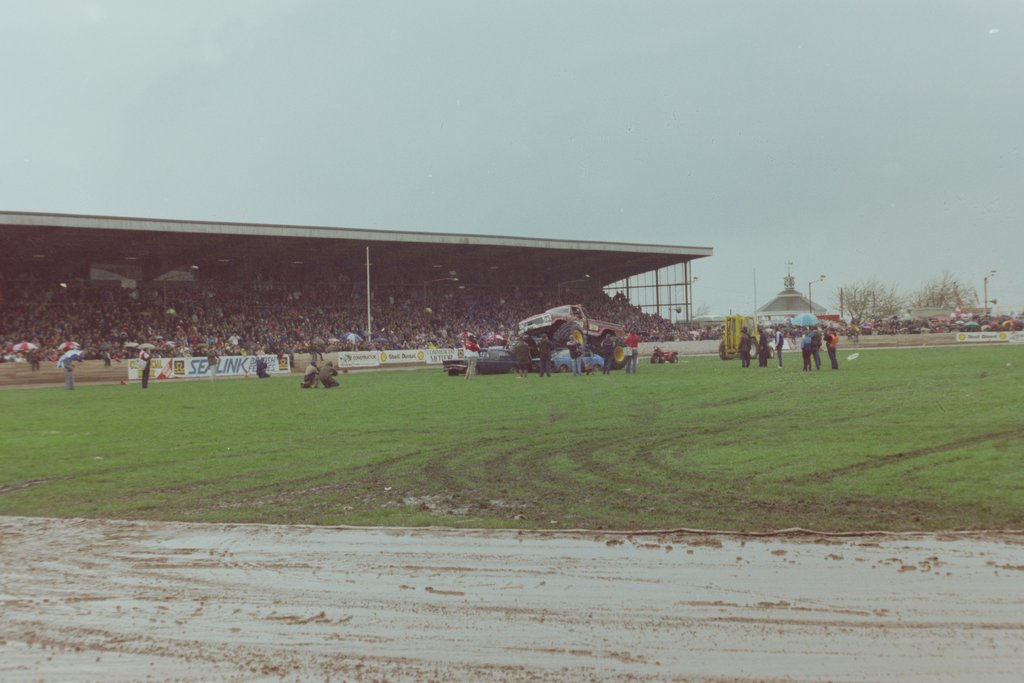
The moment that turned Bigfoot from a curiosity into a legend happened in April 1981, in a field outside of St. Louis. Bob Chandler drove Bigfoot over a row of junked cars, and someone had the good sense to film it.
That footage spread through the gearhead community like wildfire. This was pre-internet, remember — this was the era of VHS tapes getting passed around, of Saturday morning TV and car magazine centerfolds. But that grainy clip of a blue Ford crushing sedans under 66-inch tires was the most exciting thing the automotive world had seen since the muscle car era.
The car crush wasn’t just a stunt. It was a statement. It said: trucks aren’t just for hauling and towing. Trucks are for destruction. Trucks are for spectacle. Trucks are for making you feel like a kid watching a dinosaur stomp through a city.
Promoters saw dollar signs immediately. Within months, Bigfoot was being booked at motorsport events, county fairs, and arenas across the country. Bob Chandler went from running a 4×4 shop to running a monster truck empire. And he wasn’t alone for long.
Bear Foot, Snake Bite, and the Monster Truck Arms Race
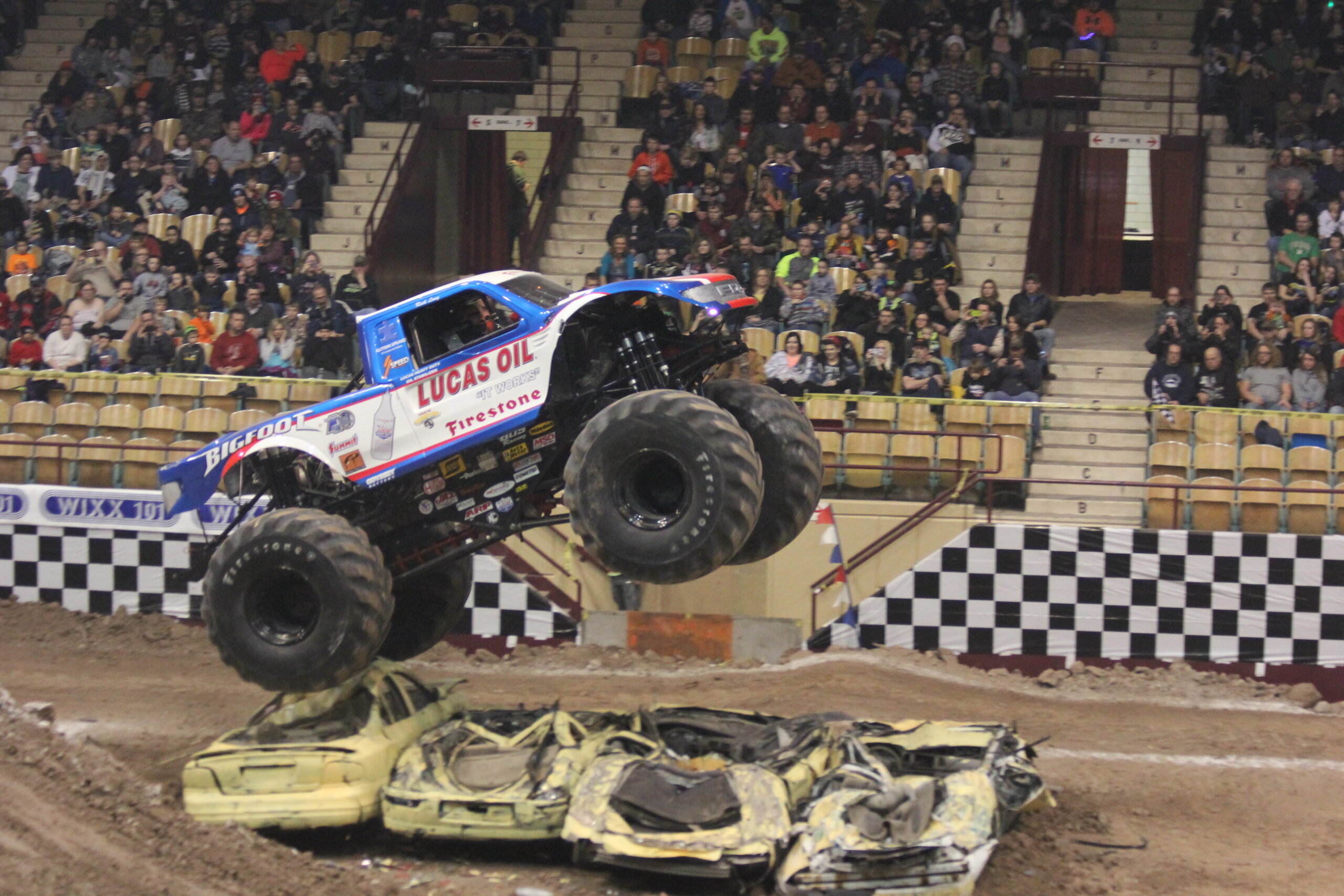
Once Bigfoot proved you could fill stadiums by crushing cars, every gearhead with a garage and a dream started building their own monster truck. And the rivalry that defined the early era was Bigfoot vs. Bear Foot.
Bear Foot was built by Fred Shafer out of Pontiac, Michigan, and it was a direct answer to Chandler’s creation. Where Bigfoot was Ford through and through, Bear Foot ran on a Chevy chassis — and if you know anything about the Ford vs. Chevy wars of the 80s, you know this rivalry was personal. Fans picked sides. Arguments broke out at events. It was Ali vs. Frazier on 66-inch tires.
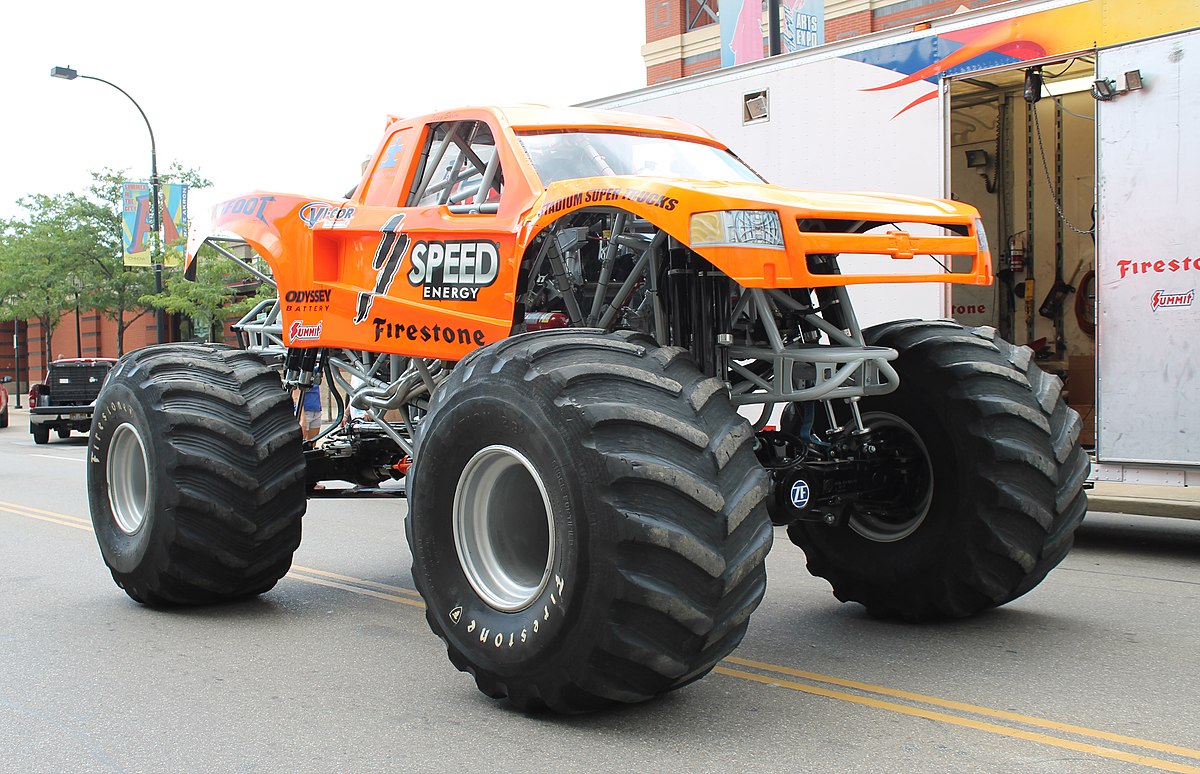
Then came the rest of the challengers. Snake Bite. King Kong. Awesome Kong. Virginia Giant. Every region of the country seemed to produce its own monster truck, and every one of them wanted to dethrone Bigfoot. The trucks got bigger. The tires got taller. The car crushes got more elaborate. By the mid-80s, monster truck events were pulling in thousands of fans, and the trucks had gone from modified pickups to purpose-built machines with custom frames, fiberglass bodies, and engines producing over 1,500 horsepower.
But one truck would eventually rival Bigfoot’s fame in a way nobody saw coming.
Grave Digger Enters the Arena
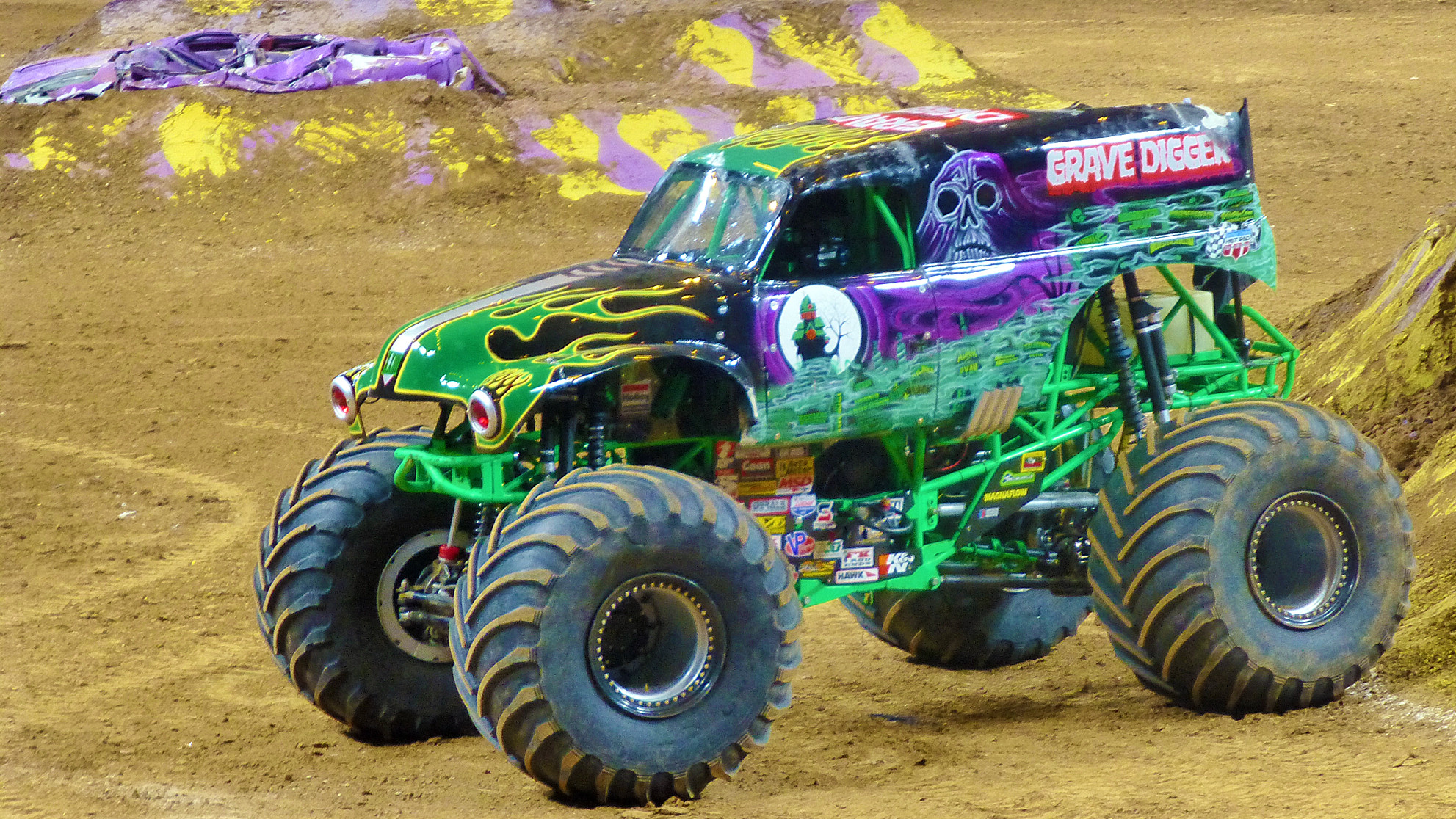
In 1982, Dennis Anderson from Kill Devil Hills, North Carolina, built a truck out of a 1951 Ford Panel Van and whatever else he could scrounge up. He painted it black, added some graveyard-themed graphics, and called it Grave Digger. It looked like something a metalhead would build if you gave them a welder and told them to go nuts.
And the crowds went insane for it.
Where Bigfoot was clean, corporate, and patriotic — all blue paint and Ford logos — Grave Digger was chaos. Anderson drove like a maniac, flipping, rolling, smashing everything in sight. He didn’t care about winning the competition; he cared about putting on a show. And that philosophy would eventually reshape the entire monster truck world.
The Bigfoot vs. Grave Digger rivalry became the backbone of monster truck entertainment for the next two decades. Bigfoot was the establishment, the original, the blue-chip blue truck. Grave Digger was the rebel, the fan favorite, the one that might literally explode at any second. Every kid in America had a preference, and they’d fight you about it on the playground.
Saturday Morning Monster Truck Rallies
Here’s where things got really magical for anyone who was a kid in the late 80s and early 90s.
Monster truck rallies started showing up on television — and not just any television. They landed in that sacred time slot: Saturday morning. Right alongside your favorite cartoons and arcade game commercials, you’d see promos for USHRA Monster Truck Racing, TNT Motorsports, and later, Monster Jam. Some channels even ran full monster truck specials.
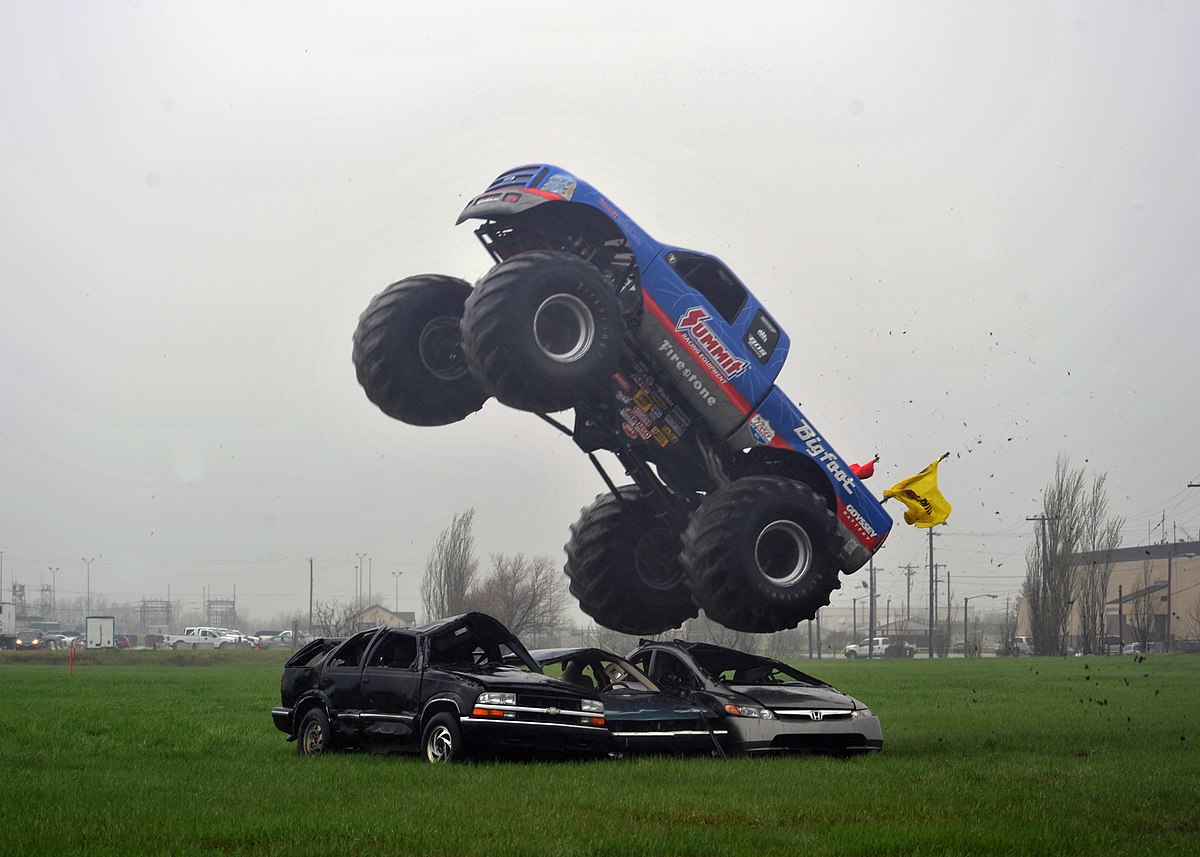
The format was pure genius for a kid’s attention span. Two trucks line up. The lights go down. The engines roar so loud the camera shakes. Then BOOM — they launch over a row of cars, dirt flying everywhere, and one truck crosses the finish line first. The whole thing takes about 15 seconds, and then you do it again. And again. And again.
It was wrestling with trucks. It was NASCAR on steroids. It was the most perfectly engineered entertainment product for boys ages 6-12 that has ever existed.
The toy companies figured this out immediately. Bigfoot toys, Grave Digger toys, monster truck playsets, monster truck video games — your local Toys “R” Us had an entire aisle dedicated to oversized truck merchandise. Hot Wheels released their Monster Jam series, and those little die-cast trucks became playground currency right alongside baseball cards and Micro Machines.
Bigfoot Goes Hollywood
By the mid-80s, Bigfoot wasn’t just a truck — it was a brand. Bob Chandler built multiple versions of the truck (eventually reaching Bigfoot #21 and beyond), each one more extreme than the last. But the cultural penetration went way beyond the arena.
Bigfoot appeared in movies. The 1986 movie Rolling Vengeance channeled the spirit of monster truck revenge fantasy. The truck showed up in music videos, TV commercials, and even got its own animated series — Bigfoot and the Muscle Machines — because in the 80s, if something was popular, it got a cartoon. That’s just how it worked.
Video games jumped on the monster truck bandwagon hard. Bigfoot for the NES (1990) let you crush cars in your living room. Monster Truck Madness for PC became a classic. The concept of “drive a giant truck over things” turned out to be one of the most universally appealing gaming premises ever invented, and we’re still playing variations of it today.
But the biggest legacy of the monster truck boom was what it became next.
From Truck Pulls to Monster Jam: How an Industry Was Born
In the early days, monster truck events were loose, chaotic, and honestly a little dangerous. There weren’t standardized rules. Safety equipment was whatever the driver felt like wearing. Trucks would occasionally barrel into the crowd barriers. It was the Wild West on four wheels.
That changed in 1992 when the USHRA (United States Hot Rod Association) started organizing structured monster truck competitions. And then in 2000, the Monster Jam brand was launched by FELD Entertainment (the same people behind Ringling Bros. circus), and suddenly monster trucks went from county fair spectacle to corporate entertainment empire.
Monster Jam professionalized everything. Standardized truck specs. Professional arenas. Television deals. Licensing agreements. The trucks became athletes with their own storylines, rivalries, and marketing campaigns. It was the WWE-ification of monster trucks, and it worked brilliantly.
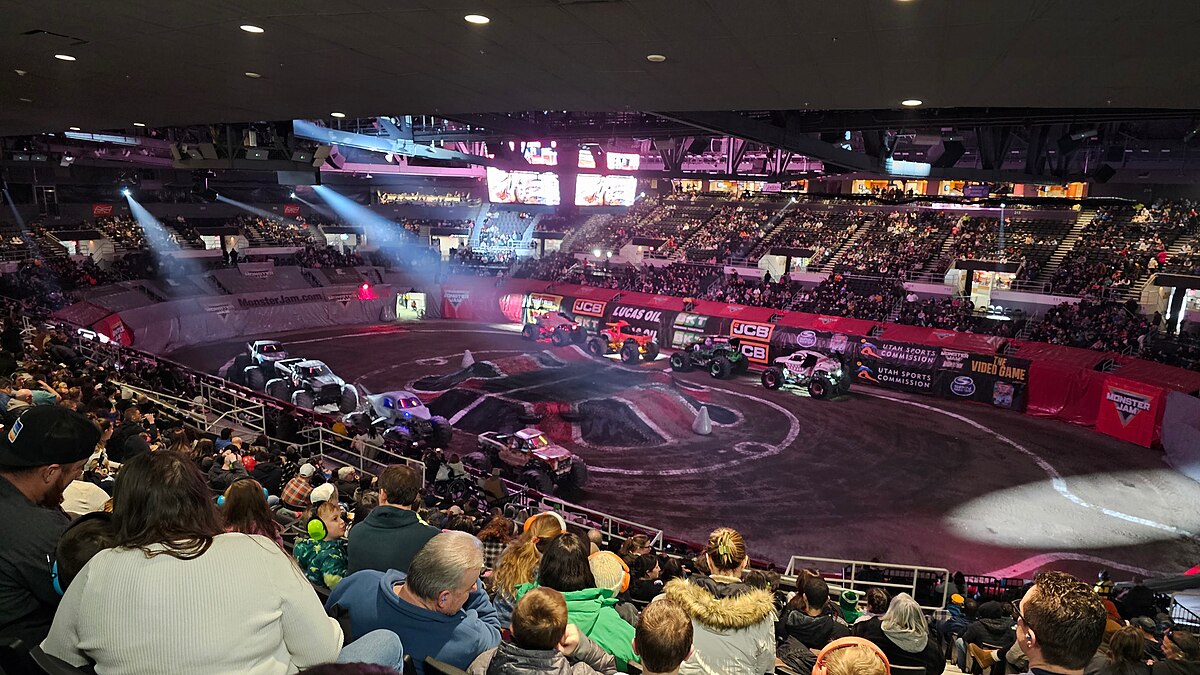
Today, Monster Jam fills NFL stadiums, tours internationally, and generates hundreds of millions in revenue. The trucks do backflips now — actual, full-rotation backflips — something that would have seemed physically impossible when Bigfoot first rolled over those cars in 1981.

Why Bigfoot Still Matters
Bob Chandler is still involved with the Bigfoot operation in Hazelwood, Missouri. The truck still makes appearances. And while Monster Jam trucks like Grave Digger, Max-D, and El Toro Loco might get more screen time these days, everyone in the monster truck world knows the score.
Bigfoot was first. Bigfoot was the original. Every monster truck that has ever rolled over a car, flown off a ramp, or made a kid’s jaw drop owes its existence to a guy from Missouri who kept breaking his Ford on the weekends and refused to stop making it bigger.
There’s something beautifully American about that origin story. No committee designed it. No focus group approved it. No venture capitalist funded it. A dude loved his truck, made it ridiculous, and the world said “MORE.”
If you were there — if you felt the ground shake at your first monster truck rally, if you smelled the exhaust and heard the engines and watched a 10,000-pound truck defy gravity — you know that no amount of CGI spectacle can replicate that feeling. That was real. That was raw. And it all started with one blue Ford F-250 named Bigfoot.
Watch: The Origins of Bigfoot Monster Truck
This documentary traces how Bob Chandler accidentally invented the monster truck phenomenon. From humble beginnings in St. Louis to sold-out arenas worldwide — the full Bigfoot story.
Bigfoot didn’t just start a sport. It started a religion. And forty-five years later, the faithful are still showing up on Saturday nights, engine grease on their hands and wonder in their eyes, watching trucks fly through the air like 10,000-pound prayers.