80s Hair Metal Bands That Ruled the Sunset Strip | Glam Metal History
Close your eyes and picture it: a wall of Marshall amps, a fog machine working overtime, a guitarist in leopard-print spandex launching into a face-melting solo while his teased-to-the-heavens hair defies every law of physics. The crowd — a sea of denim, leather, and Aqua Net fumes — throws up devil horns and screams along to every word. This wasn’t just a concert. This was 80s hair metal, and if you lived through it, you know there’s never been anything quite like it since.
From roughly 1983 to 1991, hair metal (also called glam metal) dominated rock radio, MTV, and the dreams of every teenager who ever air-guitared in their bedroom mirror. It was loud, it was excessive, it was gloriously over the top — and it was absolutely everything.

Born on the Sunset Strip: Where Hair Metal Found Its Voice
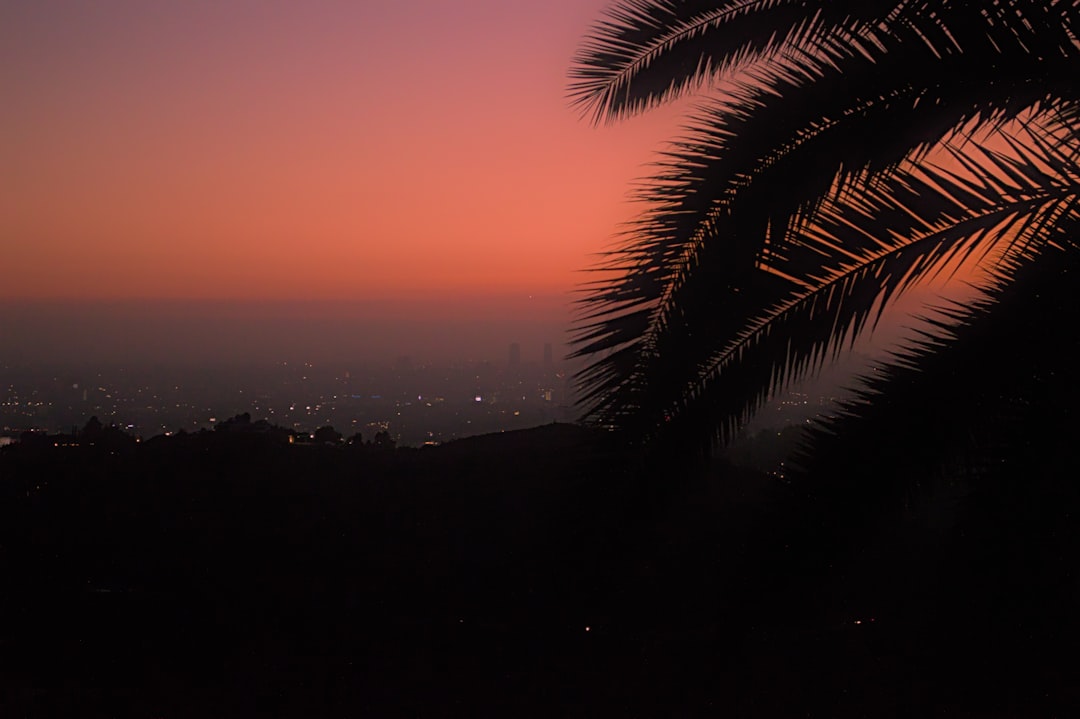
Every great music movement needs a birthplace, and for hair metal, that hallowed ground was the Sunset Strip in West Hollywood, California. A neon-soaked stretch of clubs, bars, and dreams running along Sunset Boulevard, the Strip was where bands cut their teeth — and their hair — before conquering the world.
The Whisky a Go Go. The Roxy Theatre. The Rainbow Bar & Grill. These venues became the launch pads for a generation of rock gods. In the early 1980s, bands like Mötley Crüe, Ratt, Quiet Riot, and W.A.S.P. were slugging it out on the Strip every night, competing for crowds, record deals, and bragging rights. The energy was electric — literally and figuratively.
What made the Strip scene special wasn’t just the music — it was the culture. Bands didn’t just play gigs; they threw themselves into a lifestyle. The hair got bigger. The makeup got heavier. The spandex got tighter. If punk was about tearing everything down, hair metal was about building it all back up in neon and chrome. It was aspirational chaos — the American Dream with a guitar solo on top.
The Look: Big Hair, Bigger Attitude
Let’s talk about the hair. Because you absolutely cannot discuss this genre without addressing the Aqua Net elephant in the room. These guys used more hairspray than a Southern beauty pageant, and they were proud of it.
The formula was simple but sacred: tease the hair up, spray it until it could withstand a hurricane, and never — ever — let gravity win. Guitarists, singers, bassists, even drummers (especially Tommy Lee) sported manes that added a solid six inches of height. It was less a hairstyle and more an engineering feat.
But the look went way beyond hair. The 80s glam metal aesthetic was a full commitment:
- Spandex everything — pants so tight they left nothing to the imagination
- Leather jackets covered in studs, patches, and attitude (many of which are now collector’s items)
- Eyeliner and lipstick — because real men weren’t afraid of a little mascara
- Bandanas tied around legs, arms, microphone stands, and anything that didn’t move
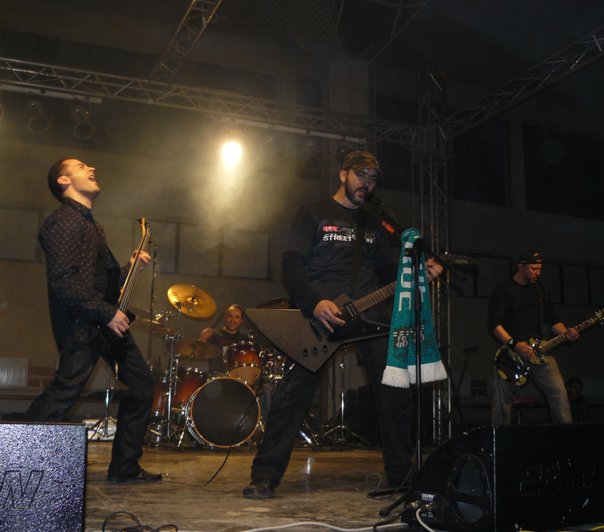
- Scarves trailing from microphone stands like rock ‘n’ roll prayer flags
- Platform boots that would make KISS jealous
The androgynous look — part of a broader 80s fashion revolution — was both shocking and magnetic. Parents were horrified. MTV couldn’t get enough. And teenagers across America were raiding their sisters’ makeup bags.
The Titans: Bands That Ruled the Strip and the World
Hair metal produced some of the biggest-selling rock acts of all time. These weren’t niche acts playing to small crowds — these were stadium-filling, platinum-selling, pop-culture-defining powerhouses.
Mötley Crüe — The Bad Boys of the Boulevard
If hair metal had a Mount Rushmore, Mötley Crüe would get two faces. Vince Neil, Nikki Sixx, Mick Mars, and Tommy Lee weren’t just a band — they were a four-man wrecking crew. Their 1981 debut Too Fast for Love kicked open the door, and 1983’s Shout at the Devil blew it off the hinges. They embodied excess in every possible way, and their autobiography The Dirt remains one of the wildest rock books ever written.
Def Leppard — The British Invasion Part Two
While most hair metal was born in LA, Def Leppard proved that Sheffield, England could produce stadium rock anthems just as massive. Pyromania (1983) made them stars; Hysteria (1987) made them legends. With over 100 million records sold worldwide, they brought a polished, hook-heavy sound that separated them from the grittier Strip bands. “Pour Some Sugar on Me” is still guaranteed to fill a dance floor at any Gen X gathering.

Bon Jovi — The Working-Class Heroes
Bon Jovi turned hair metal into a blue-collar anthem factory. While other bands sang about partying on the Strip, Jon Bon Jovi was writing about steelworkers and cowboys. Slippery When Wet (1986) sold 28 million copies worldwide and spawned “Livin’ on a Prayer” — possibly the greatest singalong song ever recorded. They proved hair metal could have heart, and their crossover appeal made them one of the biggest bands on the planet.
Poison — Pure Party Rock
Nobody embodied the fun, carefree spirit of glam metal quite like Poison. Bret Michaels, C.C. DeVille, Bobby Dall, and Rikki Rockett looked like they fell out of a makeup counter and landed on a stage — and they owned it completely. “Every Rose Has Its Thorn,” “Nothin’ but a Good Time,” and “Talk Dirty to Me” were the soundtrack to a million teenage summers.
Whitesnake — The Blues-Rock Crossover Kings

David Coverdale and Whitesnake brought a blues-rock foundation to the hair metal party. Their 1987 self-titled album went multi-platinum, and the video for “Here I Go Again” — featuring Tawny Kitaen dancing on the hood of a Jaguar — became one of the most iconic MTV moments of the decade. If you were alive in 1987, you remember that video. Period.
MTV: The Rocket Fuel That Made It Explode
Hair metal and MTV were made for each other. In an era before streaming, before the internet, before social media, MTV was the cultural pipeline for young America. And hair metal bands understood something fundamental about the new medium: visuals matter.
These bands didn’t just make music videos — they made events. Mötley Crüe’s “Home Sweet Home” practically invented the concert montage video. Def Leppard’s “Pour Some Sugar on Me” was a masterclass in visual hooks. And Poison’s videos were basically beach parties with guitars.
The relationship was symbiotic. MTV needed content that looked good on screen, and hair metal bands were the most visually spectacular thing in rock music. The big hair, the flashy clothes, the pyrotechnics, the guitar theatrics — it was all tailor-made for television. Hair metal didn’t just benefit from MTV; it was arguably the genre that made MTV essential viewing for an entire generation.

Power Ballads: The Secret Weapon
Here’s a truth that every hair metal fan knows but rarely admits out loud: the power ballads were often better than the party anthems. These bands could write a tender, emotion-soaked slow song that would make grown men cry into their Budweiser.
Think about it. Some of the most enduring songs from the entire era are ballads:
- “Every Rose Has Its Thorn” — Poison
- “Home Sweet Home” — Mötley Crüe
- “Is This Love” — Whitesnake
- “I Remember You” — Skid Row
- “When I See You Smile” — Bad English
- “Heaven” — Warrant
- “Sister Christian” — Night Ranger
- “Alone” — Heart
These songs were the slow-dance soundtrack at every prom, the dedication songs on every radio request show, and the reason your older sister wore out her cassette rewinding the same track over and over. Power ballads gave hair metal its emotional depth — proof that beneath the hairspray and bravado, these musicians could actually write.

The Albums That Defined an Era
If you’re building an 80s hair metal vinyl collection — or even a Spotify playlist for purists — these are the non-negotiable essentials:
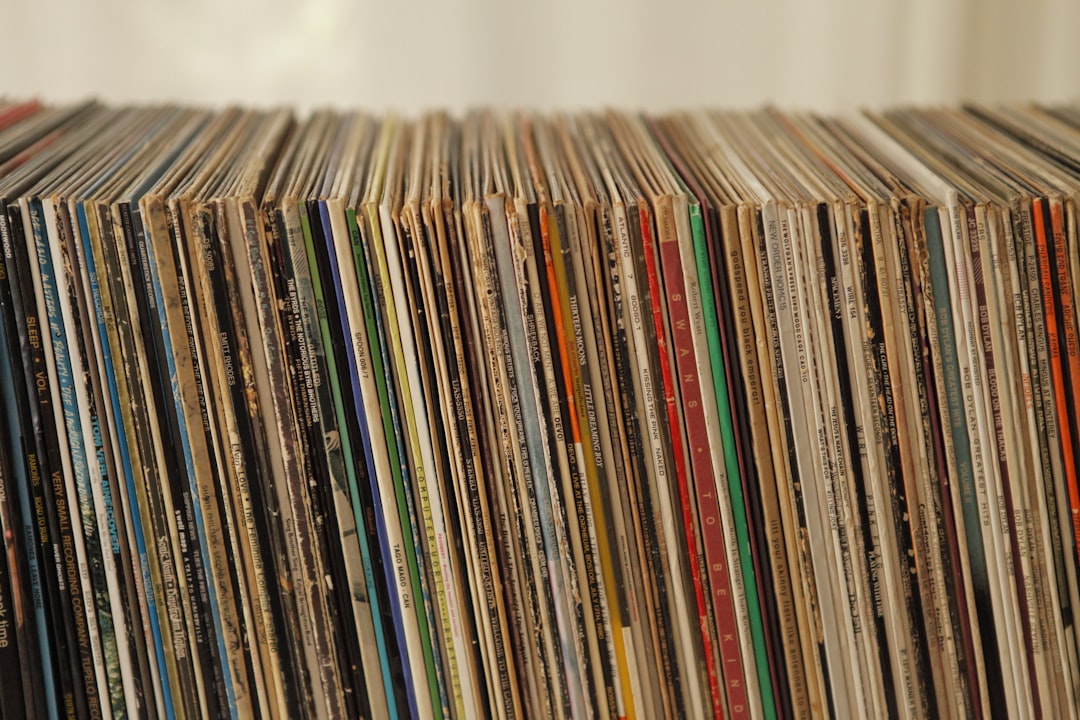
- Shout at the Devil (1983) — Mötley Crüe’s dark, driving masterpiece
- Out of the Cellar (1984) — Ratt’s debut, anchored by “Round and Round”
- Pyromania (1983) — Def Leppard’s breakthrough, 10 million copies in the US alone
- Slippery When Wet (1986) — Bon Jovi’s blue-collar arena rock perfection
- Look What the Cat Dragged In (1986) — Poison at their glamorous best
- Whitesnake (1987) — David Coverdale’s commercial peak
- Hysteria (1987) — Def Leppard’s 25-million-selling triumph
- Open Up and Say… Ahh! (1988) — Poison’s biggest album
- Dr. Feelgood (1989) — Mötley Crüe’s most musically accomplished record
- Skid Row (1989) — Sebastian Bach’s throat-shredding debut
Any one of these albums could serve as a time machine straight back to 1987. Pop one on, crank the volume, and watch the years melt away.
The Fall: When Grunge Pulled the Plug
All empires fall. For hair metal, the end came fast, brutal, and from the most unlikely direction: Seattle.
In September 1991, Nirvana released Nevermind. Within months, the entire musical landscape shifted. Suddenly, the excess and glamour of hair metal looked not just outdated but absurd. Grunge was raw, stripped-down, and authentically angry. It made hair metal’s party-rock ethos feel like a relic from a different universe.
Bands that had been selling out arenas found themselves playing half-empty clubs. Record deals evaporated. MTV rotated “Smells Like Teen Spirit” instead of “Cherry Pie.” The transition was so sudden and complete that it remains one of the most dramatic genre shifts in rock history.
But here’s the thing about hair metal’s “death” — it was more of a hibernation. The fans never went away. They just grew up, had kids, and waited.
The Resurrection: Hair Metal’s Glorious Second Act
Starting in the early 2000s, something beautiful happened. The bands came back. Not as nostalgia acts playing county fairs (well, okay, some of them), but as genuine touring forces playing to massive, enthusiastic crowds.
Def Leppard and Mötley Crüe sold out stadiums on joint tours. Poison headlined summer amphitheater runs. Bon Jovi remained one of the biggest touring acts on the planet. And new fans — including kids of the original generation — discovered the music and fell in love with it all over again.
The Netflix adaptation of The Dirt in 2019 introduced Mötley Crüe to a whole new audience. Streaming platforms made the entire catalog available to anyone curious enough to hit play. And festivals like M3 Rock Festival and Rocklahoma became annual pilgrimages for fans who refused to let the genre stay buried.
Hair metal didn’t just survive — it thrived in the nostalgia economy. Because at the end of the day, people want to feel good. They want big hooks, bigger choruses, and the biggest hair they’ve ever seen. And no genre in rock history delivered that package quite like 80s hair metal.
Why We Still Love It
Here’s the honest truth about why 80s hair metal endures: it was fun. Pure, uncut, unashamed fun. In an era of algorithmic playlists and carefully curated personas, there’s something deeply refreshing about music that existed purely to make you feel alive.
These bands weren’t trying to change the world. They weren’t making political statements. They were four or five dudes with guitars, drums, hairspray, and a dream of playing the loudest, catchiest, most outrageous rock music humanly possible. And they succeeded beyond anyone’s wildest expectations.
If you grew up in the 80s, hearing “Livin’ on a Prayer” still gives you chills. “Pour Some Sugar on Me” still makes your foot tap involuntarily. And “Every Rose Has Its Thorn” still hits you right in the chest, just like it did when you were sixteen and heartbroken for the first time.
That’s not nostalgia. That’s legacy. And 80s hair metal’s legacy is absolutely bulletproof. 🤘