
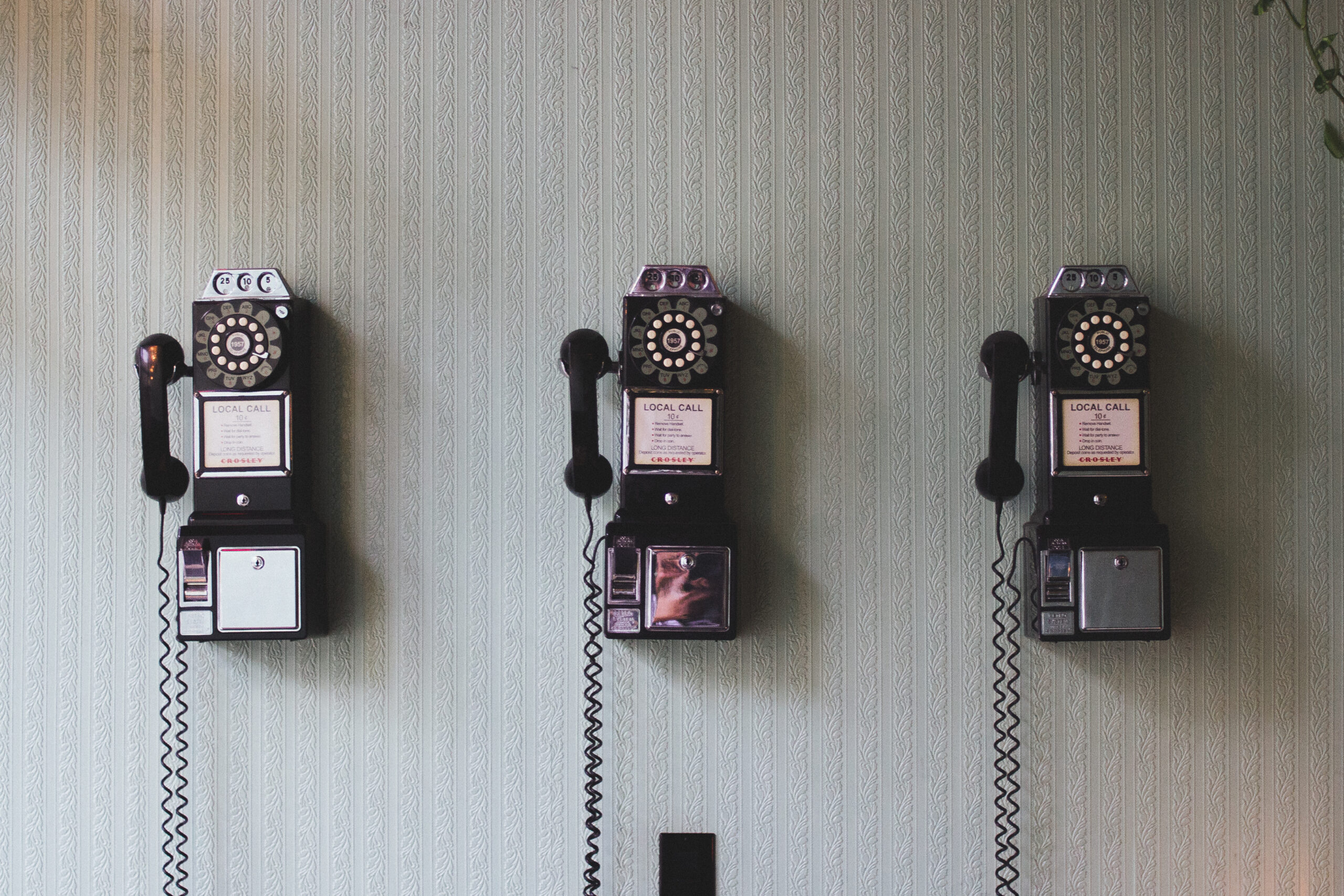
Rotary Phone Nostalgia: Why Gen X Misses the Click and the Dial Tone
Close your eyes for a second. Can you hear it? That solid, satisfying click-click-click-click as your finger drags the rotary dial around to each number, the mechanical whir as it spins back to rest, and then — that glorious, full-bodied dial tone humming in your ear like a warm greeting from an old friend. If you grew up in a house with a rotary phone, these sounds aren’t just memories. They’re hardwired into your brain.
Gen X didn’t just use rotary phones. We had a relationship with them. And in an age where making a phone call requires zero physical effort and about as much emotional investment, there’s something deeply satisfying about remembering a time when dialing a number was a full-body commitment.
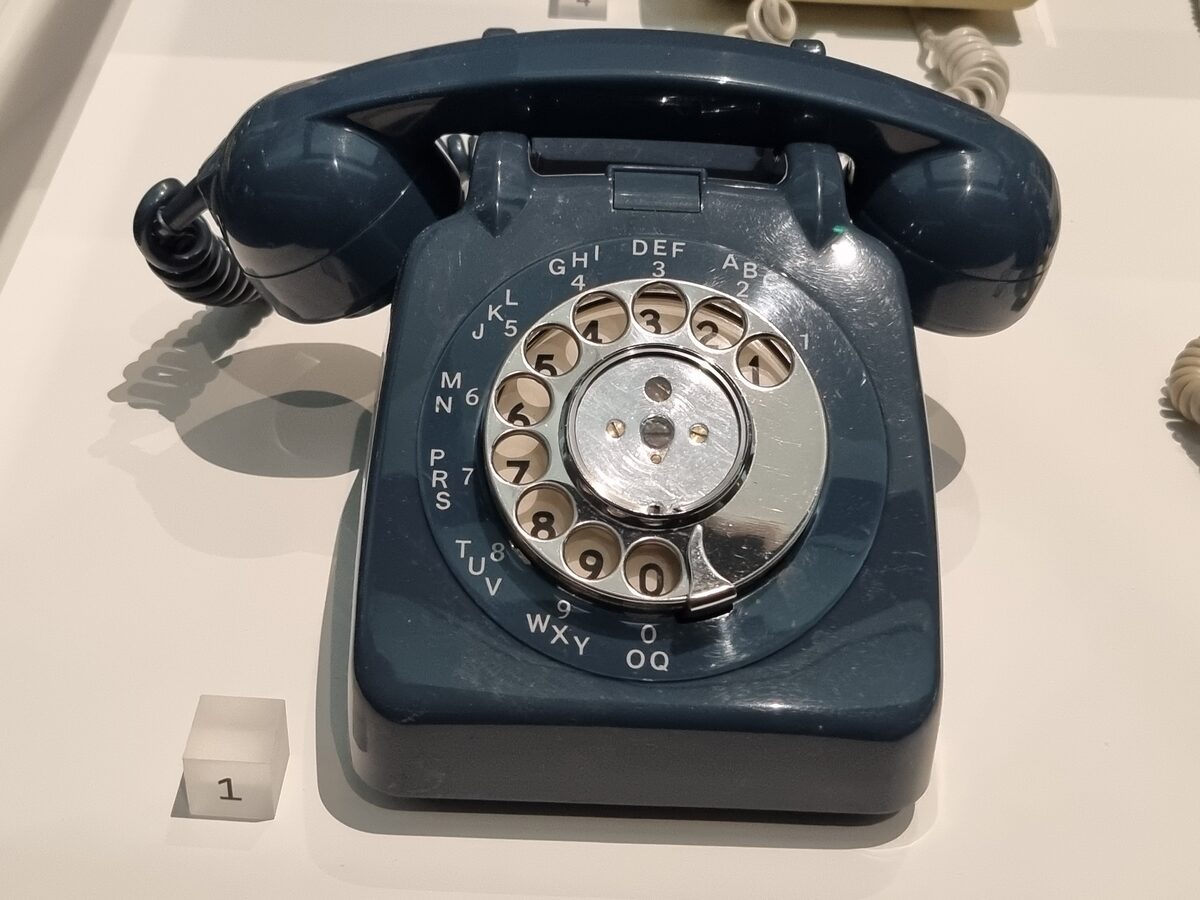
Rotary Phone History: From Alexander Graham Bell to Your Kitchen Wall
The rotary dial telephone has a surprisingly long history. The first rotary dial patent was filed by Almon Brown Strowger in 1891 — yeah, over 130 years ago. Strowger was an undertaker in Kansas City who was convinced that the local telephone operator (who happened to be married to his competitor) was routing his business calls to the competition. So he invented an automatic switching system to cut out the human operator entirely. Petty revenge? Maybe. Revolutionary technology? Absolutely.
The Retro Almanac
A monthly roundup of "on this day" highlights from that month, decades back — plus first dibs on new retro merch drops. No spam, just the good stuff.
But it wasn’t until the Western Electric company — the manufacturing arm of AT&T — mass-produced rotary phones that they became a household staple. The iconic Western Electric Model 500, introduced in 1949, became the standard American telephone for nearly four decades. That chunky, heavy, indestructible black phone sitting on your grandmother’s end table? That was a Model 500, and it probably still works today.



Browse retro and vintage-inspired apparel at the RetroRadical shop →
Shop on eBay
Retro Collectibles on eBay →
We may earn a commission when you shop through our eBay links.
The Retro Almanac
A monthly roundup of "on this day" highlights from that month, decades back — plus first dibs on new retro merch drops. No spam, just the good stuff.