
90s Nickelodeon: The Golden Age That Shaped an Entire Generation of Kids
There was a window in the 1990s — roughly a decade-long stretch — when one cable network owned childhood. Not Disney. Not Cartoon Network. Nickelodeon. The orange-splattered, slime-drenched kingdom that treated kids like actual human beings with taste, intelligence, and a healthy appetite for weirdness.
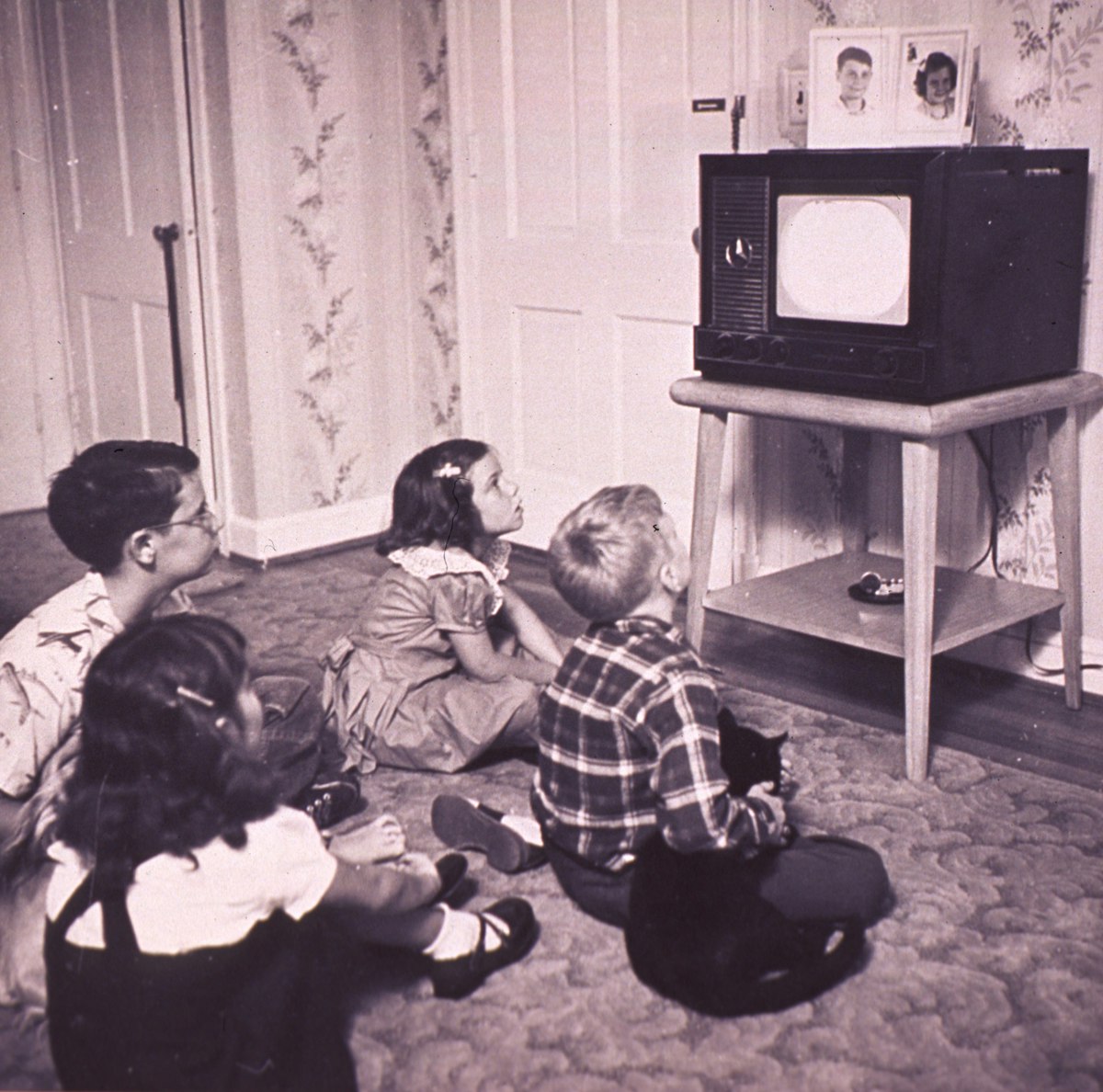
If you grew up during this era, you didn’t just watch Nickelodeon. You lived it. You raced home from school, threw your backpack in the corner, and planted yourself in front of the TV for the afternoon block. Saturday mornings were sacred. And SNICK on Saturday nights? That was appointment television before the phrase even existed.
How Nickelodeon Became the Kids’ Network
Nickelodeon launched in 1977 as Pinwheel, a modest children’s programming channel that most adults ignored. By the mid-1980s, it had rebranded, found its orange identity, and started doing something revolutionary — making television for kids, not at them. While other networks were packaging candy-colored toy commercials disguised as cartoons, Nick was building something stranger and more authentic.
The network’s president, Geraldine Laybourne, understood something that competitors didn’t. Kids could smell condescension from a mile away. They didn’t want to be talked down to. They wanted shows that respected their ability to handle comedy, drama, mystery, and even a little genuine fear. Under Laybourne’s leadership from 1984 to 1996, Nickelodeon transformed from a filler channel into the most-watched cable network for children in America.
Nicktoons: The Cartoons That Changed Everything
On August 11, 1991, Nickelodeon dropped a bomb on Saturday morning television. Three original animated series premiered on the same day: Doug, Rugrats, and The Ren & Stimpy Show. These were the original Nicktoons, and they redefined what a children’s cartoon could be.
Doug was the everyman — a gentle, relatable kid navigating school, crushes, and imagination with his journal and alter ego Quailman. Rugrats flipped the script entirely, showing the world through the eyes of babies who saw everyday life as grand adventure. And Ren & Stimpy? That show was unhinged in the best possible way. John Kricfalusi’s grotesque, hyperdetailed animation style pushed the boundaries of what you could get away with on a kids’ network, and it paved the road for every “adult” cartoon that followed.
The Nicktoons pipeline only got stronger from there. Rocko’s Modern Life (1993) smuggled adult humor past censors with surgical precision. Aaahh!!! Real Monsters (1994) made the monsters lovable and school relatable. Hey Arnold! (1996) might be the most underrated animated series of the decade — a show with genuine emotional depth, cultural diversity, and a jazz soundtrack that had no business being that good. And then came SpongeBob SquarePants in 1999, a show so perfectly crafted that it’s still running and generating memes 27 years later.
Game Shows: Where Kids Got Gloriously Messy
No other network would have dreamed of doing what Nickelodeon did with game shows. Double Dare, hosted by the impossibly composed Marc Summers, turned trivia into physical comedy chaos. Teams answered questions, took dares, and inevitably ended up crawling through giant nostrils, diving into vats of slime, and searching through enormous sundaes for orange flags. It was beautiful, disgusting, and every kid watching desperately wanted to be a contestant.
Legends of the Hidden Temple combined history trivia with an obstacle course that was genuinely difficult. The Temple Run at the end — where kids navigated rooms, assembled artifacts, and dodged Temple Guards — was some of the most tense television of the 1990s. Most teams failed. The Temple Guards were terrifying. And the talking Olmec head dispensing historical facts became one of the most iconic set pieces in game show history.
GUTS brought athletic competition to kids’ TV with its legendary Aggro Crag — a towering, smoke-spewing, light-up mountain that contestants had to climb while activating actuators. Host Mike O’Malley and referee Moira Quirk made every episode feel like the Olympics for twelve-year-olds. Figure It Out, Nick Arcade, and Wild & Crazy Kids rounded out a game show roster that no other network could touch. Nickelodeon understood that kids wanted to get messy, compete, and scream at their TVs — and they delivered all three in every episode.
Live-Action Gold: The Shows That Made Us
Clarissa Explains It All (1991) did something radical for its time: it put a smart, funny teenage girl at the center of a show and let her break the fourth wall. Melissa Joan Hart’s Clarissa was confident, creative, and talked directly to the camera like the audience was her best friend. The show normalized girls in technology (Clarissa coded video games) years before anyone was talking about women in STEM.
The Adventures of Pete & Pete was indie rock wrapped in a kids’ show. It featured actual bands like Iggy Pop, The Breeders, and Luscious Jackson, and told stories that operated on a dreamlike logic all their own. Salute Your Shorts gave us Camp Anawanna and a theme song that still gets stuck in our heads. The Secret World of Alex Mack blended teen drama with science fiction. And Kenan & Kel was a buddy comedy that launched two genuine comedy stars — one of whom, Kenan Thompson, has been on Saturday Night Live for over two decades.
SNICK: Saturday Night Was Ours
In 1992, Nickelodeon launched SNICK — Saturday Night Nickelodeon — a two-hour block from 8 to 10 PM that gave kids their own primetime. The original lineup was Clarissa Explains It All, Roundhouse, The Ren & Stimpy Show, and Are You Afraid of the Dark? — a programming block so perfect it felt curated by someone who actually remembered being young.
Are You Afraid of the Dark? deserves special attention. The Midnight Society — a group of teens who gathered around a campfire in the woods to tell scary stories — gave 90s kids their first real horror experience. These weren’t watered-down scares. Episodes like “The Tale of the Ghastly Grinner,” “The Tale of the Lonely Ghost,” and “The Tale of Laughing in the Dark” with Zeebo the clown genuinely haunted a generation. The show trusted its young audience to handle darkness, and they loved it for that.
All That joined the SNICK lineup in 1994 and became Nickelodeon’s answer to Saturday Night Live. The sketch comedy show launched careers left and right — Kenan Thompson, Kel Mitchell, Amanda Bynes, Nick Cannon, and Gabriel Iglesias all passed through its doors. The show’s “Good Burger” sketches were so popular they spawned a feature film. “Welcome to Good Burger, home of the Good Burger, can I take your order?” remains embedded in the brains of every millennial who ever watched.
The Slime That Held It All Together
You can’t talk about 90s Nickelodeon without talking about slime. That green, gooey, mysterious substance became the network’s signature — its visual identity in liquid form. It started on the Canadian import You Can’t Do That on Television in the early 1980s. Say “I don’t know” and you’d get slimed. The concept was so popular that Nickelodeon adopted it as their brand identity.
Slime showed up everywhere — game shows, awards ceremonies, commercials, and the Nickelodeon Kids’ Choice Awards, where celebrities getting slimed became the highlight of the entire event. The slime was democratic. Nobody was safe. Not hosts, not contestants, not A-list celebrities. It was Nickelodeon’s way of saying: “We don’t take ourselves too seriously, and neither should you.” For kids who lived in a world of adults telling them to sit down and be quiet, that message was everything.
Why It Ended (And Why Nothing Replaced It)
The golden age didn’t last forever. Geraldine Laybourne left in 1996, and while the network continued producing hits through the late 90s, the creative culture started shifting. By the early 2000s, Nickelodeon was leaning harder into franchises, merchandise tie-ins, and safer programming. The weird, risky energy that defined the golden age gradually smoothed out into something more corporate and predictable.
SNICK ended in 2004. The original Nicktoons gave way to newer shows that, while sometimes excellent, rarely captured the same lightning-in-a-bottle creative freedom. The network that once felt like a secret clubhouse started feeling more like a business. Which, of course, it always was — but in the 90s, the magic was that you couldn’t tell.
What made 90s Nickelodeon special wasn’t just the individual shows — it was the philosophy behind them. The network believed that kids deserved smart, funny, adventurous, sometimes scary, always surprising television. It didn’t pander. It didn’t moralize. It created a space where being a kid was treated as something worthy of great art and great entertainment.
For an entire generation, Nickelodeon wasn’t just a channel. It was the place where we learned that TV could be weird, messy, and wonderful — just like us. And every time someone mentions Reptar, or the Aggro Crag, or Zeebo the clown, the orange glow flickers back to life, and for a moment, we’re all twelve again, parked on the couch with a bowl of cereal, waiting for the next show to start.