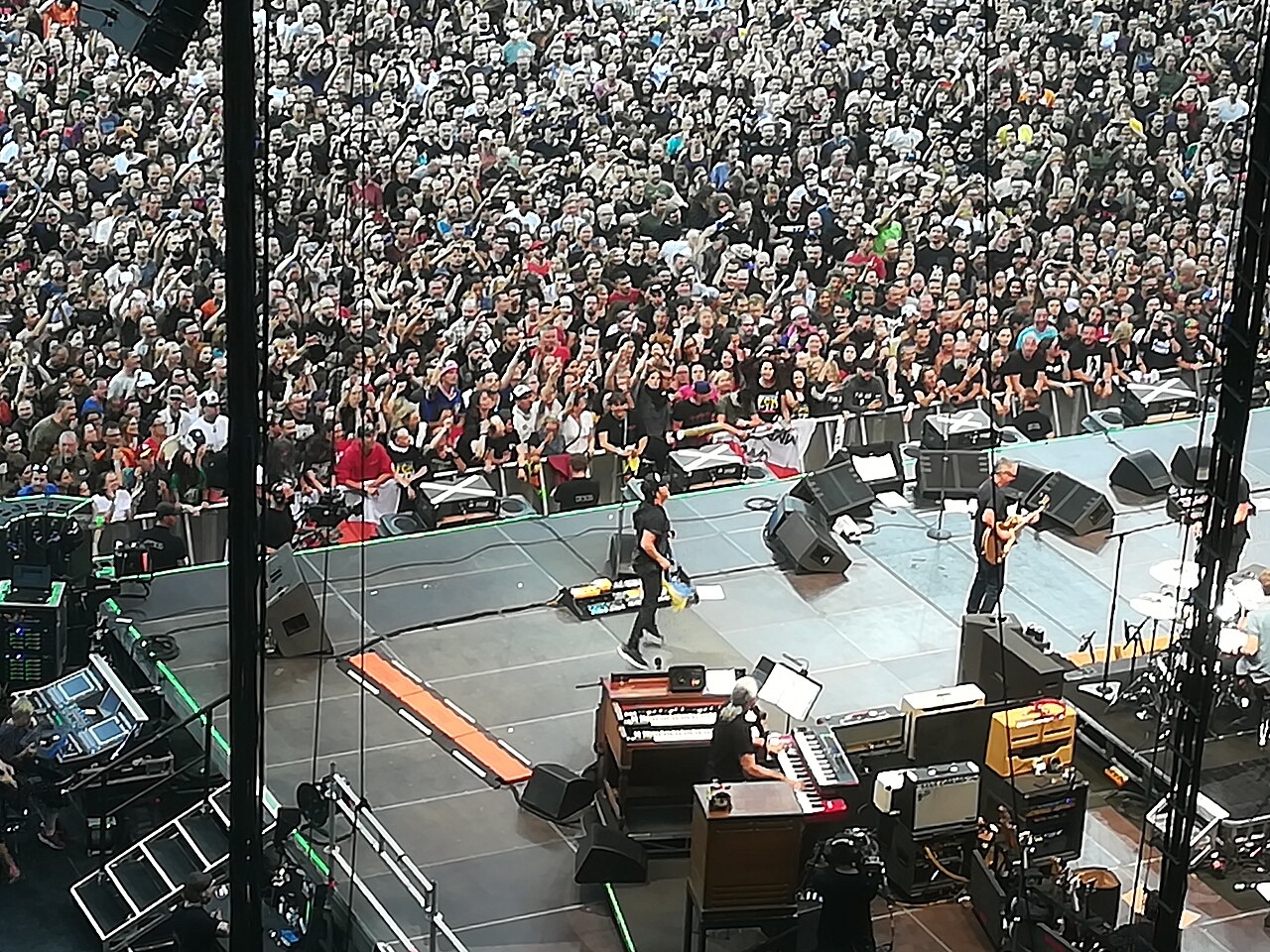
Pearl Jam concert
|

Grunge Unfiltered: Seattle’s Sound, Style, and the Soul of the 90s

By 1991, hair metal had calcified into spandex parody and corporate rock had run out of road. Then four bands from a rainy port city in the Pacific Northwest hijacked the airwaves with distorted guitars, secondhand sweaters, and lyrics about alienation that hit every Gen X kid right between the eyes. Grunge wasn’t just a music genre — it was a generational reset button.

This is the full story of how Seattle’s underground scene escaped the basement, took over MTV, and rewired what rock music sounded like for the rest of the decade. Pour a cup of black coffee, find your oldest flannel, and let’s go back.

The Sound: Slow, Heavy, and Pissed Off

Grunge was sludge rock with a punk heart. It borrowed the down-tuned crunch of Black Sabbath, the snarl of The Stooges, the melody of The Beatles, and the DIY ethic of hardcore. The result was loud, slow, and intentionally ugly — the opposite of the polished metal that ruled MTV in 1989.

The signature elements were everywhere: detuned guitars (usually a half-step or full step down), the soft-loud-soft dynamic borrowed from the Pixies, vocals that swung between mumble and primal scream, and lyrics that traded swords-and-dragons for depression, addiction, and suburban dread. It wasn’t pretty. It wasn’t supposed to be.
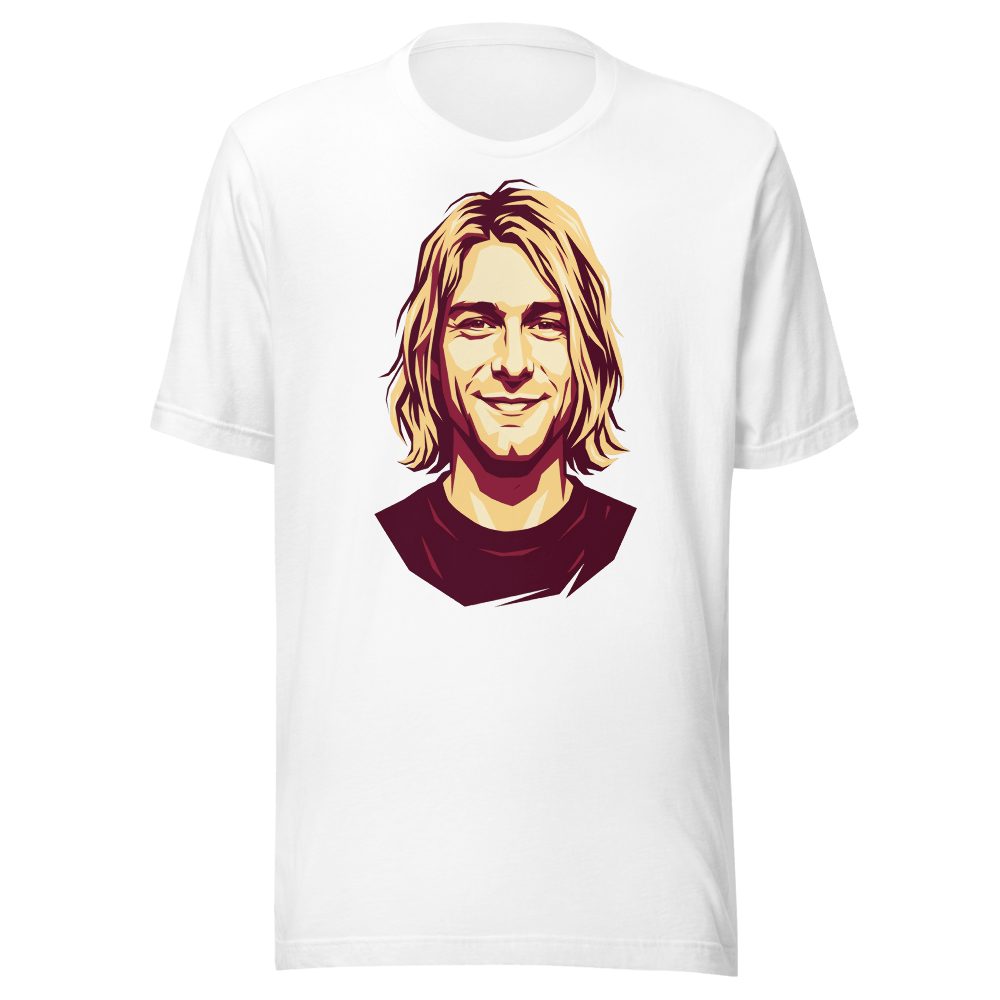
Why Seattle? Rain, Isolation, and Cheap Rent

Seattle skyline rain

Seattle in the late 1980s was the perfect petri dish for a new sound. The city was geographically isolated from the Los Angeles and New York music industries, which meant local bands developed in private without label scouts breathing down their necks. Rent was cheap. Practice space was cheap. And it rained roughly 150 days a year, giving teenagers nothing better to do than form bands.

The scene revolved around a handful of clubs — the Central Tavern, the OK Hotel, the Vogue, the Off Ramp — and one record store, Sub Pop, which became a record label in 1988 thanks to Bruce Pavitt and Jonathan Poneman. Sub Pop’s marketing genius was framing Seattle as a singular movement before there really was one. They flew over a British journalist from Melody Maker, gave him a tour of the local bands, and the resulting hype cycle in the UK press created the legend of the Seattle sound almost out of thin air.

By the time the rest of America caught on, the bands were already legends in their hometown.

The Big Four: Nirvana, Pearl Jam, Soundgarden, Alice in Chains

Pearl Jam concert
Pearl Jam concert

Every scene needs its Mount Rushmore. Grunge had four faces.

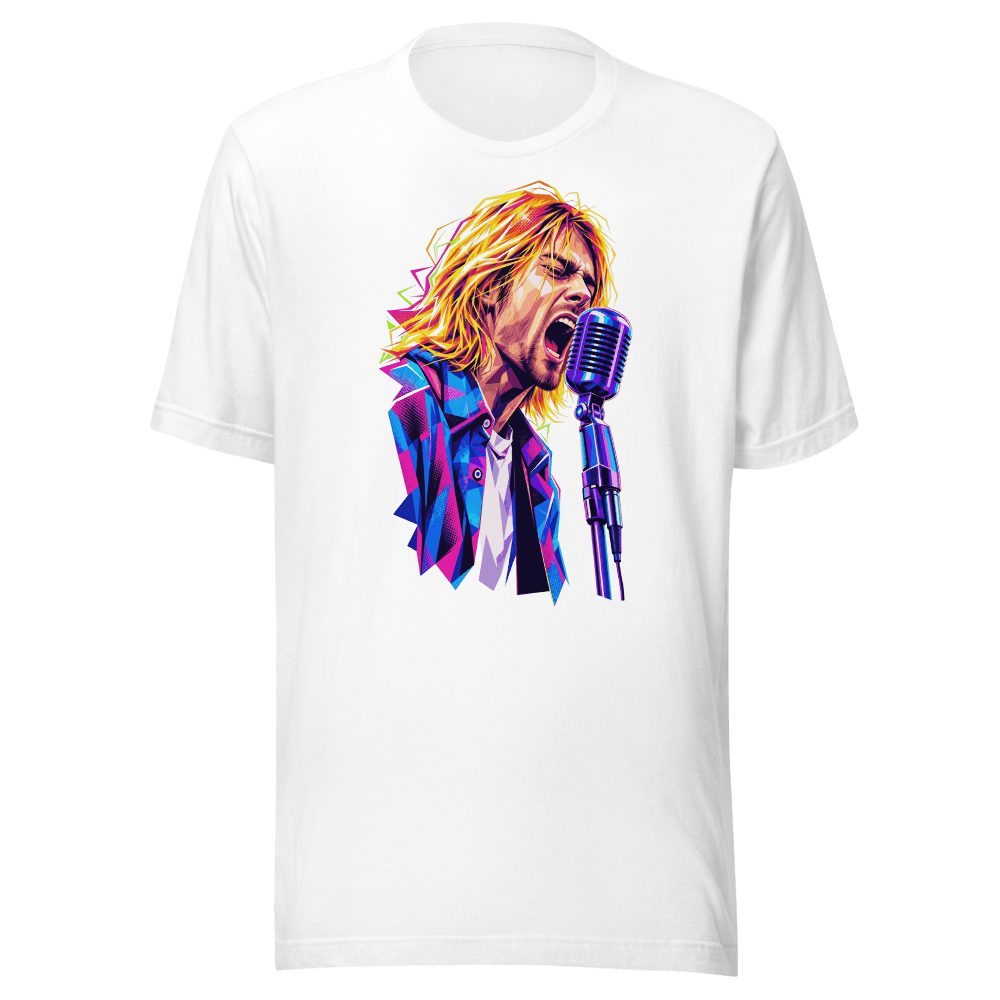
Nirvana

Kurt Cobain, Krist Novoselic, and (eventually) Dave Grohl. Their second album, Nevermind, dropped September 24, 1991, and its lead single Smells Like Teen Spirit went from MTV’s 120 Minutes to heavy rotation in a matter of weeks. By January 1992, Nevermind had knocked Michael Jackson’s Dangerous off the top of the Billboard 200. That was the moment grunge officially won.

Pearl Jam

Eddie Vedder, the surfer kid from San Diego who joined a band of Mother Love Bone refugees and turned them into the most reluctant arena act of the decade. Their debut Ten (released August 1991) was a slow-burner that quietly outsold almost everything else in the era — over 13 million copies in the US alone.

Soundgarden

Chris Cornell’s four-octave wail over Kim Thayil’s monstrous, drop-D riffs. Soundgarden was the heaviest of the four, the one with the clearest debt to Sabbath, and Badmotorfinger and Superunknown remain the textbook for how to make metal smart.

Alice in Chains

The darkest of the four. Layne Staley and Jerry Cantrell harmonized like the Everly Brothers on heroin, which often wasn’t far from the truth. Dirt (1992) is one of the most unflinching albums about addiction ever recorded — and it sold five million copies anyway.

https://www.youtube.com/watch?v=hTWKbfoikeg

The Uniform: Flannel, Doc Martens, and Whatever You Found

flannel shirt
flannel shirt

Grunge fashion wasn’t really fashion — that was the point. The look came from necessity. Seattle musicians wore flannel because it was warm, cheap at thrift stores, and built for Pacific Northwest weather. They wore ripped jeans because they couldn’t afford new ones. They wore combat boots because Doc Martens lasted forever and looked good with everything.

The defining elements:

  • Oversized flannel shirts, usually layered over band tees
  • Faded, ripped, or stonewashed jeans (no pleats, ever)
  • Doc Martens 1460s or Converse Chuck Taylors
  • Long underwear or thermals worn as actual outerwear
  • Beanies, knit caps, or unwashed hair
  • Vintage cardigans (hello, Kurt’s olive-green Manhattan cardigan)
  • Slip dresses with combat boots for the Courtney Love crowd
Doc Martens boots
Doc Martens boots

The cruel irony hit in November 1992 when Marc Jacobs sent a grunge-inspired collection down the runway for Perry Ellis. The line — slip dresses, plaid shirts, knit caps, Birkenstocks — was so polarizing that Perry Ellis fired him weeks later. Today that collection sells for thousands at vintage auctions.

The bands themselves hated it. Kurt Cobain reportedly burned his copy of the Marc Jacobs lookbook. The whole point of the original style was that it cost nothing.

The Slacker Generation Finds Its Soundtrack

Grunge didn’t happen in a vacuum. It arrived right when Generation X — kids born roughly 1965 to 1980 — was hitting their late teens and early twenties and figuring out that the future their boomer parents promised them wasn’t coming. The Cold War had ended but the recession of 1990-91 was real, college tuition was skyrocketing, and the McJob economy was the only one hiring.

Douglas Coupland’s 1991 novel Generation X gave the cohort a name. Richard Linklater’s Slacker (also 1991) gave them an aesthetic. Reality Bites, Singles, and Clerks gave them their movies. And grunge gave them the soundtrack — music that didn’t pretend to know the answers, didn’t try to sell anyone a fantasy, and treated honest confusion as an artistic value.

For the first time since the 1960s, mainstream rock music sounded like it was actually about something other than partying.

From the Underground to MTV in Eighteen Months

vinyl record store
vinyl record store

The speed of grunge’s takeover was stunning. In June 1991, Soundgarden was a respected indie act on A&M. In June 1992, they were on the Lollapalooza main stage with Pearl Jam, Ministry, and Ice Cube. The 1992 MTV Video Music Awards — Pearl Jam, Nirvana, and the Red Hot Chili Peppers all performing — was the unofficial coronation.

Then came Singles, Cameron Crowe’s 1992 romantic comedy set in Seattle, with cameos from Cornell, Vedder, and Alice in Chains. Suburban kids who had never been near the Pacific Northwest started ordering plaid shirts from the Sears catalog. College radio stations that had played REM and the Cure for a decade swapped them out for Mudhoney and Screaming Trees.

By 1993, every major label had a grunge division and was signing anything with a goatee and a flannel. Stone Temple Pilots, Bush, Candlebox, Silverchair, and Collective Soul rode the wave (and got endless flak for it from purists). The genre that started as a rebellion against corporate rock became, briefly, the corporate rock of the 1990s.

The Sudden, Sad End

Soundgarden Chris Cornell

April 5, 1994. Kurt Cobain was found dead in his Seattle home from a self-inflicted gunshot wound, three days after the discovery. He was 27. The shockwave broke something in the scene that never fully healed.

Pearl Jam responded by retreating from MTV, fighting Ticketmaster, and refusing to make music videos for half a decade. Soundgarden quietly imploded in 1997. Alice in Chains stopped touring after Layne Staley grew too sick from addiction to perform; he died in April 2002. Hole’s bassist Kristen Pfaff overdosed two months after Cobain’s death.

By the time Britney Spears released …Baby One More Time in October 1998, the cultural moment had completely flipped. Bubblegum pop, boy bands, and rap-rock filled the radio. The thrift-store kids had grown up.

What Grunge Left Behind

thrift store
thrift store

Three decades later, the fingerprints are everywhere. Every alt-rock revival of the 2000s — the Strokes, the White Stripes, Queens of the Stone Age — owed a piece of itself to what Seattle did. The flannel-and-Docs uniform never really left rotation; it just gets rediscovered every few years by a new wave of teenagers (and now, somehow, by TikTok). And the idea that mainstream rock music could be uncomfortable, honest, and commercially viable at the same time? That was the gift grunge gave to everything that followed.

The bands themselves became legacy acts. Pearl Jam still tours arenas in 2026. Foo Fighters (Dave Grohl’s post-Nirvana project) became one of the biggest rock bands on the planet. Soundgarden reunited in 2010 before Chris Cornell’s death in 2017. Alice in Chains soldiered on with William DuVall replacing Layne Staley. Sub Pop is still in Seattle, still putting out records.

And somewhere right now, a kid in a thrift-store flannel is hearing Black or Would? or Rusty Cage for the first time, and feeling something they didn’t know rock music could make them feel.

The rain hasn’t stopped in Seattle either. Some things just don’t.

Sources

Similar Posts

Leave a Reply

Your email address will not be published. Required fields are marked *