Grunge from the Ground Up: The Music, Fashion, and Mindset of a Generation
The year was 1991. Hair metal still ruled the Sunset Strip, MTV was still spinning Warrant videos in heavy rotation, and somewhere in a damp Seattle club a scruffy band in thrift-store sweaters was getting ready to bury all of it. By Christmas, nothing about popular music looked the same. That was grunge — and it didn’t just change what we listened to. It changed what we wore, how we talked, and how an entire generation chose to feel in public.
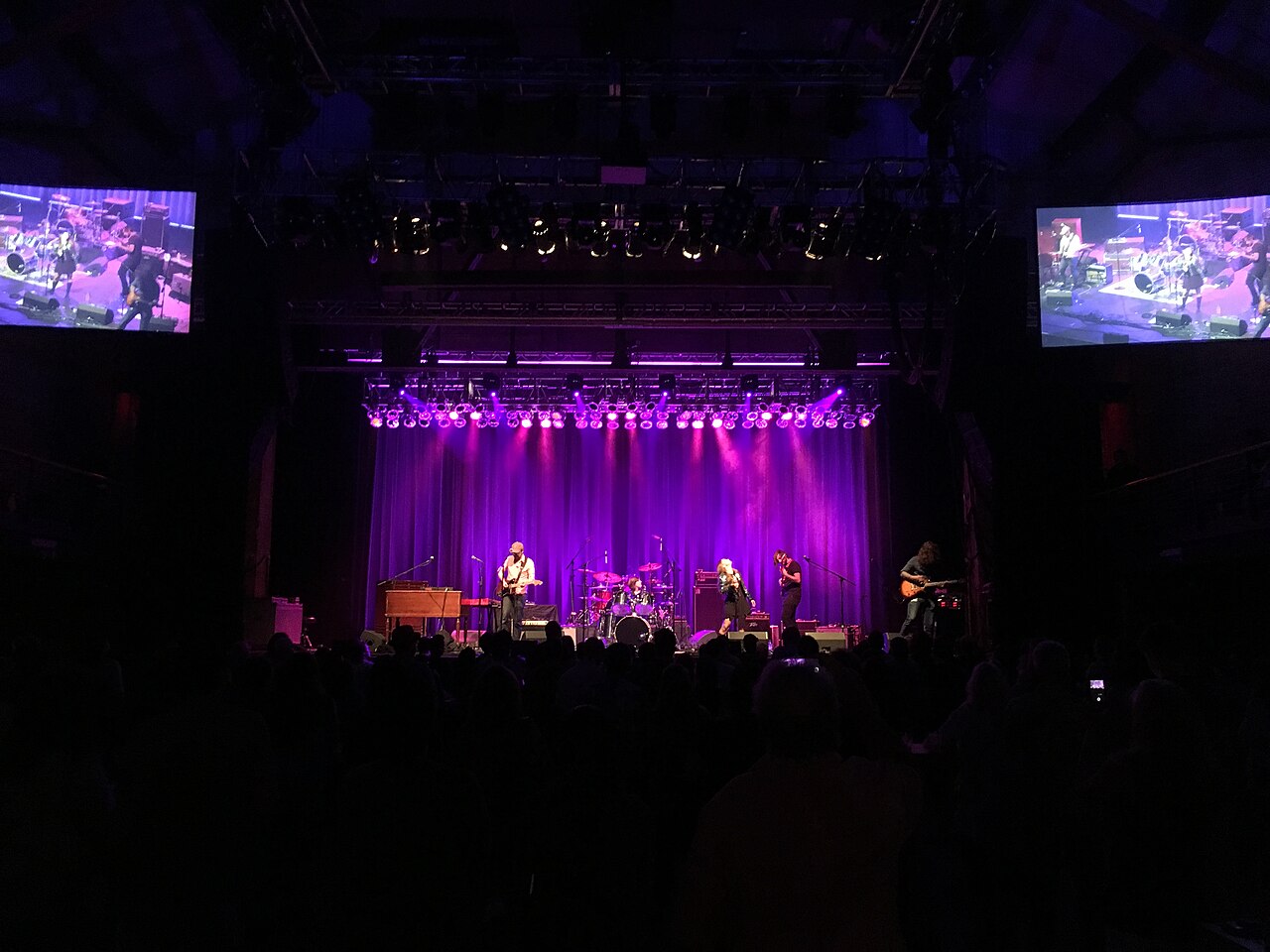
This is the complete guide to grunge — the records, the rags, and the rough-edged worldview that powered both. If you grew up flipping a Nirvana cassette over for the hundredth time or watching Eddie Vedder swing from a stage rig on “Unplugged,” you already know some of this. The rest is the story underneath the story.
Before the Flannel: Where Grunge Came From
Grunge didn’t fall out of the sky. Long before Nevermind hit the charts, Seattle was a working-class music town with cheap rent, long winters, and a thriving local scene that nobody outside the Pacific Northwest paid much attention to. Bands like the Melvins, Green River, Mother Love Bone, and Skin Yard were already mixing the heavy chug of Black Sabbath with the snarl of hardcore punk and the melodic weight of 70s classic rock. Sub Pop Records, founded by Bruce Pavitt and Jonathan Poneman in 1986, gave that messy hybrid a label, a logo, and a mail-order subscription series.
The ingredients were already there: the volume of metal, the do-it-yourself ethic of punk, the moodiness of Neil Young, and a regional pride that didn’t care about looking like Los Angeles or sounding like London. By the late 80s, that gumbo had a name nobody really wanted to use. “Grunge” started as a half-joking shorthand about how the records sounded — dirty, distorted, a little bit ugly. The word stuck because it fit.
The Sound: What Grunge Actually Sounds Like
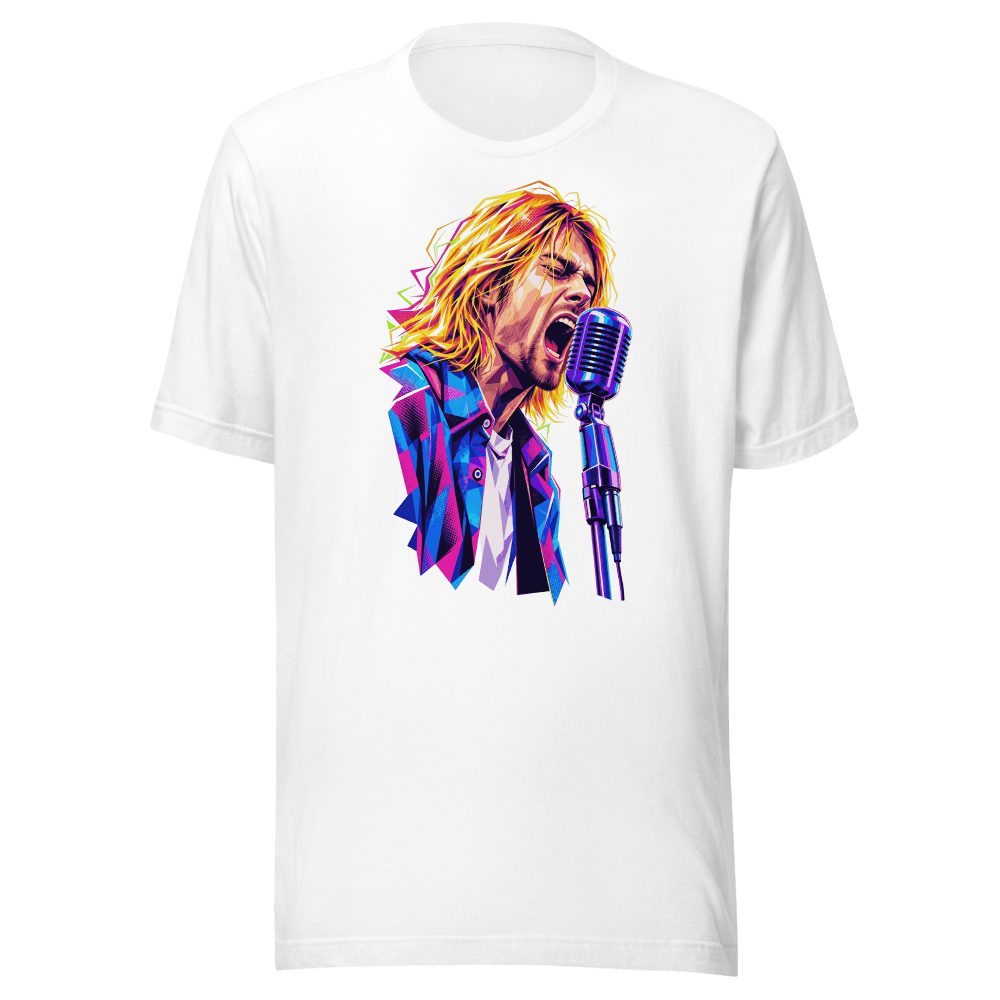
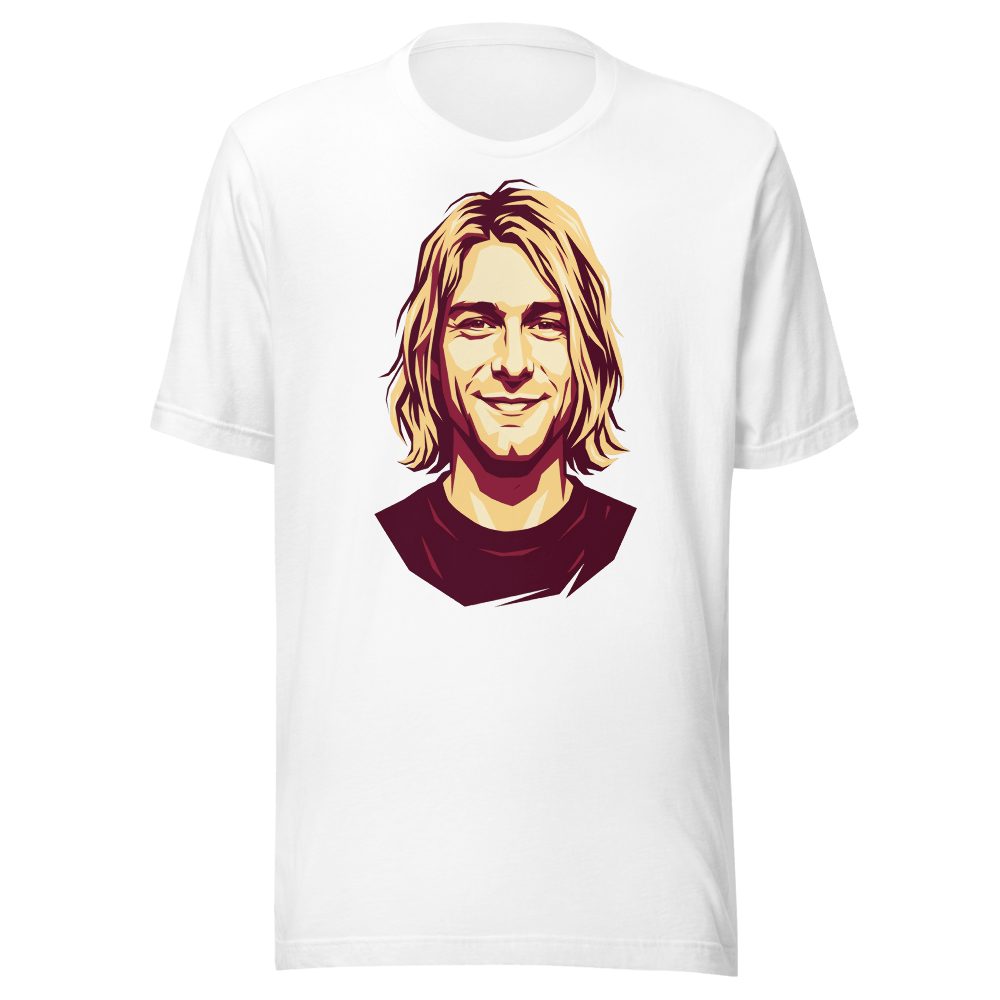
Strip away the flannel and the headlines, and grunge was first and last a sound. It married sludgy, downtuned guitars to surprisingly catchy melodies. It loved the loud-quiet-loud trick borrowed from the Pixies — verses that crept along on a clean tone, choruses that exploded with distortion. It used fuzz not as decoration but as architecture. The riff was the song.
Drumming was heavy and live-sounding, often recorded in big rooms to capture the crash of cymbals instead of the click of a trigger pad. Bass lines rumbled instead of grooved. And vocals — this was the dead giveaway — leaned toward strain, rasp, and sometimes a kind of haunted whisper instead of the polished high notes of late-80s rock. Kurt Cobain mumbled and then shrieked. Eddie Vedder bellowed from somewhere deep in his chest. Layne Staley sang like a man being slowly pulled underwater. Chris Cornell could do all three in a single bridge.
The Big Four Bands
Most fans agree on a core quartet that defined the genre’s mainstream moment, even if the bands themselves often hated being grouped together.
- Nirvana — the lightning rod. Nevermind (1991) sold more than 30 million copies and made grunge a household word. “Smells Like Teen Spirit” knocked Michael Jackson off the top of the Billboard 200.
- Pearl Jam — the storytellers. Ten (1991) was warmer, more classic-rock-leaning, and deeply emotional. They became the band you played in your dorm room with the lights off.
- Soundgarden — the metalheads. Heavier than the others and fond of odd time signatures, with Chris Cornell’s operatic howl floating on top of riffs that wouldn’t have sounded out of place on a Sabbath record.
- Alice in Chains — the darkest of the four. Sludgy, eerily harmonized, and unflinchingly honest about addiction in a way no platinum band had been before.
Outside the big four, Mudhoney, Screaming Trees, Mother Love Bone, Tad, the Gits, L7, Hole, and Babes in Toyland all carried the flag in their own directions. The women of grunge in particular — Courtney Love, Donita Sparks, Kat Bjelland, Mia Zapata — got nowhere near the credit they deserved at the time and have been steadily reclaimed since.
The Look: When Thrift Stores Became Runways
If hair metal was about looking like you spent four hours in a mirror, grunge was about looking like you slept in your car. The grunge wardrobe was almost an anti-look — clothes that already had a life before they got to you. Layered, oversized, and unapologetically uncoordinated. Borrowed from a sibling, dug out of a free pile, or bought for two bucks at Value Village.
Flannel, Boots, and Ripped Denim
Flannel shirts — usually plaid, usually a parent’s or older sibling’s — became the unofficial uniform, worn open over a faded band tee or a thermal henley. Doc Martens 1460 boots were ubiquitous on stages and in school hallways. Ripped jeans came pre-ripped not from a brand but from age and use. Knit beanies, oversized cardigans, slip dresses worn over t-shirts (Courtney Love’s signature combination), Chuck Taylor sneakers, corduroys, and unkempt, unstyled hair completed the kit.

The look had a logic. It was practical for Pacific Northwest weather, where it rains 150 days a year and you needed warm layers you could peel off in a sweaty venue. It was cheap, which mattered when you were broke. And it deliberately refused the gym-honed, hairsprayed maximalism of 80s rock. Showing up looking like you didn’t try was the entire point. Trying was for poseurs.
When High Fashion Stole It
The fashion world noticed almost immediately. In November 1992, Marc Jacobs sent a now-infamous “grunge collection” down the Perry Ellis runway in New York — silk versions of flannel shirts, cashmere beanies priced at hundreds of dollars, slip dresses styled with combat boots. He was reportedly fired over it. The designs flopped commercially but turned the industry upside down. Designers spent the next two years trying to figure out how to sell people clothes that were supposed to look like they cost five dollars.

Vogue ran a “Grunge & Glory” editorial in December 1992 shot by Steven Meisel and styled by Grace Coddington, with Naomi Campbell and Kristen McMenamy in plaid and combat boots. Anna Sui, Calvin Klein, and dozens of others borrowed the silhouette. The clothes that started as a rejection of fashion became fashion’s new default within eighteen months. Kurt Cobain reportedly hated it.
The Mindset: Why It Hit So Hard
You can’t really separate grunge sound and grunge style from grunge feeling. Generation X — kids born roughly 1965 to 1980 — came of age inside a Cold War that quietly ended, an economy that didn’t quite work for them, a divorce boom that scrambled what “family” meant, and a parent generation arguing about Nixon and Reagan on the evening news. The promise of suburbia felt thin. MTV had made everything aspirational and exhausting at the same time. The future, suddenly, didn’t look obviously better than the present.
Grunge spoke to that. The lyrics were openly ambivalent, often depressed, occasionally furious — but rarely triumphant. Nirvana’s “Smells Like Teen Spirit” is about boredom and contradiction. Pearl Jam’s “Jeremy” is about a school suicide. Alice in Chains’ “Down in a Hole” doesn’t even pretend to climb out. Compare that to the chest-beating swagger of “Welcome to the Jungle” three years earlier and you can hear an entire generation changing the channel.

“I’d rather be hated for who I am than loved for who I am not.” — Kurt Cobain
The attitude wasn’t quite nihilism. It was honesty about how hollow a lot of mainstream culture felt — and an insistence that being uncool was more interesting, and more truthful, than being marketed to. Irony, self-deprecation, and a flat refusal to perform happiness became the social style of the decade. You can draw a straight line from a 1992 Nirvana interview to the deadpan humor of every Gen X sitcom that followed.
When the Bubble Burst
Like every cultural moment, grunge eventually ate itself. The same major labels that had ignored Sub Pop in 1989 were dropping seven-figure deals on any flannel-wearing band by 1993. Authenticity — the whole point of the thing — became a marketing checkbox. Singapore Airlines ran a flannel-themed ad. Dockers sold “your grunge dad” khakis. Department stores started selling pre-distressed cardigans in the juniors section.

Then came the losses, and they were brutal. Andrew Wood of Mother Love Bone died of a heroin overdose in 1990, before most of the country had even heard of Seattle. Kristen Pfaff of Hole overdosed in June 1994. Kurt Cobain died by suicide in April 1994 at the age of 27. Layne Staley overdosed in April 2002 after years of public decline. Mia Zapata of the Gits was murdered walking home from a Seattle bar in 1993. Chris Cornell and Scott Weiland would follow in the years after. The body count that hung over the genre was real, and it shaped how the survivors talked about that era for the rest of their lives.
By 1996, most fans agreed grunge as a movement was effectively over, even as the surviving bands kept recording. What replaced it was a messier, more commercial wave of post-grunge — Bush, Live, Creed, Nickelback — and eventually the bright, polished pop-punk and rap-rock of the late 90s. The flannel got folded back into closets. The Spice Girls and Limp Bizkit moved in.
Why Grunge Still Echoes
Three decades on, grunge still shows up everywhere. The Doc Martens and oversized flannel uniform cycles back through TikTok every few years like clockwork. Major fashion houses keep mining the silhouette — Saint Laurent, Hedi Slimane, R13, even Gucci. Every guitar-driven indie band that crashes into a chorus owes something to the loud-quiet-loud playbook. Reality TV, podcast culture, and the mumblecore film movement all borrowed grunge’s lo-fi authenticity-as-aesthetic.

But more than that, grunge gave Gen X a recognizable shared moment — a brief stretch where the most popular music in America was also the most uncomfortable. For a generation often accused of having no center, that was the center. The flannel, the noise, the slumped shoulders, the refusal to fake a smile. It wasn’t a marketing demographic dressed up as a movement. It was, for a few short years, just the truth.
Put on Nevermind in a room with anyone who was a teenager in 1991, and watch what happens to their face. That’s the part that doesn’t go away.
Sources
- Grunge — Wikipedia
- Sub Pop Records — Wikipedia
- Hype! (1996 documentary) — Wikipedia
- Smells Like Teen Spirit — Wikipedia
- Marc Jacobs and the 1992 Perry Ellis grunge collection — Wikipedia
- Nevermind — Wikipedia