Flannel Was Thrift Store Trash. Now It’s a $400 Runway Trophy.
The flannel shirt was supposed to be over. In 1996, every fashion magazine on the planet declared grunge officially dead, killed by Marc Jacobs’ boardroom misfire at Perry Ellis and Kurt Cobain’s absence from any stage. Flannel went home to your dad’s closet, where it stayed for twenty-five years, occasionally peeking out at Home Depot or a Bruce Springsteen concert. Then 2020 happened, and the same plaid button-up your mom wore to a 1993 Pearl Jam show started selling for $400 on the Celine runway. Nobody saw the math coming.
How a $5 Thrift Find Became a $400 Status Symbol
The economics of grunge fashion have always been broken in the funniest possible way. The original Seattle scene wasn’t dressing for the camera. It was dressing for the cold, the rent, and the broken washing machine in the basement of a shared house off Capitol Hill. A flannel shirt cost five bucks at Value Village in 1991. By 2024, Saint Laurent was selling a near-identical version for $1,290 in their Beverly Hills boutique.
That is the joke baked into the entire 2020s grunge resurgence. The look was specifically designed to be ugly, cheap, and accidental. Selling it for $400 a piece is the most aggressively anti-grunge move in fashion history, and Gen Z bought into it anyway. The kids buying $1,200 Cobain-inspired cardigans are the same kids who have never paid full price for a Spotify subscription.
Why Grunge Took a Twenty-Year Nap
The 2000s were brutal to flannel. Low-rise jeans, velour tracksuits, trucker hats, and Ed Hardy graphic tees took over the malls. By 2007, wearing a plaid button-up unironically marked you as a dad, a lumberjack, or someone who simply hadn’t updated their wardrobe since the Clinton administration. The look was so dead that Old Navy stopped putting flannel on the wall in their teen sections.

The 2010s tried briefly. Lana Del Rey’s Born to Die era flirted with thrift-store melancholy in 2012. Williamsburg hipsters wore flannel in Brooklyn coffee shops between 2009 and 2013. There was a brief lumbersexual moment in 2015 where bearded men in beanies cosplayed as their own grandfathers. But none of it broke out of the irony bubble. The look was still considered a costume, not a wardrobe.
The Pandemic Changed What Clothes Were Even For
March 2020 didn’t just kill skinny jeans. It killed the entire premise of “going-out clothes.” An entire generation suddenly had nowhere to be, nobody to impress, and a lot of time to scroll through Depop on the couch. The clothes that won that summer were the ones that didn’t care about anything. Comfort plus pre-existing emotional baggage equaled the ideal pandemic outfit.
Flannel didn’t care. Mom jeans didn’t care. A baggy Nirvana tee from 1993 didn’t care so hard that it became the unofficial uniform of the lockdown era. The most photographed celebrities of 2020 were photographed in the same outfits as the most photographed musicians of 1992, which is a sentence nobody could have written in 2018.
TikTok Did the Heavy Lifting
By summer 2021, the “grunge revival” hashtag had collected hundreds of millions of views on TikTok. Teenagers who weren’t born when “Smells Like Teen Spirit” came out were curating Pinterest boards titled “Sad Girl Autumn” featuring slip dresses, combat boots, and the exact green-and-black plaid Cobain wore during MTV Unplugged. The algorithm has zero respect for chronology, and that turned out to be the secret ingredient.
A 2021 fifteen-year-old encountering Nirvana for the first time wasn’t doing nostalgia. She was discovering a new band that happened to be thirty years old. The internet flattened time, and the flattest, most internet-friendly era turned out to be the early 90s. Everything from then looks good on a phone screen because the lighting was already terrible and the cameras were already cheap.
The Designers Who Saw It Coming
Hedi Slimane has been smuggling grunge into luxury fashion since his Dior Homme days in the early 2000s. When he took over Celine in 2018 and immediately killed the brand’s minimalist phase, the fashion press lost its collective mind. Phoebe Philo loyalists wrote eulogies in The Cut. By 2022, when Slimane sent models down the runway in plaid flannel and slip dresses, that same press declared him a visionary.
He wasn’t a visionary. He was just the only major designer who never stopped paying attention to what teenagers in Olympia were actually wearing. The man has been photographing skinny boys in cardigans since 2003, and the world finally caught up to his taste.
The Marc Jacobs Vindication
Twenty-nine years after Perry Ellis fired Marc Jacobs for sending grunge down the runway in his Spring 1993 collection, those original pieces became a vintage holy grail. Garments from that show now sell for five-figure sums whenever they appear at auction. Jacobs himself recreated the collection for its anniversary in 2018, and the wait list was longer than for any of his current designs.
The takeaway is simple. Jacobs wasn’t wrong about grunge. He was just too early to monetize it. Fashion firing him was less about taste and more about timing. A 1993 boardroom couldn’t sell $200 plaid shirts to people who could buy nearly identical ones for five dollars across the street. A 2022 boardroom can sell them to anyone who scrolled past them on TikTok and developed a sudden crush on Olympia, Washington.
The Depop Economy Made Wear a Virtue
Resale apps weren’t just where the 2020s grunge revival happened. They were why it happened. Depop, Vinted, and Grailed turned thrift hunting into a global sport with leaderboards and influencer accounts. A 1993 Nirvana In Utero tour shirt that a kid bought at a record store for $20 was suddenly selling for $1,200 on Grailed, and somebody was always paying.
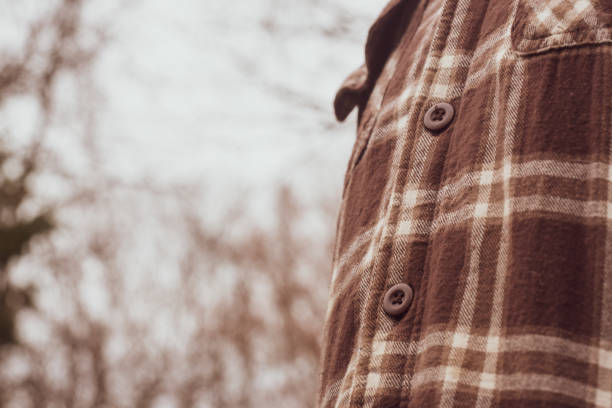
The vintage market created a value system where a stained, faded, slightly torn flannel shirt was worth dramatically more than a brand-new one. Wear became proof of authenticity. The clothes had to look like they had been through something, even if the something was a twenty-year stretch in someone’s grandmother’s basement next to a broken treadmill.
When Used Clothing Beat New
By 2023, thrift stores in Seattle, Portland, and Brooklyn were hiring security to manage the lines on resale days. Professional pickers from resale shops would clear racks of anything plaid before the doors fully opened. The flannel shirt your dad donated in 2008 was now a commodity worth flying across state lines for. The whole supply chain of grunge ran backwards through time, with twenty-something resellers digging through Goodwill bins in small towns that nobody under thirty had heard of since 1994.
The New Grunge Icons Don’t Know They’re Grunge
A pop star turning grunge into Gen Z love language wasn’t on anyone’s 2021 bingo card, but Olivia Rodrigo did exactly that. Her Sour era pulled directly from the 1990s alt-rock playbook. Purple hair, plaid skirts, slip dresses, Doc Martens, and lyrics about being seventeen and angry at a boy who deserved every word of it. Courtney Love famously accused her of stealing the cover concept from Live Through This, which only made the connection clearer.

Billie Eilish had already been doing baggy-anything since 2019. Phoebe Bridgers built her entire visual identity on a 1990s indie-rock template. By 2023, Chappell Roan and Reneé Rapp were layering grunge silhouettes with pop maximalism in ways that would have confused Cobain and delighted him in equal measure. The aesthetic stopped being a costume and became, simply, how a certain kind of artist dressed.
Why This One Stuck Around
Most fashion revivals last about eighteen months. Y2K had its moment in 2021 and was already losing steam by 2023. Cottagecore peaked in 2020 and quietly faded into goblincore and then into nothing. But grunge has hung around for five years now, and nobody seems particularly motivated to retire it. That is unusual, and it means something.

The theory making the rounds in fashion newsletters is that grunge isn’t really a trend at all. It’s a default. The combination of flannel, denim, boots, and oversized everything works on almost any body, in almost any weather, for almost any occasion that isn’t a wedding. It is the closest fashion has ever come to a uniform that doesn’t feel like one.
The Recession-Proof Look
Economic anxiety probably helped too. A generation watching housing prices triple and grocery bills double doesn’t have the energy or the budget for trend-chasing. Buying a single flannel shirt that works for five years beats buying a closet full of micro-trend pieces that look stupid by Christmas. Grunge survived the 1990s recession for the exact same reason it is surviving the 2020s one. It was designed for broke people who still wanted to look cool.
The Flannel Won the Whole Thing
Twenty-five years after the fashion industry pronounced grunge dead, the flannel shirt has outlived three economic crises, two pandemics, and a half-dozen attempted trend resets that tried to replace it with everything from neon athleisure to clean-girl beige. Saint Laurent will keep selling theirs for $1,290. Some kid in Olympia will keep finding the original article for five dollars at Value Village. Both of them think they’re winning, and on a certain level, both of them are right.
That paradox of luxury and thrift wearing the exact same shirt is the whole story of the 2020s grunge resurgence in one image. The look that was supposed to symbolize anti-commercialism became one of the most commercially successful aesthetics of the decade. Cobain would have hated it. Or maybe, on a generous day, he would have laughed.
Sources
- Wikipedia — Grunge fashion
- Wikipedia — Perry Ellis and the 1993 grunge collection
- Wikipedia — Hedi Slimane
- Vogue
- Amazon — Vintage Flannel Shirts