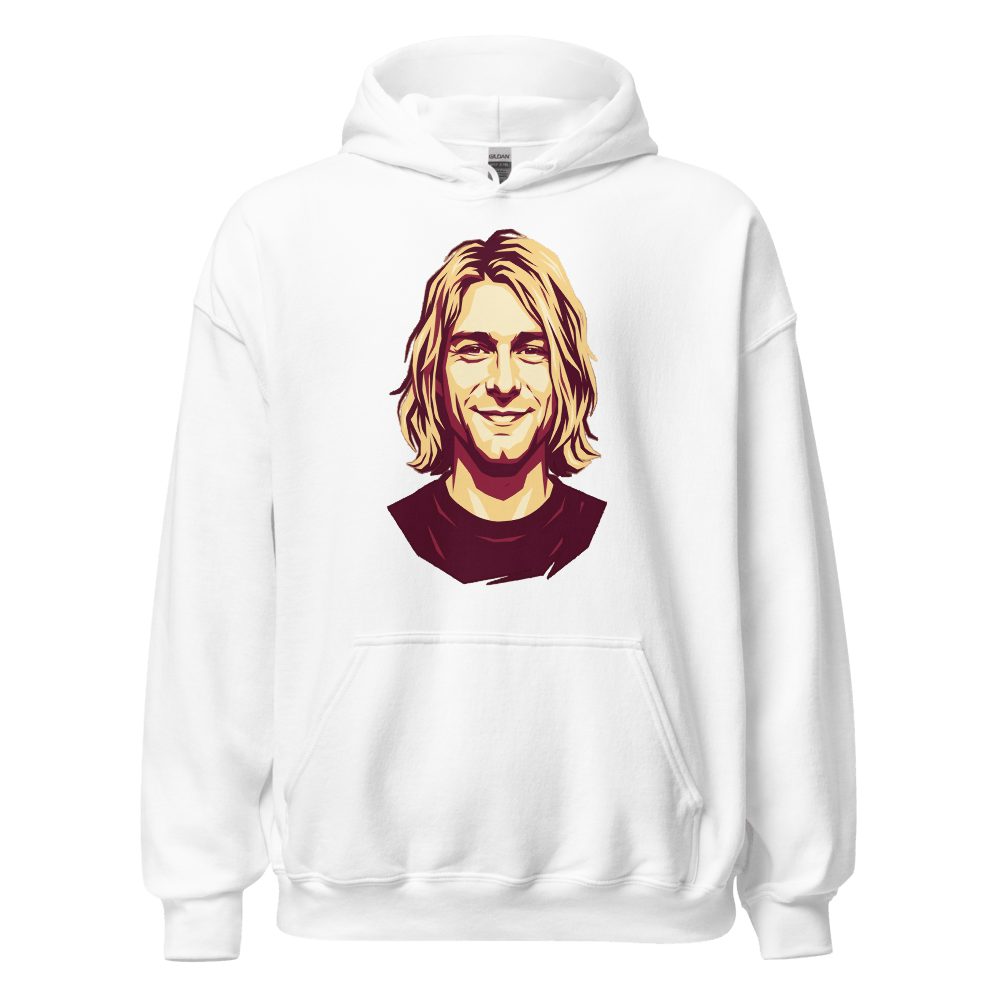
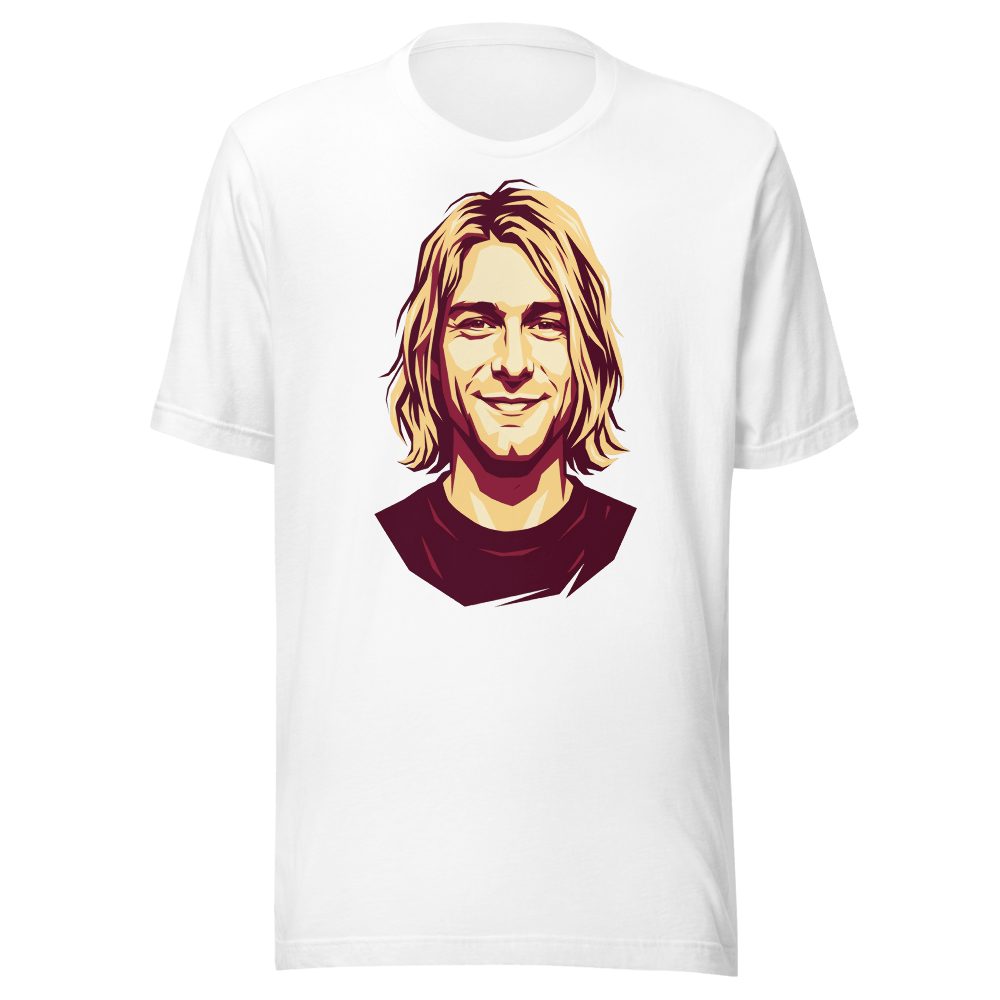
Kurt Cobain
|

When Flannel Killed Hair Metal: The Rise and Reign of Grunge

For about ten minutes in 1991, hair spray was the most powerful chemical in American rock. Bands in spandex were selling out arenas, MTV was a non-stop parade of cherry-red Les Pauls and white teeth, and the loudest argument in music was whether Poison or Warrant had the better ballad. Then a band from Aberdeen, Washington released a song with a video set in a high school gym, and the whole circus packed up and left town.

Grunge didn’t ask permission. It rolled down from the Pacific Northwest in a cloud of feedback and cigarette smoke, dressed in a flannel shirt that had probably been worn three days running, and within eighteen months it had remade the sound, the look, and the attitude of an entire generation. This is the complete guide to grunge — the music, the fashion, and the strange, soggy culture that spawned it.
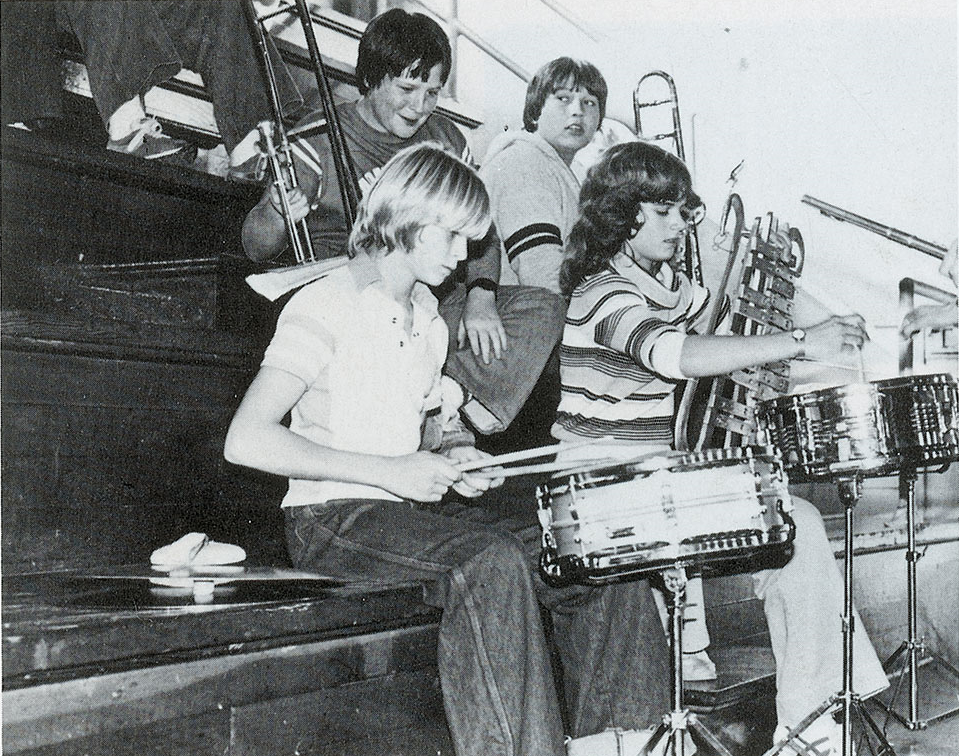
Kurt Cobain
Kurt Cobain

Where It Came From: Seattle, Sub Pop, and a Lot of Rain

Grunge wasn’t invented on a label executive’s whiteboard. It crawled out of basement shows, college radio, and the back rooms of Seattle clubs like the Vogue, the Central Tavern, and the OK Hotel. The geography mattered. Seattle in the late 80s was a second-tier city — affordable rent, plenty of warehouses for practice spaces, a steady drizzle that kept everyone indoors making noise. Bands had time to be weird because nobody was watching.
The sound itself was a collision. Take the sludge of Black Sabbath, the snarl of punk bands like Black Flag and the Stooges, the melodic instinct of cheap classic rock radio, and run the whole mess through a busted distortion pedal. That was grunge. Mark Arm of Mudhoney is usually credited with first using the word in print to describe his own band, half as a joke. The joke stuck.

The other crucial ingredient was Sub Pop Records, the scrappy local label run by Bruce Pavitt and Jonathan Poneman. Sub Pop didn’t just release records — it manufactured a scene. The label’s photographer Charles Peterson shot every show in grainy, motion-blurred black and white, and those images defined what grunge looked like before most of America had ever heard a note of it. Soundgarden, Mudhoney, Tad, and a then-unknown trio called Nirvana all put out their first records on Sub Pop.

Pearl Jam Eddie
Pearl Jam Eddie

Nevermind and the Day Everything Flipped

September 24, 1991. Nirvana’s Nevermind arrives in stores. DGC, the label, presses 46,000 copies and figures it might do gold if they’re lucky. By January 11, 1992, the album knocks Michael Jackson’s Dangerous out of the number one slot on the Billboard 200. Dangerous. Off the top.

The video for Smells Like Teen Spirit — anarchist cheerleaders, a janitor mopping in time with the chorus, a high school pep rally turning into a riot — went into MTV’s Buzz Bin and never really came out. Suddenly every label in Los Angeles wanted a band from Seattle. A&R reps started flying north with chequebooks. Pearl Jam’s Ten, released a month before Nevermind, caught the same updraft and hung on the charts for years. Soundgarden’s Badmotorfinger got pulled into the slipstream. Alice in Chains, who had already released Facelift, became the heaviest band on commercial radio almost by accident.

Soundgarden Chris Cornell

The Big Four (and Everybody Else)

If you wanted shorthand for what grunge sounded like, you pointed at the four bands that ended up carrying the genre into the mainstream — each one totally different from the others, which was sort of the point.

Nirvana

Kurt Cobain, Krist Novoselic, and Dave Grohl. Pop hooks weaponized with distortion. Cobain wrote songs the way Lennon and McCartney did — quiet verse, screaming chorus, melody you couldn’t shake — except he buried the hooks under fuzz so thick you almost missed how catchy they were. Nevermind, In Utero, the MTV Unplugged in New York session — that’s the entire body of work, and it changed everything.

Pearl Jam

Stadium-sized, classic-rock-shaped, fronted by a bodysurfing surfer kid named Eddie Vedder who sang like he’d swallowed a transmission. Pearl Jam was the band grunge fans argued about — too earnest, too commercial, too Jim Morrison — and the band that, three decades on, is still selling out arenas while everybody else broke up.

Soundgarden

The most musical of the bunch. Chris Cornell could sing in registers that should have required a stepladder, Kim Thayil bent guitar riffs into shapes that had no business making sense, and the whole band played in odd time signatures while pretending they weren’t. Superunknown in 1994 is the moment grunge grew up.

Alice in Chains

The darkest of the four. Layne Staley and Jerry Cantrell singing in those interlocking, unsettling harmonies over riffs that sounded like a slow-motion car crash. Dirt is one of the heaviest records of the decade and one of the saddest.

Around them rotated a whole supporting cast — Mudhoney, Screaming Trees, Mother Love Bone, Tad, the Melvins, Hole, L7, Babes in Toyland, Stone Temple Pilots if you’re feeling generous, Bush if you’re feeling really generous. The scene was bigger than four bands, even if the magazine covers weren’t.

Seattle Sub Pop
Seattle Sub Pop

The Look: How a Lumberjack’s Closet Became Couture

Grunge fashion wasn’t fashion. That was the entire idea. You wore what was warm, what was cheap, and what you could find at a Salvation Army on a Saturday afternoon. The unofficial uniform:

  • A flannel shirt, ideally too big, ideally tied around the waist when not in use.
  • A t-shirt underneath — band logo or thrift-store novelty.
  • Jeans worn through at the knees, not artfully, just from sitting on amplifiers.
  • Doc Martens, Converse Chuck Taylors, or some unholy combat boot from an Army surplus store.
  • A beanie or unwashed hair, often both.
  • Optional: a thrifted cardigan, see Cobain on Unplugged.

Then in November 1992, Marc Jacobs sent a grunge-inspired collection down the runway for Perry Ellis. Silk flannel. $1,400 plaid dresses. Combat boots paired with floral slip skirts. Critics called it a disaster. Jacobs was fired. The collection went on to be the most influential single show of the decade, and grunge fashion stopped belonging to grunge.

Doc Martens
Doc Martens

The Culture: Slackers, Skeptics, and the Anti-Corporate Pose

Grunge wasn’t just a sound or a wardrobe. It was an attitude, and the attitude had a name: slacker. Reality Bites in 1994, Singles in 1992, the entire MTV programming block called Alternative Nation — pop culture had decided Gen X was sarcastic, broke, allergic to selling out, and probably smoking on the back porch instead of going to the job interview.

Some of that was a pose. A lot of it was real. Gen X had grown up watching their parents get laid off in the Reagan recession, watching the Cold War end without any clear next move, watching MTV build a money machine out of bands they didn’t believe in. When Cobain sang here we are now, entertain us, he wasn’t being clever. He was reading the audience back to itself.

Grunge bands made a point of refusing the rituals of rock stardom. They didn’t do guitar solos with their teeth. They wore the same clothes onstage they’d worn that morning. They gave deadpan interviews. Pearl Jam picked a public fight with Ticketmaster. Cobain wore a t-shirt that said Corporate Magazines Still Suck on the cover of Rolling Stone. The contradiction — anti-corporate bands signed to major labels, sold through corporate magazines — was the genre’s central tension and arguably the thing that ate it from the inside.

Nirvana MTV Unplugged

MTV Unplugged and the Strange Soft Side

For all the noise, grunge had a beautiful quiet streak. MTV’s Unplugged series turned out to be the perfect vehicle. Nirvana’s November 1993 session, taped on a stage decorated with stargazer lilies and candles like a wake, gave the world acoustic versions of About a Girl, Come as You Are, and a closing cover of Lead Belly’s Where Did You Sleep Last Night that still raises the hair on the back of your neck.

Alice in Chains followed in 1996. Pearl Jam did MTV’s storyteller-style sessions. Stripped of the distortion, the songs revealed themselves to be old-fashioned in the best way — folk songs, blues songs, hymns about being miserable that you could play around a campfire if you were really committed to bumming people out.

Watch: Grunge in Three Minutes

Alice in Chains
Alice in Chains

How It Ended (Sort Of)

Cobain died on April 5, 1994. That was the headline ending, but the genre had already been wobbling. Andrew Wood of Mother Love Bone had died in 1990 before the boom even started. Layne Staley would die in 2002. Mike Starr, Alice in Chains’ original bassist, in 2011. Chris Cornell in 2017. The casualty list reads like a war memorial, and a lot of grunge’s mythology has been retroactively built around grief.

By 1996, the radio had moved on — to post-grunge bands like Bush and Creed who imitated the sound without the danger, then to Britpop, then to nu-metal, then to whatever came next. But grunge didn’t really die. It dissolved into the water supply. Every band that came after — the White Stripes, the Strokes, Foo Fighters obviously, every emo band, every modern alternative chart entry — is drinking from a well dug in Seattle in 1989.

Mudhoney Mark Arm
Mudhoney Mark Arm

Why It Still Matters

Grunge mattered because it was the last time a regional scene took over the world before the internet flattened everything. There was a there-there. You could fly to Seattle, walk into the Crocodile Cafe, and stand next to people who were actually making the records. The flannel was on real bodies. The damp was real damp.

For Gen X, grunge wasn’t a costume. It was four or five years where the music on the radio actually sounded like the inside of your head — confused, loud, melodic in spite of itself, sarcastic as armour, sincere underneath. Put on Nevermind tonight on a decent pair of speakers and tell me it doesn’t still kick the door in.

The flannel might be in the back of the closet. The records are still on.

Sources

Similar Posts

Leave a Reply

Your email address will not be published. Required fields are marked *