
Why Every Festival Crowd in 2024 Looks Like Lollapalooza 1993
There is a photograph from Lollapalooza 1993 — Primus on the main stage, the mosh pit a churning sea of plaid — and if you zoom in on the crowd you would swear it was shot last summer in a field outside Reading. Same flannel knotted at the waist. Same scuffed Doc Martens caked in festival mud. Same baby tee layered under an oversized button-down two sizes too big. Thirty-one years later, the kids in front of the speakers look identical. Not similar. Identical.
The grunge resurgence in 2020s fashion is the most photo-accurate revival the decade has produced. Y2K came back stylized. Disco came back ironic. Preppy came back filtered through a Ralph Lauren reissue. But grunge came back the way your older cousin actually wore it in 1993 — sloppy, layered, slightly damp, and completely allergic to the concept of a clean silhouette. Walk through any festival camping field in 2024 and the dress code reads like a Sub Pop press kit.
The Lollapalooza Blueprint Nobody Threw Out
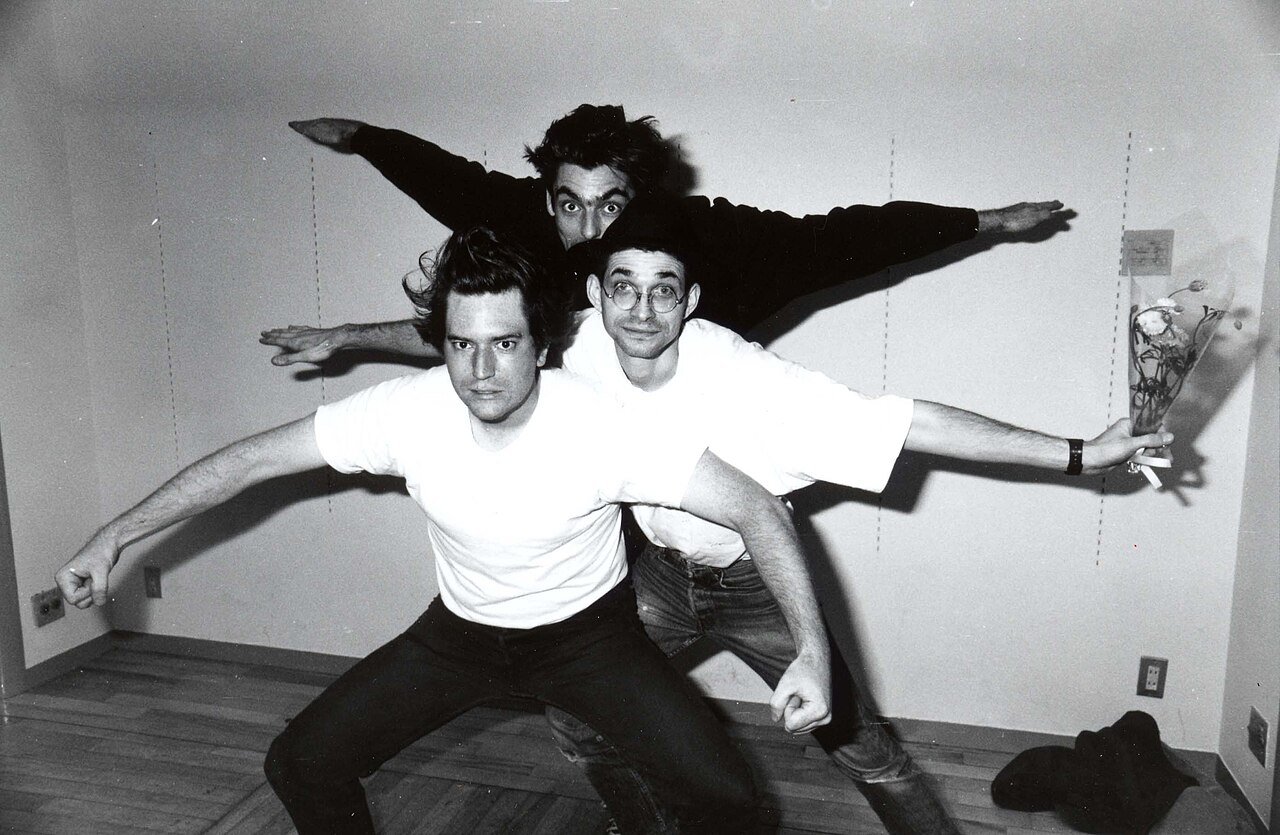
Lollapalooza 1993 is the freeze frame everyone keeps referencing, whether they realize it or not. That summer’s bill was a fever dream — Primus headlining, Alice in Chains, Tool on the side stage, Arrested Development, Rage Against the Machine when they still felt like a rumor. Pearl Jam had finished their 1992 run on the same tour, and the second-year crowd showed up in what the music had been telling them to wear for two solid years: thrifted men’s flannels, faded 501s with the knees gone, combat boots, and whatever band shirt they had been sleeping in.
The Retro Almanac
A monthly roundup of "on this day" highlights from that month, decades back — plus first dibs on new retro merch drops. No spam, just the good stuff.
There was no styling. There was no concept. The point was that you had not thought about it. Grunge was the first major youth aesthetic of the music-video era that explicitly refused to be an aesthetic, which is exactly the trait that made it impossible to kill. You cannot fully exorcise a look that defined itself by indifference to looking.
Fast-forward to 2024 Coachella weekend two. The styling on the field is the same blueprint — except the kids carrying it are eighteen, and their grandparents are the ones who were eighteen at Lollapalooza ’93. Generational rewind, exact wardrobe.
The Four Pieces Doing All the Work
Every revival has its anchor items — the pieces that, if you spotted them at a distance, would tell you instantly which decade you were looking at. Grunge has four, and all four are currently in heavy rotation.
The Flannel That Refuses to Die
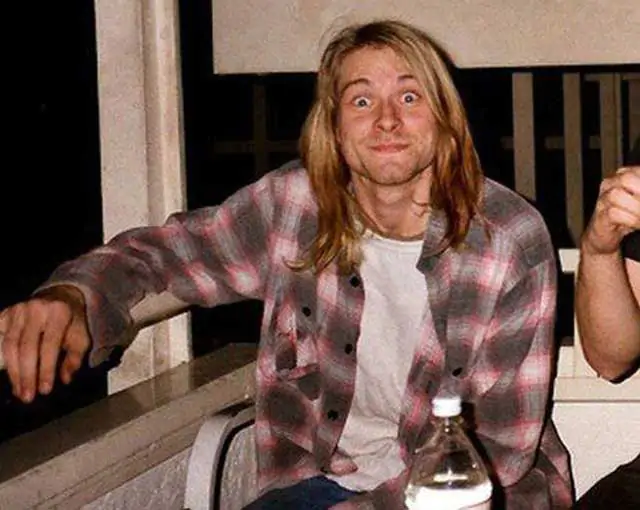
It is impossible to overstate how thoroughly the oversized flannel button-down has reattached itself to the under-thirty wardrobe. Eddie Vedder wore a brown Pendleton plaid for most of 1991 and 1992 and Kurt Cobain wore whatever was on the floor — usually a green-and-black grandpa shirt with a hole near the elbow. Their fans copied them. Then their fans’ kids copied the kids in the old photos. Three layers of inheritance and the shirt still works.
What changed in the 2020s revival is how the flannel is worn. The tied-around-the-waist trick — pure Lollapalooza muscle memory — came roaring back via TikTok around 2021. The unbuttoned, open-over-a-graphic-tee layering trick came back via Olivia Rodrigo and the Sour tour aesthetic. The just-thrown-on, sleeves rolled, three sizes too big approach came back via Phoebe Bridgers, Beabadoobee, and a generation of indie acts who treat the flannel as something between a stage costume and a security blanket.
Doc Martens 1460s, Still Winning
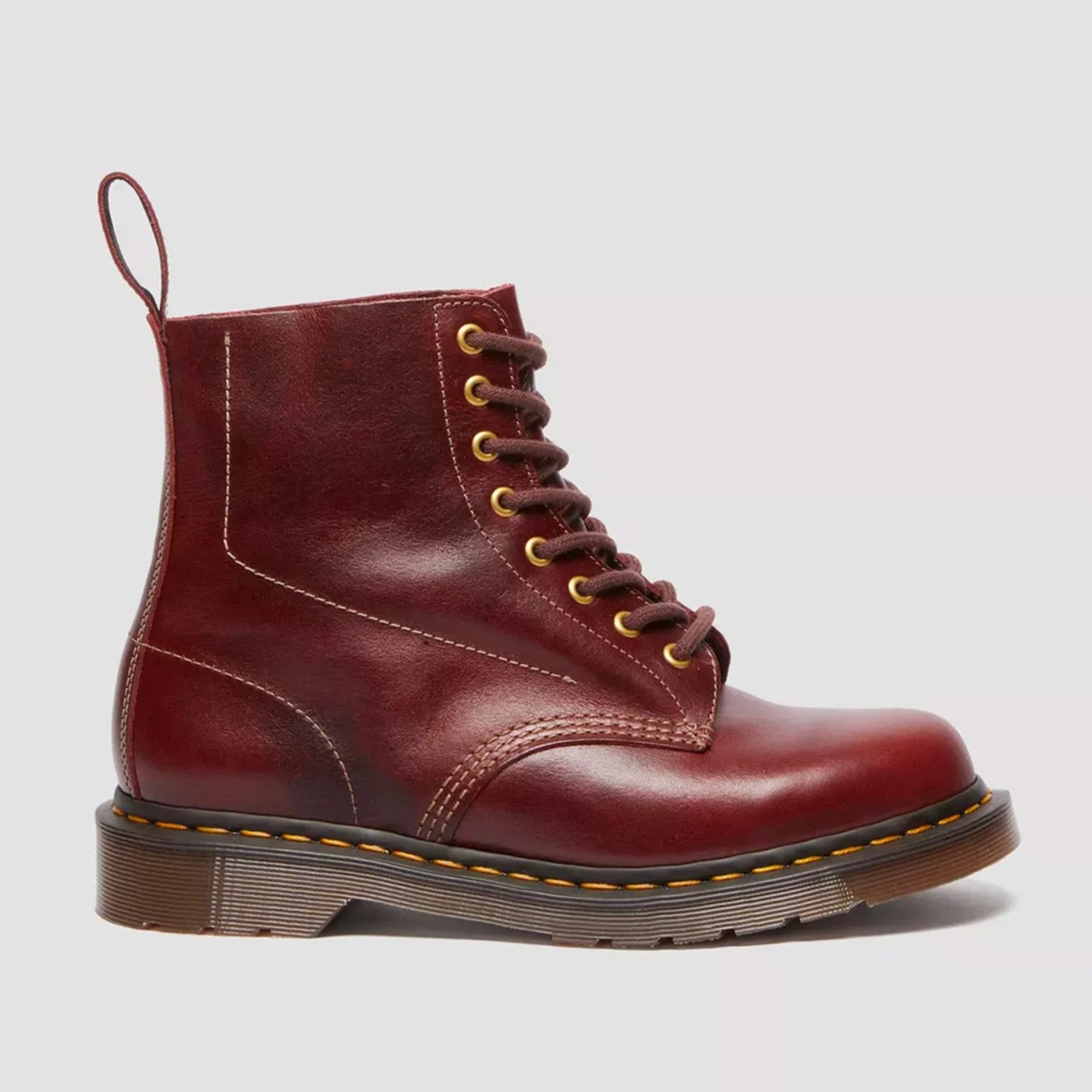
The eight-eyelet 1460 boot did not survive thirty years of fashion churn by accident. Doc Martens did the smartest thing a heritage brand can do — they refused to redesign the silhouette while quietly letting Gen Z rediscover it on its own. The boot Kurt Cobain laced in 1992 is the same boot a barista in Brooklyn laces in 2024. Same yellow stitching. Same air-cushioned sole. Same week of agonizing break-in.
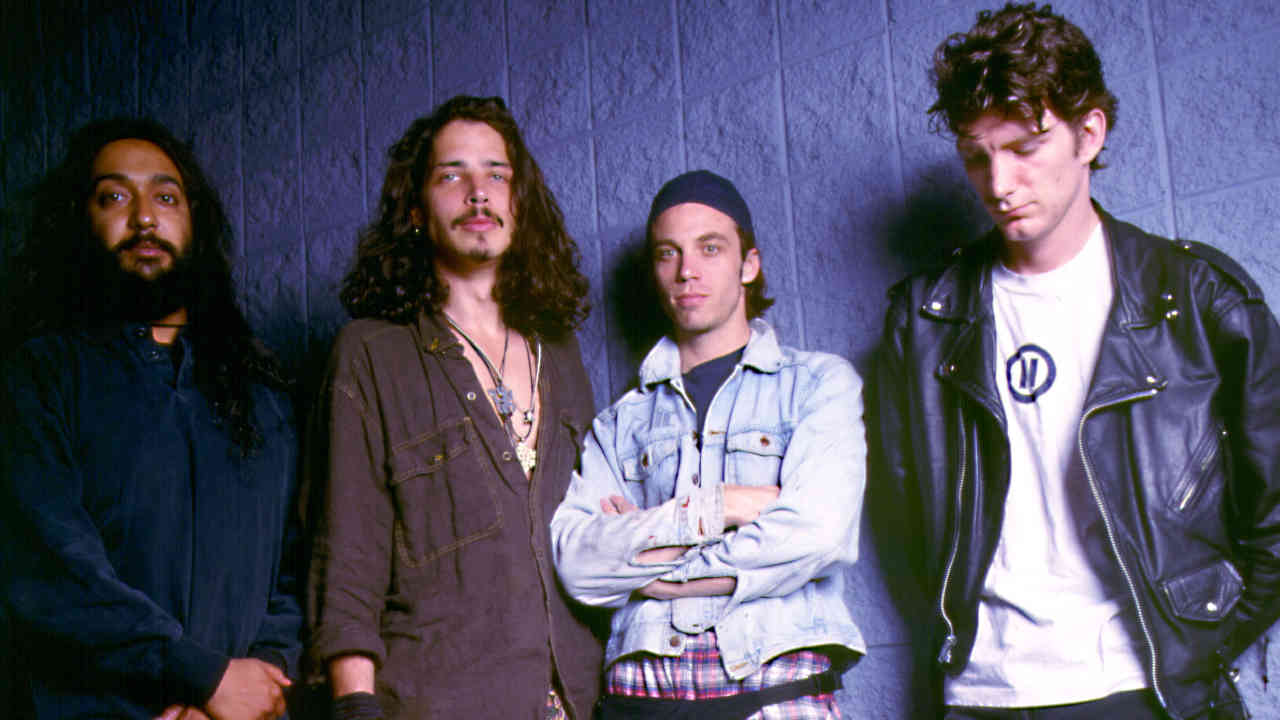
Sales numbers tell the same story. Doc Martens’ annual reports through the early 2020s read like a grunge nostalgia ledger — record revenue, the 1460 leading every market, North America posting back-to-back jumps coinciding almost perfectly with the streaming-era rediscovery of Nirvana, Pearl Jam, and Soundgarden by listeners under twenty-five.
Denim That Looks Like It Lost a Fight
Skinny jeans are dead and the obituary was written in baggy, frayed, factory-distressed denim. Look at any photograph of Kim Gordon during the Goo touring cycle or Krist Novoselic next to Cobain at Reading 1992 and the cut is identical to what’s on the rack at every mall in 2024: loose, slightly tapered, knees blown out, hem dragging on the ground until it shreds itself.
The difference is who is doing the destruction. In 1993 the holes were the cost of having owned the pants for three years. In 2024 you pay extra at the register for the holes. The market response to consumer demand for pre-damaged 90s-cut denim has been so intense that vintage Levi’s 501s and 550s — the actual grunge-era cuts — now command higher resale prices than most new designer denim. Depop and eBay listings for genuine 1990s 501s routinely close in the three-digit range.
The Slip Dress Layered Like It’s 1995
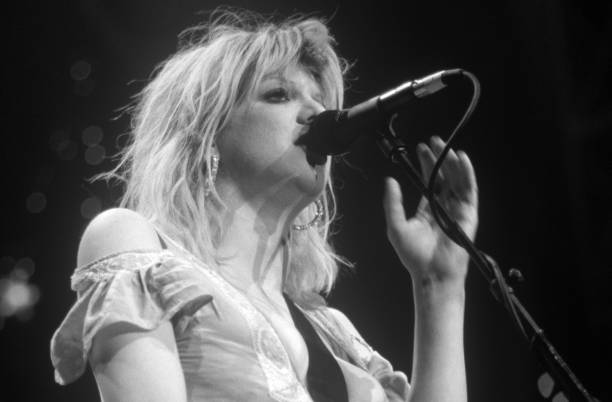
Courtney Love did it first and best — silk slip, ripped tights, combat boots, smudged red lipstick — and Hedi Slimane essentially built an entire decade of Saint Laurent runway shows on remixes of that exact silhouette. The 2024 version, worn by everyone from Bella Hadid to your niece, throws the slip over a baby tee or layers it under an open flannel. The styling is so faithful to the original you can flip back and forth between a 1995 Sassy magazine spread and a 2024 Vogue street-style gallery without immediately knowing which one you are looking at.
The Music Did the Heavy Lifting
Aesthetic revivals do not happen in a vacuum. Y2K came back because Britney and *NSYNC re-entered the streaming charts via nostalgia playlists. Disco came back because Daft Punk and then Dua Lipa rebuilt the production language. Grunge came back because Nirvana’s streaming numbers do not seem to obey the rules of time — “Smells Like Teen Spirit” passed two billion plays on Spotify, then crossed two and a half, and the average age of those listeners keeps trending downward instead of upward.
The artists driving the 2020s indie scene have made the lineage explicit. Phoebe Bridgers covered “Day of the Dead” with Lord Huron and has cited Elliott Smith as scripture. Beabadoobee built her early sound on direct nods to Pavement and Mazzy Star. Olivia Rodrigo’s “good 4 u” lifted the structural DNA of “Misery Business,” which itself owed everything to Hole’s “Celebrity Skin.” The chain is unbroken — and when the music has not changed shape, the clothes do not either.
Why Gen Z Found Grunge Without Looking For It
Here is the part that breaks Gen X brains a little: Gen Z did not have to dig for grunge the way Gen X had to dig for the Velvet Underground or punk. The algorithm did the digging. A teenager who watches one #thrifthaul TikTok in 2023 gets served fifty more, and by the third or fourth she is being told — by a 19-year-old in a flannel and Docs — that this is the look. The style filter on the For You page recreated the look book of an entire decade without the kids ever having to sit through the documentaries.
That is why the photographic match is so eerie. Previous revivals were filtered through current-era stylists who couldn’t help adding contemporary fingerprints — Y2K with skin-baring midi cuts that did not exist in 2002, 70s revival with skinny boho rather than the original wide-leg, 80s revival with body-conscious tailoring the actual 80s never had. The grunge revival skipped that filter. The kids were copying the source images directly, and they had the original raw materials — vintage flannels, vintage Levi’s, vintage Docs — flowing through Depop and Goodwill in volumes that made the look free or close to it.
The Festival Field as Time Machine
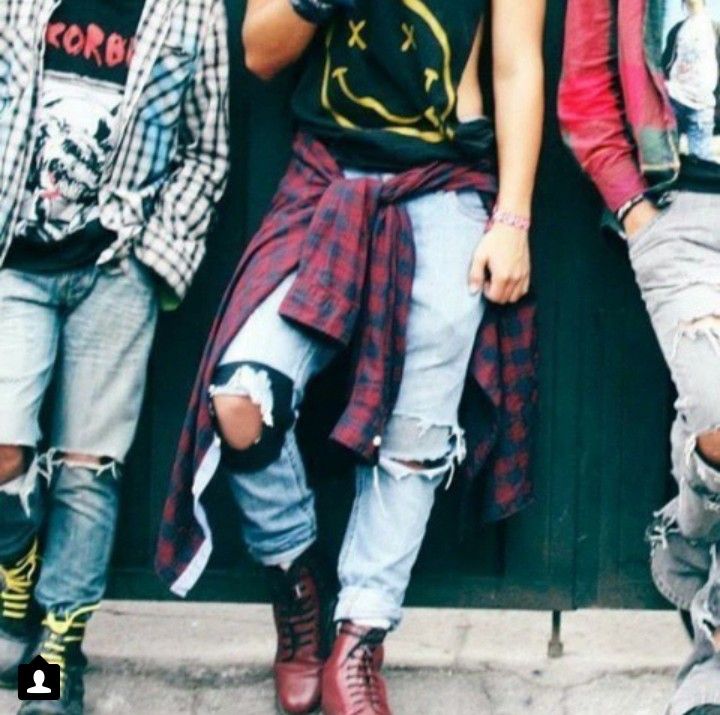
Walk the perimeter at Reading or Glastonbury or Coachella this summer and try the experiment yourself. Pick a kid in the crowd. Mentally subtract the smartphone in their hand. Picture them in a 1993 photograph instead of a 2024 one. There is nothing else to adjust. The hair is the same — center parts, slightly grown out, slightly greasy by Sunday. The makeup is the same — brown liner, mascara smudged from sweat or rain, lips bitten rather than glossed. The posture is the same — slouched, arms crossed over the band tee, shifting weight from one boot to the other.
For Gen X, the time-travel effect is uncanny in both directions. The clothes feel like our clothes — because in many cases, they literally are our clothes, recirculated through the vintage market. But the kids wearing them are not us. They are the children of the Lollapalooza kids, and they are wearing the wardrobe with no nostalgia attached because none of it ever felt dated to them. To Gen Z, grunge is not retro. It is contemporary. It just happens to use the clothes their parents already own.
The Loop That Refuses to Close
Fashion analysts keep predicting the grunge moment will pass — that the kids will move on to clean girl minimalism or coquettecore or whatever the next algorithmic pivot turns out to be. The clean girl moment came and went. Coquettecore came and went. The flannel is still on the rack. The boot is still on the foot. The slip dress is still layered over a tee.
What that suggests, three years into the resurgence, is that grunge has stopped behaving like a trend and started behaving like a permanent option — the way denim jackets did after the 50s or trench coats did after the 40s. The 1993 Lollapalooza uniform may have just been quietly absorbed into the standard rotation of what a young person looks like at a concert, forever. If that turns out to be the case, every festival photograph from now on is going to keep looking like a flashback. And the rest of us — the ones who were already there the first time — get to enjoy the strangest compliment a generation has ever paid us: they think we looked cool enough to copy completely.
Sources
Lollapalooza 1993 lineup and history (Wikipedia)
Grunge fashion overview (Wikipedia)
Dr. Martens official site
Vintage flannel shirts on Amazon
Doc Martens 1460 boots on Amazon
Browse retro and vintage-inspired apparel at the RetroRadical shop →
The Retro Almanac
A monthly roundup of "on this day" highlights from that month, decades back — plus first dibs on new retro merch drops. No spam, just the good stuff.