Hot Topic Was Right: The Flannel Aisle Never Closed
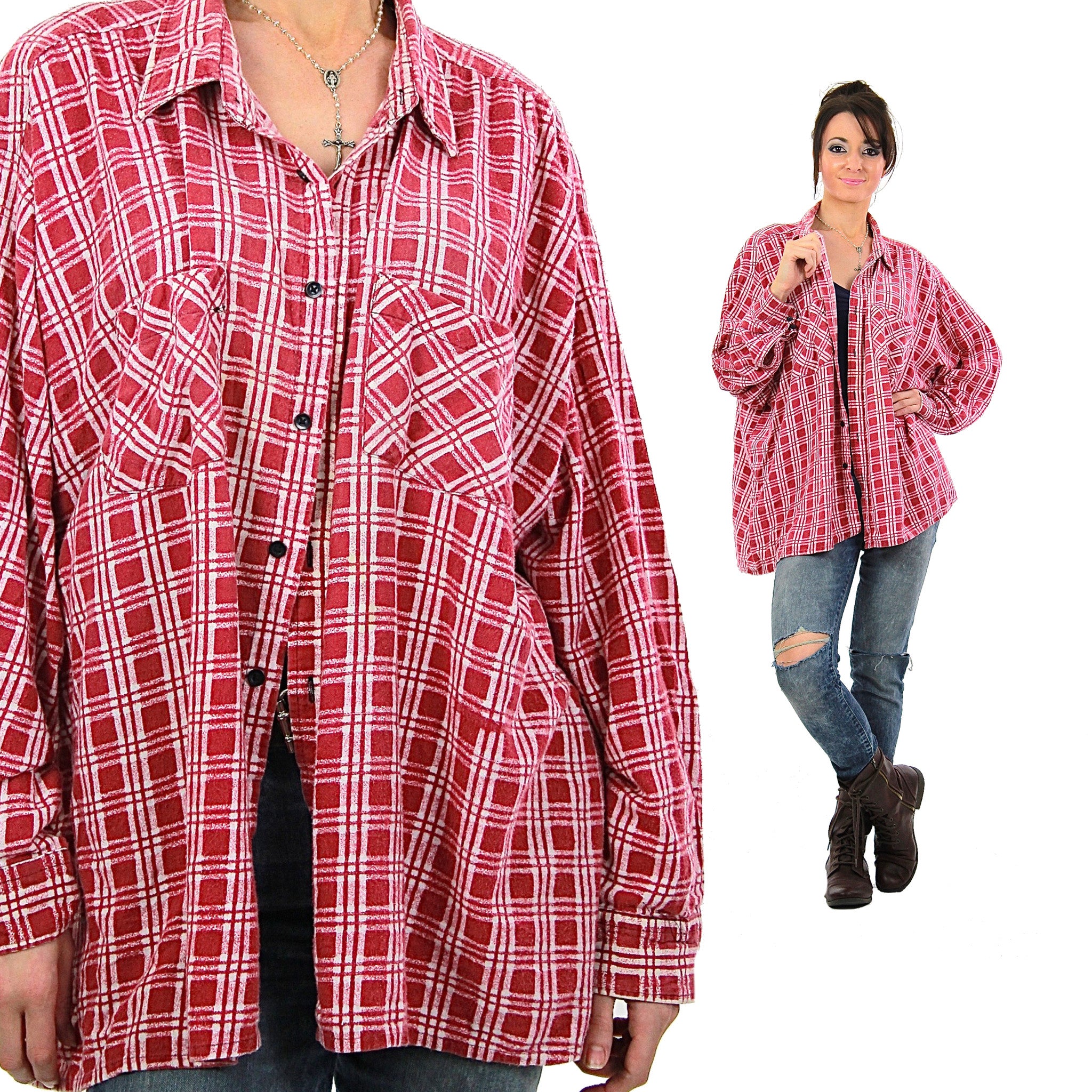
You walk into an Urban Outfitters in 2024 and the rack of oversized flannel hits you like a postcard from 1993. Plaid in every shade of muted forest. A bin of slouchy beanies next to ripped tights. A wall of Doc Martens facing the door. And it occurs to you, standing there in your Costco zip-up, that you are not witnessing a comeback. You are witnessing something that never actually left.
The False Funeral
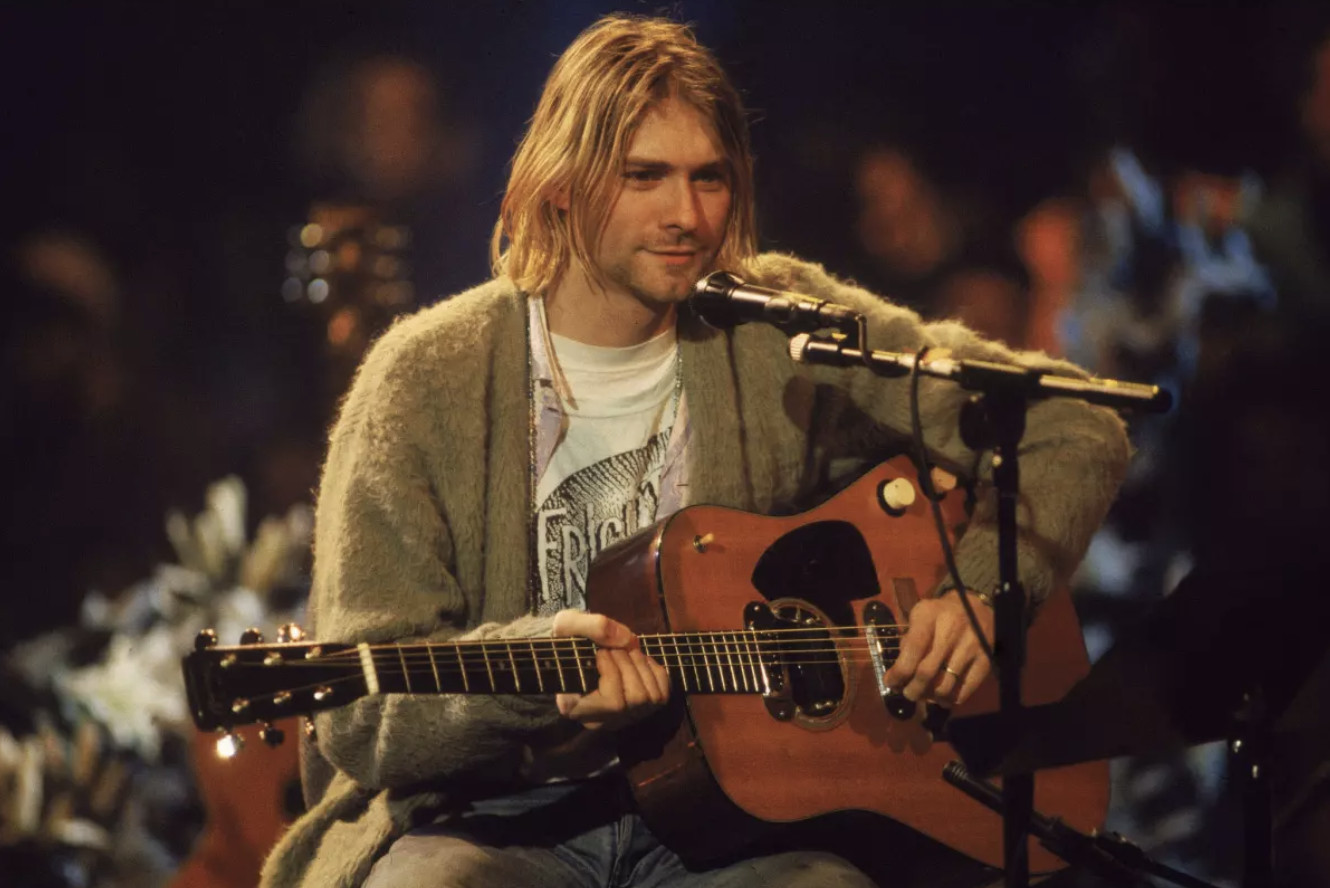
The fashion press declared grunge dead before the music did. By 1996, Vogue was running cover stories about the death of flannel and the rise of minimalism — sleek slip dresses, neutral palettes, the polished Calvin Klein silhouette. By the time Kurt Cobain had been gone two years, every magazine editor wanted to put grunge in a box and ship it to the museum.
It made for tidy copy. It also did not match what was happening in actual malls.
The Retro Almanac
A monthly roundup of "on this day" highlights from that month, decades back — plus first dibs on new retro merch drops. No spam, just the good stuff.
Hot Topic opened its first store in 1988 and by the late 90s had become the unofficial grunge embassy of the American suburb. While Vogue moved on to bias-cut satin, Hot Topic was selling Nirvana smiley face tees, Doc Marten knockoffs, and chain wallets to ninth-graders who had been four years old when Bleach came out. The economic logic was airtight: grunge was a wardrobe that worked for kids who had not yet earned the right to dress like adults. Soft, oversized, ironic, free of corporate logos. As long as middle school existed, this look had a customer base.

Hot Topic Kept the Lights On
Hot Topic gets dragged a lot now. Mall goth this, sellout that. The truth is that the chain kept the grunge aesthetic on commercial life support for roughly twenty years while the rest of fashion pretended it had died.
You could walk into a Hot Topic in 2003, 2009, 2014 — pick a year — and find a flannel shirt, a band tee, a pair of fishnet tights, and a chunky-soled boot. The store was a grunge museum that happened to still sell its exhibits. Everything was 30% off if you had the email list.
H&M and Forever 21 ran parallel programs, occasionally branding the same look as soft grunge, boho rocker, or festival edge. The product never really changed. A plaid shirt is a plaid shirt. The 19-year-old buying one in 2024 is wearing the exact same garment that a 19-year-old bought in 1994. Only the price tag and the country of manufacture moved.
The Doc Martens That Never Stopped Walking
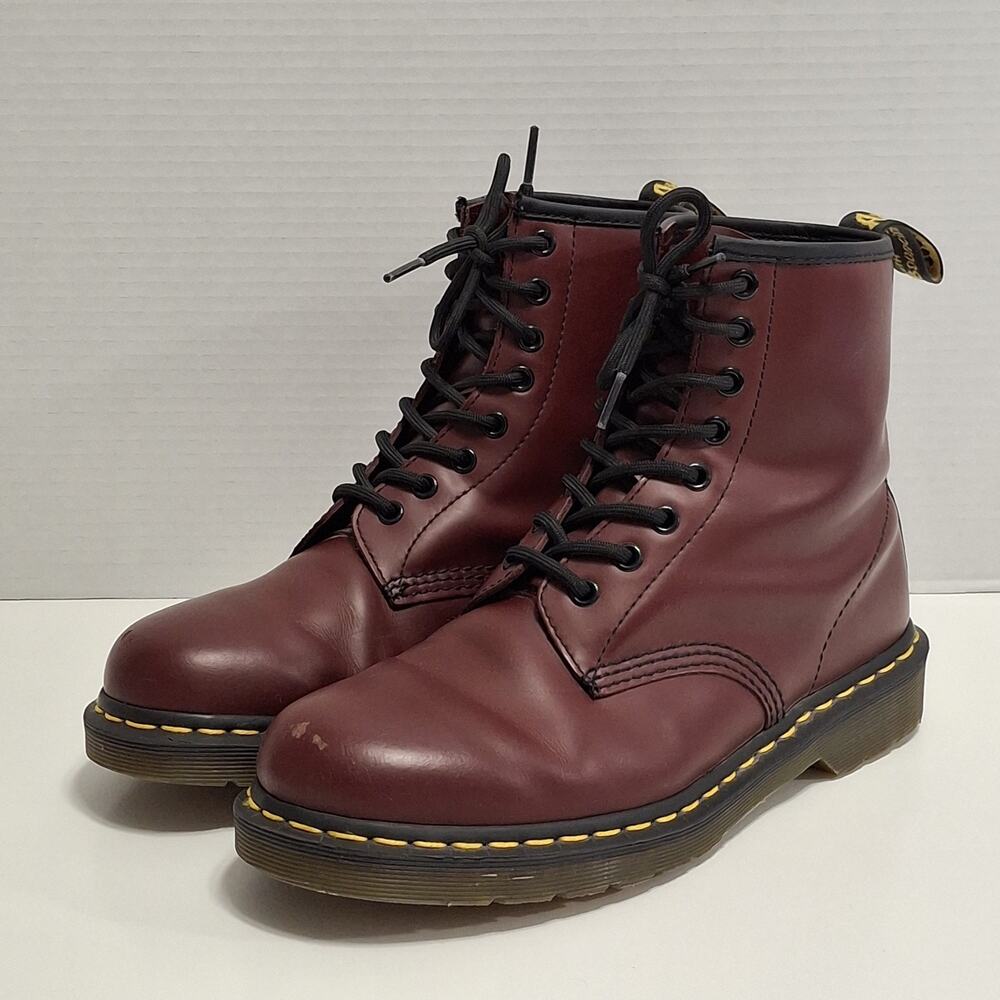
The story of Doc Martens during grunge’s so-called dead years is the story of how an aesthetic survives. Founded in 1947 in Germany, manufactured in Northamptonshire from 1960 on, the 1460 and 1490 boots became counterculture currency in the punk era and then crossed seamlessly into grunge by 1991. Eddie Vedder wore them. Courtney Love wore them. Every kid who saw a Pearl Jam video wanted them.
Then came the lean years. By 2003 the company was in serious financial trouble — Dr. Martens nearly went under and had to close its UK factory and outsource production. But the boots themselves never went out of style with the people who actually wore them. Goth kids, punk holdouts, art students, baristas, and English teachers in cardigan-heavy programs all kept buying.
By the late 2010s, Dr. Martens was a private equity success story. By 2021 the company went public on the London Stock Exchange. The boot that supposedly went out of fashion in 1996 spent the next 25 years quietly becoming a billion-dollar wardrobe staple. Every Gen Z teenager unboxing a pair of cherry red 1460s on TikTok is shopping at a brand that survived two recessions and a pandemic on the back of an aesthetic the fashion world had eulogized.
The financial proof is in the numbers no one wanted to publish during the grunge “death” years. Dr. Martens reported revenue of roughly £58 million when it was nearly bankrupt in 2003. By 2021 it floated at a £3.7 billion valuation. Hot Topic crossed $700 million in annual sales in the same window the fashion press kept declaring the look dead. Two billion dollars of wardrobe revenue does not move on aesthetic momentum alone — it moves because the kids never stopped showing up at the cash register.

Tumblr’s Soft Reset
The first official revival did not come from a runway. It came from Tumblr around 2012.
Soft grunge was a self-conscious teen aesthetic — pastel hair, dark lipstick, daisy crowns layered over Nirvana tees, Doc Martens with floral dresses. It was grunge filtered through the Polaroid-VSCO interface and softened for the high school self-portrait. Marc Jacobs’s notorious 1993 grunge collection for Perry Ellis — the one that famously got him shown the door — became a Tumblr-era touchstone, shared in moodboards by teenagers who had never heard of Perry Ellis.
This was the bridge. The kids posting soft grunge moodboards in 2013 grew up to be the 25-year-olds dressing the 16-year-olds on TikTok in 2024. The look never had to be reintroduced. It had been incubating in a high school bedroom for a decade.
TikTok Picked Up the Distortion Pedal
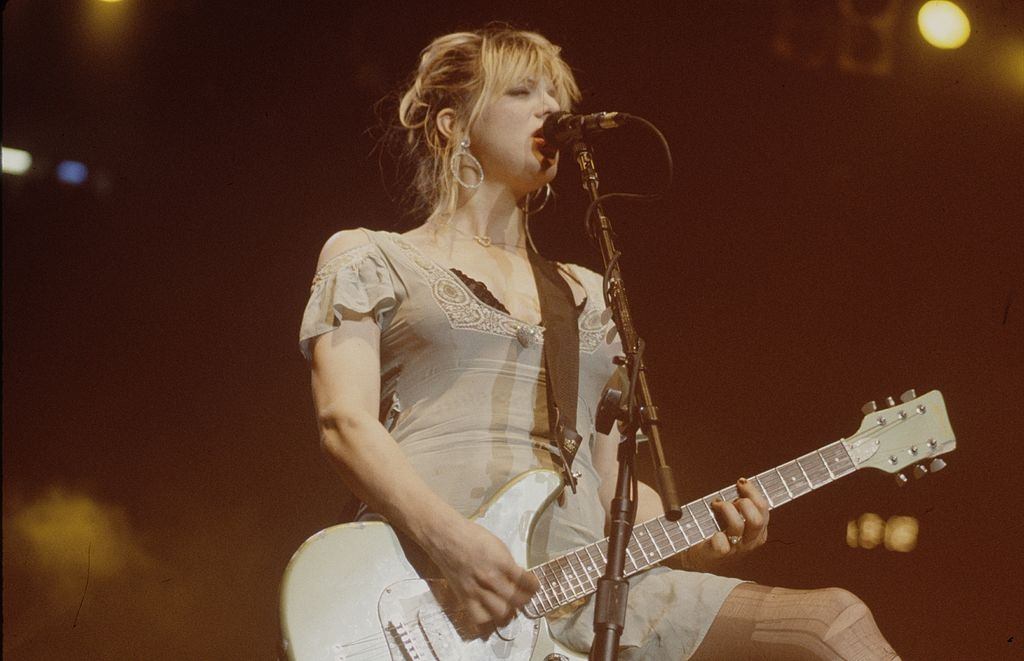
By 2022 the algorithm had taken over. Search grunge on TikTok now and you get a firehose: plaid skirt and knee sock looks, oversized flannel layering tutorials, Doc Marten styling videos, OOTDs scored to Pixies and Hole songs that have suddenly racked up new Spotify streams thirty years after release.
Olivia Rodrigo is sometimes credited with single-handedly bringing grunge back to mainstream pop. That credit is generous. What she did was put a megaphone on something already happening at the high school cafeteria level. Her sour album cover — purple hair, choker, sticker bombs — could have been a 1995 zine cover. The kids recognized the look because Hot Topic and Urban Outfitters had been carrying it the whole time.
Depop, Vinted, and Poshmark accelerated everything. The resale economy turned every closet purge into a curated 90s grunge shop. A 1994 Pearl Jam tour shirt that someone’s dad bought for twenty-five dollars at the Tacoma Dome now sells for several hundred dollars on Depop, listed with the same reverence as a Comme des Garçons piece.
Why It Won’t Die This Time
Here is the unsentimental version. Grunge fashion is durable in the literal sense. A flannel shirt lasts decades. Doc Martens are designed to outlive the wearer. Levi’s 501s are a 150-year-old garment. Combat boots, ringer tees, plaid skirts, slip dresses, denim cutoffs — these are not seasonal trend items. They are American workwear and British military surplus dressed up in mascara.
Quiet luxury and cottagecore and Y2K all had their viral moments. Each one required an entirely new wardrobe and a new color palette and a new vocabulary of accessories. Grunge required a trip to your closet. Or your parents’ closet. Or a thrift store. The barrier to entry is approximately zero dollars and the social cost is approximately zero embarrassment, because every generation since 1991 has agreed that flannel looks cool.
The fashion industry’s dirty secret is that the most profitable trends are the ones that recycle the cheapest existing garments. Grunge is the apex predator of that ecosystem. A plaid shirt sourced for two dollars in Bangladesh and sold for forty in SoHo is the platonic ideal of a fashion business model.
The Real Reason Your Niece Wants Your Old Flannel
A lot of think pieces have framed the grunge resurgence as economic anxiety, generational rebellion, or anti-luxury backlash. All of those are partly true and partly post-hoc storytelling.
The simpler explanation is that flannel is comfortable, Doc Martens are durable, plaid skirts are flattering, and band tees are cool. Each one of those statements has been true for three decades and shows no sign of becoming untrue.
Your 16-year-old niece is not making a political statement when she asks if she can have your 1994 Pearl Jam tour shirt. She just thinks it looks better than anything she can buy at the mall. And on the mall point, she is probably right. The shirt she would get at the mall today is a 2024 reissue of a 1994 design, printed on softer cotton, sold for triple the original price.
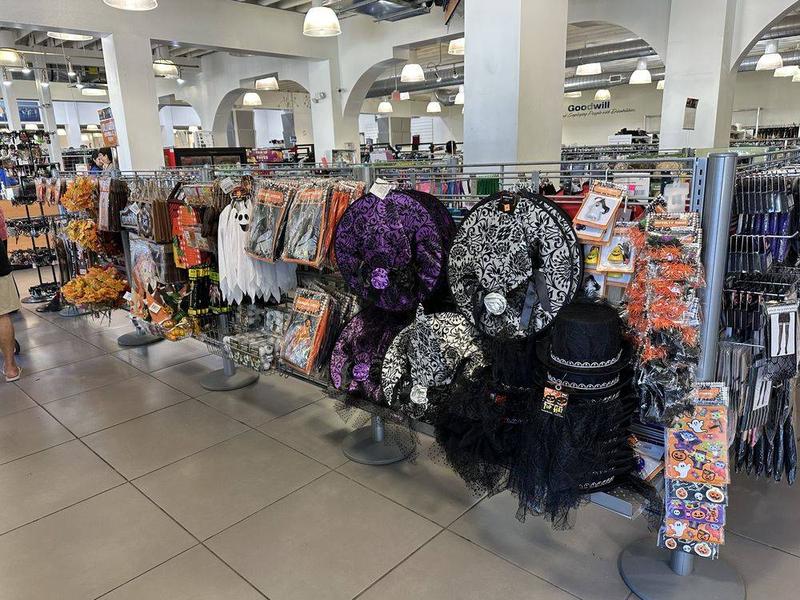
She is going straight to the source. Which is what grunge kids did in 1991 when they walked into Goodwill and bought their dads’ flannel shirts because that was all they could afford. The aesthetic was born in a thrift store and it has been quietly walking back there ever since.
That is not a comeback. That is just the way some clothes refuse to leave.
Sources
- Wikipedia — Grunge
- Wikipedia — Dr. Martens
- Wikipedia — Marc Jacobs
- Sub Pop Records
- Vintage flannel shirts on Amazon
Browse retro and vintage-inspired apparel at the RetroRadical shop →
Shop on Amazon
Retro Collectibles on Amazon →
As an Amazon Associate we earn from qualifying purchases.
Shop on eBay
Retro Collectibles on eBay →
We may earn a commission when you shop through our eBay links.
The Retro Almanac
A monthly roundup of "on this day" highlights from that month, decades back — plus first dibs on new retro merch drops. No spam, just the good stuff.