Cross Colours, Karl Kani, and the Rappers Who Redressed America
There was a moment in the early 1990s when you could tell exactly what someone listened to just by looking at their feet. Untied Timberlands meant one thing. A pair of pristine Air Force Ones meant another. A jacket splashed in red, yellow, and green with the words “Educate to Elevate” stitched inside the collar told you everything about where a kid’s head was at. This wasn’t fashion trickling down from Paris runways. This was the opposite — style bubbling up from Brooklyn stoops, Compton driveways, and Oakland parking lots until it climbed all the way to the top and refused to leave. The Golden Age of hip-hop (1990–1999) didn’t just change what America heard. It changed what America wore.
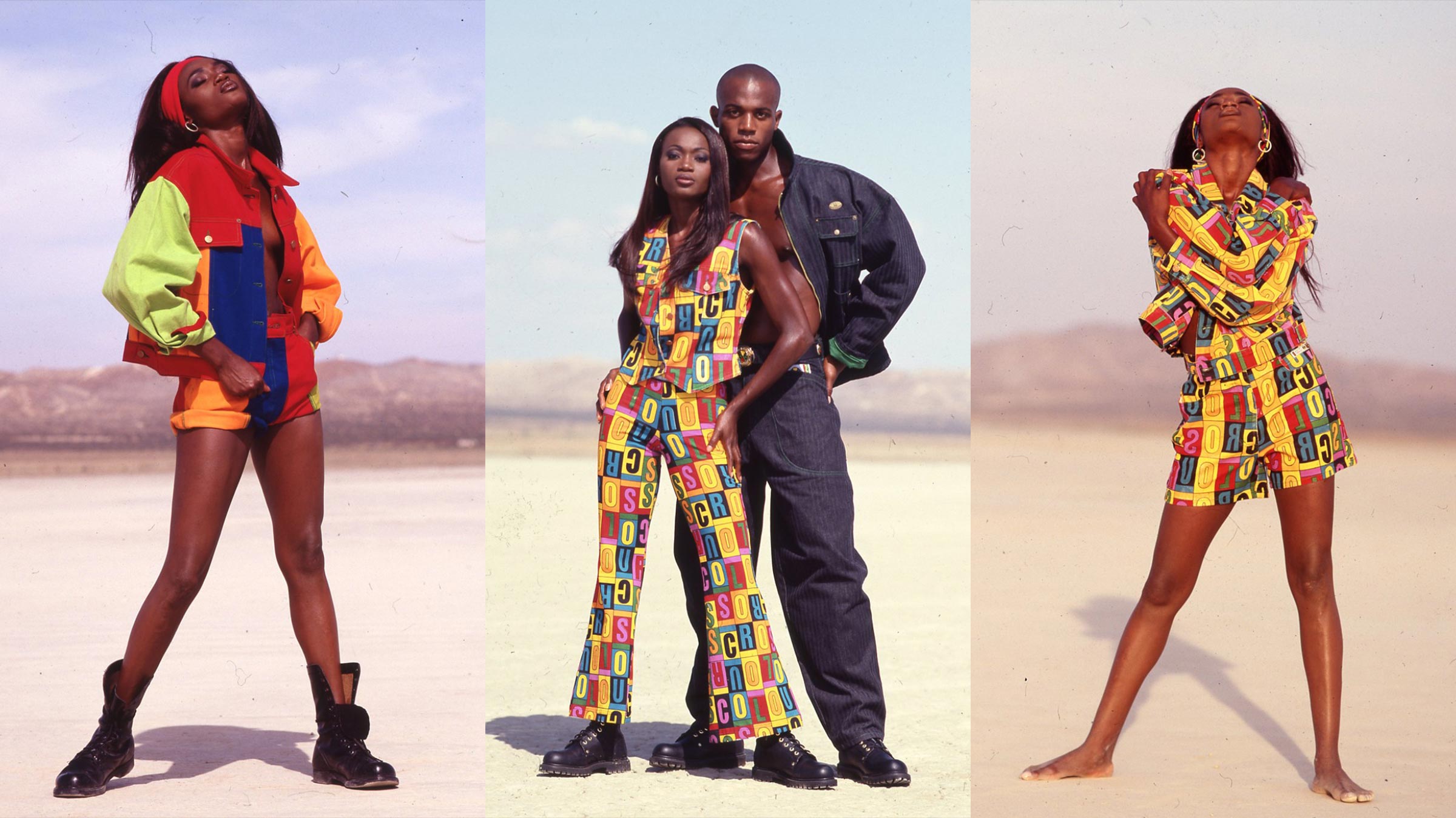
And it happened fast. In the span of a single decade, a culture that had almost no presence in department stores went from being ignored by the fashion industry to becoming the fashion industry’s most valuable and most imitated source of ideas. Kangol went from a golfer’s hat to a rapper’s crown. Timberland sold work boots to people who had never seen a construction site. And a handful of Black-owned labels proved that the culture didn’t need permission to dress itself — it could build the whole closet from scratch.
Before the Logos: Where the Look Came From
To understand golden-age style, you have to rewind to the late 80s, when the uniform was still being assembled piece by piece. LL Cool J had already turned the Kangol bucket hat and the sheepskin coat into an announcement. Run-DMC had made unlaced Adidas Superstars famous enough to earn a sneaker endorsement deal — the first of its kind for a group that wasn’t an athlete. Slick Rick draped himself in so much gold he looked like a walking Fort Knox. The pieces were there, but they were borrowed: sportswear, workwear, luxury logos lifted and remixed into something the brands themselves never intended.
The Retro Almanac
A monthly roundup of "on this day" highlights from that month, decades back — plus first dibs on new retro merch drops. No spam, just the good stuff.
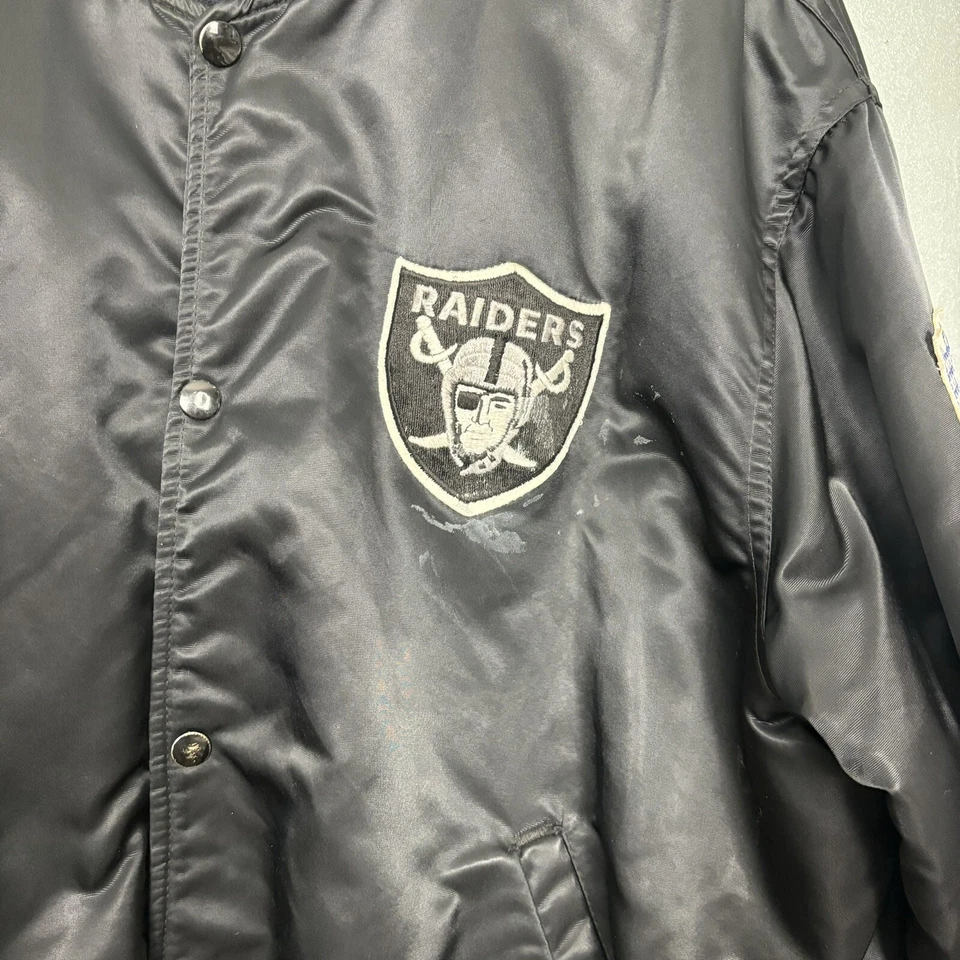
That remix instinct is the whole story. Hip-hop fashion has always been about taking objects meant for one purpose and loading them with new meaning. A Starter jacket was designed to keep a stadium crowd warm. In the early 90s it became a status symbol so coveted that kids saved for months to own the right team’s colors. The Raiders’ silver-and-black — adopted by N.W.A and Ice Cube — turned a middling Los Angeles football franchise into the most-worn logo in rap, not for its record but for its menace.
Cross Colours Painted the Culture in Primary Colors
If one brand kicked the door open, it was Cross Colours. Founded in Los Angeles in 1989 by Carl Jones and T.J. Walker, it arrived with a mission statement stitched right into the tag: “Clothing Without Prejudice.” The pieces were impossible to miss — hugely oversized, cut in bold blocks of red, yellow, and green that nodded to Pan-African colors, and covered in slogans about staying in school and stopping the violence. This was clothing that talked.
By 1992, Cross Colours was everywhere. Will Smith wore it week after week on The Fresh Prince of Bel-Air, beaming those neon color-blocks into millions of living rooms. TLC layered it into their videos. Kris Kross flipped it — literally, wearing it backwards — and made the look a national craze. The brand reportedly hit around $90 million in sales at its peak, an almost unthinkable number for a young Black-owned label that the traditional fashion establishment had barely acknowledged. Cross Colours proved the demand had been sitting there the whole time, waiting for someone to serve it.
Karl Kani Put a Name on the Jeans
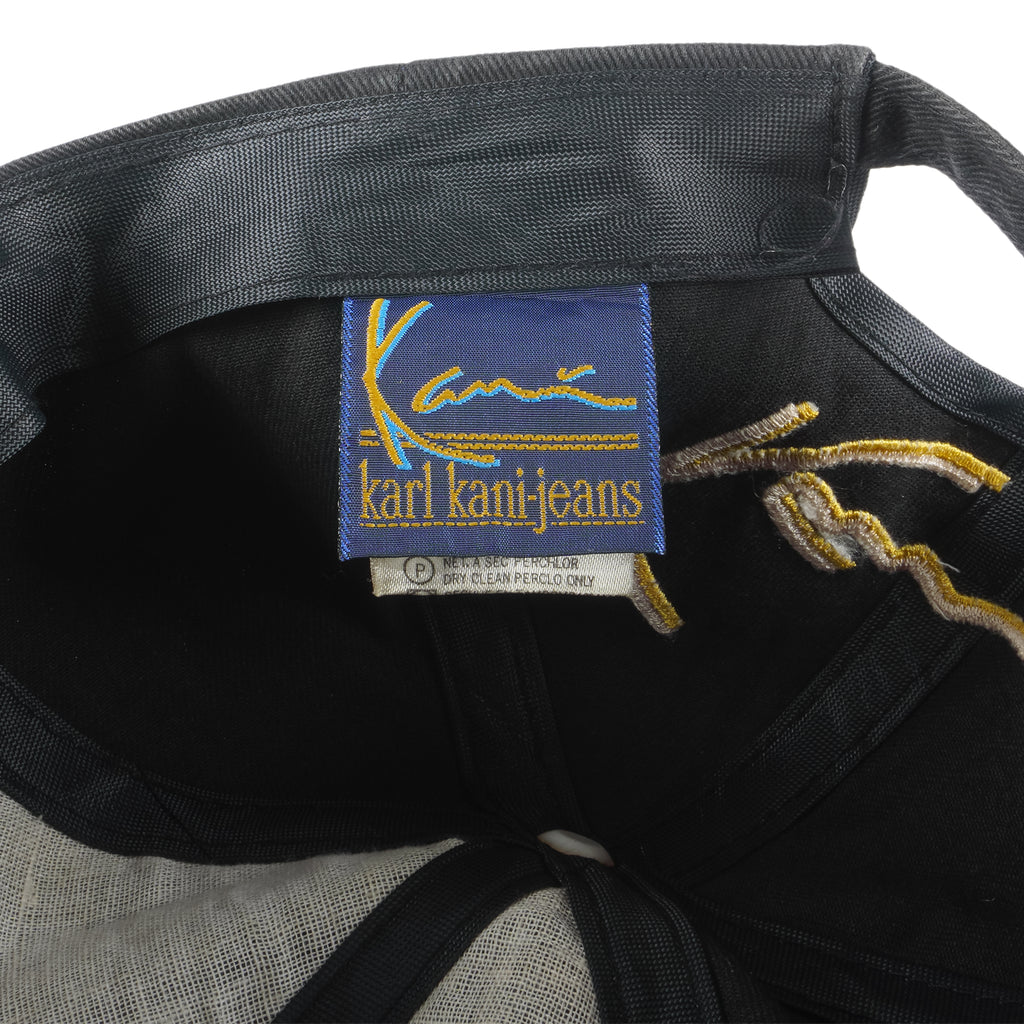
Where Cross Colours shouted, Karl Kani signed his name. The Brooklyn-born designer — born Carl Williams — had a simple, radical idea for the era: a young Black man could put his own name on a pair of jeans and build a brand around it. The Karl Kani logo, scrawled in that unmistakable signature script, went on baggy denim and became one of the defining silhouettes of the decade. The fit was loose, low, and stacked over the boot, and for a stretch in the mid-90s it was the jean.
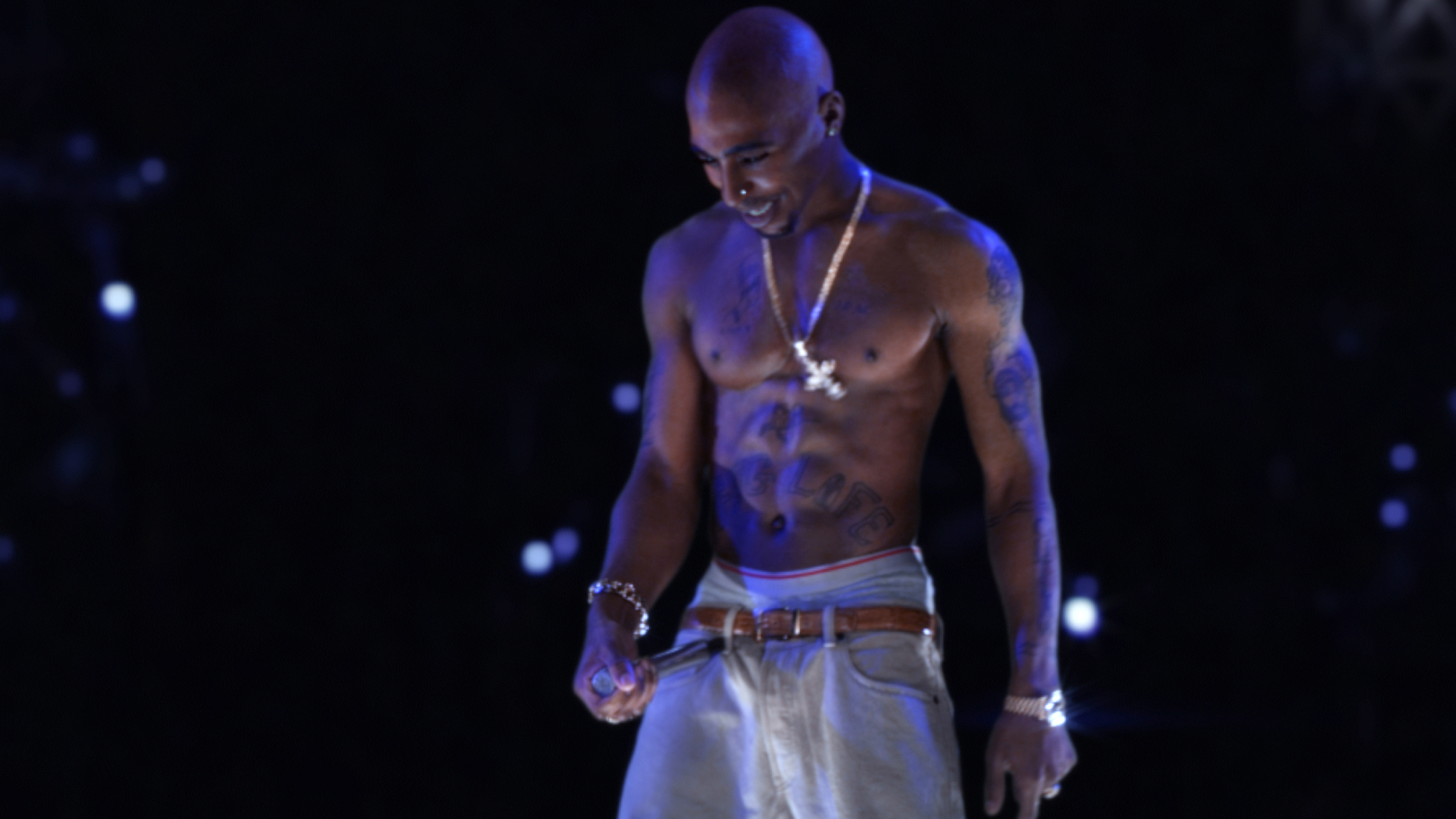
Kani understood the power of the co-sign before the word existed. A famous 1994 ad campaign featured a young Tupac Shakur, and the images of Pac in Kani denim did as much for the brand as any billboard ever could. The label pulled in serious money and, more importantly, planted a flag: the founder was the face, the name was the point, and ownership was the message. Every streetwear entrepreneur who followed — and there were thousands — was walking through a door Karl Kani had propped open.
Timbs Up: Boots, Boombox Nights, and the Grimy Aesthetic
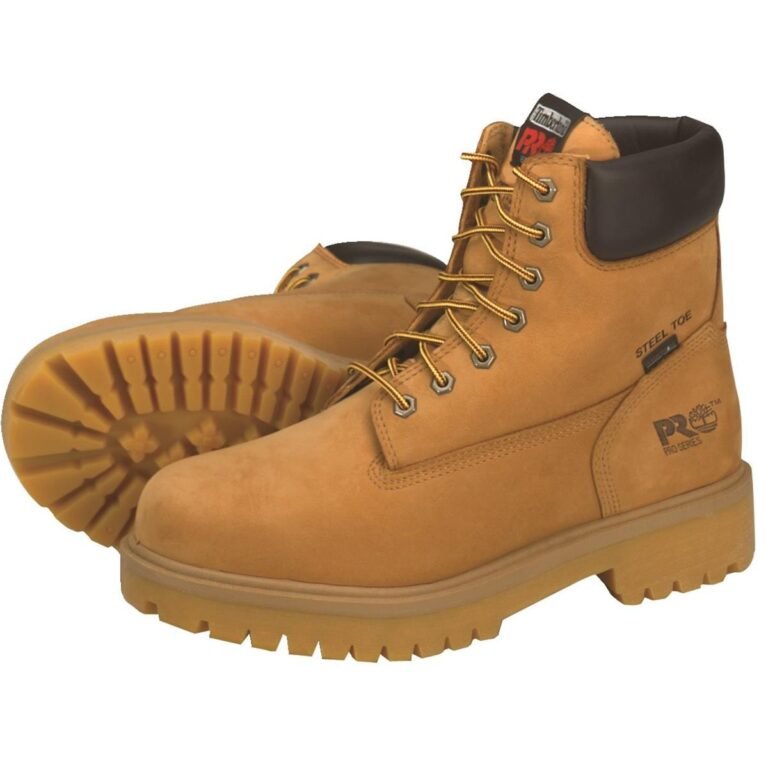
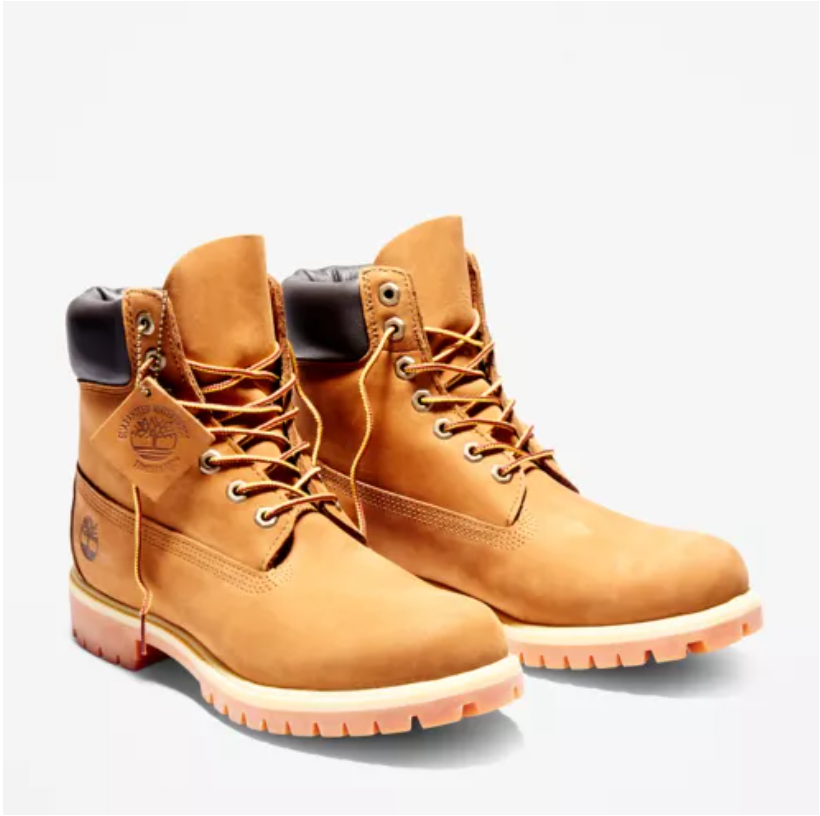
As the decade hardened, so did the look. The sunny color-blocks of the early 90s gave way to something colder and tougher, and no object captured that shift better than the Timberland boot. Built for New England loggers and dockworkers, the wheat-colored “6-inch premium” boot got adopted by the New York rap scene for entirely different reasons — it was rugged, it was warm on a winter block, and it looked hard. Mobb Deep, Nas, Wu-Tang Clan, and the whole East Coast movement made Timbs as essential as a notebook of rhymes.
The brand famously had a complicated relationship with its most influential customers — Timberland was slow, at first, to embrace a market it hadn’t courted. It didn’t matter. The culture had already decided. Paired with baggy denim and a hoodie, the boots became shorthand for a whole regional identity, the grimy, sample-heavy, boom-bap New York sound made visible. If Cross Colours was the culture at its most hopeful, the Timb-and-hoodie uniform was the culture at its most guarded and grown.
FUBU and the Moment Ownership Became the Message
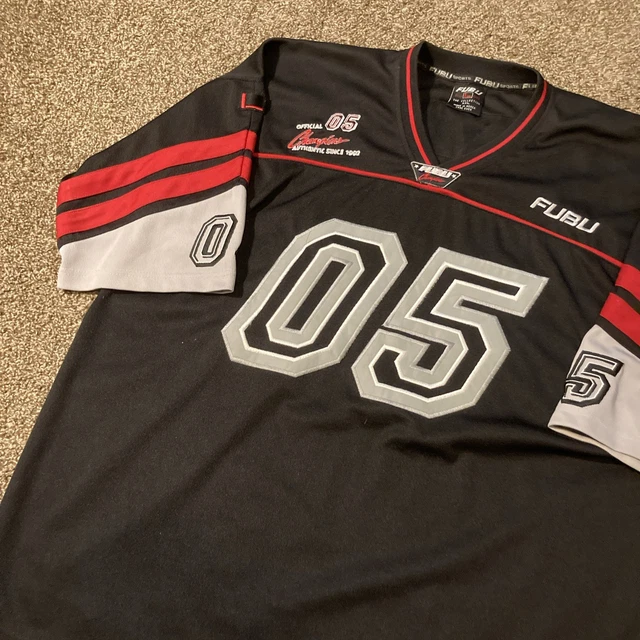
If Karl Kani whispered “ownership,” FUBU put it in the name. The acronym stood for “For Us, By Us,” and the Queens-based label — started by Daymond John and three partners, reportedly stitched together at first on John’s mother’s kitchen table — turned that phrase into a movement. The brand’s breakthrough moment is the stuff of legend: LL Cool J wore a FUBU hat in a 1997 Gap commercial and slipped the line “for us, by us” into the spot, essentially advertising a rival brand inside a major corporation’s own ad. It was the kind of guerrilla co-sign money couldn’t buy.
By the late 90s, FUBU’s rugby shirts, jerseys, and bold block logos were pulling in hundreds of millions in annual sales. The success wasn’t just commercial — it was symbolic. Here was a Black-owned company selling to its own community and then to everyone else, on its own terms, without an established fashion house pulling the strings. The golden-age closet had come full circle: what started as remixing other people’s logos ended with the culture manufacturing its own.
The Accessories That Did the Talking
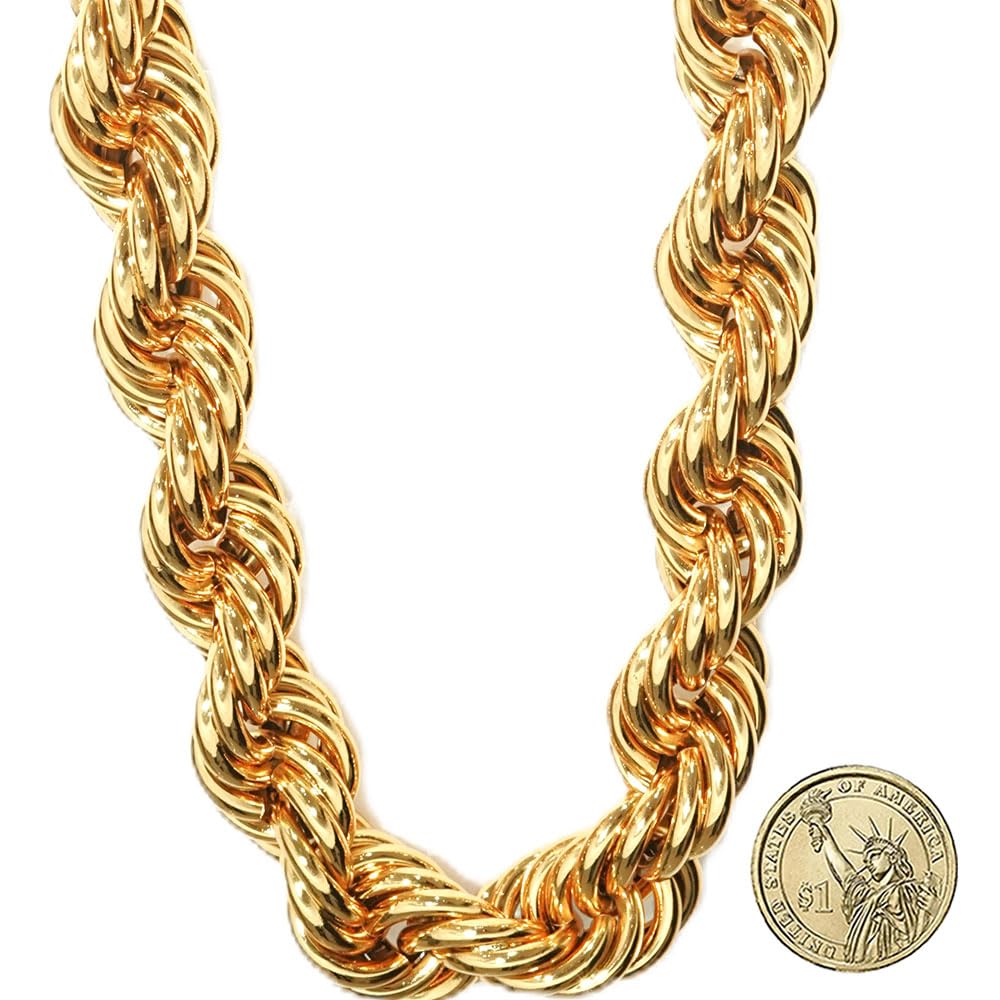
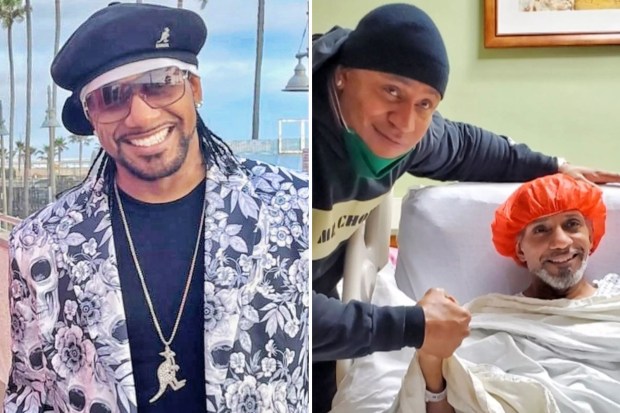
The clothes set the silhouette, but the accessories carried the attitude. Gold was the language of choice, and it came in dialects. The thick rope chain — the “dookie” rope — hung heavy from the necks of everyone from Eric B. & Rakim to Big Daddy Kane, so substantial it read as armor. Africa medallions, popularized by the Native Tongues collective and X-Clan, turned jewelry into a statement of consciousness and heritage rather than pure flash. And nobody worked a hat like the golden age did.
The Kangol — that soft, dome-shaped cap with the little kangaroo logo — became so tied to hip-hop that people forgot it started as British golf-and-tennis wear. Door-knocker earrings and nameplate necklaces gave the women of hip-hop, from Salt-N-Pepa to MC Lyte, a signature that was every bit as sharp as the men’s. These weren’t afterthoughts. In a culture built on individuality, the accessory was the punctuation mark — the detail that turned a generic outfit into a personal statement.
Why the Golden Age Look Never Really Left
Here’s the part that still amazes anyone who lived through it: none of this went away. It just got expensive. The oversized fits, the logo-forward denim, the untied boots, the layered gold — every one of those ideas was eventually studied, sampled, and re-sold by the same luxury houses that ignored the culture in the first place. When a designer sends baggy jeans and chunky chains down a runway today, they are quoting a decade of kids who figured it all out first with a Starter jacket and a rope chain.
The deeper legacy is the blueprint. Cross Colours, Karl Kani, and FUBU showed a generation that you could build an empire out of your own name and your own community, no gatekeeper required. That lesson outlived the specific silhouettes. Every artist-founded label and celebrity sneaker line that followed owes a debt to the golden age, when a handful of young people decided that if the fashion world wouldn’t dress them, they’d dress the fashion world instead. They did. And America is still wearing the results.
Sources
- Cross Colours — Wikipedia
- Karl Kani — Wikipedia
- FUBU — Wikipedia
- Hip-Hop Fashion — Wikipedia
- Smithsonian Magazine
Want to rebuild the closet? You can still find the classics — Karl Kani denim, FUBU jerseys, and classic Timberland boots are all a search away.
Browse retro and vintage-inspired apparel at the RetroRadical shop →
The Retro Almanac
A monthly roundup of "on this day" highlights from that month, decades back — plus first dibs on new retro merch drops. No spam, just the good stuff.