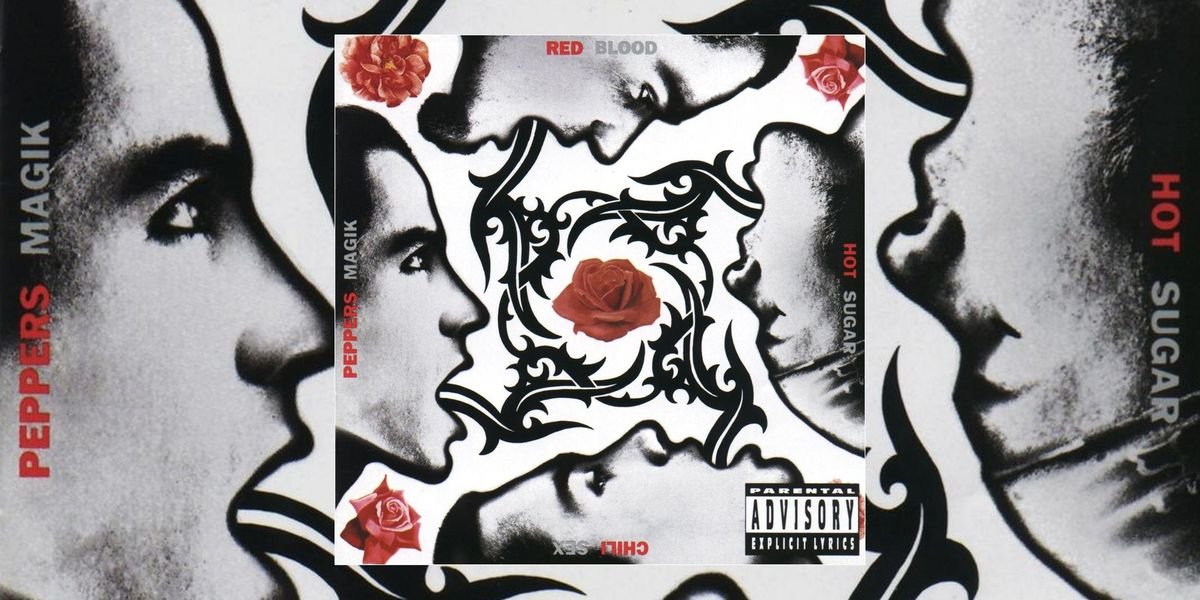
On This Day: September 24, 1991 — Red Hot Chili Peppers Release Blood Sugar Sex Magik
Rick Rubin had never produced an album outside a proper studio before, and he picked a strange place to start: a ten-bedroom Mediterranean-style mansion at the top of Laurel Canyon Boulevard, rented for the spring of 1991. Anthony Kiedis, Flea and John Frusciante moved in for two months of basic tracking. Drummer Chad Smith did not. He drove home every night on his motorcycle, unwilling to sleep in a house the rest of the band swore was haunted by the woman who supposedly died there in the 1930s.
Love the retro era? Browse our shop for vintage finds, retro clothing, and 80s/90s nostalgia gear.
🛒 Visit the Retro Radical Shop →
The Retro Almanac
A monthly roundup of "on this day" highlights from that month, decades back — plus first dibs on new retro merch drops. No spam, just the good stuff.
Rick Rubin’s Haunted Gamble
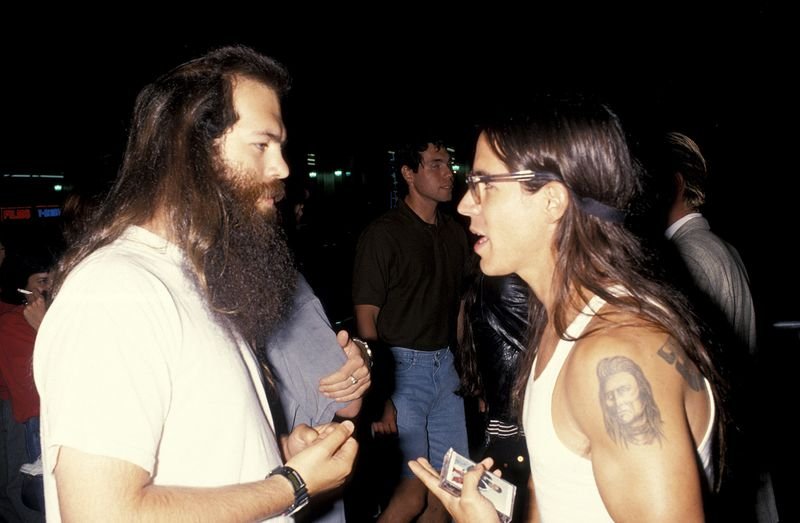
Rubin had made his name producing Def Jam rap and Slayer thrash records, not funk-punk. When the Chili Peppers signed to his American Recordings imprint after leaving EMI, he told them he wanted to strip away the polish that had smoothed out 1989’s Mother’s Milk. His fix was moving the whole operation into the house he’d later name The Mansion, setting up a recording console in the living room while Kiedis tracked vocals upstairs in his bedroom. There was no separation between living and recording — the band ate, slept and wrote in the same rooms where the tape was rolling, and Rubin believed that closeness would show up in the performances.
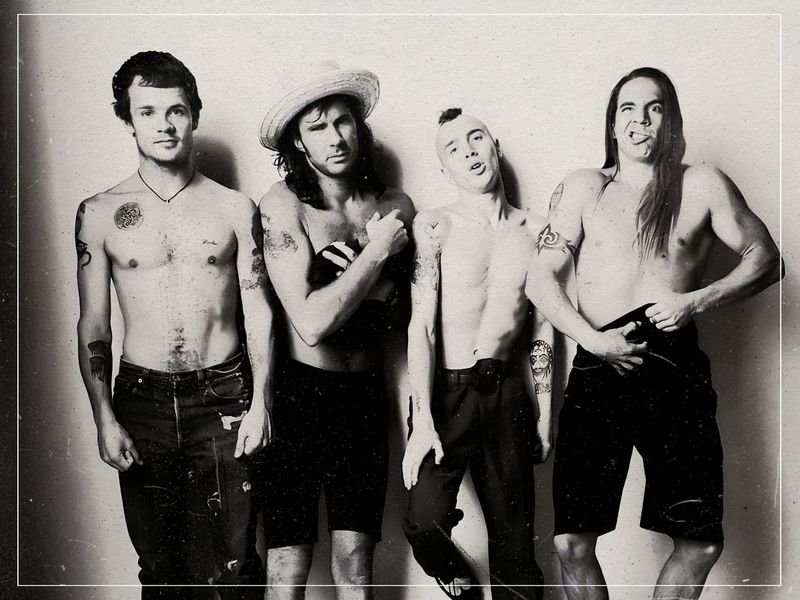
It worked in ways nobody fully planned. Flea has said in later interviews that the mansion’s strange energy — creaking floors, cold spots, the recurring rumor about Houdini’s widow — pushed the band toward material more vulnerable than anything they’d written before. A metal orb of light appears in one frame from the band’s group photo session that year, and to this day the Chili Peppers half-jokingly credit it to whatever else was living in that house with them.
The Song Kiedis Almost Didn’t Show the Band
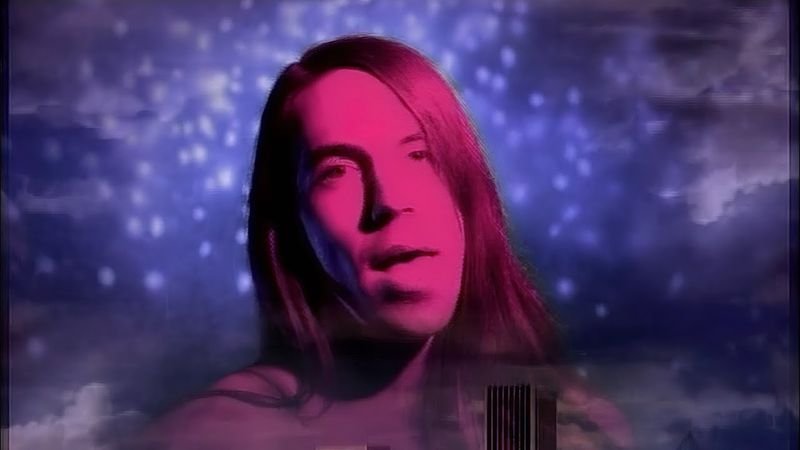
“Under the Bridge” started as a private poem, not a Chili Peppers song. Kiedis wrote it after a night driving alone through downtown Los Angeles, overwhelmed by loneliness and circling back toward the heroin habit that had already cost him his spot in the band once before. He kept the lyrics in a notebook and never intended to bring them to rehearsal — a slow, confessional ballad felt like the opposite of everything the band’s shirtless, sock-on-the-cover reputation stood for.
It was the band’s vocal coach, Zen Buddhist teacher Katherine Bomer, who talked him into playing it for the others. Flea built a bassline around it within minutes, Rubin recognized what he had immediately, and “Under the Bridge” became the album’s second single in early 1992. It peaked at number two on the Billboard Hot 100, the highest chart position the band had ever reached, and it remains the moment most casual fans point to when they explain how a band this loud also had a gear this soft.
1991 Was Already Rewriting the Rules for Rock
Blood Sugar Sex Magik didn’t arrive in a vacuum. That same week in September 1991, Nirvana’s Nevermind hit record stores and started the slow-motion explosion that would finish off the hair-metal era almost overnight. Guns N’ Roses were mid-way through the Use Your Illusion rollout, and radio programmers who’d spent the 1980s chasing spandex and pyrotechnics suddenly had two very different, very unpolished new bands to figure out how to play. The Chili Peppers weren’t grunge and never claimed to be, but they rode the same wave of labels betting on weirder, rawer guitar music instead of another hair-metal ballad.
What separated Blood Sugar Sex Magik from the pack was how many different rooms it could fill. “Give It Away” was a horn-blasted, mostly-rapped party anthem. “Suck My Kiss” was pure aggression. “Breaking the Girl” leaned on marimba and acoustic guitar. Rubin’s stripped-down production let all of it sit on one record without sounding like four different bands, which is part of why the album ended up on Rolling Stone’s list of the greatest albums ever made rather than just another era-specific curiosity.
From Club Band to Arena Headliner in Twelve Months
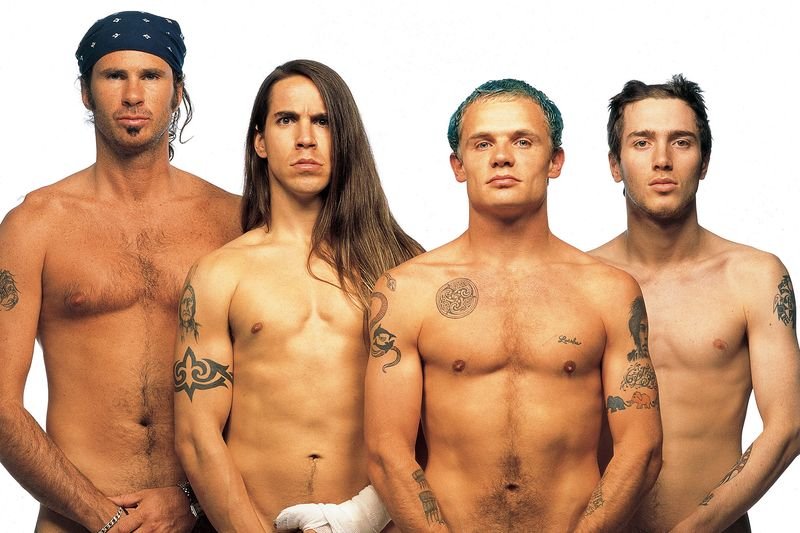
Blood Sugar Sex Magik peaked at number three on the Billboard 200 and eventually sold more than 7 million copies in the US alone — a scale the band had never touched with any of their four prior albums combined. By the summer of 1992 they were headlining Lollapalooza, sharing bills with Ministry, Soundgarden and Pearl Jam on a tour that functioned as alternative rock’s coming-out party. That February, “Give It Away” earned the Chili Peppers their first Grammy, for Best Hard Rock Performance, with a shirtless acceptance speech that opened with Kiedis thanking Satan — a joke that reportedly did not go over well with his devoutly Christian grandmother.
The album’s commercial run also meant the Chili Peppers were suddenly a mainstream MTV act rather than an LA cult favorite, with “Give It Away,” “Under the Bridge,” “Suck My Kiss” and “Breaking the Girl” all becoming inescapable videos through 1992. For a band whose entire catalog to that point sold in the low hundreds of thousands, the jump was closer to a different career than a natural next step.
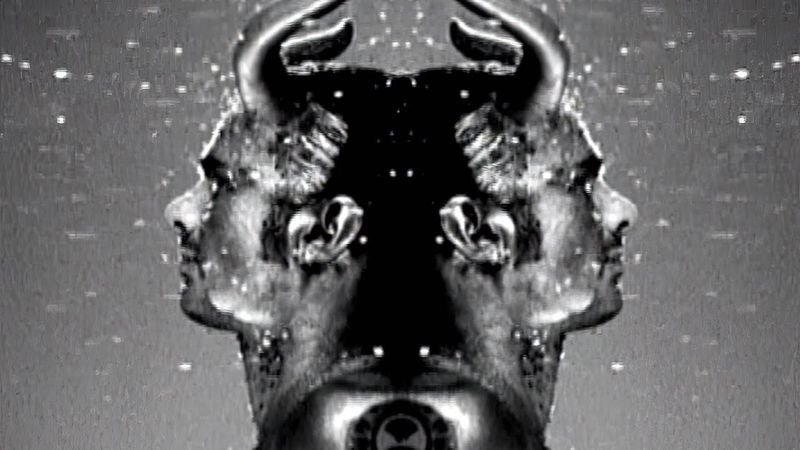
The Faces Behind the Rose
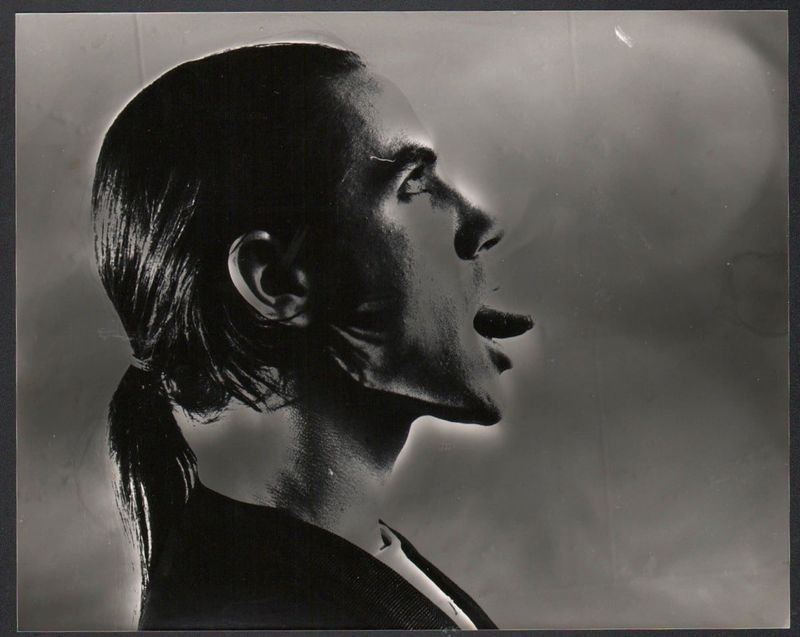
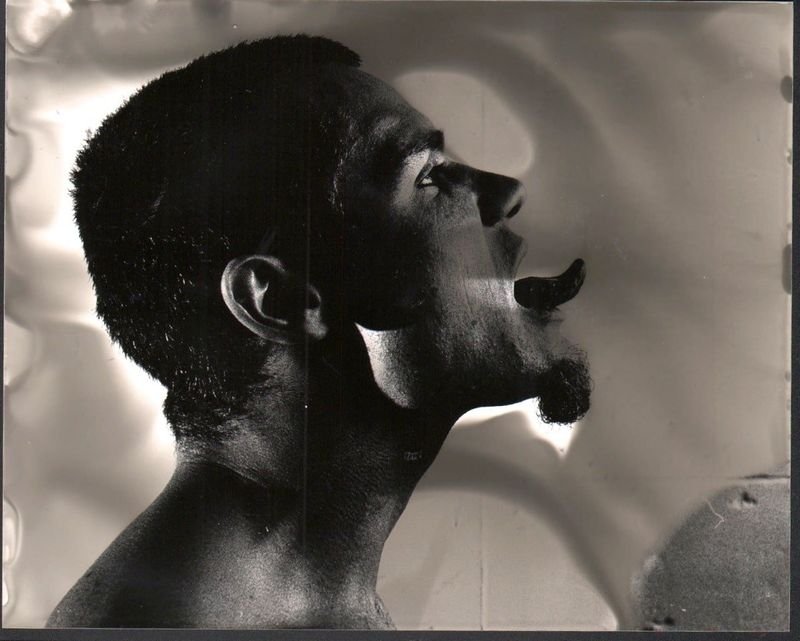
The album’s cover — four black-and-white profiles arranged around a thorny rose, with a tribal design licensed from Dutch tattoo artist Henk Schiffmacher — came from a photo session shot by filmmaker Gus Van Sant, a few years before he directed Good Will Hunting. Van Sant’s outtakes from that shoot are stark and almost sculptural, closer to art photography than a typical rock press kit, which matched the tone Rubin was pushing the band toward on the record itself.
The cover’s Parental Advisory sticker wasn’t a formality, either. Between “Sir Psycho Sexy” and the album’s title track, Warner Bros. flagged the record early, and several chains sold it in shrink wrap with a warning label — a fight over explicit content that, four years later, would look almost quaint next to the gangsta rap censorship battles of the mid-1990s.
The Fallout Nobody Saw Coming
Success didn’t sit well with everyone in the band. John Frusciante, only 21 when the album came out, later said the scale of the Blood Sugar Sex Magik Tour made him miserable rather than validated — he felt the band’s audience had grown for the wrong reasons, and his own drug use spiraled alongside the record’s rise. He began sabotaging shows in early 1992, including a widely discussed derailment of a Saturday Night Live appearance, and quit mid-tour that May, walking away from the biggest album of his career so far.
It’s a strange coda to a record that’s remembered as a triumph: the album that made the Red Hot Chili Peppers stars also broke apart the lineup that made it. Frusciante would spend most of the 1990s in isolation before returning to the band in 1998, and the four-piece captured on Blood Sugar Sex Magik never recorded together again in that configuration.
The Album’s Long Shadow
Rolling Stone eventually ranked Blood Sugar Sex Magik among the 200 greatest albums ever made, and its fingerprints are easy to hear in the nu-metal and rap-rock bands that filled radio for the rest of the decade — Rubin’s mix of clean funk bass, distorted guitar and half-sung, half-shouted vocals became a template plenty of bands borrowed without crediting. The Chili Peppers themselves never fully returned to this lineup’s exact sound, but every album they’ve released since 1991 gets measured against the commercial ceiling this one set.
Thirty-five years on, “Under the Bridge” still gets covered at open mics and “Give It Away” still opens sets by bands who weren’t born when it charted — proof that whatever Rubin bottled in that haunted house on Laurel Canyon Boulevard held up a lot longer than the lease did. It’s the kind of anniversary this site keeps circling back to — the same way we did with Janet Jackson’s Rhythm Nation five days earlier on the calendar, another September release that reshaped what its genre was allowed to sound like.
Sources
- Wikipedia: Blood Sugar Sex Magik — album background, chart performance and recording details
- Rolling Stone: 10 Things You Didn’t Know About Blood Sugar Sex Magik — production history and band recollections
- Grammy.com: Red Hot Chili Peppers Awards and Nominations — official Grammy win record
- Albumism: 30 Years of Blood Sugar Sex Magik — anniversary retrospective and legacy analysis
The Retro Almanac
A monthly roundup of "on this day" highlights from that month, decades back — plus first dibs on new retro merch drops. No spam, just the good stuff.