Metallica’s First Concert Ever — March 14, 1982 at Radio City, Anaheim
On March 14, 1982, four teenagers walked into a small club called Radio City in Anaheim, California. They were nervous. They had barely rehearsed as a complete unit. Their lead guitarist was about to break a string on the very first song. Nobody in that room full of roughly 200 friends and school buddies had any idea they were witnessing the birth of what would become the biggest heavy metal band in history.
That band was Metallica. And on this day, exactly 44 years ago, they played their first concert ever.
The Lineup Nobody Remembers
When people think of Metallica, they picture James Hetfield, Lars Ulrich, Kirk Hammett, and bassist Robert Trujillo (or for the purists, the late Cliff Burton or Jason Newsted). But the four guys who took that stage in Anaheim were a different crew entirely.
The lineup that night consisted of James Hetfield on vocals — just vocals, no guitar — Lars Ulrich on drums, Dave Mustaine on lead guitar, and Ron McGovney on bass. This was Metallica before anyone called it thrash metal. Before Kill ‘Em All. Before the Black Album. Before 125 million records sold worldwide. Before the Moscow concert watched by 1.6 million people. This was four kids from the LA suburbs who loved the New Wave of British Heavy Metal and wanted to play louder and faster than anyone else.
A Danish Drummer and a Newspaper Ad
The story of how Metallica even got to that first show is the kind of origin tale that sounds made up. Lars Ulrich, a Danish immigrant living in Los Angeles, was obsessed with the NWOBHM — bands like Diamond Head, Iron Maiden, and Saxon. He placed an ad in a local newspaper called The Recycler looking for musicians to start a metal band. James Hetfield, a quiet kid from Downey with a serious guitar habit, answered the ad.
The two hit it off over their shared love of aggressive British metal. Ulrich had actually traveled to England to follow Diamond Head on tour, crashing at the homes of band members. That level of obsession would fuel everything Metallica became.
Dave Mustaine joined after responding to another advertisement. Hetfield and Ulrich were reportedly sold on Mustaine partly because of his expensive guitar equipment — a practical consideration for a band that had nothing. Ron McGovney, a friend of Hetfield’s, rounded out the lineup on bass, and suddenly Metallica had four members and a need to actually play somewhere.
The Show That Almost Wasn’t
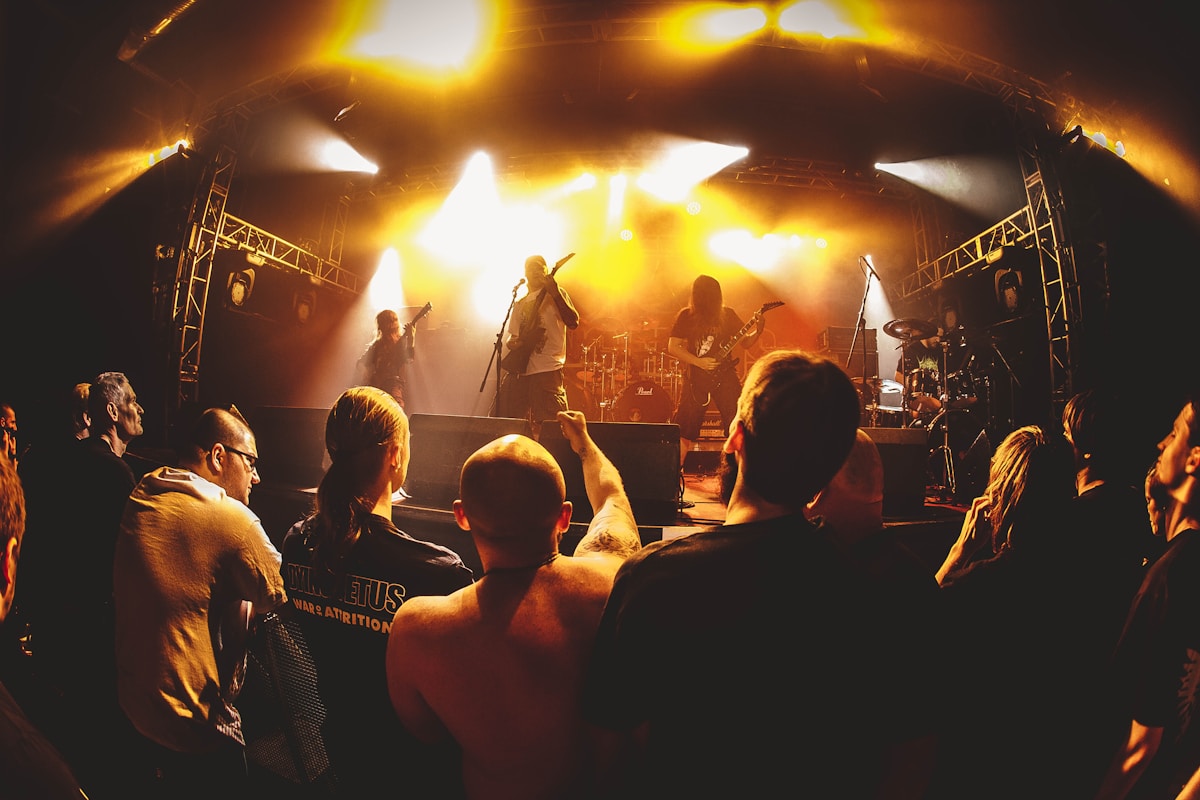
Radio City was a small club in Anaheim — not some legendary venue, not a famous stage. It was the kind of place local bands played to their friends on weeknights. The kind of place where the PA system was questionable, the stage was tiny, and the beer was cheap. Perfect for a first gig.
According to Hetfield, about 200 people showed up, which was actually a lot for Radio City. Most of them were friends — schoolmates, buddies of each band member, people who came because they knew somebody. It wasn’t a crowd of fans. It was a crowd of acquaintances doing a favor.
“The first gig was at Radio City, and I was just singing,” Hetfield told Kerrang! magazine. “There were a lot of people there, maybe 200, because we had all my school friends and all Lars’ and Ron’s and Dave’s buddies.”
Then the disaster hit. During the very first song — “Hit the Lights,” an original that would later appear on their debut album — Mustaine broke a guitar string. With only one guitarist in the band (Hetfield was strictly on vocals at this point, standing awkwardly without an instrument), the entire performance ground to a halt while Mustaine fumbled to change the string.
“I was really nervous and a little uncomfortable without a guitar,” Hetfield recalled, “and then during the first song Dave broke a string. It seemed to take him an eternity to change it and I was standing there really embarrassed.”
A Setlist Full of Covers
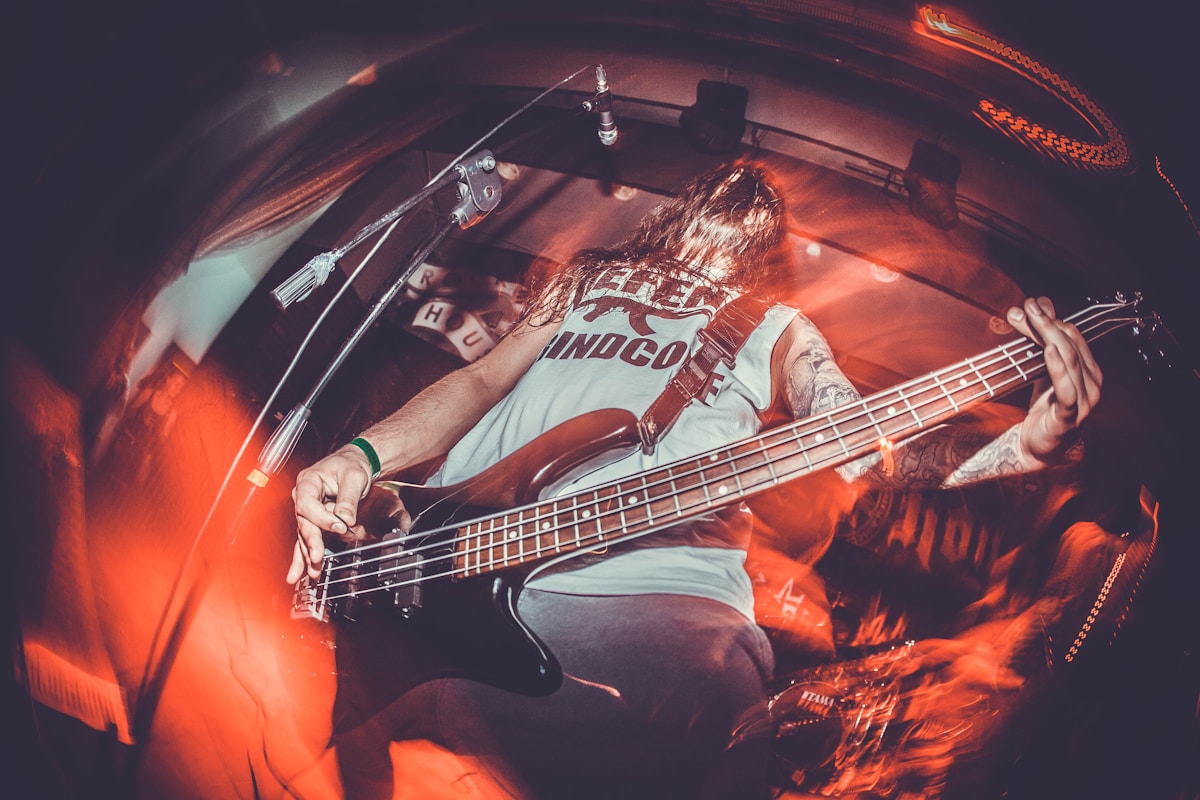
What’s fascinating about Metallica’s debut is how few original songs they actually played. Out of nine songs in the setlist, only two were originals: “Hit the Lights” and “Jump in the Fire.” The rest were covers of the NWOBHM bands they worshipped.
The full setlist from that night:
- “Hit the Lights” (original)
- “Blitzkrieg” (Blitzkrieg cover)
- “Helpless” (Diamond Head cover)
- “Jump in the Fire” (original)
- “Let It Loose” (Savage cover)
- “Sucking My Love” (Diamond Head cover)
- “Am I Evil?” (Diamond Head cover)
- “The Prince” (Diamond Head cover)
- “Killing Time” (Sweet Savage cover)
Four of the nine songs were Diamond Head tracks. That’s nearly half the set devoted to a single band — a band that, ironically, never achieved the commercial success that Metallica would. Metallica’s later renditions of “Am I Evil?” and “Blitzkrieg” would introduce these obscure British bands to millions of American metal fans.
Lars Called It “50-50”
After the show, the verdict from the band was decidedly mixed. Lars Ulrich, ever the diarist, wrote in his journal that night: “First ever gig. Very nervous. Only band. Dave broke a string on the first song. Played 50-50!!! Went down pretty good.”
50-50. That’s how Lars rated the debut of the band that would become the best-selling metal act of all time. Not triumphant. Not legendary. Just… okay.
Hetfield was even more blunt: “We were really disappointed afterwards. But there were never as many people at the following shows as there were at that first one.”
That last detail is painfully relatable for anyone who’s ever been in a band. The first show, when all your friends come out of obligation, is always the biggest. The real test is getting strangers to show up to the second, third, and fourth gigs. For Metallica, the crowds would eventually come — but it took time.
What Happened Next Changed Everything
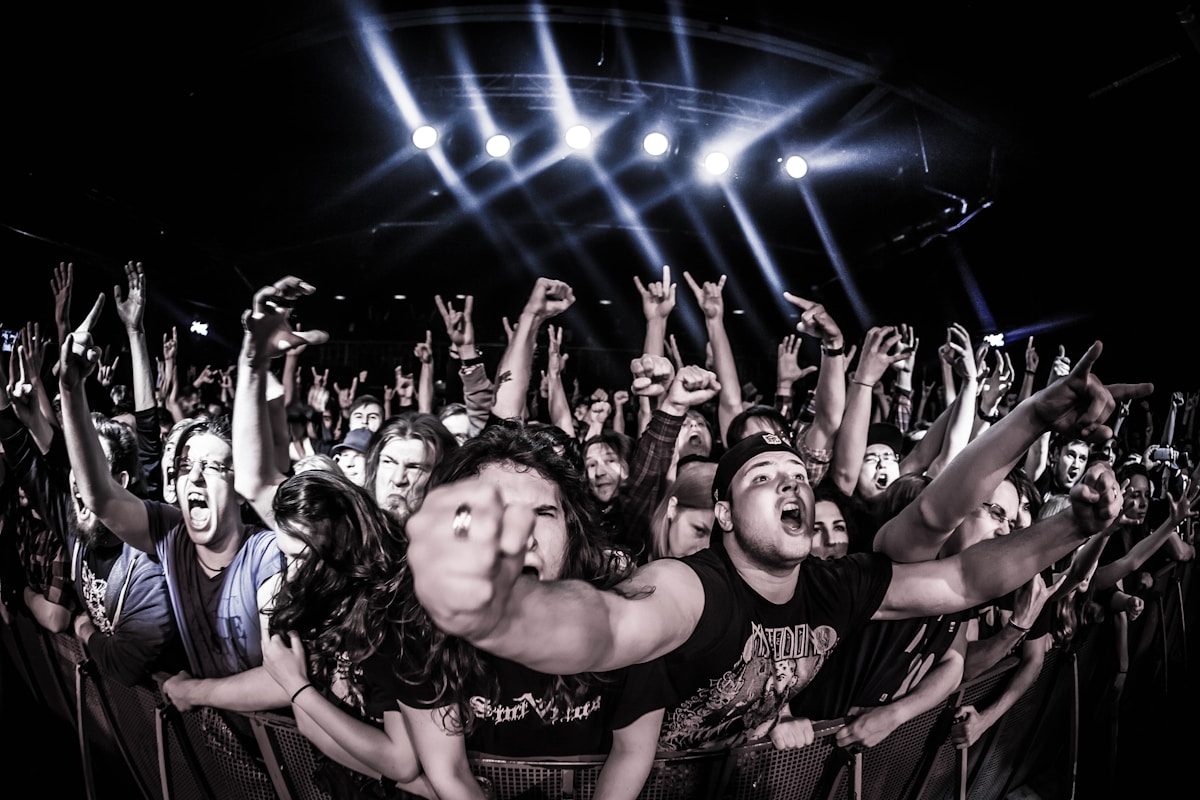
That awkward, string-breaking debut at Radio City was just the first chapter of one of the wildest origin stories in rock history. Within months, the band recorded the demo tapes Power Metal and No Life ’til Leather, which circulated through the underground metal tape-trading network and built a grassroots following.
By the end of 1982, Hetfield and Ulrich had seen bassist Cliff Burton playing with a band called Trauma at the Whisky a Go Go. They were “blown away” by his use of a wah-wah pedal and recruited him to replace McGovney — but Burton had one condition: the band had to move to San Francisco. They did.
In April 1983, Dave Mustaine was fired — famously for excessive drinking and fighting — and replaced by Kirk Hammett from the Bay Area band Exodus. Mustaine, fueled by rage and rejection, went on to form Megadeth, creating one of the greatest rivalry stories in music history. Both bands became founding members of thrash metal’s “Big Four,” alongside Slayer and Anthrax.
Metallica’s debut album Kill ‘Em All dropped in July 1983, barely a year after that fumbling first show. By the end of the decade, they had released Ride the Lightning, Master of Puppets, and …And Justice for All — four albums that essentially invented modern metal. The 1991 self-titled “Black Album” made them arena rock gods, selling over 16 million copies in the US alone.
All of it started in a little club in Anaheim, with a broken string and an embarrassed singer standing alone on stage without a guitar.
Radio City itself is long gone. The building that housed it has been demolished and redeveloped. But every March 14, Lars Ulrich posts about it on social media, sharing his handwritten diary entry and the original flyer. He always seems genuinely amazed at how far they came from that nervous, 50-50 night.
The legacy of that night extends beyond Metallica itself. The NWOBHM covers they played helped introduce an entire generation of American metalheads to bands like Diamond Head, Blitzkrieg, and Sweet Savage. The tape-trading culture that followed their early demos created a blueprint for underground music distribution that predated the internet by over a decade. And the sheer audacity of four untested musicians stepping onto a stage with more covers than originals proved that you don’t need a polished setlist to start something revolutionary — you just need the nerve to show up and play.
Forty-four years later, Metallica has played over 2,000 shows across six continents. They’ve sold more than 125 million records. They’ve headlined festivals attended by hundreds of thousands. But on March 14, 1982, they were just four kids from Southern California who loved heavy metal and had the guts to get on a stage and play — badly, nervously, and with a broken guitar string — for the very first time.
Some debuts are flawless. This one was perfectly imperfect. And that might be the most Metallica thing of all.