90s Nickelodeon: The Golden Age That Shaped an Entire Generation of Kids
There was a window in the 1990s — roughly a decade-long stretch — when one cable network owned childhood. Not Disney. Not Cartoon Network. Nickelodeon. The orange-splattered, slime-drenched kingdom that treated kids like actual human beings with taste, intelligence, and a healthy appetite for weirdness.
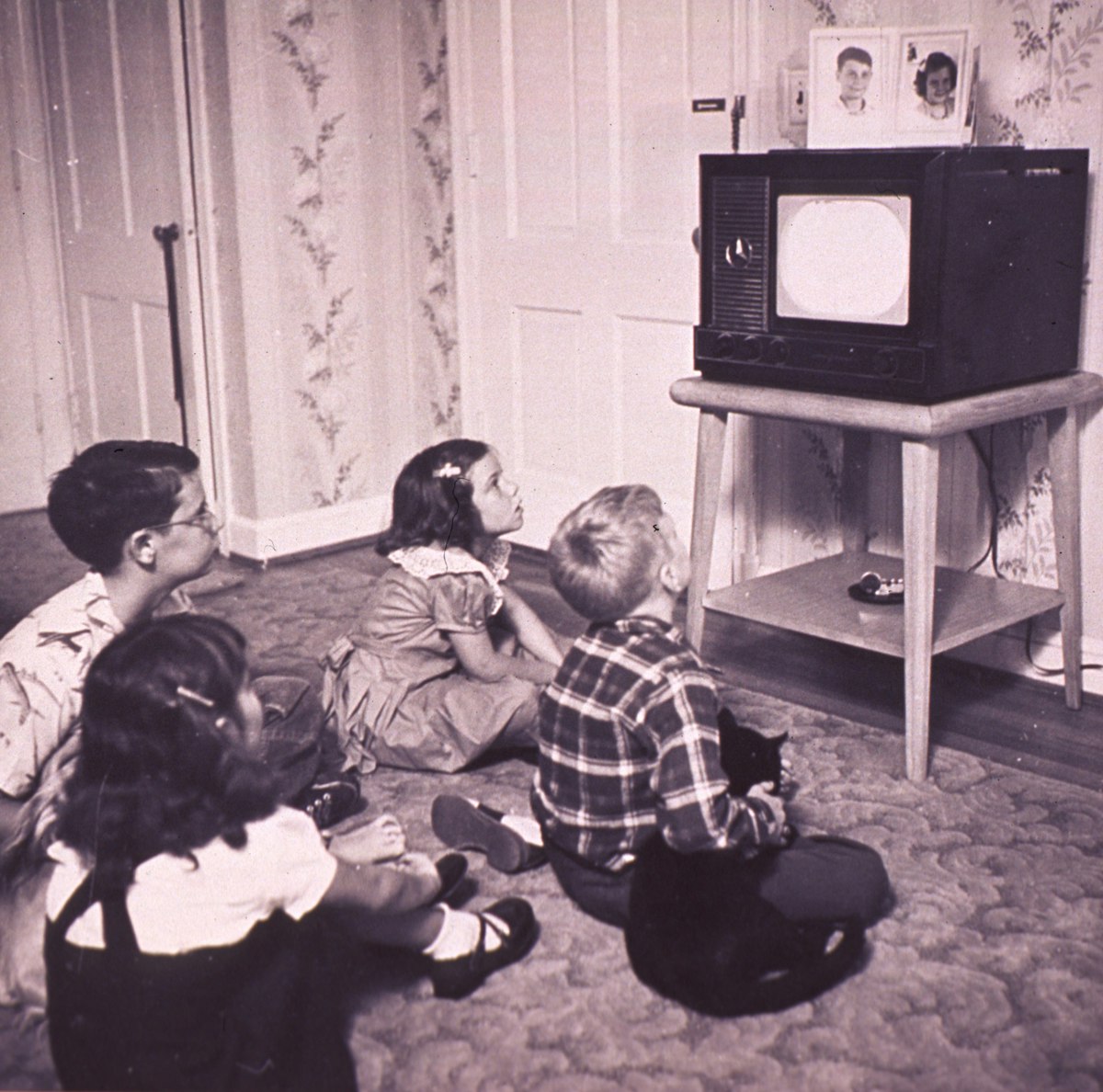
If you grew up during this era, you didn’t just watch Nickelodeon. You lived it. You raced home from school, threw your backpack in the corner, and planted yourself in front of the TV for the afternoon block. Saturday mornings were sacred. And SNICK on Saturday nights? That was appointment television before the phrase even existed.
The Retro Almanac
A monthly roundup of "on this day" highlights from that month, decades back — plus first dibs on new retro merch drops. No spam, just the good stuff.
How Nickelodeon Became the Kids’ Network
Nickelodeon launched in 1977 as Pinwheel, a modest children’s programming channel that most adults ignored. By the mid-1980s, it had rebranded, found its orange identity, and started doing something revolutionary — making television for kids, not at them. While other networks were packaging candy-colored toy commercials disguised as cartoons, Nick was building something stranger and more authentic.
The network’s president, Geraldine Laybourne, understood something competitors didn’t. Kids could smell condescension from a mile away. They didn’t want to be talked down to. They wanted shows that respected their ability to handle comedy, drama, mystery, and even a little genuine fear. Under Laybourne’s leadership from 1984 to 1996, Nickelodeon transformed from a filler channel into the most-watched cable network for children in America — a run profiled in detail by the New York Times when she finally left for Disney/ABC in 1996.
What made it work was a simple promise printed on every promo bumper: Kids Rule. Adults were the punchline. Parents were obstacles. Teachers were villains in cardigans. Nick built its whole identity around the idea that kids had been waiting for someone — anyone — to take their side, and the network finally would. It was the same instinct that made the older Saturday-morning cartoon ritual feel sacred, but now stretched into a seven-day-a-week empire.
When the Cartoons Got Strange and Stayed That Way
In 1991, Nickelodeon launched Nicktoons — its first batch of original animation — and the whole television landscape lurched sideways. The lineup was Doug, Rugrats, and The Ren & Stimpy Show. Three shows that looked nothing like each other, made no concessions to advertisers, and were greenlit on the strength of their creators’ weirdness alone.
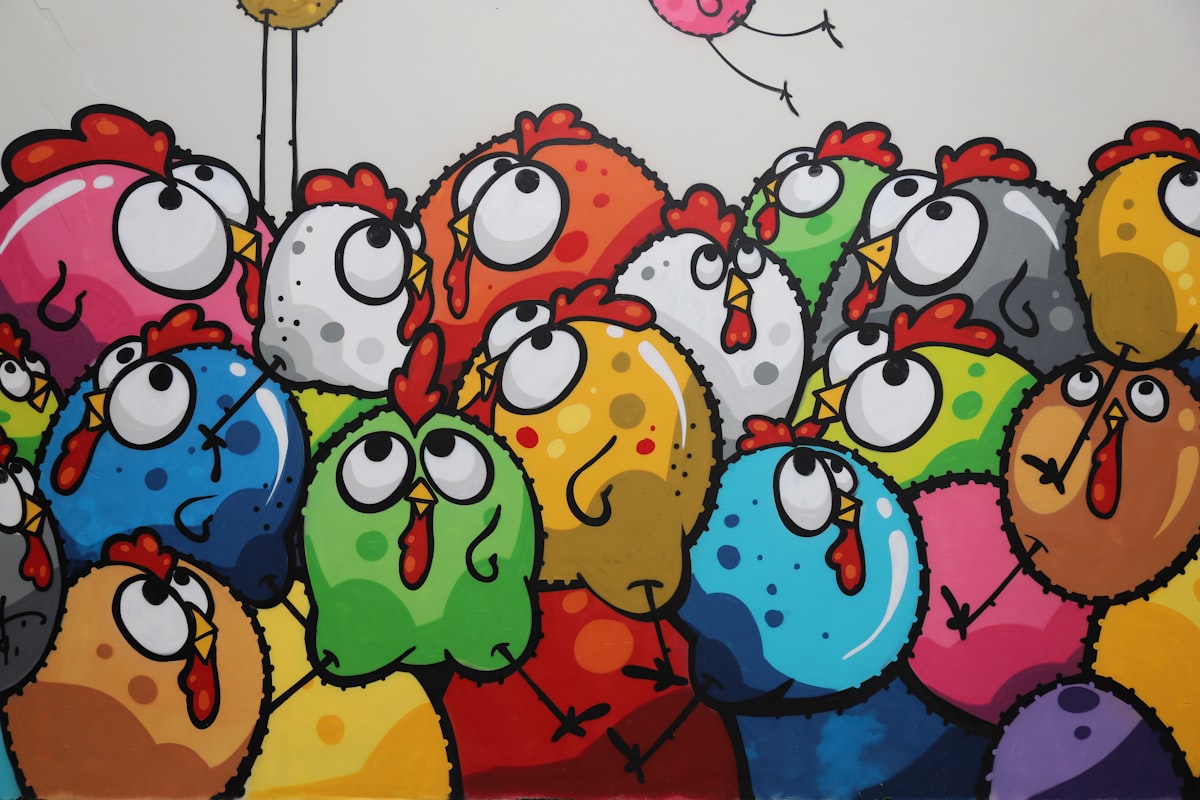
Doug Funnie wrote in a journal, fell in love with a girl named Patti Mayonnaise, and had anxiety attacks before anyone knew what to call them. Rugrats followed a baby gang who saw the adult world as a horror movie they had to negotiate. And Ren & Stimpy — created by John Kricfalusi — was a screaming, bug-eyed fever dream that introduced an entire generation to body-horror humor before they had the vocabulary for it. The fights between Kricfalusi and Nickelodeon’s standards department became legendary, and he was fired in 1992 after refusing to clean up the show. The cartoon kept going anyway, weirder than ever.
By the mid-90s, the Nicktoons roster was an actual genre: Rocko’s Modern Life, Aaahh!!! Real Monsters, Hey Arnold!, KaBlam!, The Angry Beavers, CatDog. Each one looked like the previous animator’s sketchbook had been pinned to the wall and dared to be a show. Hey Arnold! had an actual emotional core — Arnold’s missing parents, his grandparents’ old-age routines, the boarding house neighbors — that no kids’ show before it had attempted. The format Nickelodeon helped pioneer outlasted its run; the streaming-era documentary in The Atlantic argued that Nicktoons basically taught a generation how cartoons could be authored, not assembled.
SNICK and the Saturday Night Lockdown
August 15, 1992. SNICK debuts. Two hours of original programming, 8 to 10 PM Eastern, every Saturday night. If you were a kid with no plans — and you weren’t old enough to have plans yet — this was the apex of the week. The bumpers were soaked in orange. Each show got a half-hour. And the block had its own personality, hosted by clips of teen actors goofing around like they actually liked their jobs.
The original SNICK lineup was Clarissa Explains It All, The Adventures of Pete & Pete, The Ren & Stimpy Show, and Are You Afraid of the Dark? — four shows that had basically nothing in common except a refusal to feel like other kids’ television. Clarissa, played by Melissa Joan Hart, talked directly to the camera and had a pet alligator and dispensed advice that landed somewhere between a wise older sister and an overcaffeinated diary. The Adventures of Pete & Pete was the strangest live-action show ever aimed at kids — surreal, melancholy, scored by Polaris, populated by Iggy Pop and Steve Buscemi as recurring guest stars. Critics still write love letters to it three decades later.
Are You Afraid of the Dark? was the one parents worried about. Every Saturday night a group of kids called the Midnight Society sat around a campfire and told the scariest stories the network would let them get away with. Ghosts, ghouls, cursed objects, evil dolls, sentient pinball machines — a half-hour of genuine dread, scored with a synth theme that still gives anyone over thirty an involuntary chill. It worked because the show trusted kids to handle being scared, and rewarded them for showing up.
Slime, Pies, and the Game Shows That Got Kids Dirty
The other half of the Nickelodeon equation was its game shows, and they shared one mandate: humiliate the contestants in the most cathartic way possible. Double Dare, hosted by Marc Summers, sent kids through obstacle courses involving giant noses, oversized hamburgers, and lakes of slime. Family Double Dare added parents to the gauntlet, which somehow made it funnier. By the end of every episode, every human on screen looked like they’d lost a fight with a paint factory.
Then came GUTS, which leveled the format up. Mike O’Malley and Mo Quirk hosted a sports-tournament-meets-stunt-show that ended every episode with the Aggro Crag — a slow climb up a fake mountain that exploded confetti and lit up neon as contestants tagged actuators. The winner went home with a glowing piece of the Crag, which is the closest a 90s kid could come to winning Mount Doom. The show ran from 1992 to 1995, then evolved into Global GUTS, which added international kids to the mix.
Legends of the Hidden Temple turned the model in a different direction. Kirk Fogg, Olmec the giant talking stone head, six color-coded teams, and a Mayan-themed obstacle temple that nobody — and we mean almost nobody — could finish in under three minutes. The final round, where a single kid had to assemble the Shrine of the Silver Monkey under thirty seconds of pressure, broke more spirits than any reality show since. Roughly one in three contestants who got that far botched the assembly. The show ran from 1993 to 1995 but still gets cited every time someone tries to rank the best game shows ever made.

The Live-Action Side: Pete & Pete, Salute Your Shorts, and Roundhouse
Cartoons got the credit, but the live-action shows did a lot of the cultural heavy lifting. Salute Your Shorts (1991–1992) was a summer-camp show set at Camp Anawanna, with Bobby Budnick as the bully and Donkeylips as the lovable screw-up. It only ran two seasons but it earned a permanent slot in the collective memory of anyone who watched it.
All That arrived in 1994 and borrowed the SNL format wholesale — Kenan Thompson, Kel Mitchell, Lori Beth Denberg, Amanda Bynes — and produced more legit comedy careers than anyone reasonably expected from a cable kids’ sketch show. Kenan and Kel got their own spinoff in 1996. Amanda Bynes got The Amanda Show in 1999. Hey Dude (1989, Bar None Ranch, Arizona) gave Christine Taylor her first major role before she became Mrs. Ben Stiller. The Nick comedy pipeline was a real thing.
The Secret World of Alex Mack is the one that holds up best in retrospect. A teenage girl gets doused in industrial chemicals and gains the ability to morph into a puddle of silver liquid. It ran four seasons. On a kids’ network. About a girl who turns into mercury.
Nickelodeon Studios, the Slime, and the Theme Park Years
From 1990 to 2005, Nickelodeon had a working production studio inside Universal Studios Florida. You could ride a tram through it, watch episodes get taped, and — if your timing was right — stand in line to get personally slimed in the Gak Kitchen. The studio existed as both a workplace and a tourist trap, and that double identity was very on-brand for a network that always blurred the line between making content and being content.
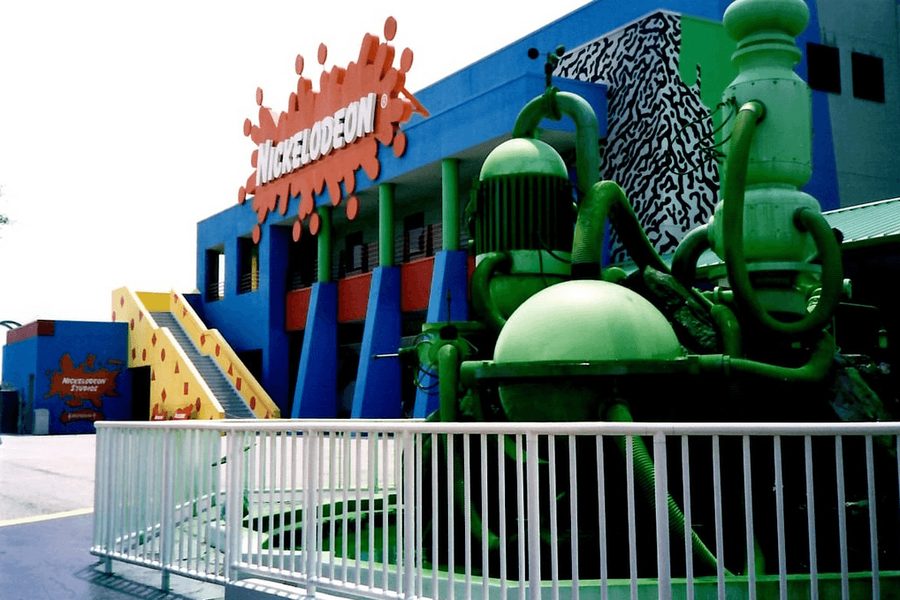
The slime itself deserves its own paragraph. Officially, it was a green goo made of vanilla pudding, applesauce, oatmeal, and green food coloring — a recipe Marc Summers reportedly perfected after years of getting hit with worse versions. It was non-toxic, dye-fast on white shirts, and basically Nickelodeon’s state religion. Getting slimed on TV was an honor. Saying the word “I don’t know” on You Can’t Do That on Television was a punishable offense. Pies in the face were a baseline. The whole network ran on the idea that dignity was overrated.
Why the Empire Eventually Cracked
Nickelodeon stayed dominant through the back half of the 90s — SpongeBob SquarePants debuted in 1999 and became the network’s longest-running cash machine — but the cracks were already showing. Cartoon Network had built up its own animation pipeline with Dexter’s Laboratory and Cow and Chicken. Disney Channel went from a premium cable curiosity to a free basic-cable juggernaut. The internet was about to eat appointment television entirely, the way it ate the prime-time sitcom golden age a few years later.
Geraldine Laybourne’s 1996 departure took something irreplaceable with her. Nick survived — it’s still around, it still makes hits — but the editorial bravery that defined its peak got slowly buffed down by corporate consolidation. By the early 2000s, the network’s identity was tied to a handful of mega-franchises rather than the messy, weird, anything-goes catalog that made it special. The 90s Nick mix of risk-tolerant programming and full creative trust in its showrunners was specific to one decade and one leadership team. Nobody’s repeated it since.
The Footprint That Never Quite Faded
Try this experiment. Walk into any room of people aged 30 to 45 and hum the Are You Afraid of the Dark? theme. Watch the heads turn. Mention the Aggro Crag. Drop a Pete & Pete reference. You’ll get reactions you don’t get from any other piece of pop culture from that era — not the music, not the movies, not the sitcoms. Nickelodeon hardwired itself into a generation’s nervous system in a way other media didn’t.
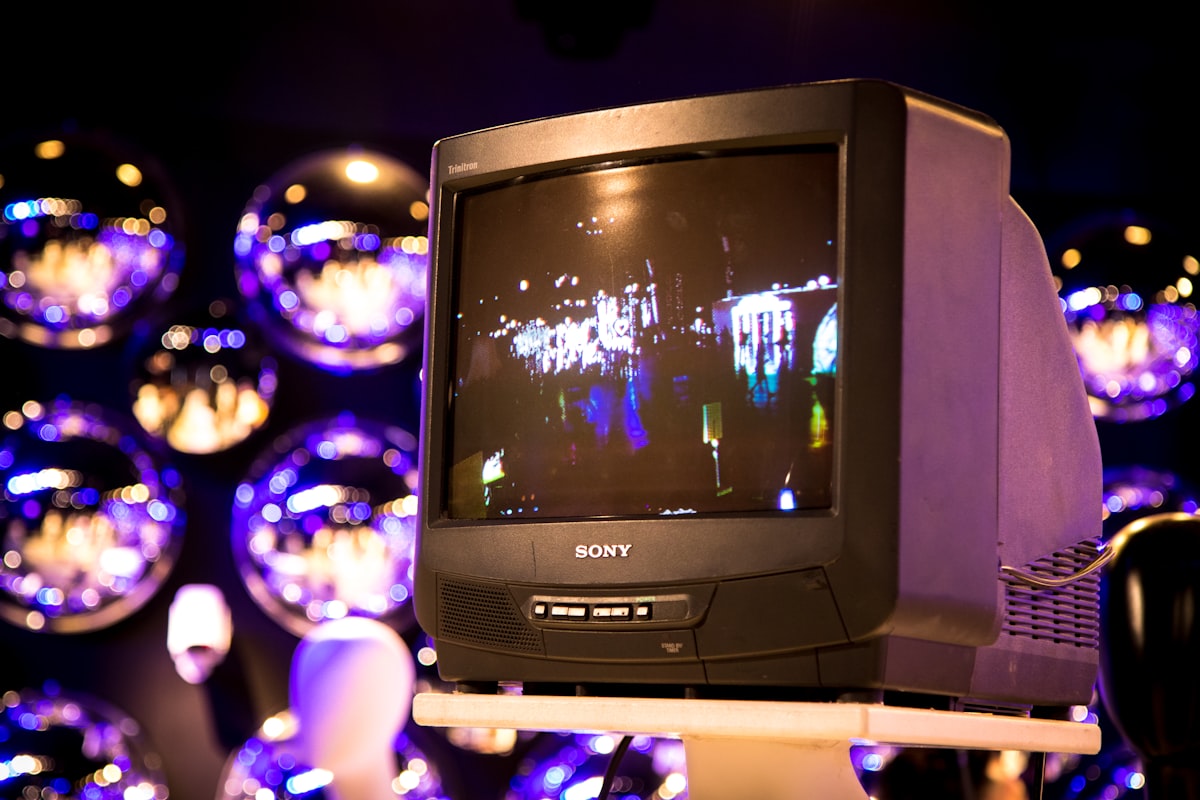
Paramount knows it. The Splat block — a late-night 90s Nick rerun channel — launched in 2015 and was followed by the streaming-era reboot industrial complex: new Rugrats, new Are You Afraid of the Dark?, new Rocko, new All That. Most of them missed. The originals had a specific decade-shaped chemistry that doesn’t survive being lifted out of context. You can’t reboot a feeling that was tied to a CRT, a bowl of cereal that probably wasn’t on any approved snack list, and the freedom of being eleven years old with two hours until dinner. The same nostalgia hits live in the rest of the 90s nostalgia time capsule, but Nick was the room you spent the most time in.
That’s the real legacy of 90s Nickelodeon. Not the shows. Not even the slime. The fact that for ten years, one cable network treated kids like the smartest, weirdest, most interesting audience on TV — and the kids never forgot.
Sources
- New York Times — Nickelodeon’s President Resigns (May 28, 1996) — Geraldine Laybourne’s departure and her role building the 90s era
- The Atlantic — Rugrats at 30 and the Nicktoons revolution — How Nicktoons changed kids’ animation forever
- Wikipedia — Nickelodeon (cable network) — General programming and timeline reference
- Wikipedia — SNICK — Saturday night block history and lineup
- Wikipedia — Legends of the Hidden Temple — Game show structure and Silver Monkey lore
Browse retro and vintage-inspired apparel at the RetroRadical shop →
The Retro Almanac
A monthly roundup of "on this day" highlights from that month, decades back — plus first dibs on new retro merch drops. No spam, just the good stuff.