On This Day: July 14, 1995 — The Day the MP3 Got Its Name
Some revolutions arrive with a bang. This one arrived with an office email. On July 14, 1995, a small team of German engineers finished an internal poll and settled a question that seemed trivial at the time: what three letters should they use as the file extension for their new audio format? The winner was .mp3 — and with that quiet vote, the way the entire planet would buy, steal, store, and listen to music was rewritten forever.
Nobody sent out a press release. Nobody in Erlangen, Germany, could have guessed that this modest naming decision would go on to gut the record industry, launch Napster, birth the iPod, and turn “burning a CD” into a national pastime. But that is exactly what happened.
A Dream of Music Down a Phone Line
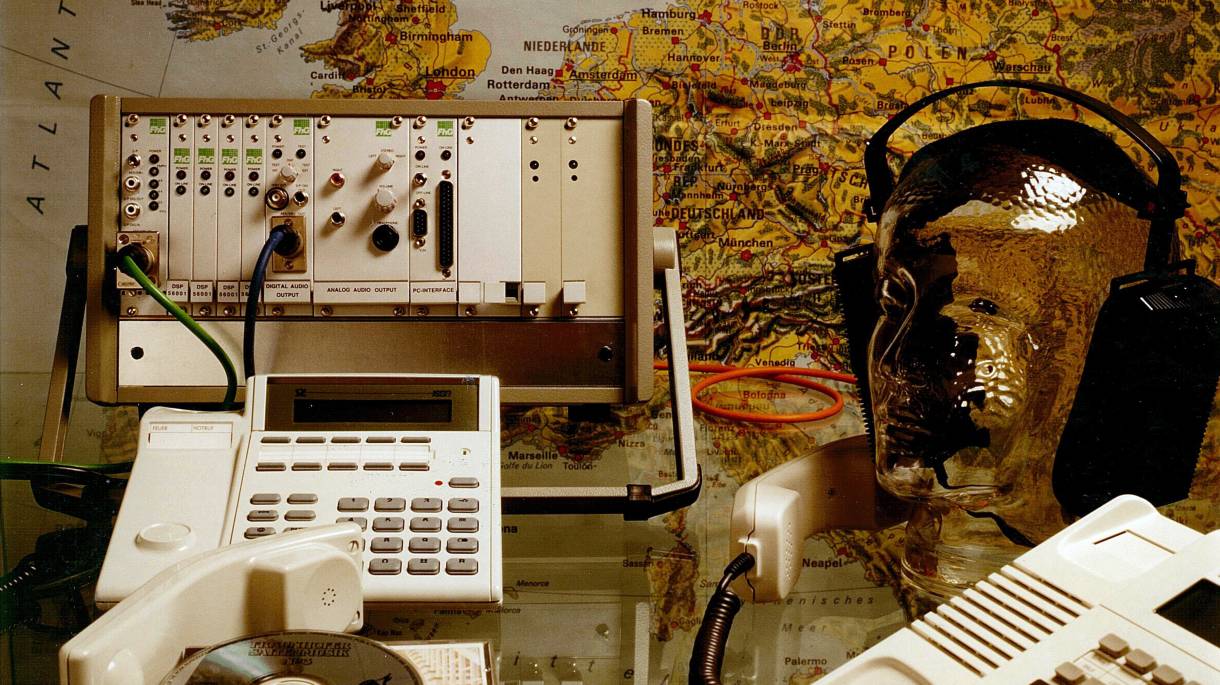
The story starts years earlier at the Fraunhofer Institute for Integrated Circuits (IIS). Professor Dieter Seitzer had a wild idea for the 1980s: send music over an ordinary telephone line. Back then, that was borderline science fiction. A single minute of CD-quality audio was an enormous wall of data, and phone lines were narrow, slow pipes.
The Retro Almanac
A monthly roundup of "on this day" highlights from that month, decades back — plus first dibs on new retro merch drops. No spam, just the good stuff.
The task fell largely to a young researcher named Karlheinz Brandenburg — later nicknamed “the father of the MP3” — along with colleagues including Bernhard Grill, Jürgen Herre and Harald Popp. Their breakthrough was rooted in a beautifully simple insight about human hearing: our ears are lazy. A loud sound masks a quiet one right next to it. There are frequencies we simply cannot detect. So why store the parts of a song nobody can actually hear?
By ruthlessly throwing away that “inaudible” data — a science called psychoacoustics — the team could shrink an audio file to roughly one-tenth of its original size while keeping it sounding, to most ears, identical. That compression math would become MPEG-1 Audio Layer III. A mouthful. It needed a nickname.
The Song That Tortured the MP3
Before the format could ship, it had to pass a brutal test. Brandenburg needed a recording so bare and revealing that any compression flaw would jump out. He found it in an unlikely place: “Tom’s Diner” by Suzanne Vega, a gentle a cappella track of nothing but her voice.
He played it thousands of times, tweaking the algorithm until the human warmth survived the squeeze. Vega has since been affectionately crowned “the Mother of the MP3.” She had no idea her quiet 1987 song was being run through the wringer in a German lab to help invent the future of audio.
July 14, 1995: The Vote
By the summer of 1995, the format worked. But the files needed a home — a file extension. The team had been using the clunky .bit. In the era of Windows and its strict three-character filenames, something shorter and punchier was needed.
So they did the most 1990s thing imaginable: they held an office email poll. On July 14, 1995, the results came in, and an email went around the institute announcing the verdict:
“This is the overwhelming result of our poll: everyone voted for .mp3 as extension for ISO MPEG Audio Layer 3!”
Three letters. One unanimous vote. The MP3 had a name.
From Lab to Bedroom: The Explosion
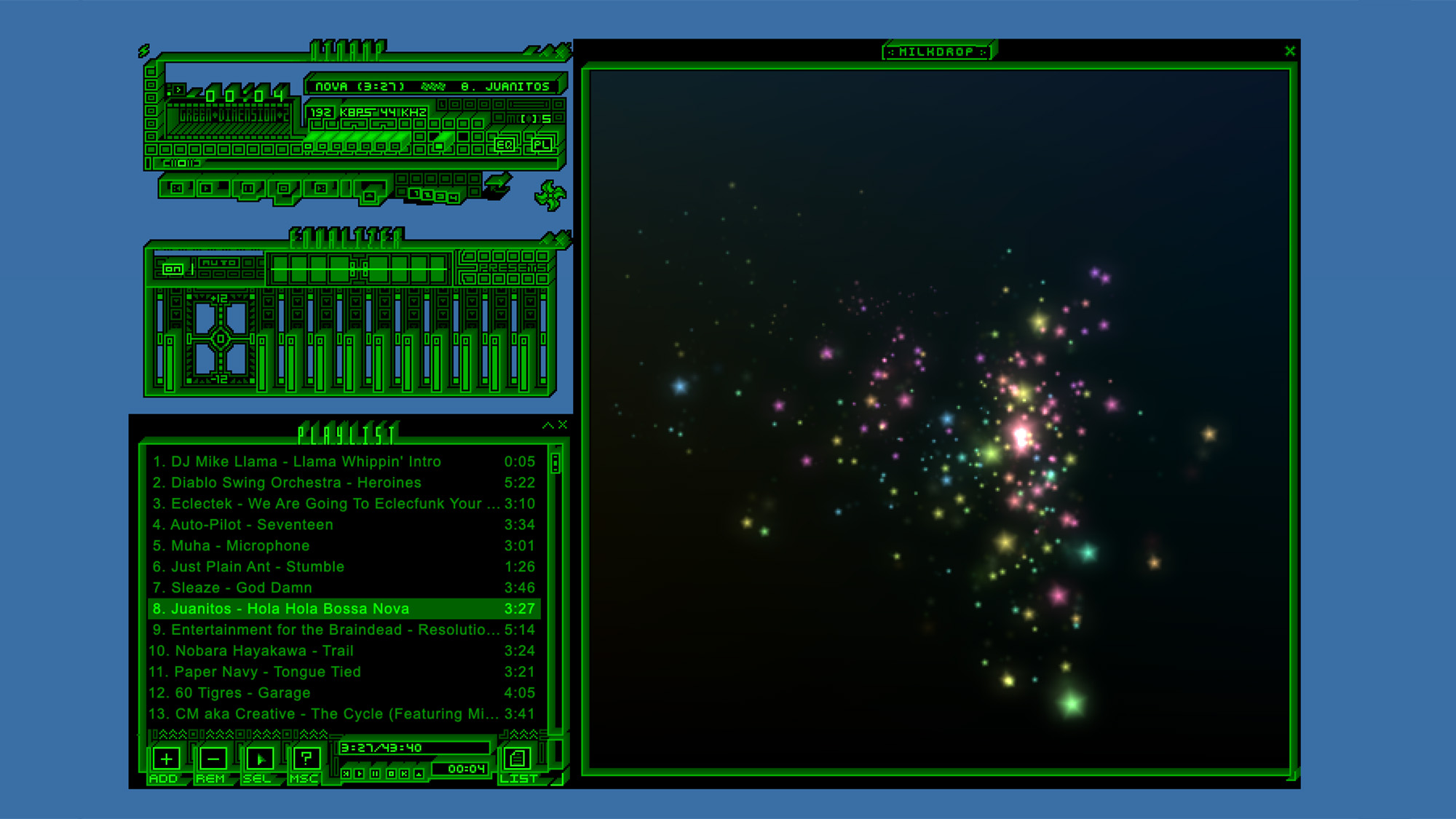
For a couple of years, the MP3 simmered quietly among tech hobbyists. Then two things lit the fuse. First, people realized they could “rip” tracks off their CD collections into tiny MP3 files. Second, in 1997, a piece of software called Winamp arrived — free, endlessly customizable with wild “skins,” and famous for the tagline “it really whips the llama’s ass.” Suddenly your beige computer was a jukebox.
College dorms with fast internet connections became MP3 trading floors. A library that once filled a wall of shelves now fit on a hard drive. The genie was out of the bottle, and it was not going back in.

Napster, Lawsuits, and the iPod
In 1999, a teenager named Shawn Fanning released Napster, a program that let anyone share their MP3 collection with the entire internet. Within months, millions of people were swapping songs for free. The record labels panicked, Metallica famously sued, and the courts eventually shut Napster down — but the message was clear. Music had gone digital, and there was no reversing it.
The industry’s answer arrived in 2001, when Apple launched the iPod with the promise of “1,000 songs in your pocket,” soon backed by the legal iTunes Store. Every one of those pocket songs traced its DNA straight back to that 1995 email poll in Erlangen.
The Legacy of Three Letters
Fraunhofer went on to earn hundreds of millions in licensing royalties, becoming the largest institute in its network. The core MP3 patents finally expired in 2017, and while slicker codecs have since taken over streaming, the humble .mp3 file never truly died — it’s still sitting on hard drives, USB sticks, and old iPods in a drawer somewhere in nearly every home.
Not bad for a decision that took a single afternoon and a show of hands. On July 14, 1995, three little letters quietly changed how the world hears music.
The Retro Almanac
A monthly roundup of "on this day" highlights from that month, decades back — plus first dibs on new retro merch drops. No spam, just the good stuff.