
Secret of My Success: 7 Wild 80s Truths From April 10
The Secret of My Success hit theaters on April 10, 1987, and it landed at exactly the right moment for America’s corporate-dream decade. This was the era of power ties, glass office towers, fake-it-till-you-make-it ambition, and movie heroes who believed the right mix of nerve, hustle, and charm could beat any locked door. Michael J. Fox had already become one of the defining faces of the 80s, and this movie gave him a different kind of fantasy to sell: not time travel, not a werewolf curse, not suburban family politics, but the idea that a smart kid from Kansas could outmaneuver Manhattan greed with speed, wit, and a stack of borrowed identities.
If you were there, you probably remember how perfectly it fit the decade’s mood. The Secret of My Success is not a realistic business movie, and that is exactly why it worked. It took Reagan-era excess, office-climbing obsession, and big-city wish fulfillment and turned them into a glossy, funny, wildly energized fantasy. On this day in 1987, it showed up as a slick little star vehicle, but over time it has become something even more interesting: a bright, weirdly revealing time capsule of what success was supposed to look like at the tail end of the 80s.
The Secret of My Success Turned the Mailroom Myth Into Pop Fantasy
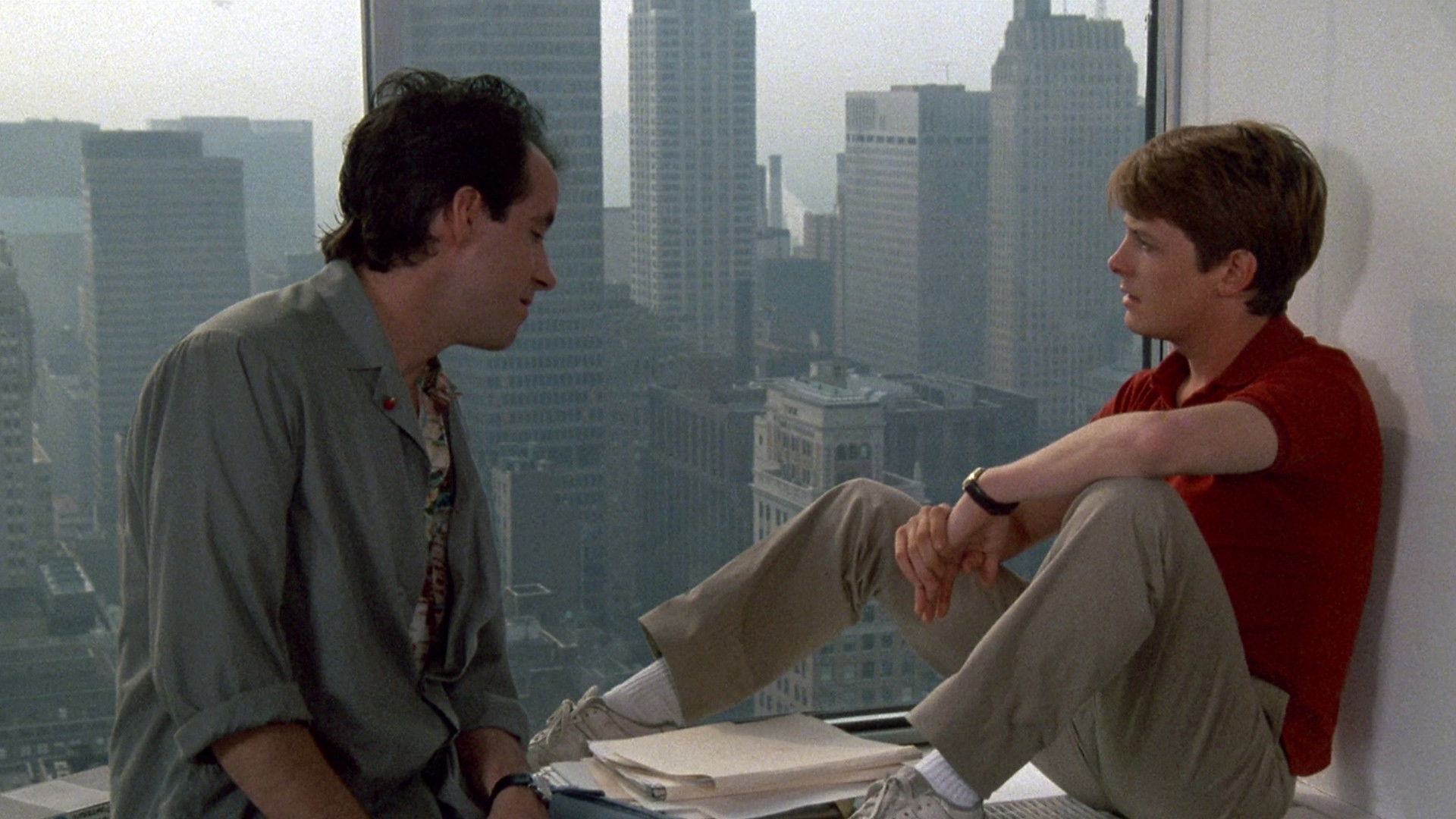
There is a classic American story buried inside this movie. A recent college graduate named Brantley Foster comes to New York expecting opportunity, only to discover that the promised job waiting for him has evaporated before he even gets started. That setup is brutally simple and immediately relatable. Everything he thought was lined up is gone. The city does not care. Nobody is impressed by his degree. The dream machine is already grinding him down.
Then the movie does what only 80s movies could do with a straight face. Instead of making Brantley crawl through a realistic career path, it lets him build a double life. By day he works in the mailroom. At the same time he reinvents himself as Carlton Whitfield, a rising executive who somehow keeps slipping into meetings, giving smart opinions, and fooling almost everyone around him. It is absurd, of course, but it is precisely the kind of absurdity the decade loved. The lie is not just the plot engine. It is the point. The film understands that corporate culture was already half theater anyway, all posture and confidence and knowing how to occupy a room before anyone checked your credentials.
That is why the movie still has nostalgic bite. It captures the old fantasy that upward mobility was a matter of nerve, presentation, and timing. You just had to get into the room. Once you were there, charisma could do the rest.
Michael J. Fox Was the Perfect 80s Striver
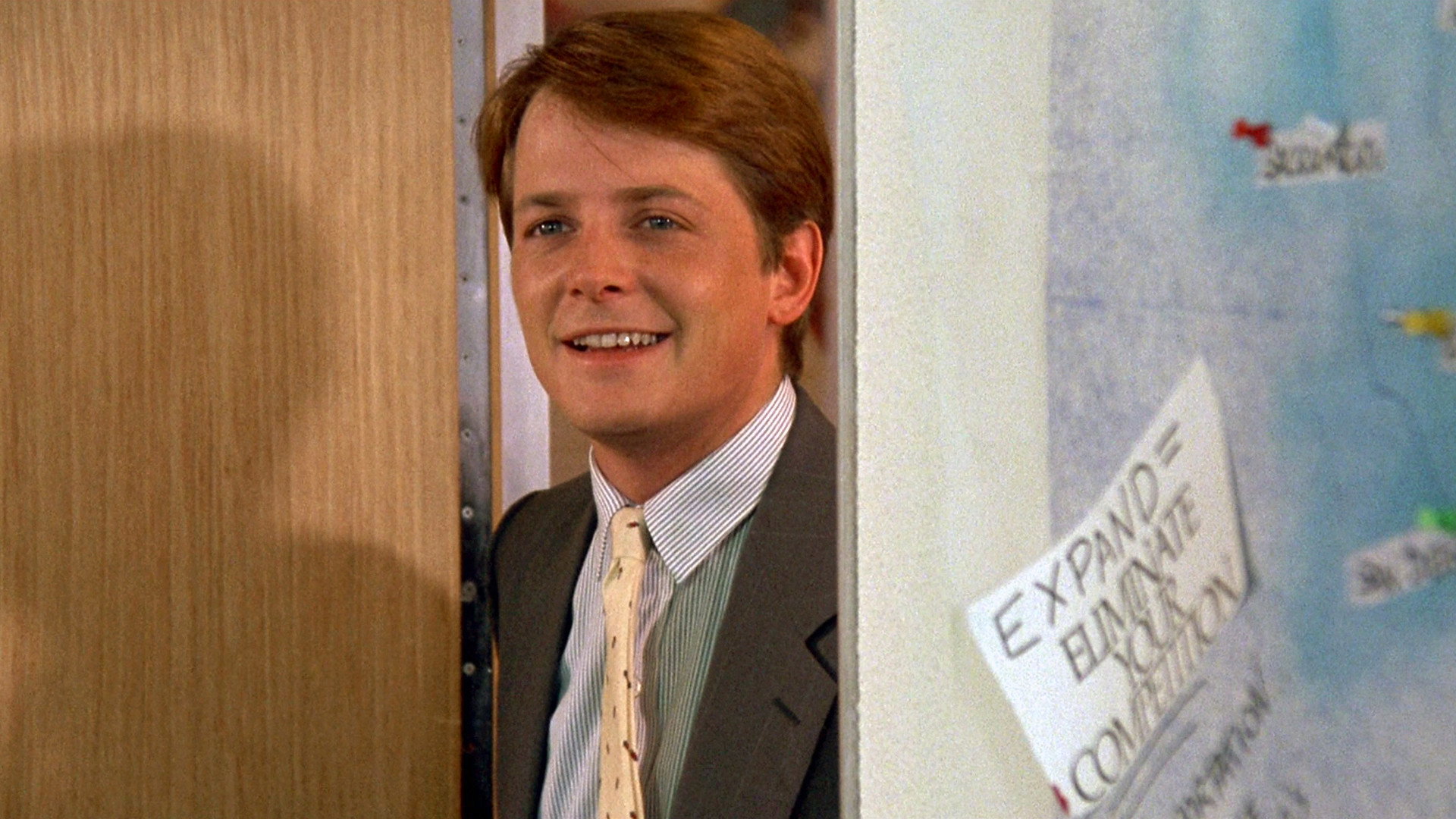
Plenty of actors could have played Brantley Foster, but very few could have made the character likable enough to survive the premise. Michael J. Fox could. That was his superpower in the 80s. He was fast without being slick, ambitious without seeming cruel, and mischievous without drifting into smugness. He had already sold America on Alex P. Keaton and Marty McFly, two characters built on intelligence, speed, and a kind of caffeinated confidence. Brantley sits right between them.
What Fox brings to The Secret of My Success is more than charm. He gives the film its rhythm. The movie only works if you believe Brantley can think three steps ahead while panicking in real time. Fox was uniquely good at that kind of performance. He could look cornered, inspired, terrified, and delighted within the same scene. That made the movie feel quick and alive even when the underlying mechanics were pure fantasy.
It also helps that Fox was at the peak of his movie-star momentum. Short Circuit and other high-concept 80s hits proved audiences loved fast, high-energy crowd-pleasers, and Fox understood exactly how to anchor that sort of movie without weighing it down. In Brantley Foster, he became the human version of the decade’s favorite slogan: stay hungry, move fast, smile through the chaos.
It Captured Peak Yuppie New York Without Pretending to Be Deep

The movie’s real co-star is New York in its full late-80s fantasy form. Everything is polished glass, polished shoes, mirrored lobbies, expensive apartments, and corporate spaces that feel built for seduction as much as business. This is Manhattan as aspiration machine. Even when Brantley is lost or broke, the city still glitters. That matters because the movie is not trying to critique that world from the outside. It is trying to bottle its intoxicating surface and invite you in.
That is part of what makes the film such a revealing artifact now. The 1980s sold success as spectacle. You did not just want a good job. You wanted the office with the view, the wardrobe upgrade, the status symbols, the sense that you had cracked the code of adult life. The Secret of My Success leans into that with almost no shame. It treats corporate ambition as a romantic adventure. The boardroom is a stage. The city is a maze. Every elevator ride feels like it might change your life.
Modern viewers sometimes come to the film expecting either a satire or a takedown. It is not really either one. It is too breezy for full satire and too dazzled by its own surfaces for moral seriousness. But that is what makes it such a great nostalgia watch. It does not explain the 80s from a safe historical distance. It feels like it was marinated in the decade’s actual fantasies.
The Supporting Cast Knew Exactly What Movie They Were In

One reason the film moves so well is that the supporting cast never plays it small. Helen Slater gives the movie an appealing romantic center without turning Christy into a generic reward for Brantley’s hustle. Richard Jordan brings real authority to Howard Prescott, the executive titan whose company becomes the battlefield. Margaret Whitton, meanwhile, understands the exact temperature needed for this kind of glossy 80s farce. Her Vera Prescott is outrageous, funny, predatory, and perfectly tuned to the movie’s heightened tone.
That heightened tone is important. The Secret of My Success contains the kind of sexual politics, workplace behavior, and broad comic setups that could only come from its era. Some of it absolutely feels dated now, and pretending otherwise would be silly. But the cast commits so fully to the rhythm of the piece that the movie remains entertaining even when it gets deeply ridiculous. Everyone seems to understand that they are playing in a shiny comic universe where timing matters more than realism.
This is also where the film picks up a lot of its rewatch value. Great nostalgia movies do not just remind you of what happened. They remind you of how movies used to move. This one snaps. Scenes are built around entrances, reversals, near-discoveries, and rapidly escalating misunderstandings. It is old-school studio farce filtered through late-80s greed culture.
Its Soundtrack and Energy Feel Like a Capsule From 1987

You cannot really separate this movie from its music. Night Ranger’s title song, “The Secret of My Success,” does a huge amount of tonal work before the plot even gets going. It tells you exactly what kind of ride you are on: upbeat, glossy, motivational, and just a little ridiculous. Like so many 80s soundtracks, it turns the movie’s central fantasy into an anthem. There is no irony to it. The song is there to pump you up and sell the dream.
That approach feels almost alien now. Modern soundtracks often wink at the audience or chase mood. In the 80s, a movie like this wanted a full-on mission statement. It wanted montage fuel. It wanted music that sounded like ambition in shoulder pads. The Secret of My Success absolutely delivers that.
The pacing follows the same logic. There is no dragging middle section where the film starts doubting itself. It keeps escalating. Brantley gets deeper into his own fiction, the romantic entanglements get messier, the business stakes keep growing, and the whole machine keeps moving with an almost musical sense of momentum. That is one reason people who catch it on cable or streaming still get unexpectedly hooked. The movie knows how to keep humming.
The Movie Also Exposes the Weird Morality of 80s Success Culture

For all its bounce, this is also a movie about a culture that admired hustle so much it sometimes forgot to ask basic ethical questions. Brantley lies constantly. He manipulates appearances. He slides between classes, identities, and power structures by performing competence until people accept it as fact. In another era, that would be the setup for a cautionary tale. Here it is more like a naughty form of wish fulfillment.
That tells you a lot about what popular culture was rewarding at the time. The 80s were crowded with stories about winners, climbers, sharks, strivers, and talented rule-benders who treated institutions as puzzles to be hacked. Some of those stories were openly cynical. Others, like this one, wrapped that worldview in romantic-comedy packaging and let the audience enjoy the fantasy with minimal guilt.
Watching it now, you can see both the charm and the blind spots. It is funny. It is energetic. It also belongs to a moment when corporate success itself was often presented as an exciting moral adventure rather than a system with real costs and distortions. That tension makes the film more interesting than its reputation sometimes suggests.
Why The Secret of My Success Still Works on Rewatch
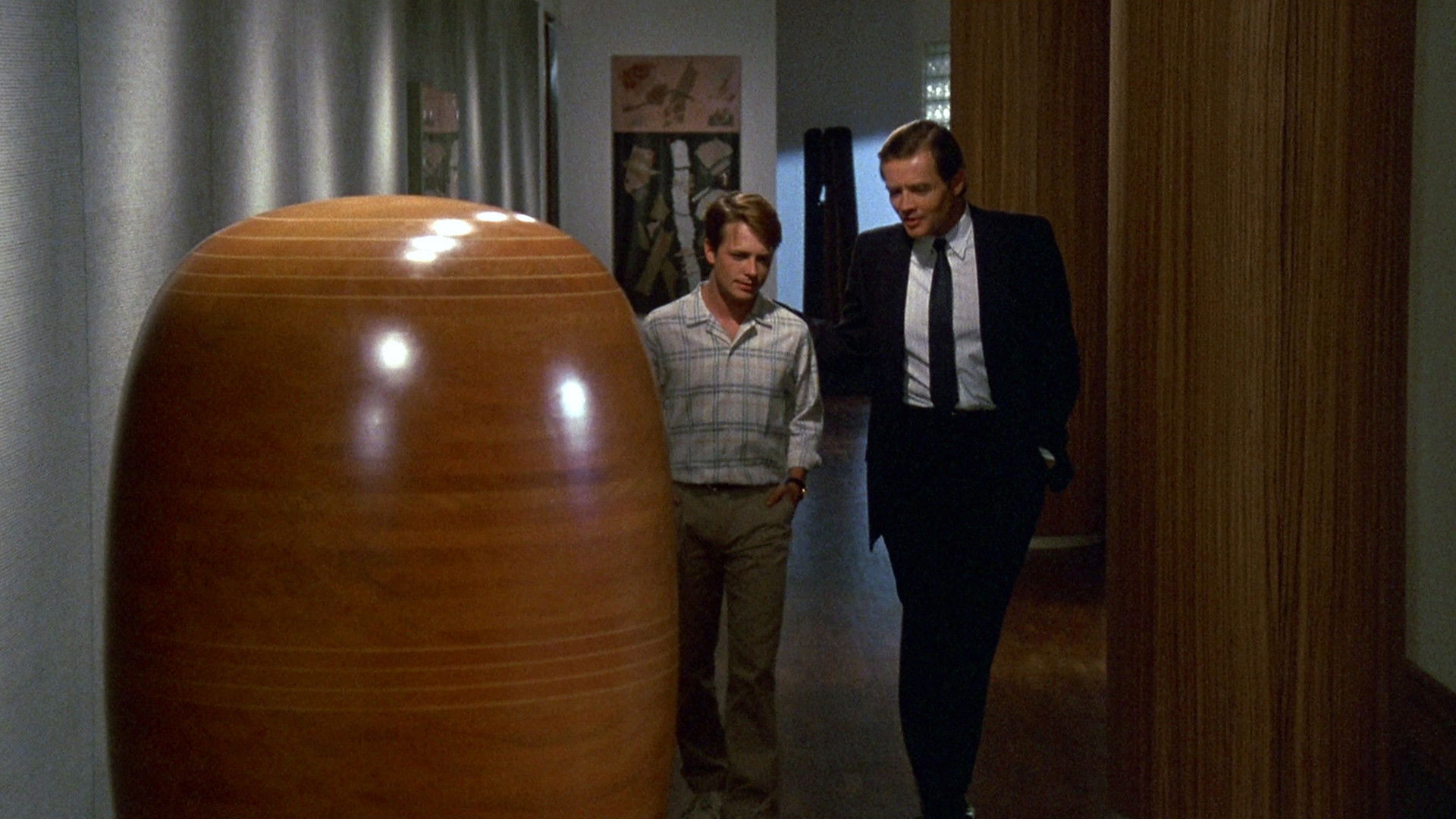
Not every 80s hit ages well. Some survive only as artifacts. Others become embarrassing. The Secret of My Success hangs on because it understands entertainment at a craft level. It has a star with real velocity, a clean comic premise, a specific cultural setting, and enough visual gloss to make the fantasy feel tangible. It is not a masterpiece, but it does not need to be. It just needs to deliver the sensation it promises, and it absolutely does.
It also benefits from the way nostalgia has shifted. For years, the movie lived in the shadow of Michael J. Fox’s bigger titles. That made sense. Back to the Future was a generational landmark. Family Ties was a television institution. But as more people have revisited Fox’s filmography, The Secret of My Success has started to look like one of the most purely 80s entries in the whole catalog. It is less iconic than Marty McFly, maybe, but it is more revealing about the decade that produced it.
It belongs in the same conversation as other era-defining screen fantasies about money, image, and reinvention. If you enjoy glossy pop artifacts that say as much about their moment as they do about their plot, this one is worth revisiting. And if you already love movies that feel inseparable from neon ambition and Manhattan wish-fulfillment, it is practically required viewing.
April 10, 1987 Still Feels Like the Right Birthday for This Movie

There is something perfect about this film arriving in early April 1987. It feels like the season itself mattered. Spring in New York, fresh graduates imagining their future, a culture still high on upward mobility myths, and a movie built entirely around the thrill of sneaking into a better life before anyone notices. The Secret of My Success did not just happen to open on April 10. It fits that moment in American pop culture almost too neatly.
Today the movie plays as both entertainment and evidence. It reminds you how much the 80s believed in ambition as performance. It shows how movies once sold adulthood as a flashy race through cities, offices, and romantic complications. And it gives you Michael J. Fox at full speed, turning a ridiculous premise into something charming enough that you still want to go along with it.
That is why it remains a worthy On This Day entry for Retro Radical. It is not just an old movie that opened on this date. It is a vivid artifact from the exact kind of 80s dream factory this site exists to celebrate and interrogate. On April 10, 1987, a very specific fantasy of success hit the screen. Nearly four decades later, it still looks glossy, strange, and unmistakably of its time.
If you want another trip into the era’s offbeat energy, Retro Radical’s pieces on ALF and Fraggle Rock make a good follow-up. Different worlds, same decade, same confidence that entertainment could build an entire atmosphere and make you want to live inside it.
Sources
- IMDb: The Secret of My Success — release date, cast, and production overview.
- Box Office Mojo: The Secret of My Success — box office performance data.
- Roger Ebert review (1987) — contemporary critical response.
- Remind Magazine: fun facts and trivia — retrospective context on the film’s legacy.
- The Secret of My Success (1987 film) — production and soundtrack background.
- TMDb entry and image gallery — stills and backdrop references for the film.