
Thou Shalt Not Sample: The Lawsuit That Changed Golden Age Hip-Hop Forever
In 1991, a federal judge quoted the Bible and tried to break hip-hop’s most powerful tool. Here’s how the sampling wars forged the golden age sound.
In 1991, a federal judge quoted the Bible and tried to break hip-hop’s most powerful tool. Here’s how the sampling wars forged the golden age sound.
The MCs got the credit. But before the mic, there was the beat — and the producers who built it changed American music forever.
In 1994, golden age hip-hop reached its creative peak in a twelve-month window that gave the world Illmatic, Ready to Die, and an era that Gen X still carries.
Two labels. Two coasts. One rivalry that produced the greatest run of albums in hip-hop history — and ended with two unsolved murders that closed the Golden Age forever.
In the heart of golden age hip-hop, Dr. Dre slowed the tempo, cranked the synths, and made the West Coast sound like a cruise down Crenshaw with the top down.

Before streaming, before the internet, one afternoon show taught suburban Gen X kids the language of Golden Age hip-hop (1990-1999). Here is how Yo! MTV Raps did it.
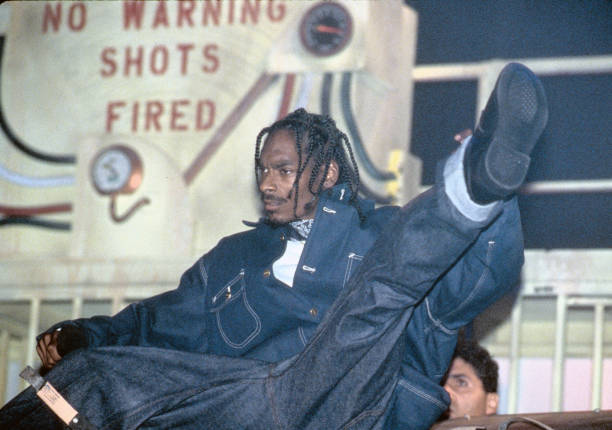
In December 1992 Dr. Dre pressed play on a slow, synth-soaked bassline and the center of gravity in Golden Age hip-hop slid west. This is how The Chronic turned G-Funk into the sound of the decade.

New York, Los Angeles, and Atlanta each built a sound of their own — and the friction between them made the 90s the golden age of hip-hop.

From The Chronic to Illmatic, the Golden Age of hip-hop turned the 1990s into the most fearless decade rap ever had. Here’s how it happened.