
How Grunge Killed Hair Metal: The 1991 Rock Revolution
How a scrappy Seattle scene in muddy flannel dethroned the most glamorous era in rock history—and why a generation raised on MTV never quite got over it.

How a scrappy Seattle scene in muddy flannel dethroned the most glamorous era in rock history—and why a generation raised on MTV never quite got over it.

From Sub Pop basements to MTV domination, grunge wasn’t just a sound — it was a complete cultural reset built on three cheap ingredients.
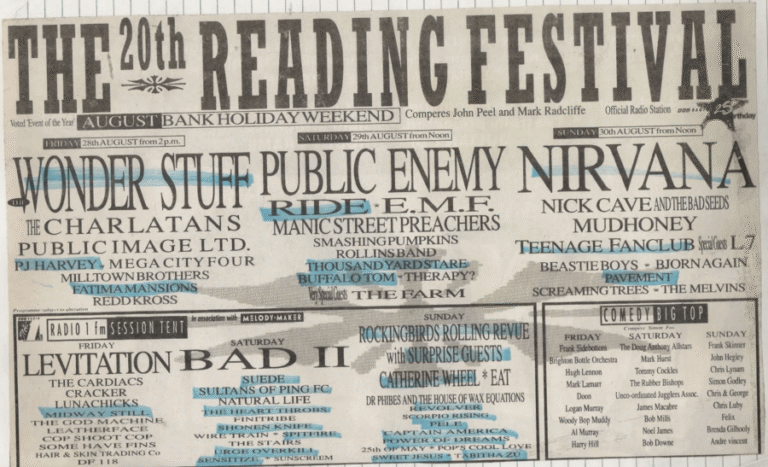
Grunge was more than a sound. It was a thrift-store wardrobe, a slacker worldview, and a generational pivot. Here is what it actually was — music, fashion, and culture in one piece.
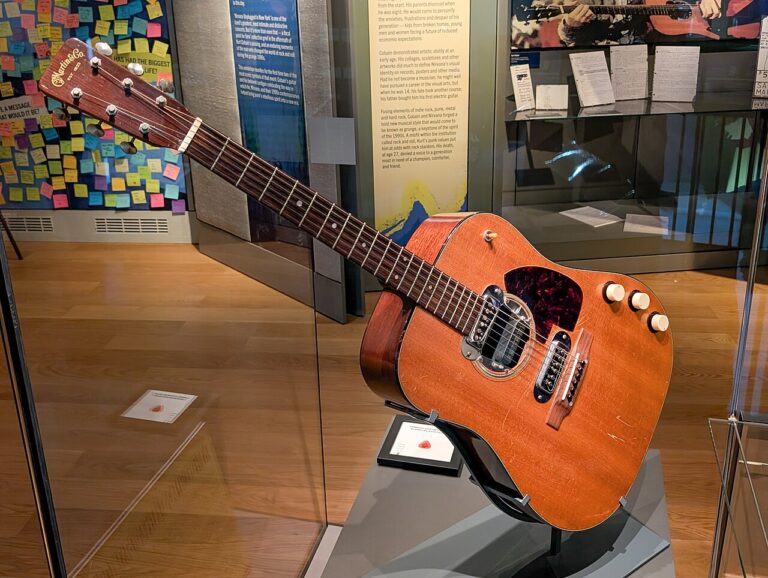
An olive-brown mohair cardigan with cigarette burns sold at auction for $334,000 in 2019. Looking back, it was the cleanest signal that grunge was about to come roaring back into fashion — and the clearest preview of how Gen Z would get it both right and wrong.

The Seattle grunge scene history did not begin in 1991 with Nirvana’s Nevermind. It began about seven years earlier in a 550-capacity Pioneer Square bar, a black-walled Belltown art club, and a triangular wooden shed in Ballard that recorded bands for under a thousand bucks an album. By the time MTV figured out what was…
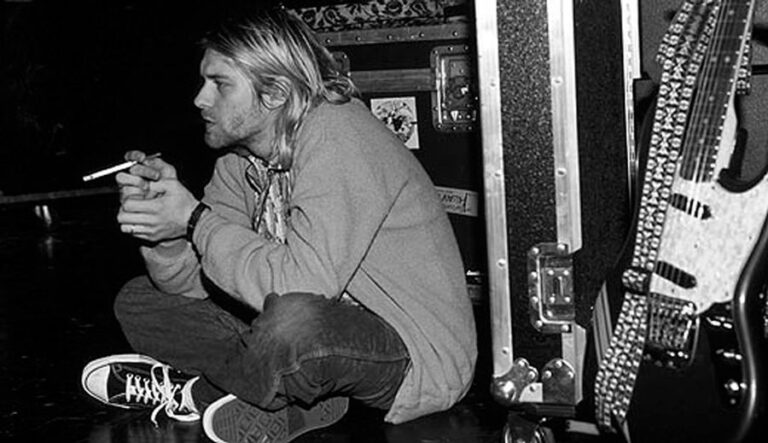
The grunge resurgence in 2020s fashion dragged flannel, Doc Martens, and slip dresses out of the back of the closet — and Gen Z is wearing them like they invented the whole thing.
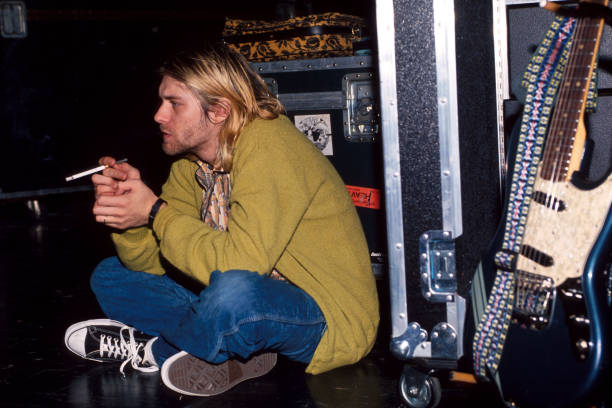
Grunge vs punk wasn’t a sound clash — it was a family feud over selling out, fashion, and who really owned rock’s angry soul.

Cameron Crowe moved to Seattle in 1991 and made a romantic comedy that accidentally became the most accurate document of grunge ever filmed.

Grunge owned the early 90s — flannel, feedback, and a generation’s bad mood. Then it imploded almost as fast as it landed. Here’s how it lived and why it died.

Seattle, September 1991. Nirvana drops Nevermind, MTV puts “Smells Like Teen Spirit” on heavy rotation, and within twelve months a generation of American teenagers has quietly burned their acid-wash jeans. The 90s grunge style guide that emerged from that fall wasn’t really a guide at all — it was a refusal. A refusal to polish,…