90s Grunge Style Guide: Flannel, Docs and Attitude
Seattle, September 1991. Nirvana drops Nevermind, MTV puts “Smells Like Teen Spirit” on heavy rotation, and within twelve months a generation of American teenagers has quietly burned their acid-wash jeans. The 90s grunge style guide that emerged from that fall wasn’t really a guide at all — it was a refusal. A refusal to polish, to pose, to participate in the gleaming spandex economy of the 1980s. Flannel over a Daniel Johnston tee, jeans with a hole in the knee that nobody ripped on purpose, eight-eyelet Doc Martens already creased from a year of wear. That was the uniform, and it spread from Aberdeen to suburban malls faster than any fashion editor predicted.
Thirty-five years later, grunge has done something almost no other youth subculture has managed — it stuck around without becoming costume. The 90s grunge style guide I’m laying out here covers the actual building blocks: what to wear, how to wear it, where it came from, and why teenagers who weren’t born until 2008 keep showing up to school dressed like they’re auditioning for Singles. We’ll walk through the flannel, the boots, the jeans, the band tees, the layering, and the resurgence — with real photos and the real history behind each piece.
The Flannel: Grunge’s Signature Piece
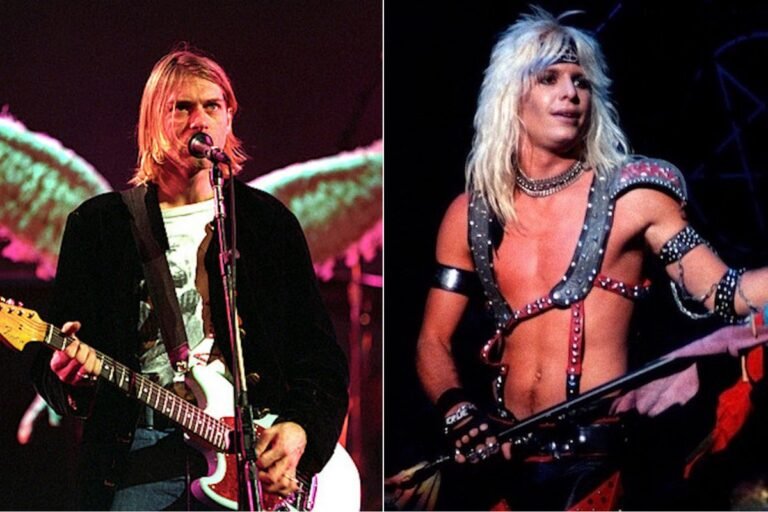
If grunge had a uniform, the oversized flannel shirt was its centerpiece. Worn open over a band tee, tied around the waist, or buttoned up with nothing underneath — flannel was the Swiss Army knife of 90s fashion. Kurt Cobain, Eddie Vedder, and Chris Cornell all made the humble lumberjack shirt look effortlessly cool, but the appeal wasn’t the celebrities. The appeal was that a flannel cost eight dollars at Goodwill and looked better the worse it got.
The Retro Almanac
A monthly roundup of "on this day" highlights from that month, decades back — plus first dibs on new retro merch drops. No spam, just the good stuff.
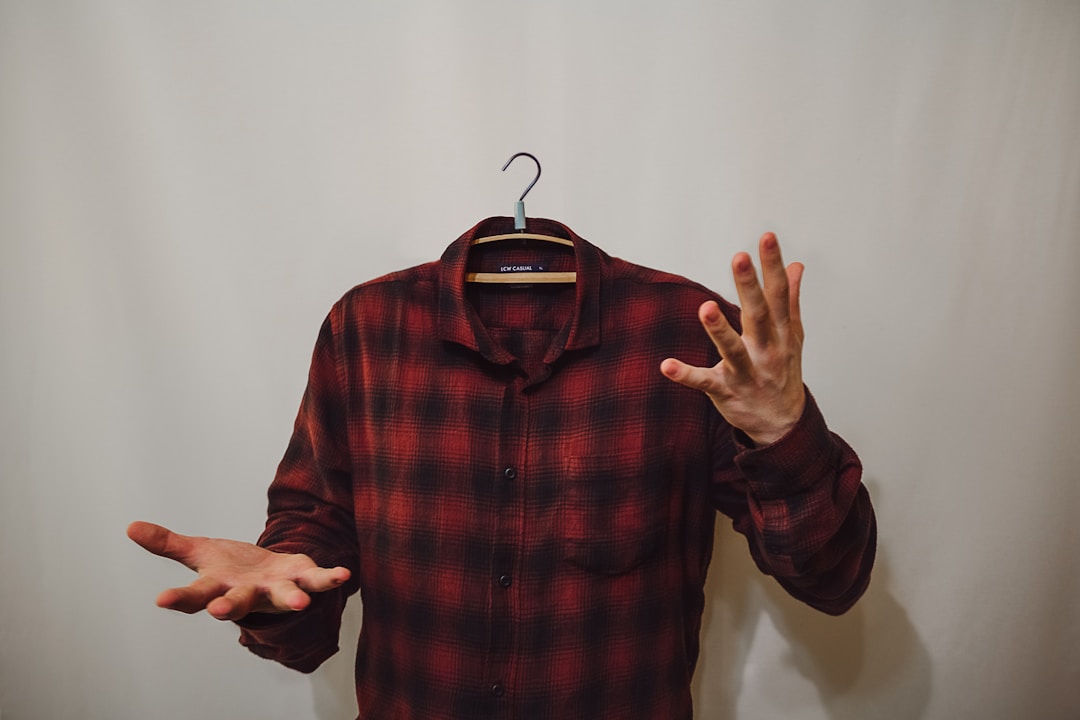
The key to authentic grunge flannel is the fit. You want it oversized — think one or two sizes up from your normal — because the shirt is supposed to look borrowed, not bought. The fabric should be soft and worn, not crisp and new. Earth tones dominate: deep reds, forest greens, mustard yellows, navy blues. Buffalo plaid and tartan patterns are the classics, but any plaid works as long as it doesn’t look like it came off a J.Crew mannequin yesterday. A hard rule I’d defend: never iron a grunge flannel. The wrinkles are the point.
The flannel’s job in the layering system was simple. It was a third layer that could be added or shed without ceremony. Cold morning at the bus stop? Buttoned up. Mosh pit getting sweaty? Tied around the waist. Walking home in the rain? Pull the cuffs over your knuckles. The flannel made grunge functional in a way 80s glam never tried to be — these were clothes you could actually live in.
Doc Martens and Combat Boots: Built to Survive the Mosh Pit
From the waist down, grunge meant boots. Specifically, Dr. Martens 1460s in oxblood or black — the eight-eyelet original that British factory workers had been wearing since 1960. Combat boots from army surplus stores filled the same role for kids whose parents wouldn’t spring for the real thing. Either way, the silhouette was the same: heavy, scuffed, laced loose, worn with everything from ripped jeans to babydoll dresses.
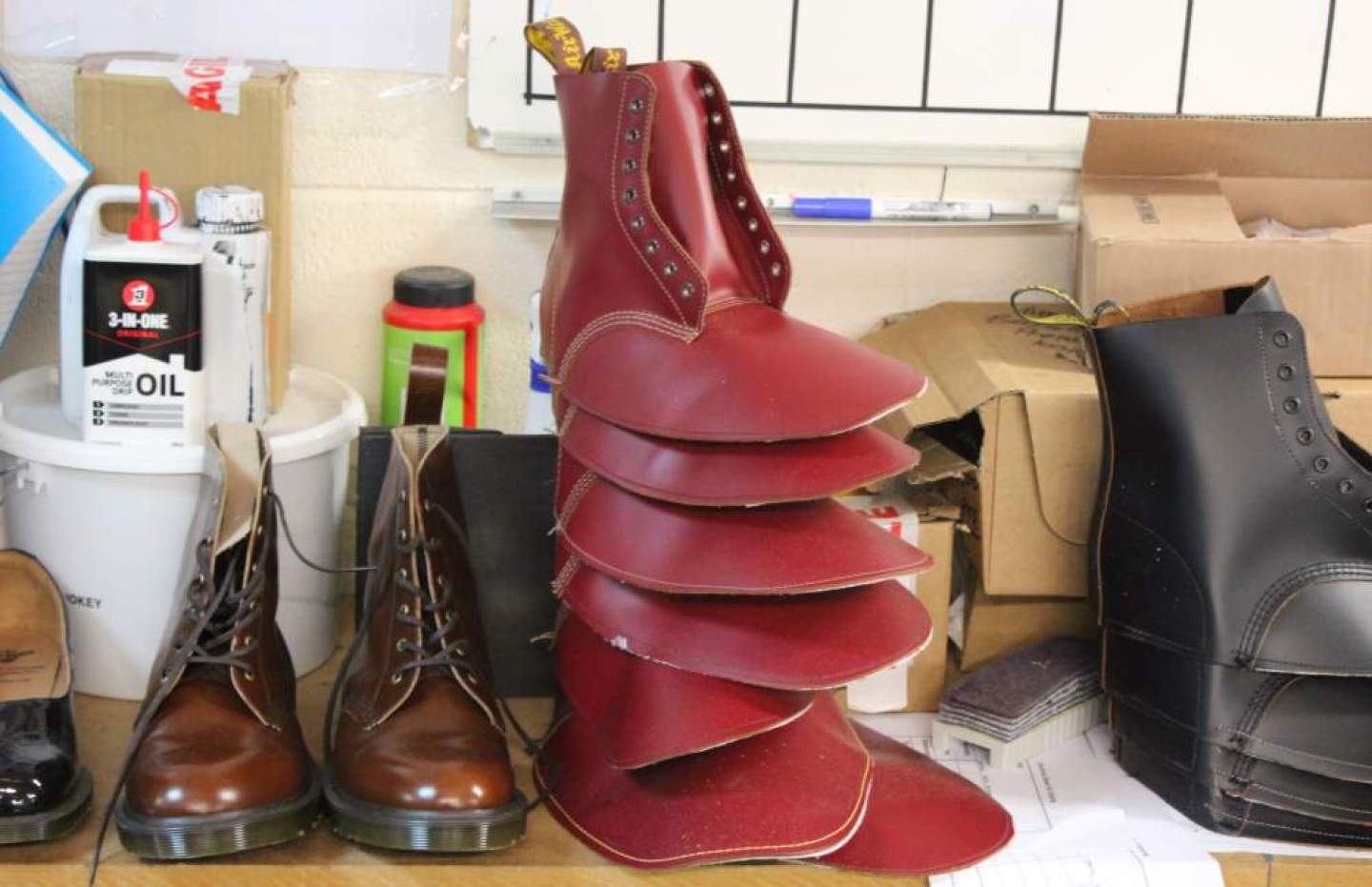
The reason Docs won the grunge footwear war was durability. A pair lasted four or five years of daily abuse, and the leather softened into something the brand could never sell you new — that earned, salt-stained patina was a status symbol you couldn’t buy. By 1993, Doc Martens were selling 10 million pairs a year worldwide, up from 1 million at the start of the decade, and the company had to open a second factory in Northampton just to keep up. Grunge did that. Not advertising. The recent Gen Z Doc Martens resurgence is running the same playbook.
If you couldn’t afford Docs — and most kids couldn’t, they ran $90-110, which was real money in 1992 — combat boots from the army-navy store did the job. So did Converse Chuck Taylor high-tops in black, white, or the magic neutral that was old-and-dirty. The footwear rule was anti-pretty. Anything you’d wear to prom was wrong. Anything you’d wear to a punk show was right.
Ripped Jeans: The 501 Was Everything
The denim of choice was Levi’s 501s, preferably someone else’s, preferably from the late 70s when the indigo was deeper and the cotton hadn’t been over-processed. The rips were never bought rips — that became the cardinal sin once the look went mainstream and the mall started selling distressed jeans for $58. Real grunge jeans got their holes the honest way: skateboarding, sitting on too many curbs, snagging on a chain-link fence behind the Reciprocal Recording studio.
Fit-wise, the jeans sat at the natural waist (not low-rise — that was a late-90s development), broke heavy on the boot, and were almost always one shade darker than the wearer’s mood. Bleached spots were fine. Patches were fine. Cuffing them once at the ankle to show off your Docs was practically a regional dialect — every Seattle kid I knew did it. Boys and girls wore essentially the same cut; grunge was the first major American fashion movement where the male and female silhouettes deliberately collapsed into each other.
Band Tees and Cardigans: Kurt Cobain’s Layering Code
Underneath the flannel, grunge wore a band tee. Not a “vintage” band tee printed last week in Los Angeles — an actual one, ideally for a band only six other people in your city had heard of. Sonic Youth, Mudhoney, Daniel Johnston, Melvins, Bikini Kill, Sebadoh. The point of the band tee was tribal identification. If you wore a Tad shirt in 1992, you were broadcasting a specific set of allegiances, and the people who recognized it were your people. The vintage band tee collector market exists today because of exactly this dynamic.
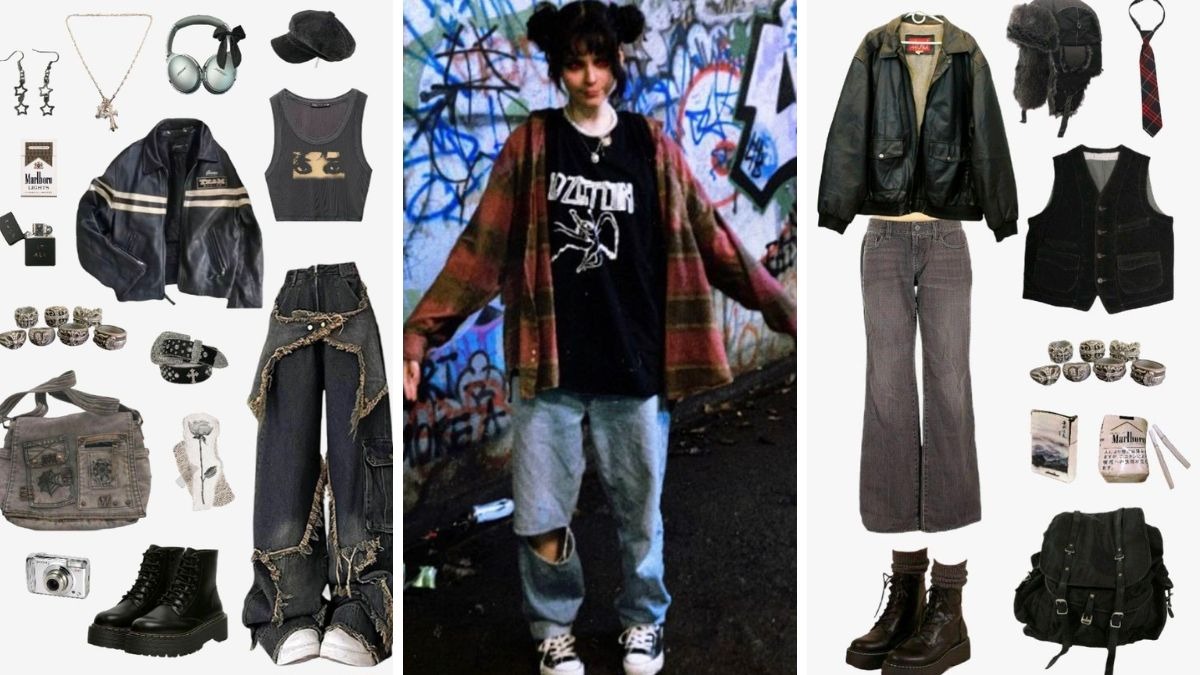
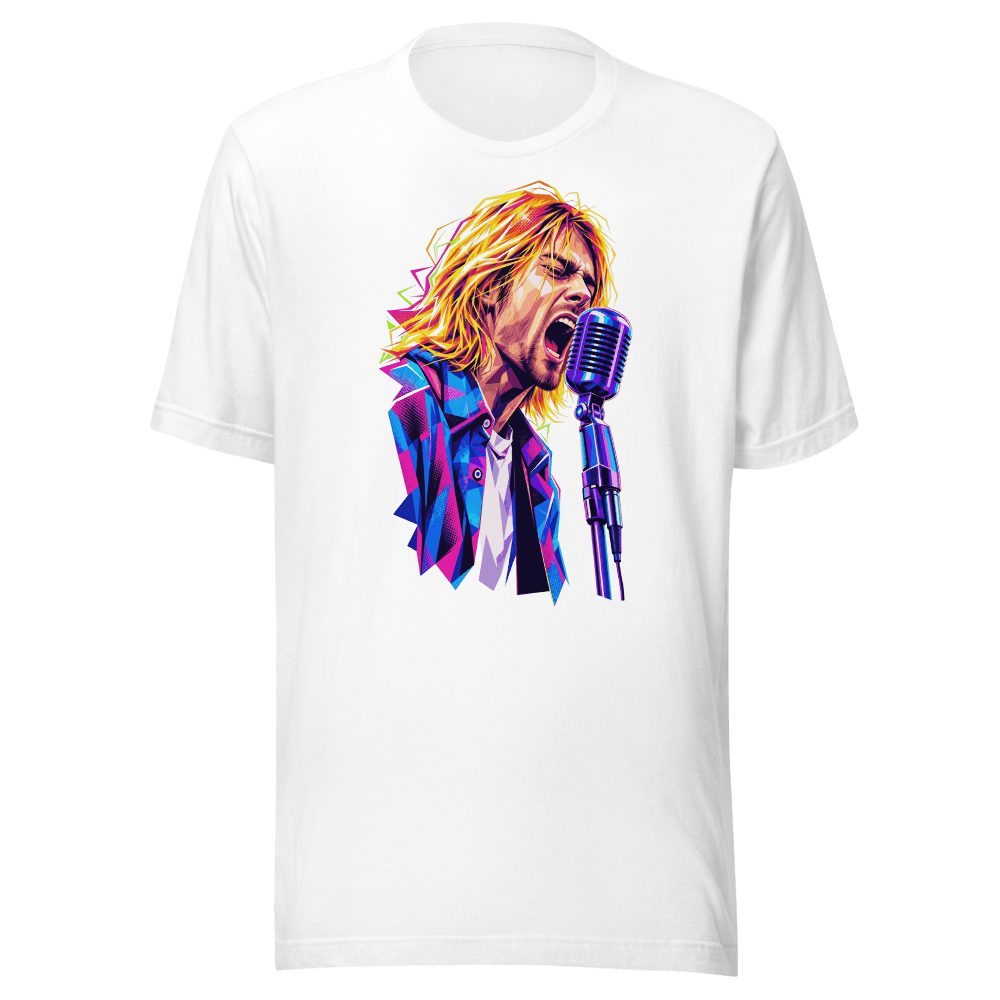
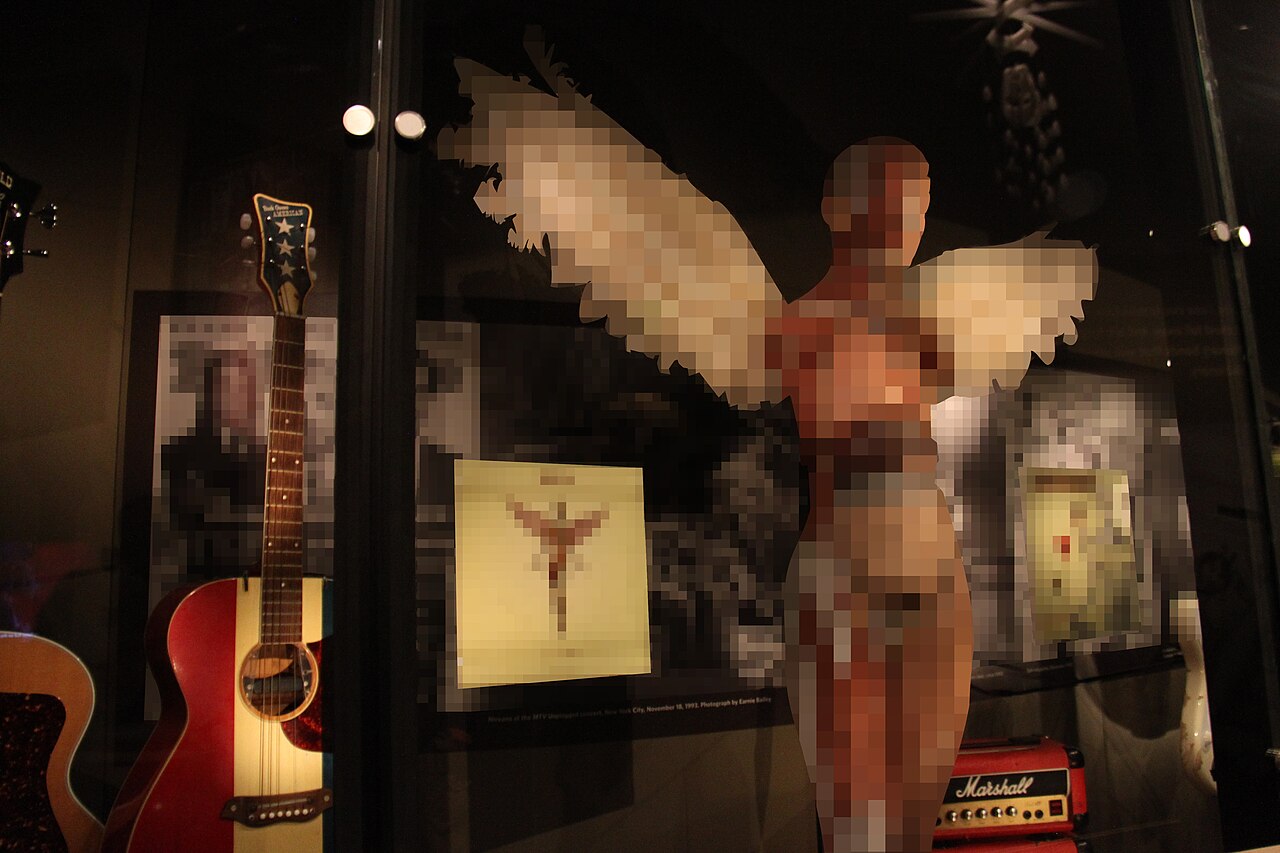
Then there was the cardigan. Kurt Cobain wearing a moth-eaten olive-green cardigan on MTV Unplugged in November 1993 may be the single most influential piece of fashion documentation in alternative-rock history. That cardigan — Manhattan Brand, button-up, with a cigarette burn near the left pocket — sold at Julien’s Auctions in 2019 for $334,000. The lesson grunge took from Cobain wasn’t “buy a cardigan.” It was “wear what’s already in the house.” His grandmother’s. His sister’s. A dead uncle’s. The clothing had history, and the history was the point.
For T’s deeper dive into the Cobain wardrobe specifically, these seven iconic Kurt Cobain outfits map the whole arc from Bleach-era thrift core to the Unplugged cardigan moment.
Slip Dresses Over T-Shirts: The Courtney Love Effect
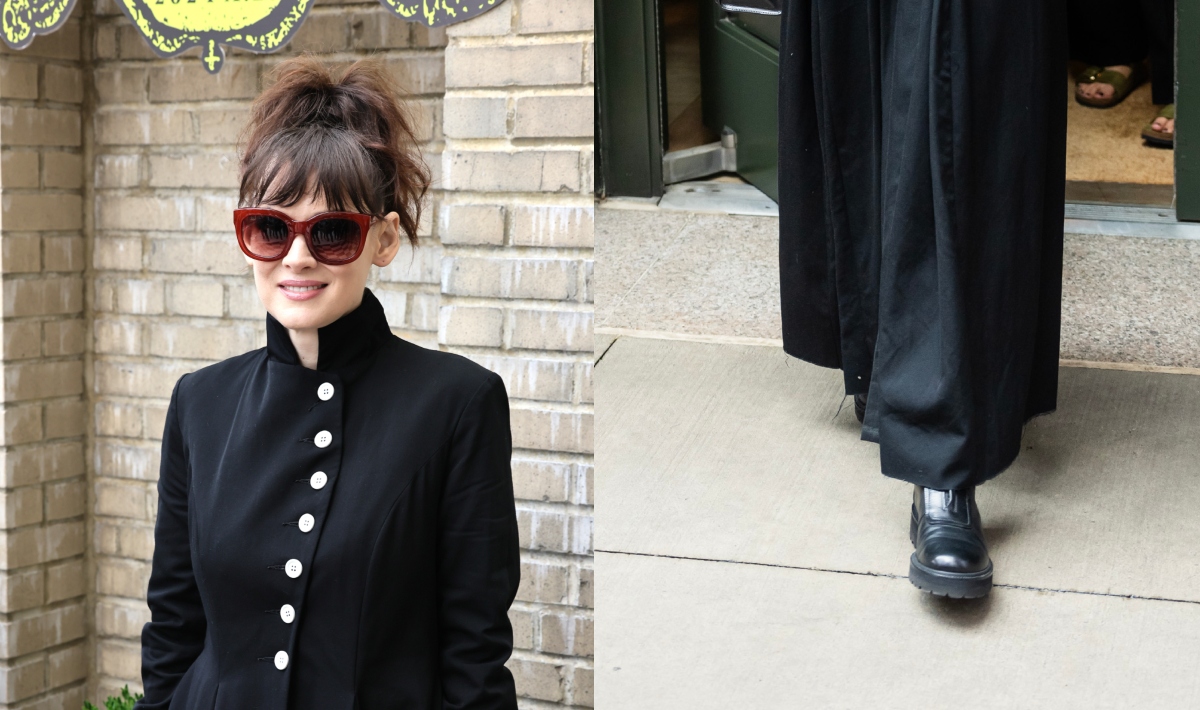
The female side of the grunge silhouette borrowed everything from the male side — flannel, Docs, ripped 501s — and then added one piece the boys never figured out. The slip dress. Worn over a stretched-out white tee, with combat boots, with a choker, with smudged kohl eyeliner that looked like it had survived three sets at the Crocodile Cafe. Courtney Love made that look famous. Hope Sandoval and Kim Gordon made it interesting. Drew Barrymore wore it to the 1995 MTV Movie Awards and the look officially crossed over.

What made the slip-dress-with-boots silhouette work was the contradiction. The dress was satin, lingerie-coded, traditionally feminine. The boots were heavy, military, anti-pretty. Putting them together created the visual sentence grunge was trying to make all along: I am not what you expected, and I am not asking permission. Kinderwhore, the subgenre Courtney Love kept pushing in interviews, took the same logic further with babydoll dresses, ripped tights, and tiaras. It scared parents. That was a feature.
Accessories rounded out the look without ever dominating it. Black plastic chokers — real ones, not the resin reproductions Etsy sells now. Beanies pulled low over the eyebrows, regardless of season. Hemp necklaces from the booth at the all-ages venue. The occasional Hypercolor shirt if you wanted to wink at the mainstream while still rejecting it. Makeup, when worn at all, looked slept-in: dark lipstick, smudged liner, no foundation.
How Grunge Crossed Over to High Fashion (And Got a Designer Fired)
In November 1992, Marc Jacobs sent his Spring 1993 collection down the runway at Perry Ellis. It was grunge. Flannel shirts in silk. Beanies on the models. Dr. Martens-style boots. Slip dresses over tees. The collection got mixed reviews, sold poorly, and Perry Ellis fired Jacobs within months. Anna Wintour reportedly hated it. The clothes ended up at sample sales for fractions of their retail price.
Here’s the punch line: that collection is now considered one of the most influential American runway shows of the 1990s. Every grunge revival since — Hedi Slimane at Saint Laurent in 2013, the late-2010s indie sleaze recycling, the current Gen Z heroin-chic conversation — traces back to what Jacobs did at Perry Ellis. The truth is, most people who hated that collection didn’t hate the clothes. They hated that street style had walked uninvited into the building. Vogue’s retrospective on the collection details exactly how much the industry tried to bury it before it became canon.
The Jacobs episode mattered for grunge style because it set the template every later resurgence has followed. Step one: a designer notices kids on the street. Step two: the designer interprets the look for a runway. Step three: the fashion press recoils. Step four: ten years later, the same press claims they always loved it. We’re somewhere between step three and step four on the current cycle.
The Seattle Scene That Made the Clothes Mean Something
Grunge style didn’t materialize out of nowhere. It came from a specific city, a specific weather pattern, and a specific economic reality. Seattle in the late 80s and early 90s was cheap, rainy, and full of warehouses that had emptied out after Boeing’s mid-decade layoffs. Bands could rent practice space for $200 a month. The Sub Pop Records office on First Avenue could sign you, press your single, and ship it to college radio stations in under six weeks for less than three thousand dollars.

That economic context shaped the clothing. Seattle is cold and wet eight months a year, so layering is survival, not style. Boots make sense because the sidewalks flood. Flannel makes sense because half the kids’ dads worked at Weyerhaeuser. The thrift stores were stocked because the city was bleeding manufacturing jobs and the displaced workers were selling their wardrobes to make rent. The clothes carried meaning before any band put them on stage.
By the time the rest of the country caught on in 1992, the look was already mutating. Kurt Cobain told Jonathan Poneman of Sub Pop, in a frequently quoted but probably apocryphal exchange, that he found mainstream grunge “embarrassing” within months of Nevermind hitting number one. The originals stopped wearing what they’d been wearing because suddenly the kids at the mall were wearing it too. That tension — authenticity collapsing under exposure — is the fundamental story of every subculture, but grunge experienced it faster than most.
Grunge in 2026: Why Gen Z Keeps Pulling It Back
Walk through any high school in Brooklyn, Berlin, or Taipei in 2026 and the visual evidence is hard to miss. Flannel is back. Doc Martens are selling at peak-1993 numbers — the company posted £1.06 billion in revenue in their last fiscal year. Slip dresses over tees are filling TikTok’s “indie sleaze” tag with 4.2 billion views. The current resurgence is being driven by kids who weren’t alive when Kurt Cobain died, which is the cleanest indicator that grunge has officially become a permanent layer in the American style vocabulary rather than a passing phase.
What the Gen Z version gets right: the layering, the boots, the rejection of glossy fast fashion. What it occasionally gets wrong: buying pre-distressed flannel at Urban Outfitters for $68 instead of finding a real one for $7 at Buffalo Exchange. The whole point of grunge was that the clothes were cheap and the meaning was earned. A flannel bought new with manufactured pilling carries none of the freight a real thrifted shirt does. My honest opinion: if you’re going to do grunge in 2026, do it the original way — actual thrift store, actual broken-in boots, actual band tee for a band you’ve actually seen.
Building Your Own Grunge Wardrobe: A Practical Starter Kit
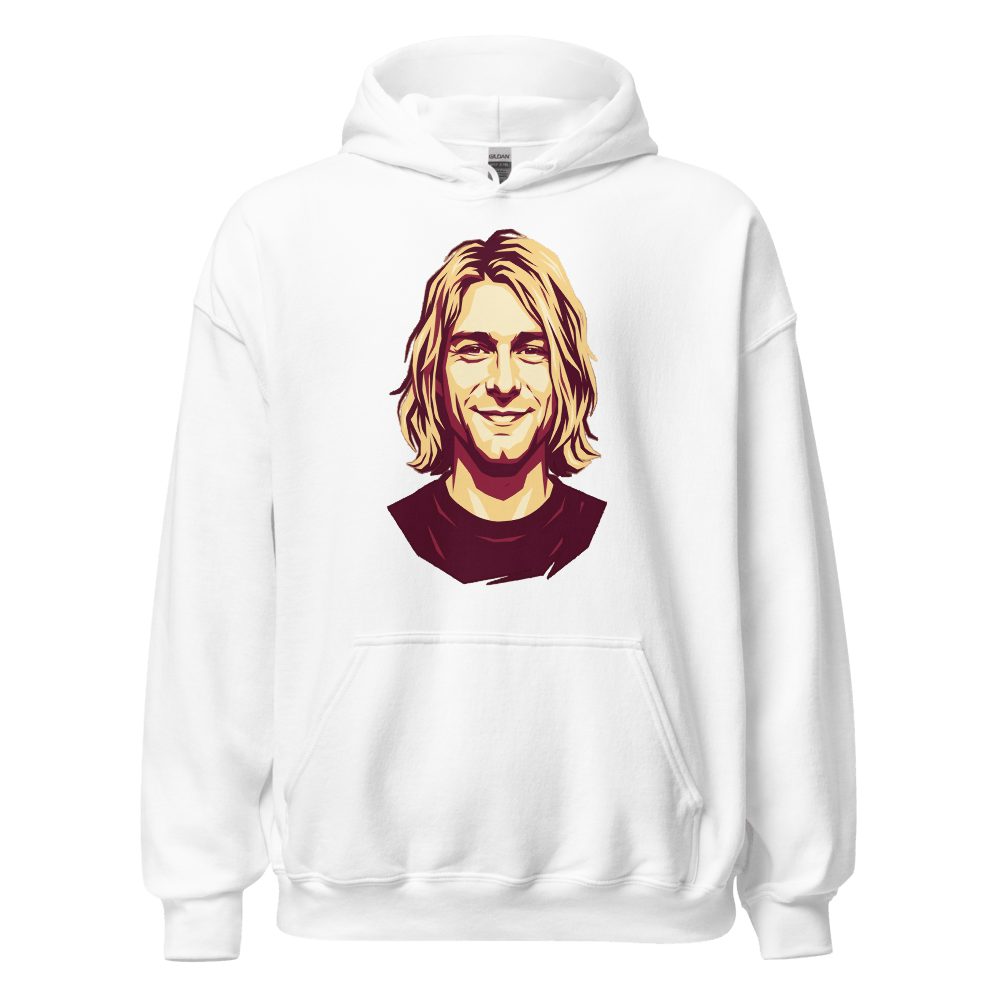
If the 90s grunge style guide above sounds appealing and you want to actually build the wardrobe, the entry point is dirt cheap and the process is half the fun. Start at the thrift store with a real budget — call it $80 total — and you can walk out with the entire base layer. Two flannels in different plaid patterns ($16). A pair of broken-in 501s ($18). Three band tees or plain white tees ($12). A cardigan in a sad earth tone ($14). That leaves $20 for socks, a beanie, and bus fare home.
The boots are where you actually have to spend. Real Doc Martens 1460s currently retail around $170, and the cheap knockoffs fall apart in six months — I’ve watched this happen to three different friends. If $170 is out of reach, scout eBay and Depop for second-hand 1460s in your size; well-broken-in pairs in good shape go for $50-70 and look better than new ones anyway. Avoid any pair listed as “vegan leather Docs” — they don’t develop the same patina, which is the entire point.
Last note on assembly: resist the urge to coordinate. Grunge that looks coordinated stops being grunge and starts being costume. Mismatched plaids, dirty boots over a satin slip, a beanie in July because you just felt like it — these are the moves. The original style guide for 90s grunge fashion was written by teenagers who were trying not to think about clothes. The trick to wearing it well in 2026 is doing the same.
The Soundtrack That Wrote the Dress Code
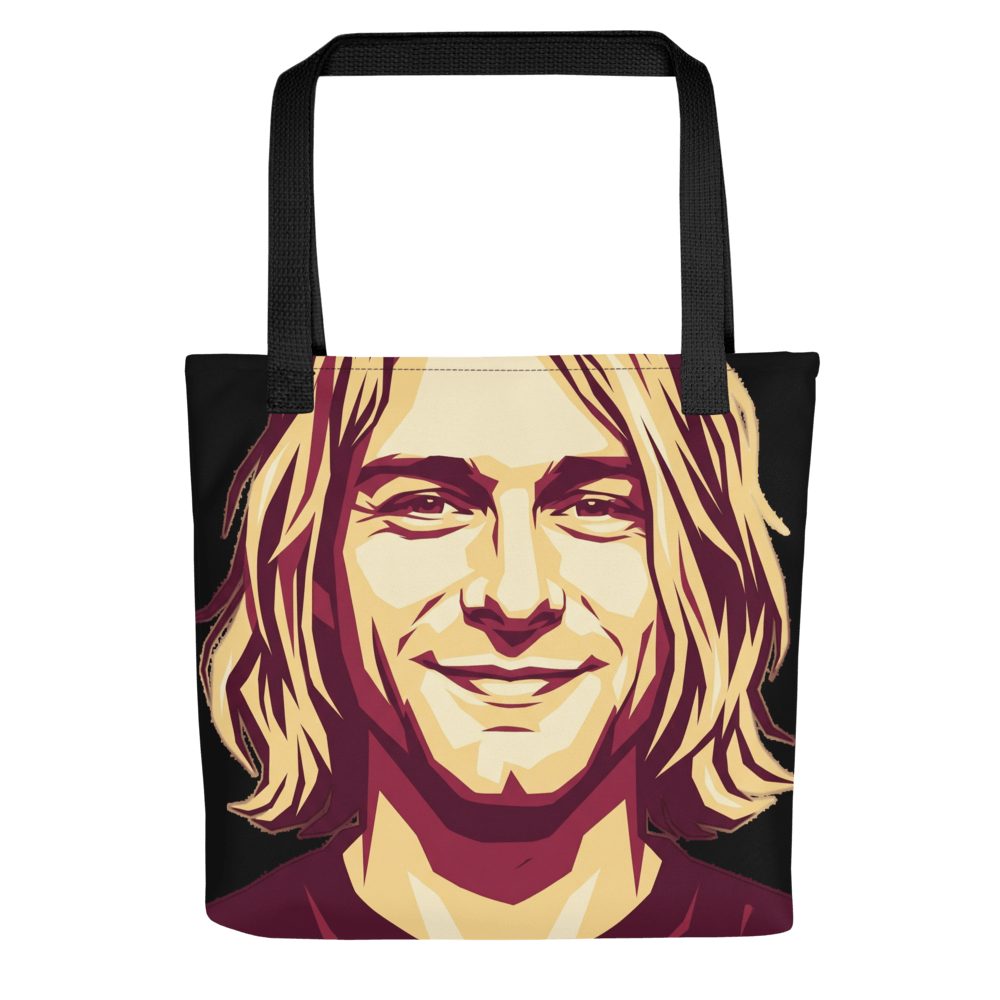
You can’t write about the visual side of grunge without acknowledging the song that pushed it into every suburban mall in America. The “Smells Like Teen Spirit” video — directed by Samuel Bayer, filmed in a Culver City auditorium on August 17, 1991 — is essentially a four-and-a-half-minute commercial for the entire grunge wardrobe. Watch the cheerleaders, the slacker extras in the bleachers, Cobain’s striped tee under the cardigan. The clothes are doing as much narrative work as the song.
Sources
- Vogue — How Marc Jacobs’s Perry Ellis Grunge Collection Changed Fashion — retrospective on the 1993 runway show that got Jacobs fired
- Sub Pop Records — Label History — official history of the Seattle indie label that signed Nirvana, Mudhoney, and Soundgarden
- Rolling Stone — Kurt Cobain’s Unplugged Cardigan Auction Result — coverage of the $334,000 sale of the green cardigan from MTV Unplugged
- Dr. Martens — Brand History — the official timeline of the 1460 boot from 1960 to today
- The Fashion Law — Inside the Grunge Collection That Got Marc Jacobs Fired — business-side context on the Perry Ellis decision
Browse retro and vintage-inspired apparel at the RetroRadical shop →
The Retro Almanac
A monthly roundup of "on this day" highlights from that month, decades back — plus first dibs on new retro merch drops. No spam, just the good stuff.