80s Arcade Games: The Golden Age Legends That Defined Gaming Culture
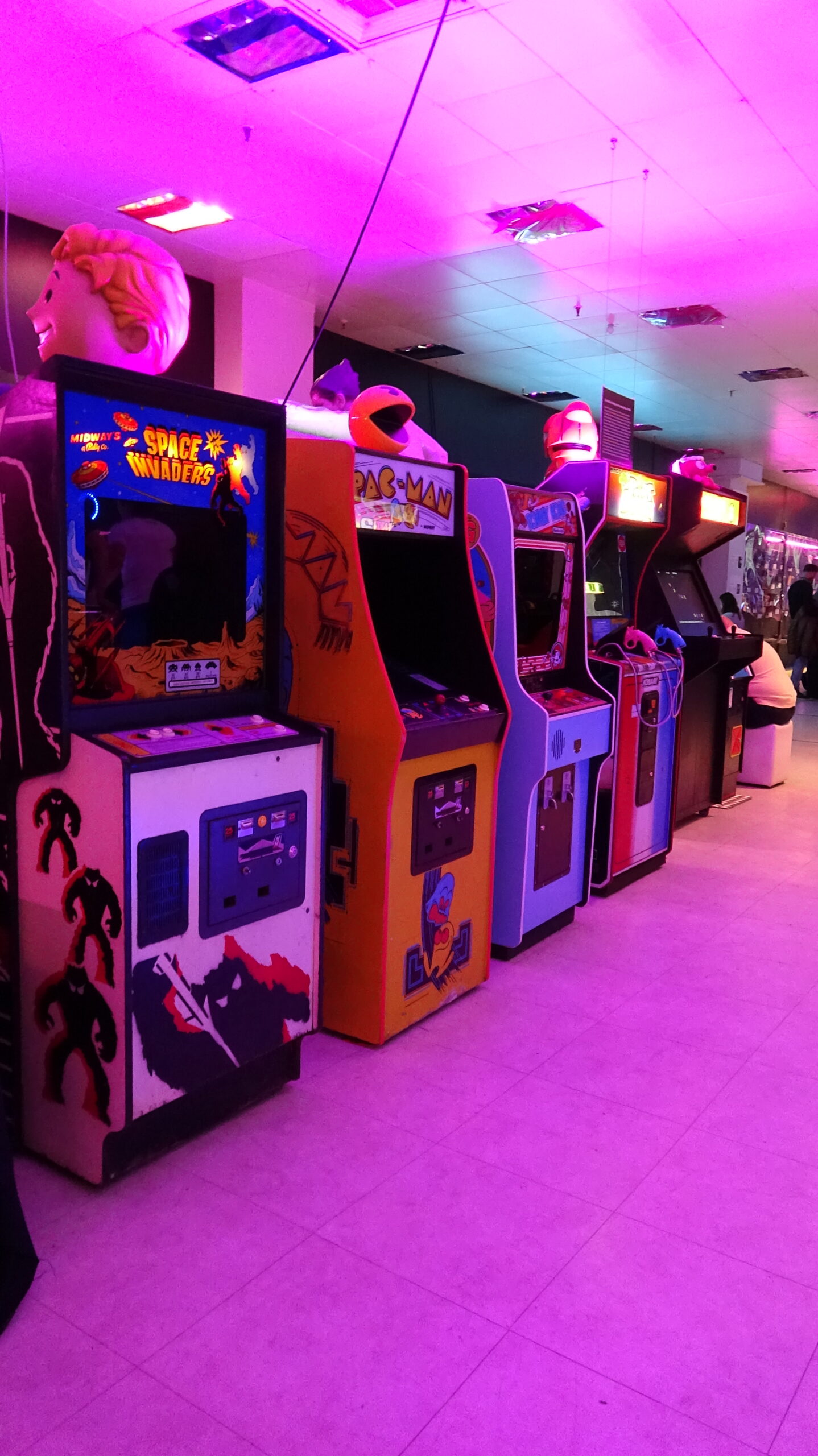
The 1980s marked the absolute peak of arcade gaming, when quarter-munching cabinets ruled shopping malls and pizza parlors across America. 80s arcade games weren’t just entertainment—they were cultural phenomena that shaped an entire generation’s relationship with technology and competition. From the maze-chasing frenzy of Pac-Man to the platforming revolution of Donkey Kong, these pixelated masterpieces created the foundation of modern gaming.
Walking into an arcade in 1982 was like entering a neon-lit temple of electronic wizardry. The cacophony of bleeps, bloops, and digital explosions mixed with the constant clink of quarters dropping into slots. This was where legends were born, high scores were chased, and friendships were forged over shared joysticks and competitive spirit.
The Birth of the Golden Age
The golden age of arcade games officially kicked off with the massive success of Pac-Man in 1980, but it was the explosion of creativity throughout the early 80s that truly defined the era. Game developers pushed the limits of what was possible with limited memory and processing power, creating experiences that felt magical despite their technical constraints.
Unlike today’s complex gaming landscapes, classic arcade machines had to hook players instantly. You had maybe 30 seconds to convince someone to drop a quarter into your machine instead of the dozen other games competing for attention. This pressure created some of the most immediately engaging gameplay mechanics ever designed.
The arcade scene of the 1980s represented pure democracy in gaming. Your age, background, or social status meant nothing when you stepped up to a cabinet—only your skill with an 8-way joystick and a few buttons mattered. This created a unique social environment where 12-year-olds could earn respect by achieving impossible high scores on Galaga.
Pac-Man: The Yellow Phenomenon
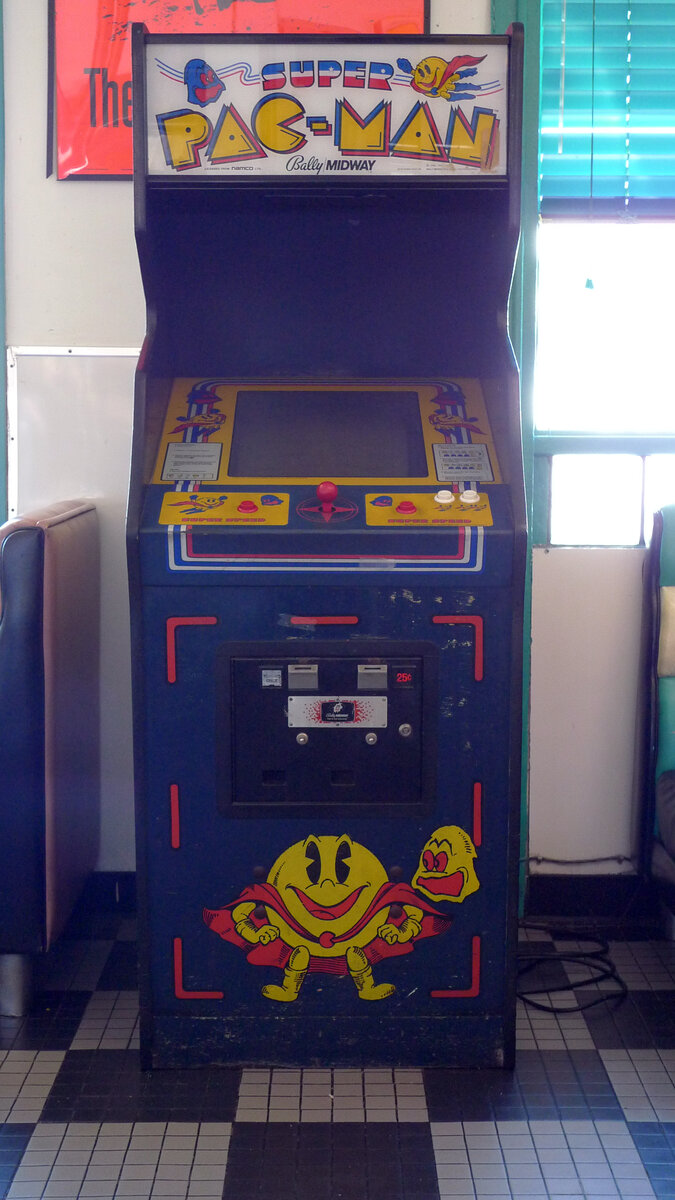
No discussion of 80s arcade games can begin without acknowledging Pac-Man’s earth-shaking impact. Released by Namco in 1980, this simple maze game became the most recognizable video game character in history. The concept was brilliant in its simplicity: navigate a maze, eat dots, avoid ghosts, and occasionally turn the tables with a power pellet.
What made Pac-Man revolutionary wasn’t just its addictive gameplay, but its crossover appeal. For the first time, an arcade game attracted female players in significant numbers, breaking gaming’s early male-dominated stereotype. The game generated over $1 billion in quarters during its first year—more than the highest-grossing movie of 1980.
Pac-Man’s cultural impact extended far beyond arcades. The character appeared on lunch boxes, Saturday morning cartoons, hit songs (“Pac-Man Fever” by Buckner & Garcia), and countless merchandise. The game proved that video game characters could become genuine pop culture icons, paving the way for Mario, Sonic, and every gaming mascot that followed.
Donkey Kong and the Nintendo Revolution
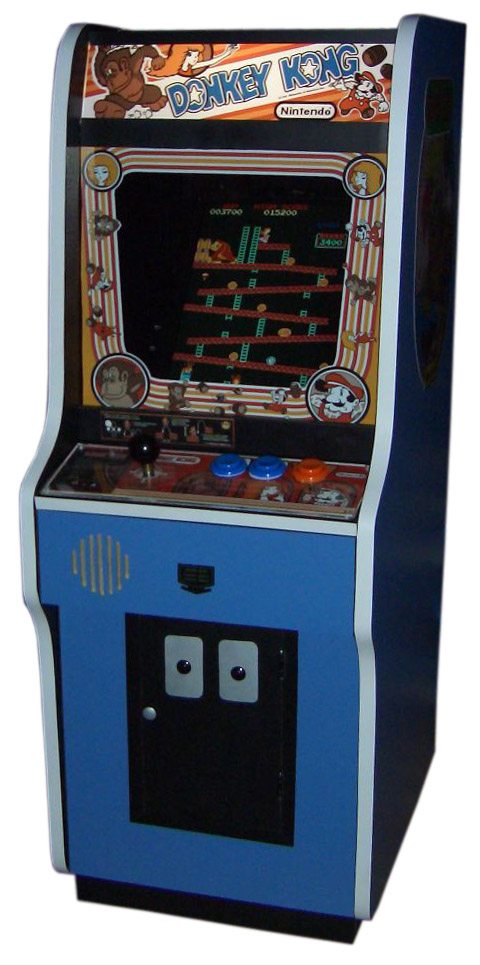
Nintendo’s Donkey Kong, released in 1981, introduced the world to two gaming legends: the barrel-throwing ape himself and a humble carpenter named Jumpman (later renamed Mario). This platformer established many conventions still used in games today—jumping to avoid obstacles, multiple screen layouts, and progressive difficulty that kept players coming back.
The game’s creator, Shigeru Miyamoto, drew inspiration from King Kong and Popeye cartoons, creating something that felt familiar yet entirely new. The simple premise—rescue Pauline from an angry ape by climbing construction sites—masked incredibly precise gameplay mechanics that required perfect timing and spatial awareness.
Donkey Kong’s success launched Nintendo’s American arcade expansion and introduced concepts that would define vintage arcade games for the rest of the decade. The multi-screen format, where each level presented different challenges, became the template for countless arcade adventures that followed. This design philosophy would later influence 80s pop culture phenomenon including Saturday morning cartoons that featured video game characters.
Space Invaders and the Shooter Revolution
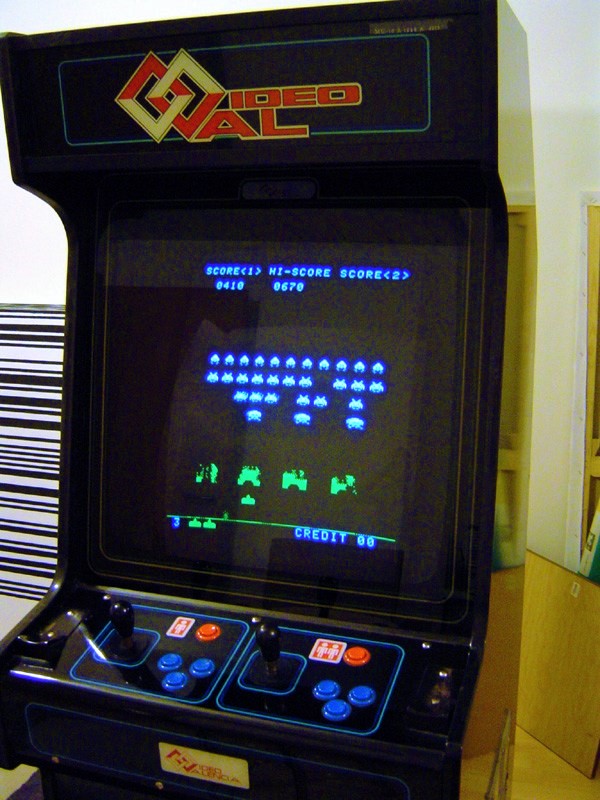
Although technically released in 1978, Space Invaders reached its cultural peak in the early 1980s and established the template for every shooter that followed. The game’s premise was elegantly simple: destroy waves of descending aliens before they reach Earth. But beneath this simplicity lay sophisticated gameplay mechanics that kept players engaged for hours.
The genius of Space Invaders was its escalating tension. As you destroyed more aliens, the remaining invaders moved faster, creating an increasingly frantic pace that perfectly matched the adrenaline rush of arcade gaming. The game introduced the concept of lives, high scores, and the “one more quarter” addiction that defined arcade culture.
Space Invaders also pioneered many technical innovations that influenced 80s arcade development. The distinctive sound effects, created with minimal audio hardware, became instantly recognizable. The game’s success proved that simple concepts executed perfectly could capture imaginations worldwide. This influence extended beyond gaming into other aspects of 80s culture, much like how 80s workout culture embraced technological innovation and repetitive, addictive patterns.
Asteroids: Vector Graphics Mastery
Atari’s Asteroids (1979) showcased the unique visual style of vector graphics, creating crisp, bright lines against black backgrounds that looked unlike anything else in arcades. Players controlled a triangular spaceship in an asteroid field, using rotation, thrust, and weapon controls to survive increasingly chaotic encounters.
The game’s physics-based movement and 360-degree rotation created a learning curve that separated casual players from dedicated enthusiasts. Mastering Asteroids required understanding momentum, trajectory, and spatial reasoning in ways that most classic arcade machines didn’t demand. This depth kept serious players coming back for months.
Asteroids introduced several innovations that influenced arcade design throughout the 80s. The wraparound screen edges, where objects disappeared on one side and reappeared on the other, created unique strategic possibilities. The game also featured one of the first prominent high score save systems, making arcade visits into long-term competitive quests.
Centipede and Trackball Innovation
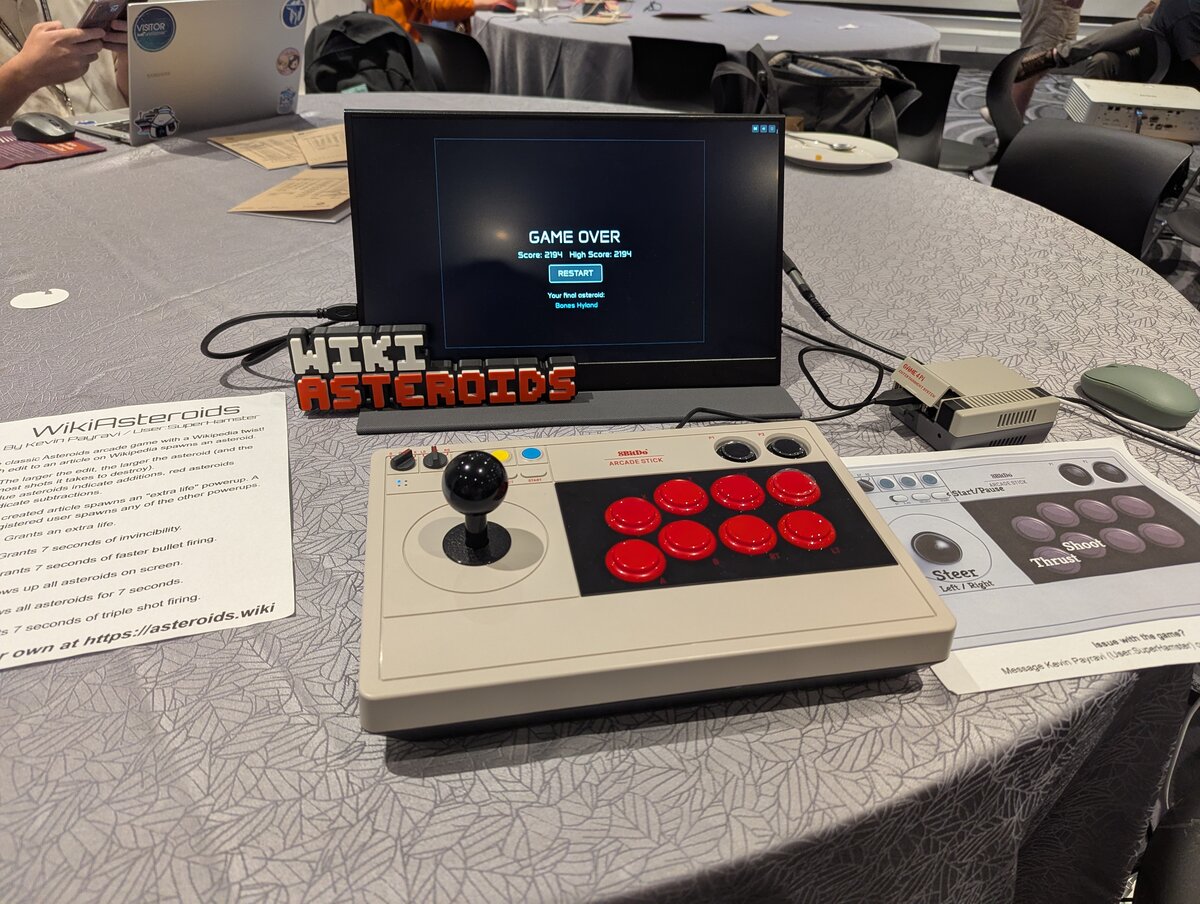
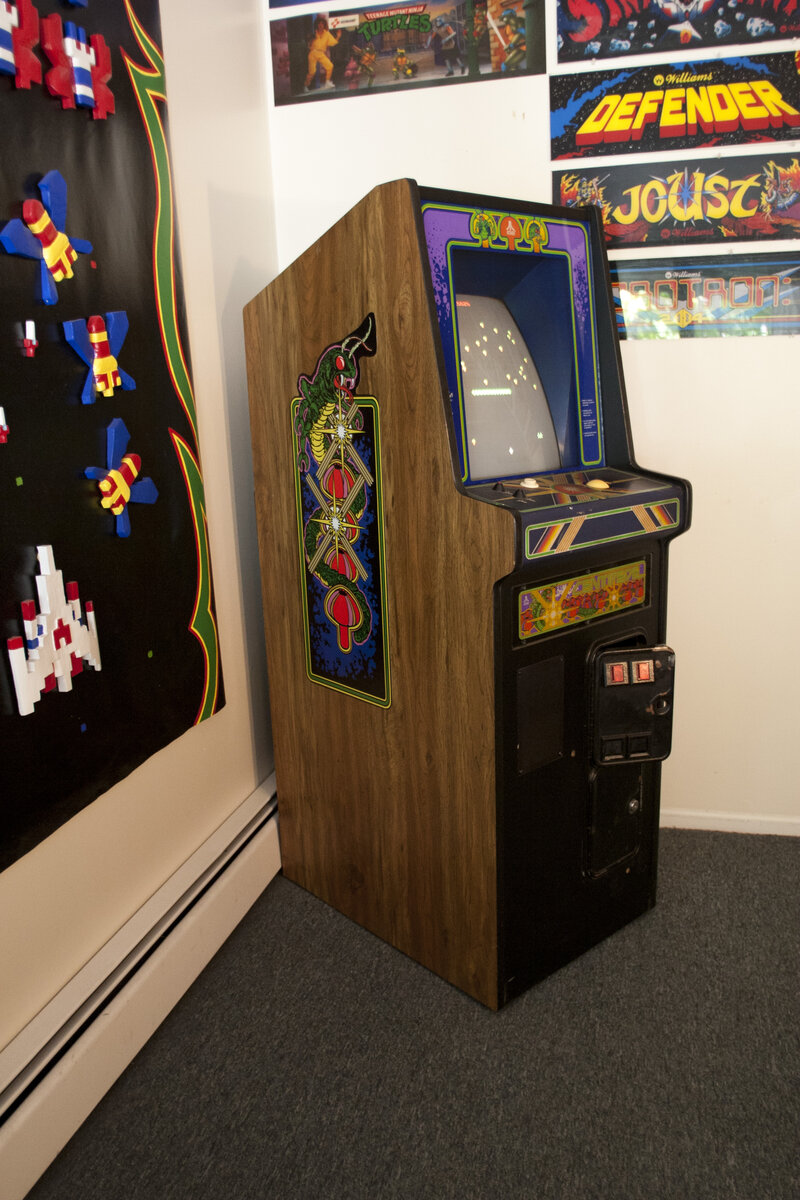
Atari’s Centipede (1981) proved that innovative control schemes could create entirely new gameplay experiences. The game’s trackball controller allowed for precise, analog movement that felt completely different from traditional joystick controls. Players controlled a cursor at the bottom of the screen, shooting at a segmented centipede that wound its way down through a field of mushrooms.
What made Centipede special was its accessibility combined with surprising depth. The trackball made the game approachable for players who struggled with digital joystick controls, while the strategic element of mushroom placement created layers of complexity for advanced players. The game also featured some of the most satisfying sound effects in arcade history.
Centipede’s success demonstrated that 80s arcade games could succeed by innovating on control schemes rather than just graphics or sound. The trackball became Atari’s signature input method, appearing in several subsequent releases throughout the decade.
Galaga: The Perfect Evolution
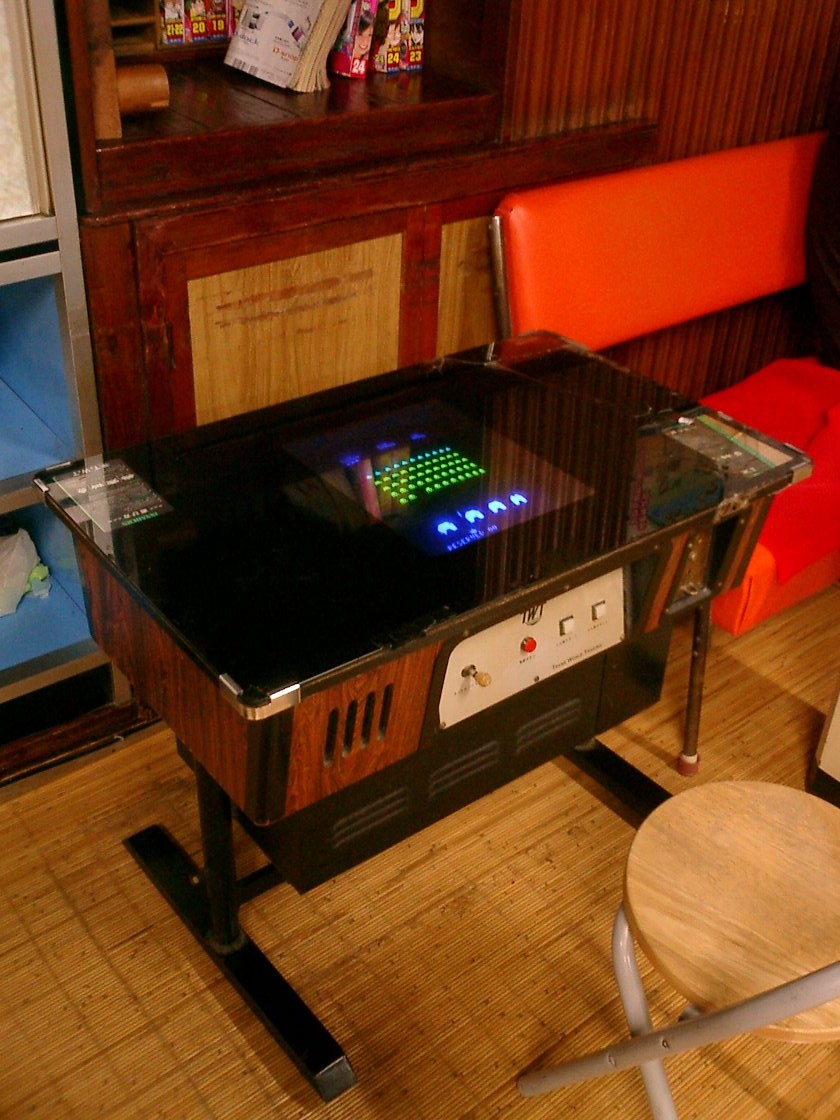
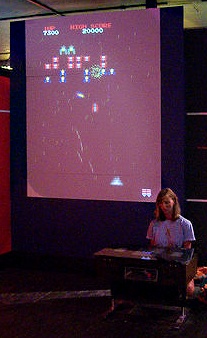
Namco’s Galaga (1981) took the Space Invaders formula and perfected it with formation-flying enemies, challenging bonus stages, and the innovative “captured ship” mechanic. While maintaining the straightforward shooter appeal that made its predecessor successful, Galaga added strategic depth that kept players engaged for years.
The game’s most memorable feature was the tractor beam attack, where certain aliens could capture your ship and turn it against you. Successfully destroying the captor alien freed your ship, giving you dual firepower for the rest of the level. This risk-reward mechanic created genuine tension in every encounter with those special enemies.
Galaga’s bonus stages, featuring aliens flying in elaborate patterns without firing back, provided perfect score-chasing opportunities. These intermission levels showcased the aliens’ personalities while giving players a chance to rack up points without the pressure of survival. The combination made Galaga one of the most enduring vintage arcade games of the entire decade.
The Technical Revolution Behind the Magic
The technological achievements of 80s arcade games were nothing short of miraculous given the hardware limitations. Developers worked with 8-bit processors running at 1-2 MHz, often with less than 64KB of total memory. Within these constraints, they created experiences that felt expansive and immersive.
Sound design particularly showcased creative ingenuity. The iconic “waka-waka” of Pac-Man, the ominous march of Space Invaders, and the explosive crescendos of Asteroids were all created with basic tone generators and noise circuits. These limitations forced developers to focus on memorable, distinctive audio signatures that became as important as the visuals.
Graphics innovations pushed pixel art to its absolute limits. Sprite-based characters required every dot to count, leading to iconic designs that remained instantly recognizable even at tiny resolutions. The bold, simple shapes of these early characters weren’t just artistic choices—they were technical necessities that happened to create timeless visual design.
The Economics of Quarter-Munching
The business model of 80s arcades created unique gameplay pressures that shaped how these games were designed. Unlike home consoles where players could practice indefinitely, arcade games needed to be challenging enough to consume quarters regularly while remaining fair enough to keep players coming back.
This “quarter-munching” balance led to the development of specific gameplay patterns: gradual difficulty increases, checkpoint systems, and the infamous “cheap deaths” that would drain coins from unwary players. The most successful games walked a fine line between challenge and frustration, creating experiences that felt conquerable but required significant investment to master.
High score systems became crucial retention mechanisms. The three-letter initial system, limited by memory constraints, created local celebrities whose achievements were celebrated within arcade communities. Getting your initials on the high score list represented genuine accomplishment and social status within gaming culture.
The Social Culture of 80s Arcades
Beyond the games themselves, 80s arcades created a unique social environment that defined youth culture throughout the decade. Arcades weren’t just places to play games—they were community centers where friendships formed, rivalries developed, and social hierarchies emerged based purely on gaming skill.
The ritual of visiting an arcade was as important as the games themselves. Players developed strategies for making quarters last, discovered optimal times when their favorite machines were available, and built relationships with arcade employees who could provide inside information about new game arrivals or upcoming tournaments.
High score lists became local celebrities’ rosters, with three-letter initials achieving legendary status among regular arcade visitors. Achieving the top score on a popular machine meant something in the community—it was recognition of skill and dedication that commanded genuine respect from peers.
The decline of arcade culture in the late 80s and early 90s marked the end of this unique gaming ecosystem. While home consoles offered convenience and eventually superior graphics, they couldn’t replicate the social energy and competitive atmosphere that made classic arcade machines such cultural touchstones.
Legacy and Modern Influence
Today’s retro gaming renaissance has rekindled appreciation for these pioneering experiences. Modern arcades, vintage gaming collections, and emulation platforms ensure that the magic of 80s arcade games continues inspiring new generations of players. These simple yet perfect games remind us that great gameplay transcends technological limitations—they’re timeless because they understood what makes interactive entertainment truly engaging.
The legacy of 80s arcade games extends far beyond nostalgia. These pioneering titles established gameplay mechanics, business models, and cultural connections that continue influencing the gaming industry today. From mobile games that capture arcade simplicity to modern indie developers drawing inspiration from pixel art aesthetics, the DNA of classic arcade design remains embedded in contemporary gaming culture.
Contemporary game developers still study these classics for lessons in immediate engagement, precise controls, and escalating challenge. The “easy to learn, difficult to master” philosophy pioneered in 80s arcades remains the gold standard for accessible game design. Even modern mobile games owe their success to gameplay patterns established in these quarter-driven experiences.
The 80s arcade scene represented a unique moment in entertainment history when technological innovation, creative vision, and social culture converged to create something genuinely magical. These games weren’t just products—they were cultural artifacts that captured the optimism, creativity, and communal spirit of their era. Their enduring appeal proves that great design transcends its original context, continuing to inspire and entertain across generations.