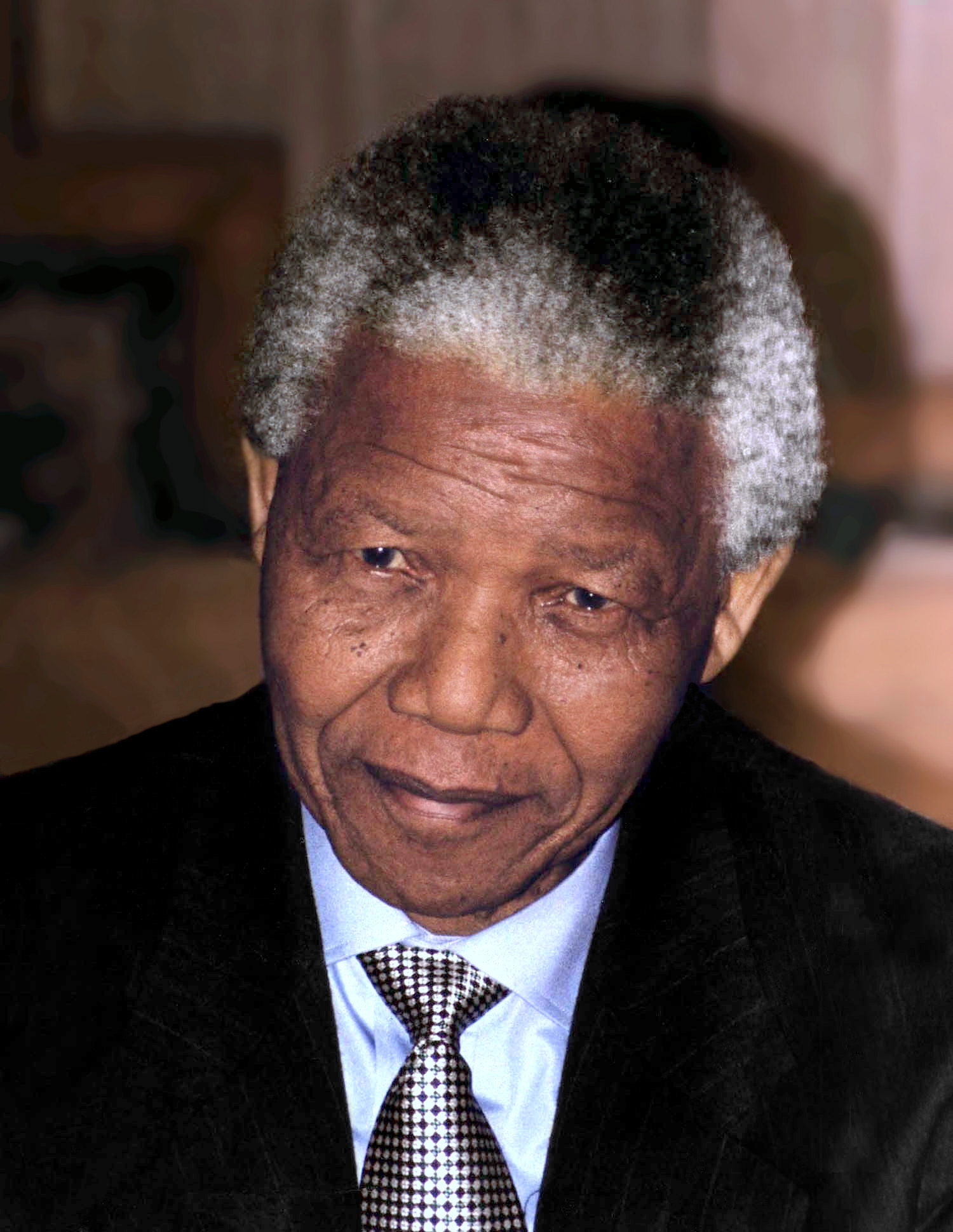
South Africa Votes to End Apartheid | On This Day, March 18, 1992
On March 18, 1992, something happened that most people thought was impossible. White South Africans — the very people who had benefited from apartheid for over four decades — walked into polling stations across the country and voted to dismantle the system that had given them everything. By a margin of 68.7% to 31.3%, they said yes to ending white-minority rule. It was one of the most extraordinary moments in the 20th century, and it changed the trajectory of an entire nation.
What the 1992 South African Referendum Was Really About
The question on the ballot was deceptively simple: “Do you support continuation of the reform process which the State President began on 2 February 1990 and which is aimed at a new constitution through negotiation?”
But everyone knew what it really meant. A “yes” vote was a vote to end apartheid. A vote to share power with the Black majority. A vote to fundamentally alter the social, political, and economic structure that had defined South Africa since the National Party came to power in 1948.
The Retro Almanac
A monthly roundup of "on this day" highlights from that month, decades back — plus first dibs on new retro merch drops. No spam, just the good stuff.
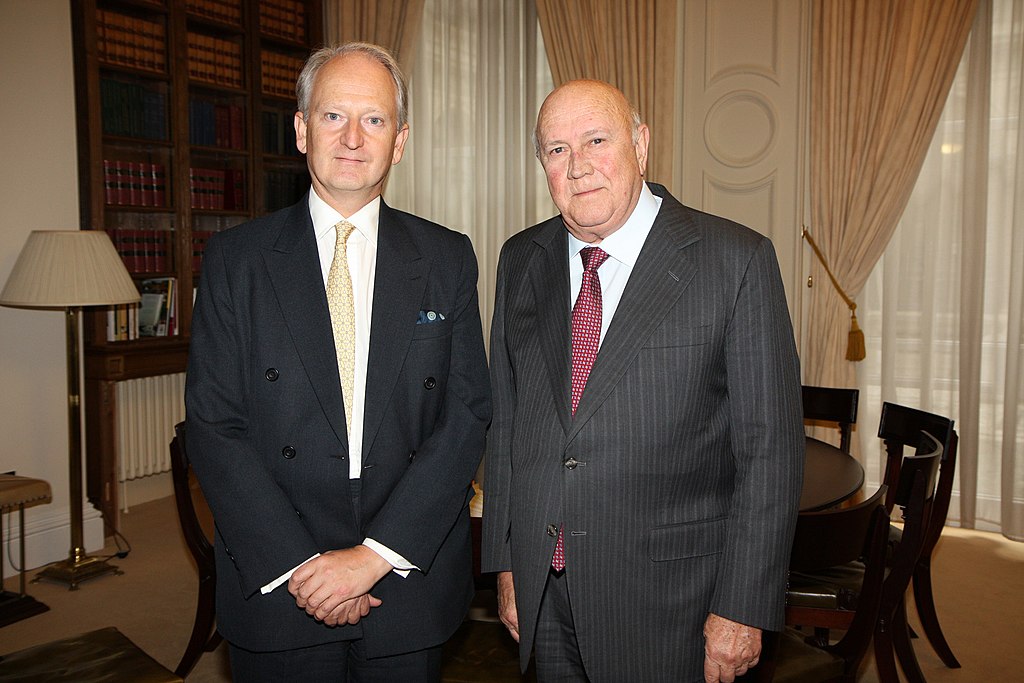
President F.W. de Klerk had called this referendum as a massive political gamble. The Conservative Party, led by Andries Treurnicht, had been winning by-elections and claiming that de Klerk had no mandate from the white electorate to negotiate with the African National Congress. De Klerk’s response was bold — he went directly to the people and asked them to decide.



Browse retro and vintage-inspired apparel at the RetroRadical shop →
The Retro Almanac
A monthly roundup of "on this day" highlights from that month, decades back — plus first dibs on new retro merch drops. No spam, just the good stuff.