90s Hip-Hop Fashion That Defined Street Style
From the Block to the Runway
Hip-hop didn’t just change music in the 90s — it rewrote the entire fashion playbook. What started on the streets of New York, Atlanta, and Los Angeles became the most influential style movement of the decade. Designers who once looked down on streetwear were soon copying it.
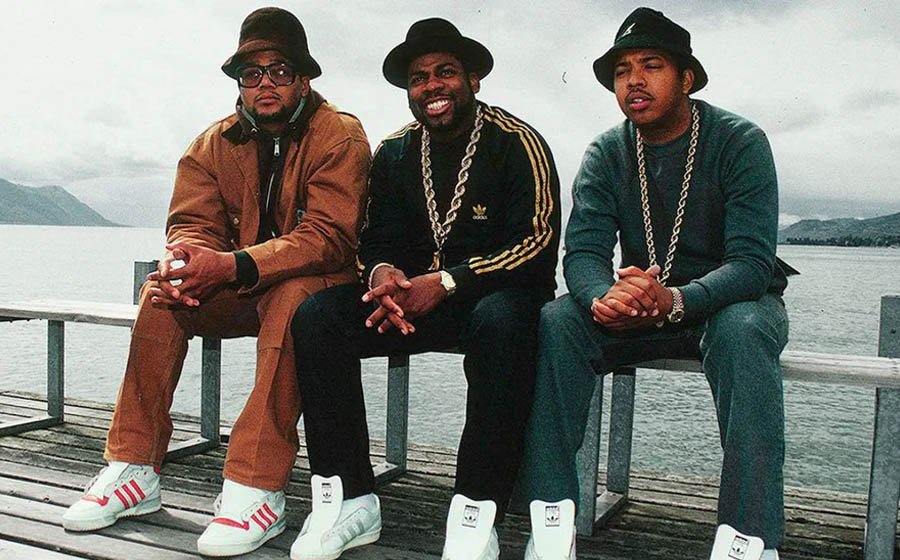
The 90s hip-hop look was unmistakable. Oversized everything. Bold logos. Luxury brands mixed with athletic wear. Gold accessories that demanded attention. It was fashion as a statement — a declaration of identity, success, and cultural pride that resonated far beyond the music.
Baggy Jeans and Oversized Everything
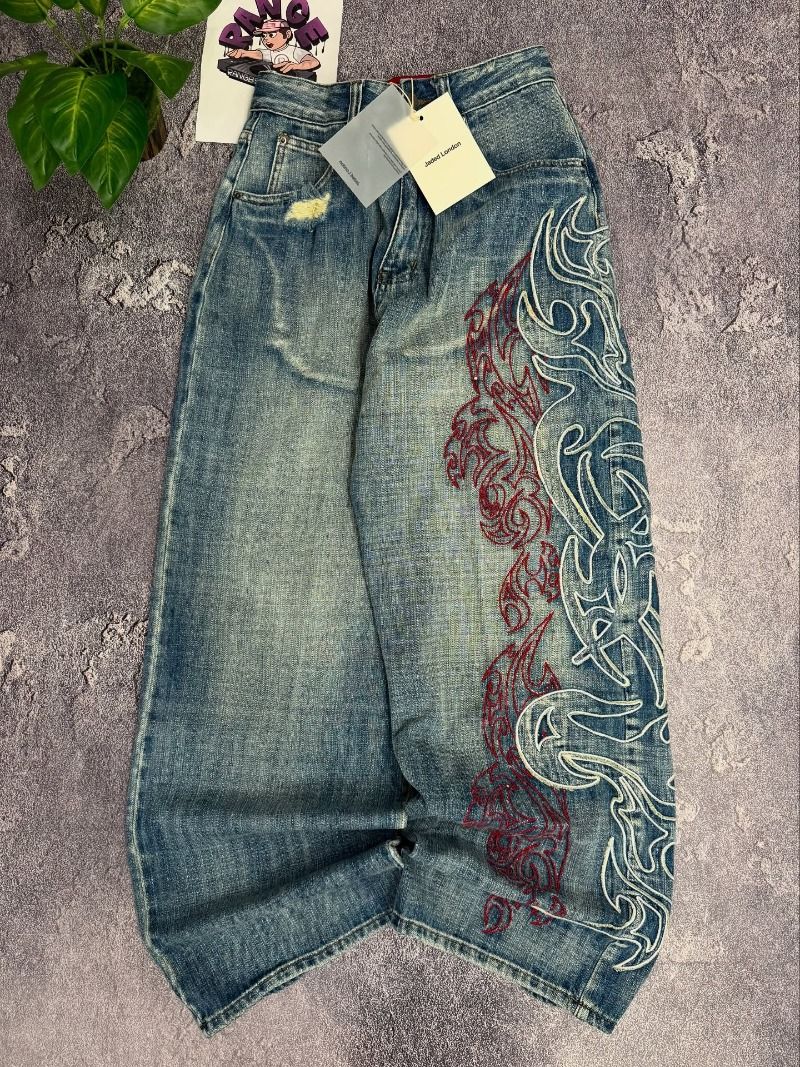
If one silhouette defined 90s hip-hop, it was oversized. Baggy jeans — often several sizes too large — became the uniform of an entire generation. Brands like Karl Kani, Cross Colours, and JNCO capitalized on the trend, producing jeans so wide they could serve as parachutes.
The oversized trend extended to jerseys, t-shirts, and outerwear. Wearing a XXXL hoodie with baggy Dickies or Girbaud jeans wasn’t just a fashion choice — it was cultural code. The look deliberately rejected the fitted, preppy aesthetics that mainstream fashion promoted.
Sagging jeans, whatever their actual origin, became so associated with hip-hop that entire towns passed ordinances against the style. Which, of course, only made it more popular. Nothing drives fashion trends harder than attempts to ban them.
Sneaker Culture Goes Supernova
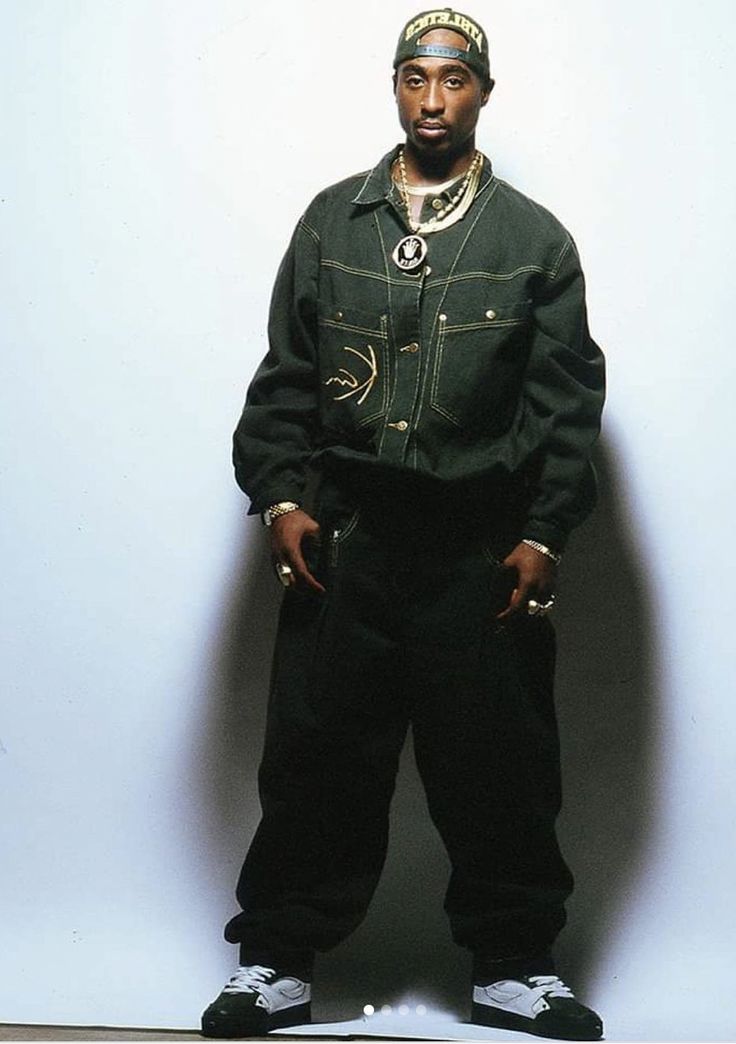
The 90s turned sneakers from athletic equipment into cultural artifacts. Air Jordans were the crown jewels — each new release was an event. Lines wrapped around city blocks, and kids would camp overnight for a chance to own the latest model. The Air Jordan XI, released in 1995, is still considered by many to be the greatest sneaker ever designed.
Nike wasn’t alone. Reebok’s Iverson line, Fila’s Grant Hill model, and the Nike Air Force 1 all became essential hip-hop footwear. Timberland boots — specifically the wheat-colored 6-inch Premium — became a hip-hop staple, especially in East Coast cities where Biggie and Wu-Tang made them iconic.
Sneaker collecting as a serious hobby was born in the 90s. The idea that shoes could be investment pieces, cultural statements, and wearable art all at once emerged directly from hip-hop culture. Today’s $150 billion global sneaker market traces straight back to those 90s sidewalks.
FUBU, Karl Kani, and Hip-Hop’s Own Brands
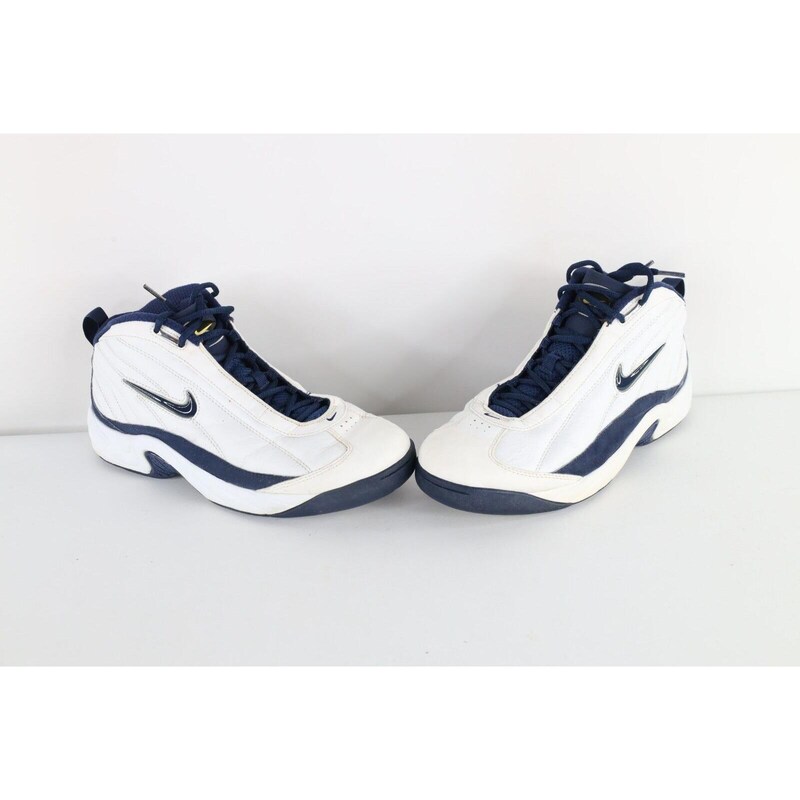
For Us By Us. That’s what FUBU stood for, and the name said everything. Founded by Daymond John in his Queens apartment in 1992, FUBU became a multi-billion dollar brand by creating fashion specifically for the hip-hop community. LL Cool J wearing FUBU in a Gap commercial was a legendary cultural moment.
Karl Kani, Cross Colours, Maurice Malone, and Walker Wear were among the black-owned brands that shaped 90s hip-hop fashion. These labels understood their audience because they came from the same communities. Their designs reflected authentic street culture rather than a corporate interpretation of it.
The success of these brands paved the way for today’s streetwear empires. Supreme, Off-White, and A Bathing Ape all owe a debt to the 90s hip-hop labels that proved streetwear could be both culturally authentic and commercially massive.
Bling Culture and Luxury Obsession
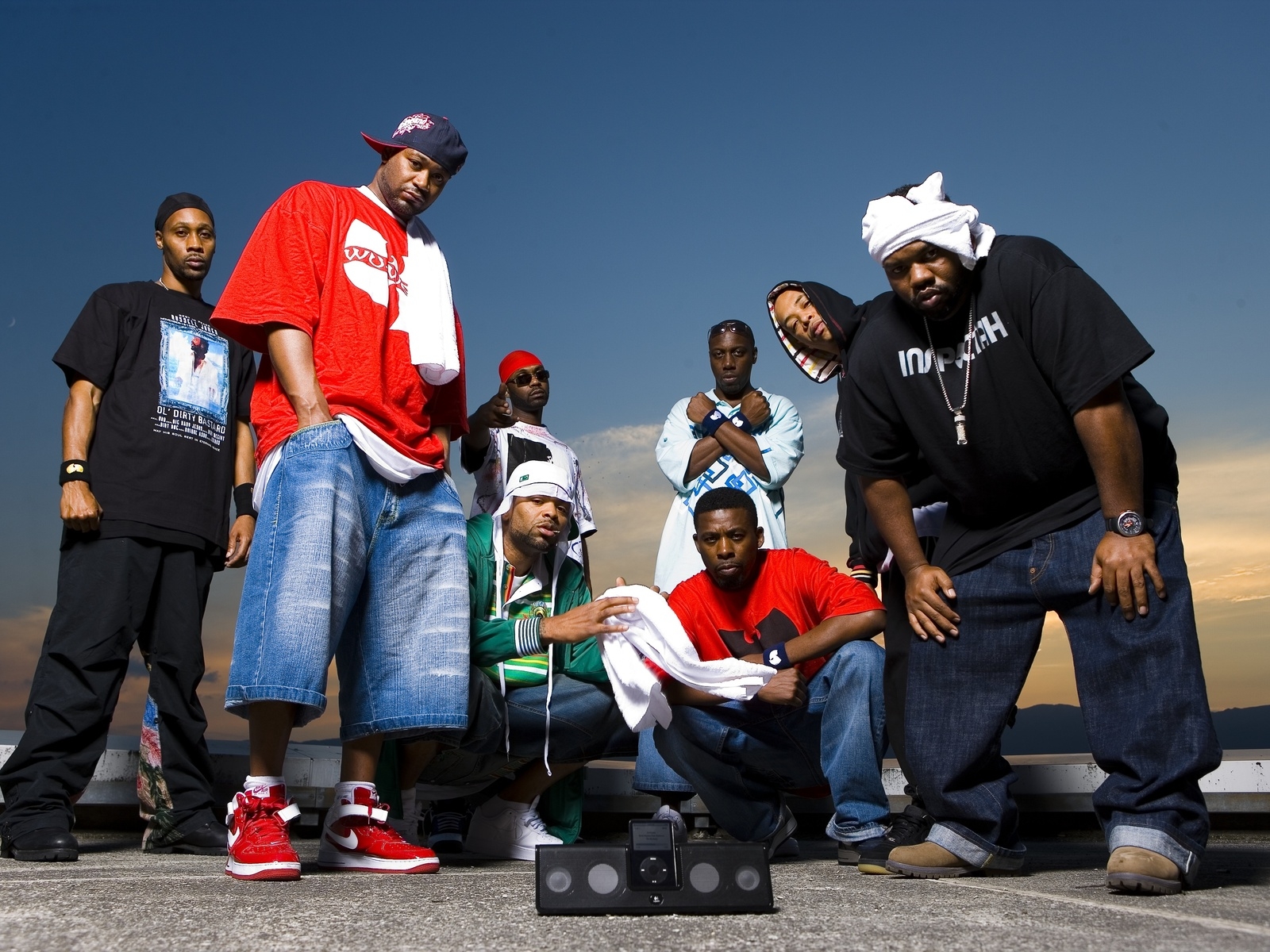
The 90s saw hip-hop embrace luxury brands with unprecedented enthusiasm. Versace, Gucci, and Louis Vuitton became name-dropped regularly in lyrics. Notorious B.I.G. rapped about Versace shades. Lil’ Kim wore head-to-toe designer. Puff Daddy made the shiny suit a symbol of hip-hop excess.
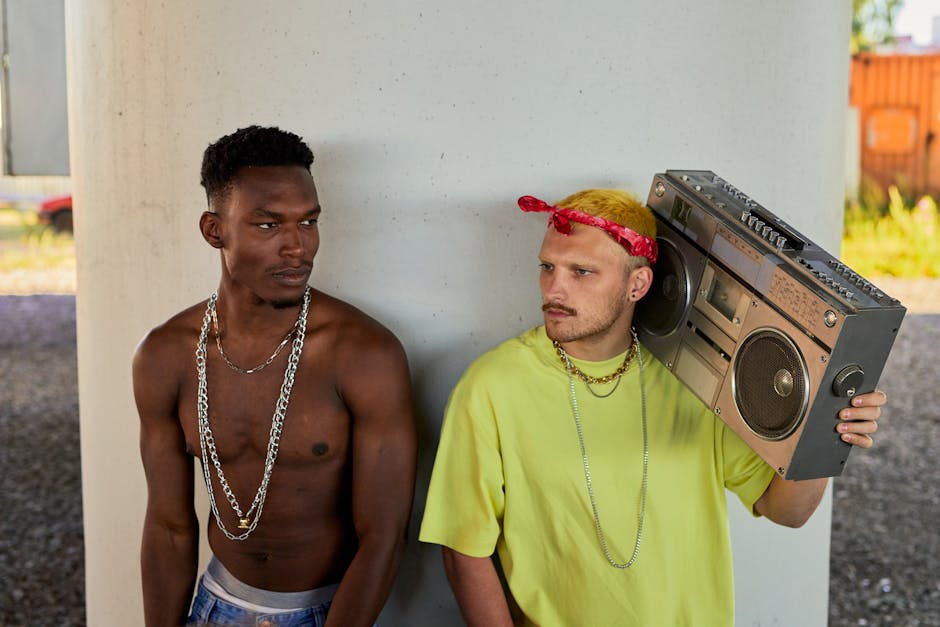
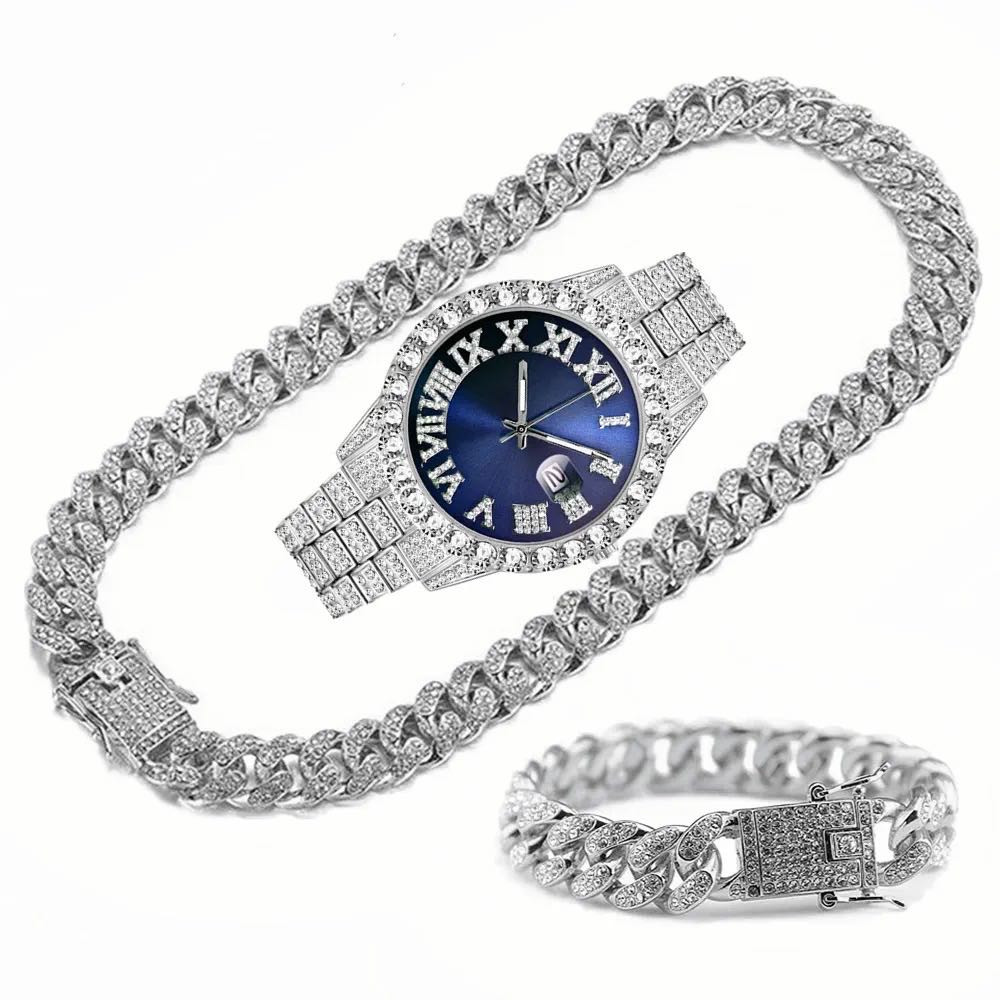
Gold chains, diamond-encrusted watches, and platinum jewelry became essential accessories. The “bling” aesthetic — a term coined by Cash Money Records’ BG in 1999 — represented aspiration and achievement. Coming from communities where wealth was scarce, ostentatious display was a form of empowerment.
This luxury obsession eventually led to high fashion embracing hip-hop right back. By the late 90s and early 2000s, fashion houses were actively courting hip-hop artists as brand ambassadors and front-row fixtures. The culture that mainstream fashion once dismissed had become its biggest influence.
Accessories That Made the Outfit
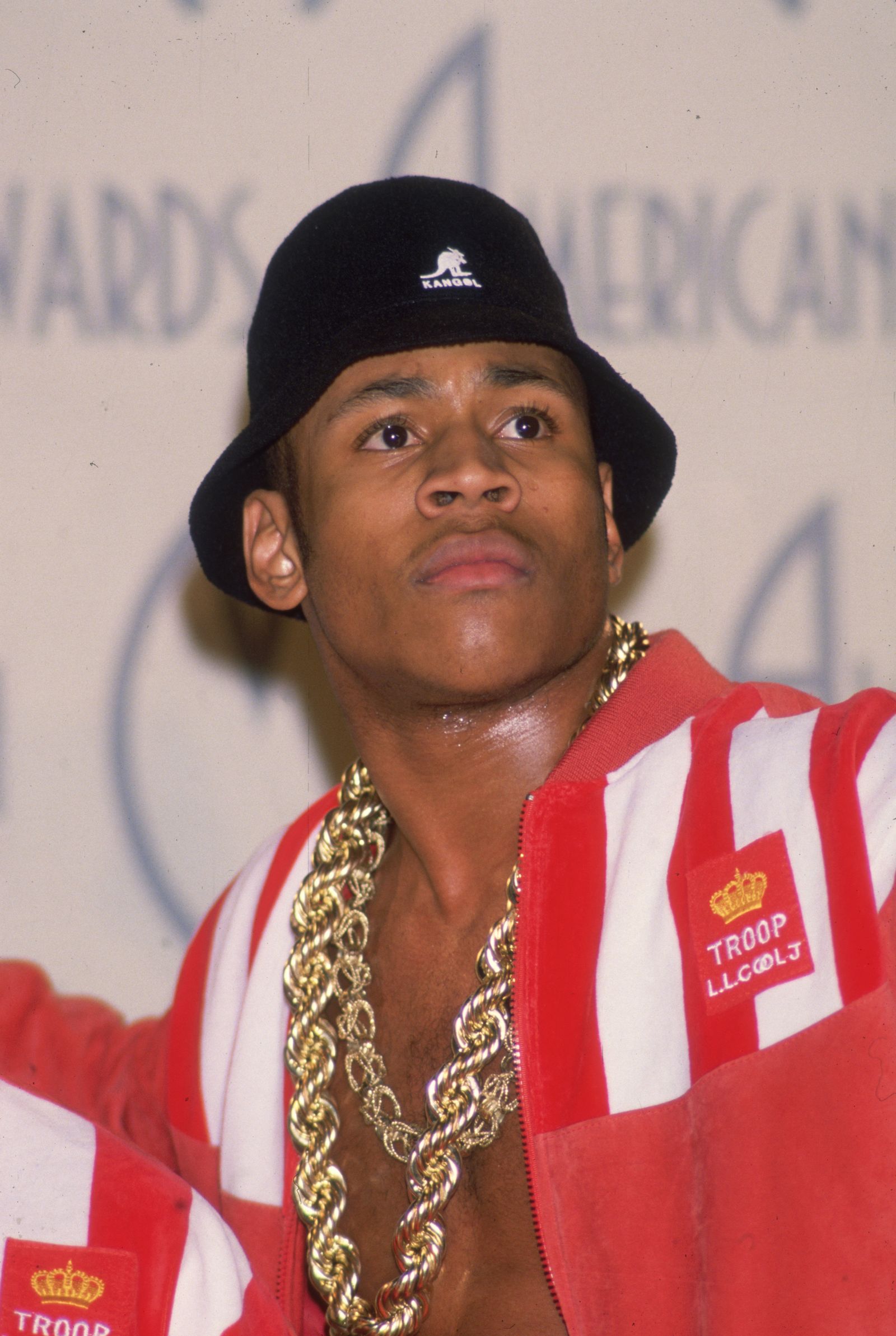
No 90s hip-hop outfit was complete without the right accessories. Bucket hats, popularized by LL Cool J and later by Schoolly D, became a signature look. Kangol hats added a touch of sophistication. Du-rags, bandanas, and fitted caps completed the headwear rotation.
Starter jackets — those satin team jackets with the huge logos — were so popular in the early 90s that they literally caused street crime. The iconic Georgetown, Raiders, and Chicago Bulls Starter jackets became must-have items that crossed over from sports fans to fashion statement.
Backpacks went high-fashion too. MCM bags, Louis Vuitton backpacks, and Jansport packs customized with patches and pins became walking expressions of personal style. Every element of the outfit was considered and intentional.
The Legacy That Never Faded
Walk down any street in any major city today and you’ll see the direct descendants of 90s hip-hop fashion. Oversized silhouettes are back in a major way. Sneaker culture is bigger than ever. Streetwear brands routinely collaborate with luxury houses. The entire modern fashion landscape was shaped by what happened on those 90s street corners.
Brands like Nike, Adidas, and New Balance constantly reference 90s designs in their retro releases. Vintage 90s hip-hop gear — authentic FUBU, Starter jackets, and original Jordans — commands premium prices on resale markets. The aesthetic never really went away; it just evolved.
What makes 90s hip-hop fashion enduring isn’t just the look — it’s the attitude. The confidence, the creativity, the refusal to conform to someone else’s definition of style. That energy still powers streetwear today, proving that when fashion comes from genuine cultural expression, it doesn’t follow trends. It creates them.