90s Sitcoms: Why the Golden Age of TV Never Came Back
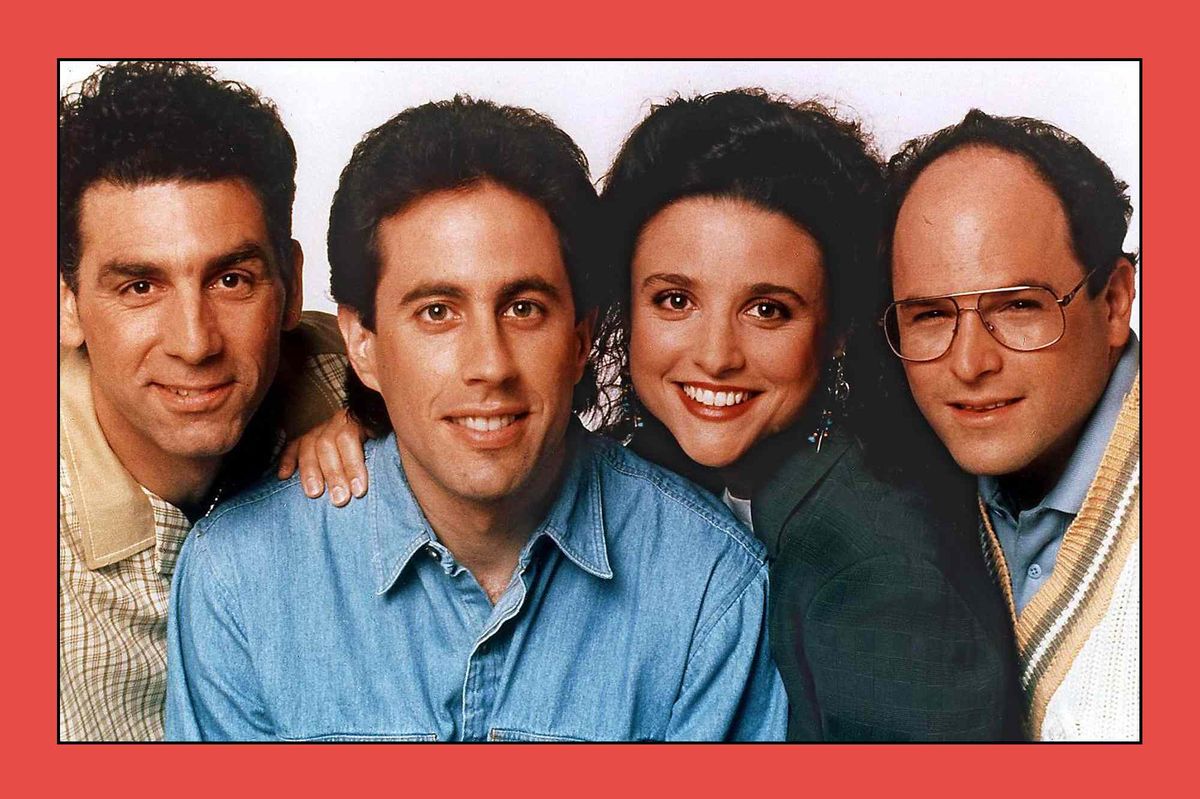
On May 14, 1998, 76 million Americans skipped dinner, ignored their phones, and stared at the same television screen to watch four New Yorkers go to prison for laughing at a fat guy getting carjacked. That was the Seinfeld finale, and it was the loudest exclamation point on a decade where comedy ran the country. The 90s sitcom wasn’t just popular — it was the last shared cultural language America ever spoke.
Today you can watch any of the great 90s sitcoms on demand, in 4K, with subtitles, while three other tabs play in the background. None of that matters. Nothing on Netflix in 2026 hits the way Thursday night NBC hit in 1995, and after revisiting all of it, the reason is finally clear. The 90s sitcom golden age happened because of conditions that will never line up again.
The Retro Almanac
A monthly roundup of "on this day" highlights from that month, decades back — plus first dibs on new retro merch drops. No spam, just the good stuff.
Thursday Night Was a National Holiday
From 1993 to 1998, NBC stacked Mad About You, Friends, Seinfeld, and ER back to back on a single night and called it Must See TV. The slogan was invented by NBC promo producer Dan Holm and it functioned like a national appointment. There was no DVR, no streaming, no second screen — if you wanted to know what Kramer did this week, you sat down at 8 PM Eastern or you were lost at the water cooler Friday morning.
The numbers from that era still look like typos. According to Nielsen ratings data on the Seinfeld finale, 76.3 million people watched the May 1998 send-off live. Friends regularly drew 25 to 30 million viewers a week. Home Improvement finished its first season as the most-watched new show on television. Compare that to the 2025 Emmy-winning sitcom, which celebrated when 4 million viewers tuned in for an episode. The audience didn’t shrink — it shattered into a million streaming pieces.
That mass audience is the secret ingredient nobody talks about. Writers in the 90s knew their joke would land in 30 million living rooms simultaneously. That pressure produced precision. A bad punchline on Frasier wasn’t a forgotten tweet — it was a national embarrassment by Saturday.
Seinfeld Made Nothing Mean Everything
Larry David and Jerry Seinfeld pitched NBC a show about a comedian and his friends doing absolutely nothing. No life lessons. No hugging. No moments where Jerry stares into the middle distance and grows as a person. The network thought it was insane. The audience disagreed for nine seasons.
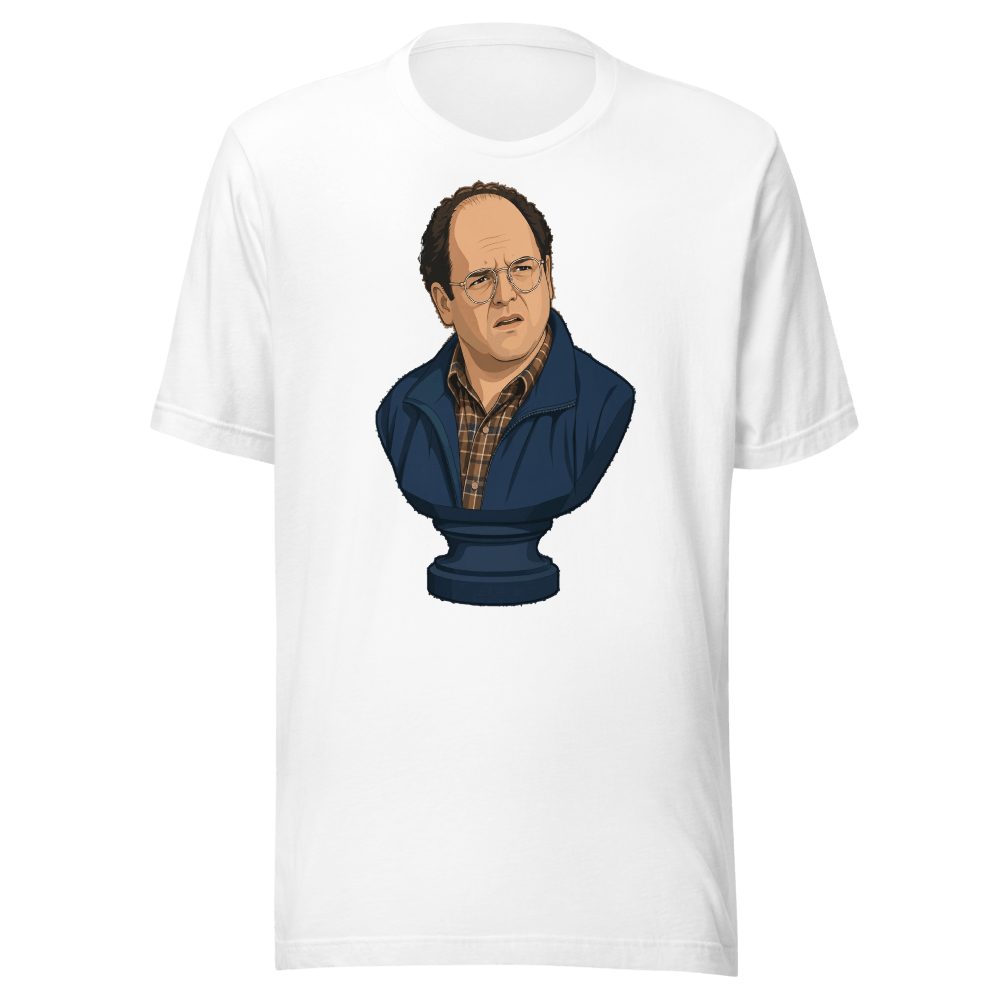
The genius of Seinfeld was treating the smallest human moments like geopolitical crises. A lost car in a mall parking garage became a 22-minute opera. The etiquette of double-dipping a chip got debated like nuclear policy. George parked in a handicapped spot and an entire episode of consequences cascaded out of it. As a Smithsonian Magazine retrospective on the show put it, Seinfeld turned the urban middle class into anthropological subjects.
And the show gave us words. Yada yada yada. Master of my domain. Sponge-worthy. Re-gifter. Festivus. These weren’t catchphrases — they were dictionary entries written by a sitcom. The same cultural muscle that gave 80s kids their language — and you can trace that lineage all the way back to the sacred ritual of 80s Saturday morning cartoons — was now operating at the adult table, and it was firing on every cylinder.
Friends Sold a Lie So Beautiful Nobody Cared
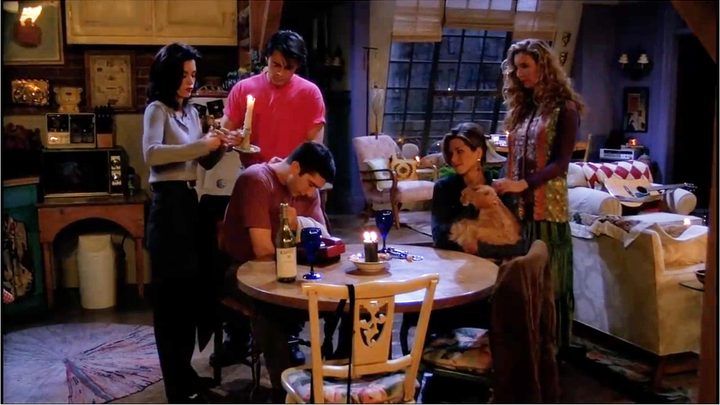
Six attractive twentysomethings live in cavernous Manhattan apartments on waitress money. Nobody works. Everyone drinks coffee at 2 PM on a Tuesday. The math never added up, and nobody asked it to.
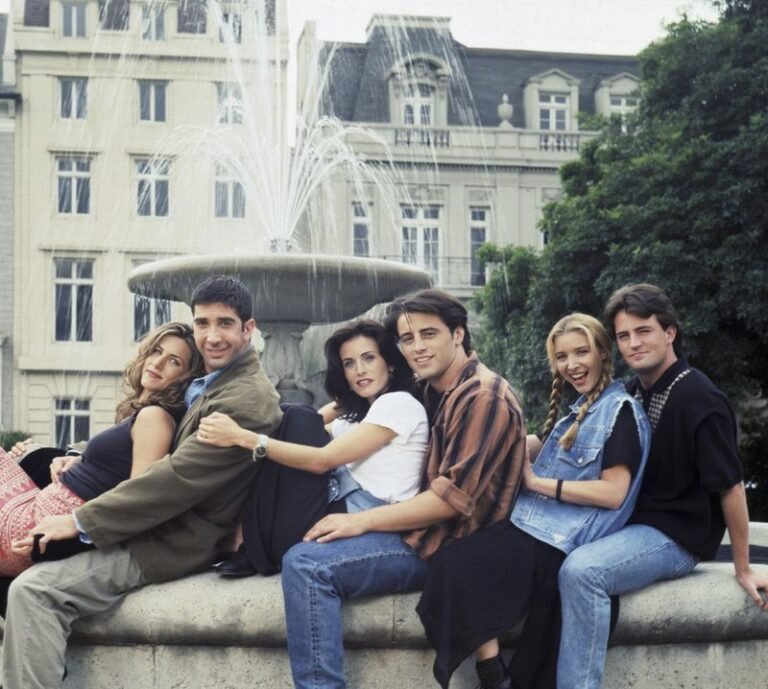
Friends debuted in September 1994 and immediately set the visual template for an entire generation of TV. The orange couch at Central Perk became more famous than most actual furniture. The Rachel haircut sent millions of women into salons clutching photos torn from People magazine. The apartment set was so culturally embedded that a working replica of Central Perk opened in Grand Central Station in 2024 and tourists lined up for hours.
What people forget is how filthy the show was for its time. Lesbian weddings. Threesome jokes. Ross sleeping with the copy girl. Network television in 1996 was openly horny in a way it hasn’t been since, and Friends got away with it because the cast looked like a Banana Republic catalog and the laugh track was warm as a hot tub. The same cultural mainstreaming was happening in fashion, music, and even snack food — the era that gave us the best 90s snacks we wish they’d bring back was also the era that mainstreamed everything taboo about young adult life.
The Fresh Prince Brought Hip Hop Through the Front Door

NBC took a Philly rapper with a clean track record, gave him a sitcom on Monday nights at 8 PM, and accidentally produced the most important Black sitcom of the decade. The Fresh Prince of Bel-Air ran from 1990 to 1996 and made Will Smith into the global megastar he became — but more importantly, it dragged hip hop culture into America’s most conservative TV slot and made grandparents in Iowa laugh at jokes about Bel-Air gates.
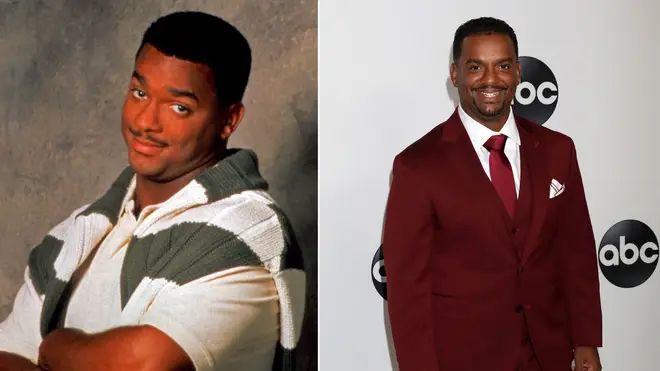
The show pulled off a magic trick almost no sitcom managed before or since. It was genuinely funny in the way prestige comedy is supposed to be — Carlton dancing to Tom Jones is permanently lodged in the cultural memory — and it could pivot inside the same episode to gut-punch drama. The season three episode where Will’s father walks out on him a second time is still one of the best 22 minutes of television ever produced. Will’s “How come he don’t want me, man?” is acting that belongs in a film school curriculum, not a Monday night sitcom.
The cultural overlap with what the show was selling was no accident. The same young audience watching Fresh Prince was buying baggy jeans, oversized jerseys, and Cross Colours — exactly the wardrobe documented in our breakdown of 90s hip-hop fashion that defined street style. The Fresh Prince wasn’t reflecting a trend. It was building one.
Frasier Was Comedy for Grown-Ups
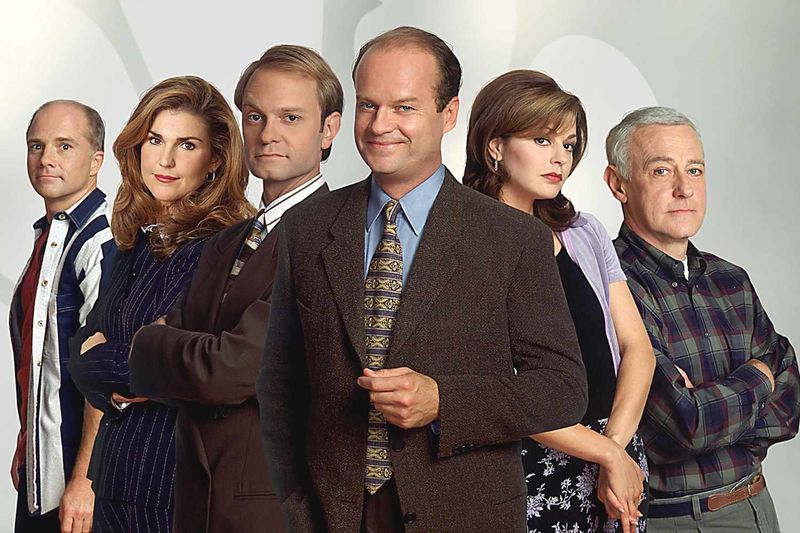
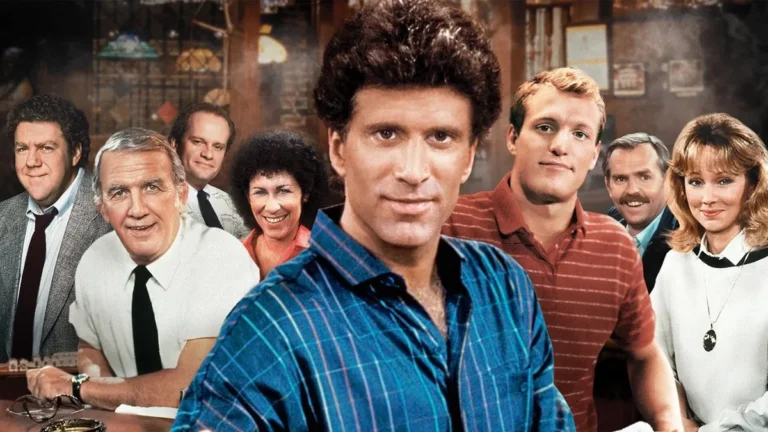
Frasier was a spin-off of Cheers, which on paper should have been a disaster. Spin-offs go badly more often than they go well — ask anyone who sat through Joey. Instead, the Seattle psychiatrist with the soaring penthouse went on to win 37 Primetime Emmys, more than any other scripted series until Game of Thrones finally passed it in 2019.
What made Frasier work was a refusal to play down to its audience. The jokes referenced opera, French wine, and Freudian theory. The writing borrowed from screwball farces of the 1930s. Niles and Frasier were fussy and pretentious and completely insufferable, and the show loved them for it. The series treated language like an instrument — sentences had rhythm, and a perfectly placed semicolon could carry a whole scene.
It also did the hardest thing in sitcom writing: it made the straight man (literally — Martin Crane in his recliner) the moral center. John Mahoney as the working-class dad to two opera-loving brothers was the engine that kept the whole high-wire act from floating away. The show ended in 2004 after 11 seasons and 37 Emmys — and it never had a bad year.
Roseanne and Home Improvement Owned the Suburbs
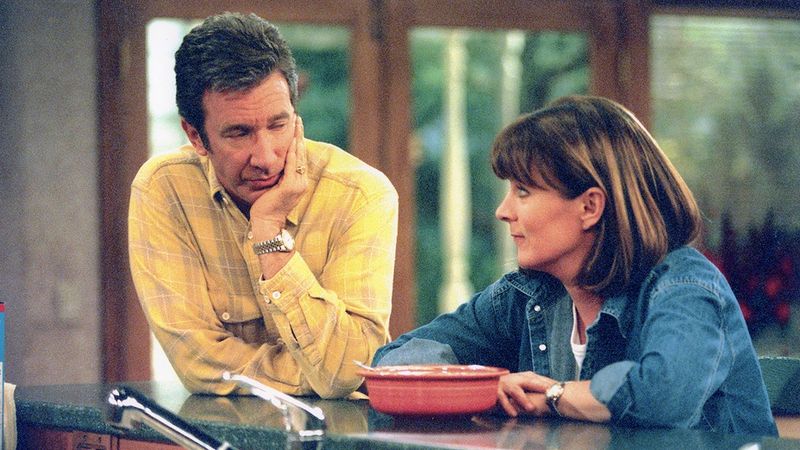
While NBC was busy turning Manhattan twentysomethings into household names, ABC quietly built a Tuesday night empire by aiming squarely at the rest of the country. Home Improvement debuted in 1991 and became the most-watched show on television by season three, pulling in over 30 million viewers a week with a premise that fit on a cocktail napkin: Tim Allen breaks things, his wife rolls her eyes, the neighbor dispenses wisdom over a fence.
That show worked because Tim Allen’s character was actually wrong about everything, and everyone knew it. Jill was the smart one. The neighbor Wilson was the wise one. Tim Taylor was a walking joke about masculinity that men loved and women loved more, and the show had the discipline to never let him win.
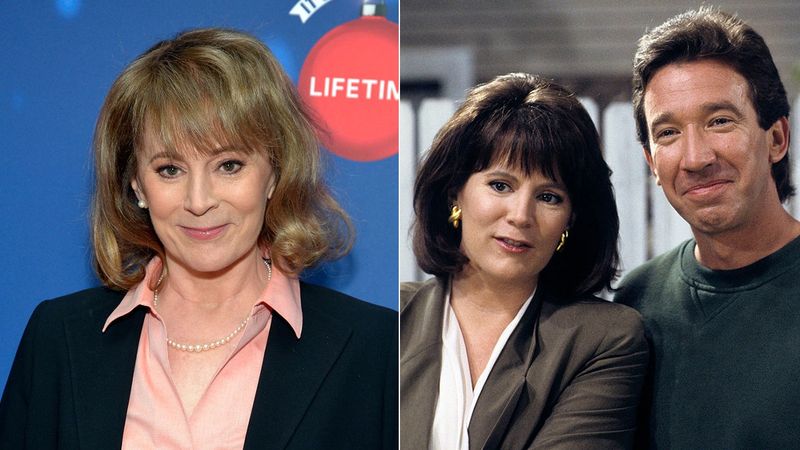
Roseanne Barr was doing something even more radical on the same network. Roseanne ran from 1988 through 1997 and was the first American sitcom in decades to take working-class life seriously. The Conners argued about overdue bills on screen. They worked jobs they hated. The kids had bad teeth and worse haircuts. According to a Washington Post retrospective on the show’s cultural impact, the Conners were the first TV family since The Honeymooners who actually looked broke. That honesty was revolutionary, and the show finished #1 in the Nielsens for the 1989-1990 season.
Living Single Built the Blueprint Friends Got Famous For
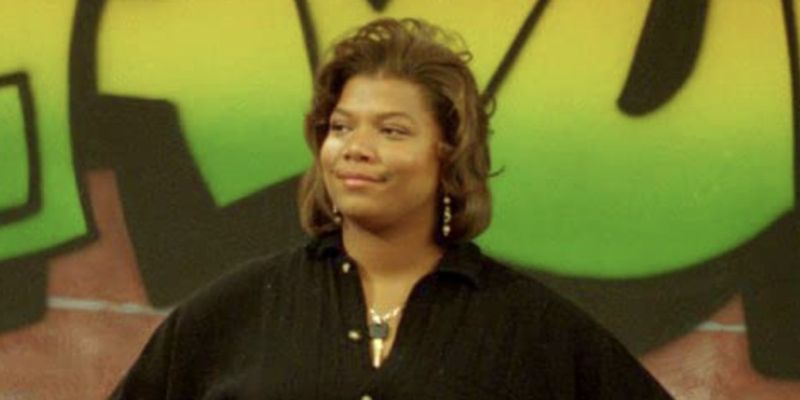
One year before Friends premiered, Fox aired Living Single: six attractive Black twentysomethings sharing a Brooklyn brownstone, drinking coffee, navigating careers and dating in New York. Queen Latifah anchored the cast. The show was a hit. Then NBC announced Friends, and the comparisons started before the pilot even aired.
Queen Latifah has been blunt about it for 30 years. In multiple interviews, she’s said NBC executives were specifically asked which current sitcom they wanted their new show to feel like, and the answer was Living Single. The Fox version ran from 1993 to 1998 and never got the cultural canonization its NBC twin received, despite arriving first and executing the format better in several ways. The show was finally re-discovered when it hit streaming, and audiences in 2026 are realizing what 90s Fox viewers already knew — Khadijah, Synclaire, Maxine, and Regine were funnier than half the sitcom canon they were quietly left out of.
It’s a useful reminder that the golden age wasn’t evenly distributed. The shows that got the Time magazine covers and the Emmys weren’t always the best — they were the ones on the network that could spend the most on promotion. The story of 90s TV is the story of which sitcoms got the budget and which ones got buried, and that’s a conversation our deep dive into 90s Nickelodeon’s golden age picks up on the kids’ TV side.

Why the Format Died and What Killed It
The 90s sitcom format ended because the audience stopped existing. By 2001, cable was eating broadcast share. By 2007, YouTube was eating cable. By 2013, Netflix was producing prestige drama that made multi-camera laugh-track comedy look like a relic from another planet. The single-camera, no-laugh-track shows that replaced the format — The Office, Parks and Recreation, Arrested Development — were sharper and weirder, but they never drew the audience the old shows did.
The shared-experience engine that powered the 90s sitcom required scarcity. There were four broadcast networks. There were maybe 20 cable channels worth watching. There was nothing else competing for your 8 PM Thursday. The moment that scarcity broke, the format that depended on it broke with it. Streaming gave us infinite choice and took away the conversation that used to happen the next morning at work.
Modern sitcoms aren’t worse — they’re just smaller. Abbott Elementary is excellent. What We Do in the Shadows is genius. Neither one will ever pull 76 million viewers for a finale, and neither one will be the show your entire workplace quotes at lunch. That moment is gone, and it’s not coming back. The 90s sitcom golden age was the last time television was a shared room instead of 200 million private screens.
The reruns still pull crazy numbers on streaming. Friends alone reportedly cost Netflix $100 million a year before the WarnerMedia exit. Seinfeld earned Sony billions in syndication. The Fresh Prince of Bel-Air spawned a dramatic reboot in 2022 that ran four seasons on Peacock. The shows themselves are immortal. The era that made them is the part that’s archived in nostalgia and Thursday-night memories.
Sources
- Nielsen — The Seinfeld Finale 25 Years Later
- Smithsonian Magazine — The Seinfeld Finale Retrospective
- ABC7 NY — Central Perk Replica Opens in Grand Central
- Washington Post — Roseanne and Working-Class TV
- Wikipedia — Must See TV
- Wikipedia — Living Single
Browse retro and vintage-inspired apparel at the RetroRadical shop →
The Retro Almanac
A monthly roundup of "on this day" highlights from that month, decades back — plus first dibs on new retro merch drops. No spam, just the good stuff.