Best 80s Cartoons That Defined a Generation
By 11:30 on a Saturday morning in 1985, three networks were pulling roughly 20 million American kids into their commercial blocks — more eyeballs than most prime-time slots could buy, almost all of them holding a spoon. The best 80s cartoons weren’t just shows. They were a delivery system: a sugar-fueled ritual that ran from about 1983 through 1990 and turned a generation of preschoolers into walking action-figure salesmen for Hasbro and Mattel.
That sounds cynical, and it was. It was also, somehow, magnificent. The decade produced more enduring animated mythology than any other ten-year window in television history. Forty years later, grown adults can still hum the Thundercats theme without warning. There’s a reason — and it isn’t just nostalgia.
He-Man and the Masters of the Universe Cracked the Code
“By the power of Grayskull!” Four words, one raised sword, and a 1983 cartoon that quietly invented the modern children’s entertainment business. He-Man and the Masters of the Universe was the first nationally syndicated daily animated series built explicitly to sell toys, and according to Filmation’s own production records it became the most successful animated series the studio ever made — 130 episodes across two seasons, all of it scheduled to run weekdays, not Saturdays.
The Retro Almanac
A monthly roundup of "on this day" highlights from that month, decades back — plus first dibs on new retro merch drops. No spam, just the good stuff.
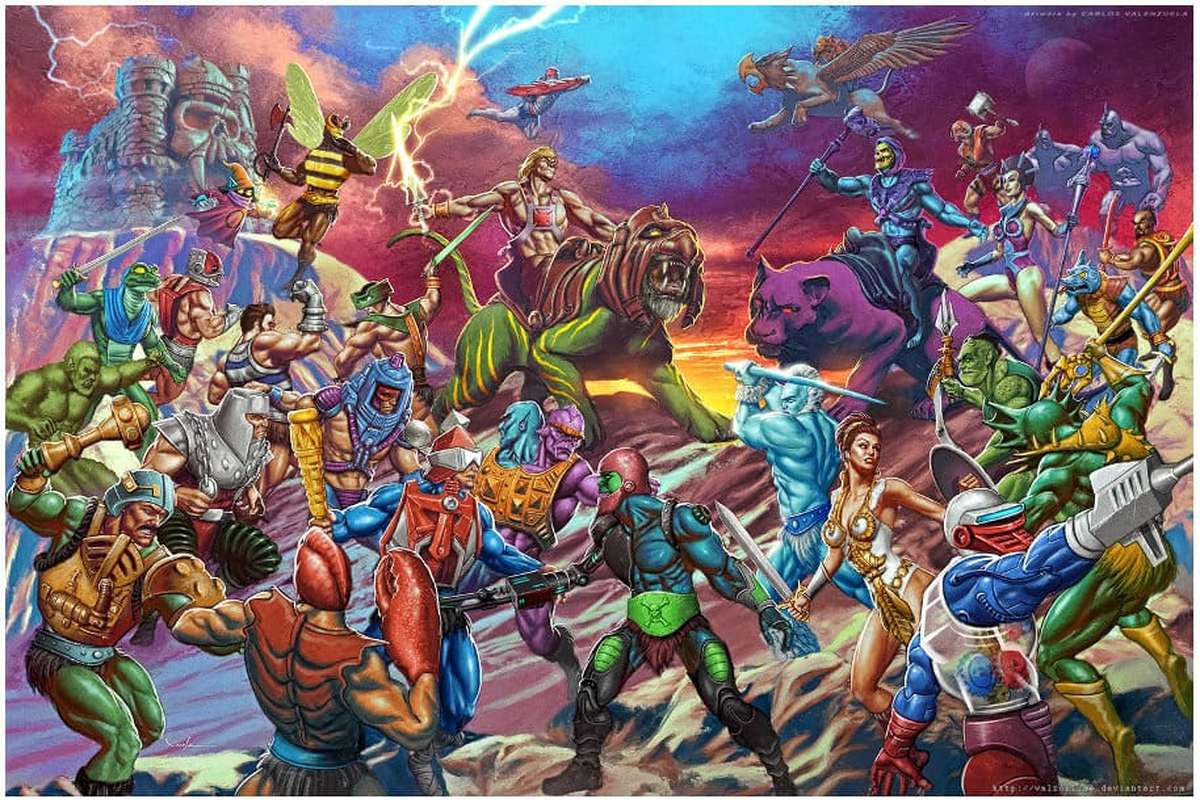
The trick was Eternia. Mattel could have shipped a generic muscle-bound hero and called it a day. Instead, Filmation built a fully realized fantasy world with its own internal logic: Castle Grayskull, Snake Mountain, Battle Cat, Man-At-Arms, Teela, the Sorceress, and a villain so deliciously theatrical that Skeletor still works as Halloween shorthand in 2026. The moral lessons at the end of every episode were so earnest they became their own genre of internet parody decades later — but those bumpers exist because the FCC wanted assurance the show wasn’t pure commercial. It worked anyway. Mattel reportedly sold over 125 million He-Man action figures between 1982 and 1987.
The blueprint He-Man drew became the entire decade’s playbook. Toy first, story second, daily schedule, syndication instead of network. The 1983 FCC rule change that legalized this whole business model is the single most important regulatory decision in the history of children’s television, and almost nobody outside the industry remembers it happened.
Transformers Were Half Cartoon, Half Catalog
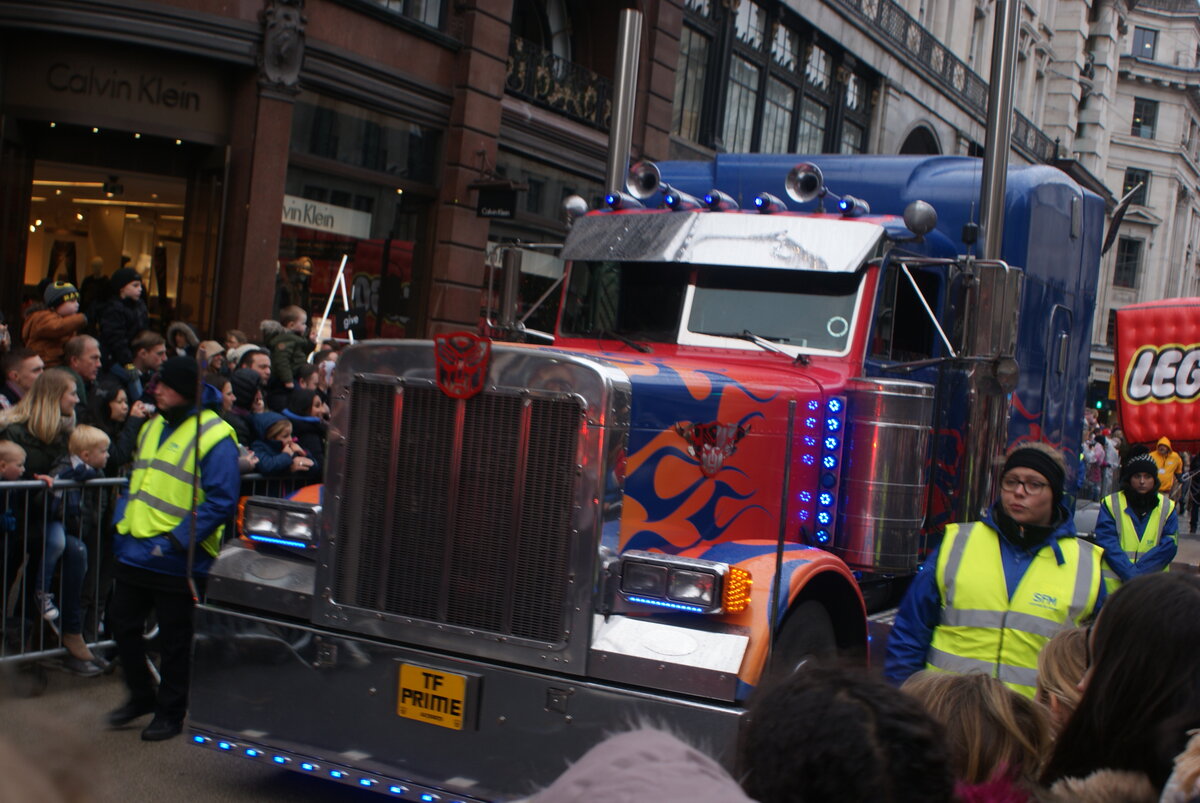
The Transformers debuted in September 1984, and within two seasons it had done something nobody at Hasbro expected. It made kids cry. The 1986 animated theatrical film killed off Optimus Prime in the first act — apparently to clear shelf space for a new wave of toys — and an entire generation of seven-year-olds walked out of theaters with their lives slightly broken. Hasbro got so much hate mail they reversed course and brought Prime back the next season.
The G1 cartoon ran 98 episodes in syndication between 1984 and 1987, animated in Japan by Toei and scripted in the United States by Marvel Productions and Sunbow. That international pipeline — American writers, Japanese animators — gave the show a peculiar visual quality the other toy cartoons couldn’t match. The robots actually felt heavy. The transformations had weight. Megatron, voiced by Frank Welker with a perpetual sneer, remains one of the best-realized villains in any 80s animated series, period.
The premise was absurd on paper. Sentient war machines from the planet Cybertron crash on Earth, sleep for four million years, wake up in Oregon, and immediately start fighting over fossil fuel. None of it should have worked. All of it did. Optimus Prime as a moral center — a literal truck who spoke in the cadence of a tired but principled war veteran — gave the show a gravity nothing else on Saturday morning could touch.
G.I. Joe Made Geopolitics a Kid Thing
If He-Man invented the genre and Transformers perfected the cinematic version, G.I. Joe: A Real American Hero was the one that turned the whole thing into a small private army of brand evangelists. Five-part miniseries in 1983 and 1984, then a full series from 1985 to 1986, ninety-five episodes across two seasons, more than fifty named characters with file cards and code names, an in-show terrorist organization called Cobra led by a man in a chrome face mask who carved his own face onto the moon with a laser.
The kid-logic of G.I. Joe was perfect. Every episode featured a vehicle or a base or a new specialist character that you could, conveniently, find at Toys R Us by Tuesday. Cobra Commander, voiced by Chris Latta in the same nasal shriek he used for Megatron, was the rare children’s-cartoon villain who actually came close to winning sometimes. Nobody on the Joe team ever died, which became a running joke (parachutes everywhere, every crash), but the PSAs at the end — “Now you know, and knowing is half the battle” — burned themselves into the language so completely they’re still used unironically in 2026.
What people forget is how much of the show’s writing came from veterans of Marvel’s comic shop. Larry Hama’s G.I. Joe comic ran parallel to the cartoon and gave the entire universe a depth that pure toy promotion never could. Read the comic now and it holds up. Watch the cartoon now and you’ll laugh — but you’ll also notice the storytelling was sharper than it had any right to be.
Thundercats and the Battle Over Eye of Thundera
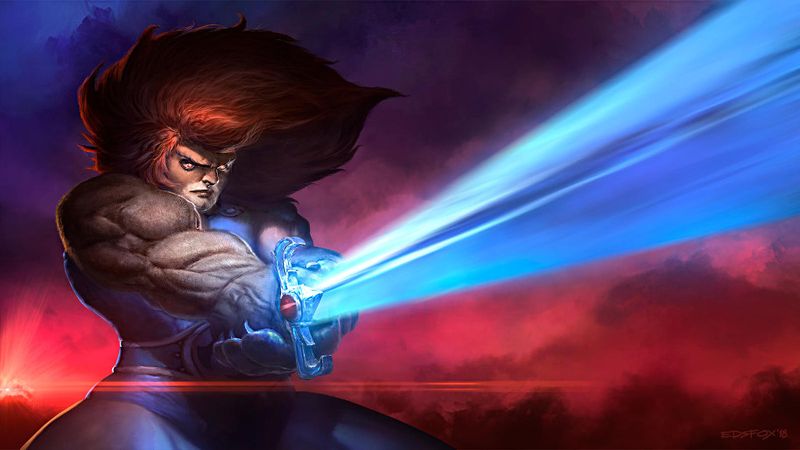
Thundercats hit syndication in January 1985 and immediately became the show that the kids who thought He-Man was for babies could agree was actually cool. The premise mashed every genre on the shelf — sci-fi exodus, fantasy quest, animal-warrior archetypes, sword-and-sorcery action — and somehow the blender produced something coherent. Pacific Animation Corporation in Japan handled the animation, and the difference shows. Lion-O moves like a real character, not a marketing chess piece.
The Sword of Omens transformation sequence — “Thundercats, HO!” — was the kind of moment that justified the whole half-hour. Snarf, the orange catlike nursemaid who never shut up, was annoying on purpose and beloved anyway. Mumm-Ra, the ancient mummy villain who summoned power from “the ever-living spirits of evil” by speaking incantations into a stone face, was the closest a kids’ show ever got to genuinely menacing horror imagery. The whole thing pulsed with a moral seriousness that the toy-shilling format wasn’t supposed to allow.
Thundercats ran 130 episodes from 1985 to 1989. The show’s complete cast list of Cheetara, Panthro, Tygra, WilyKit, WilyKat, Snarf, and Lion-O against Mumm-Ra and the Mutants is the kind of roster retro toy collectors now pay serious money to complete. A boxed Lion-O figure with the original Sword of Omens accessory can clear $400 on the right auction night.

Mister T Had His Own Cartoon, Yes Really
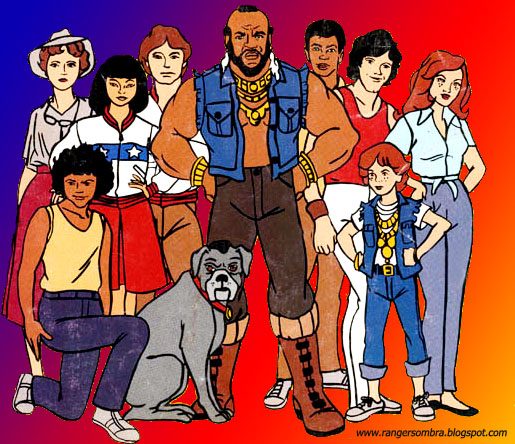
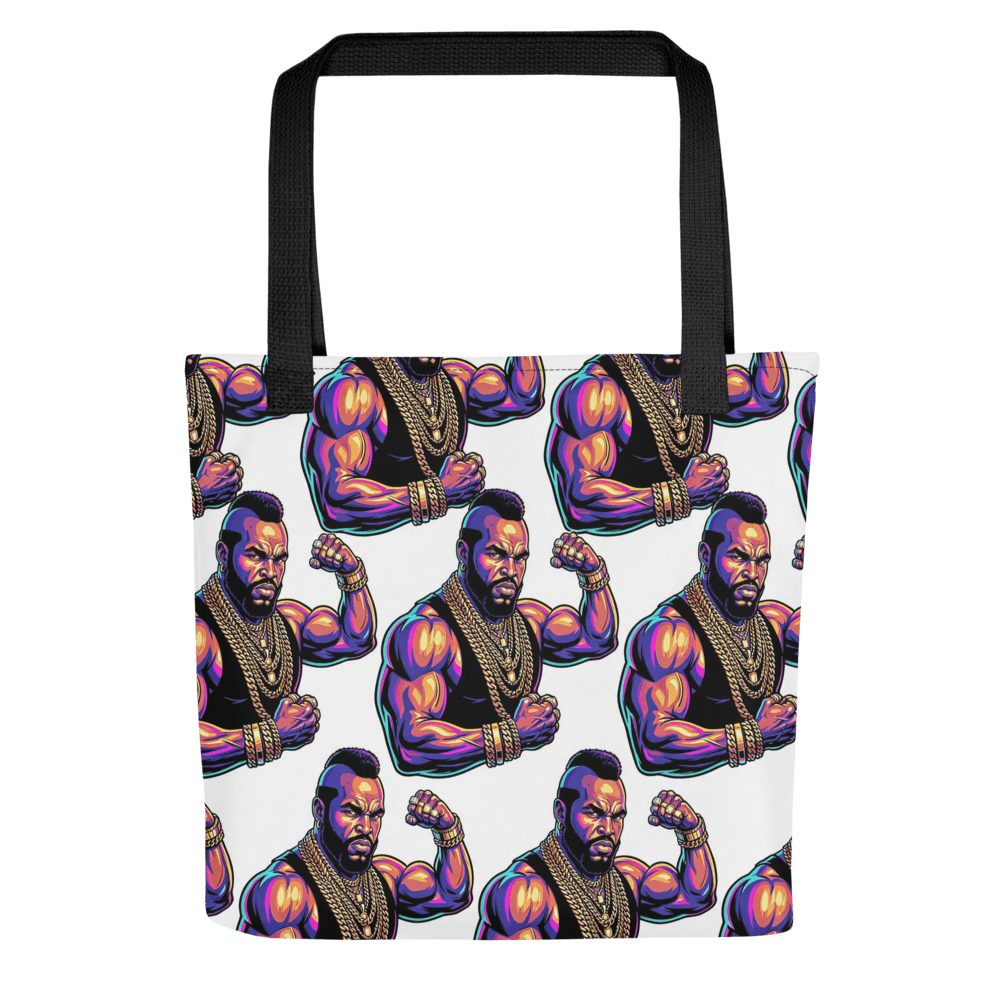
This is the part younger readers refuse to believe. From 1983 to 1985, Mr. T — the actual real-world actor, complete with mohawk and gold chains — coached a fictional team of teenage gymnasts who solved mysteries between competitions. The show was called Mister T, it aired on NBC on Saturday mornings, and Mr. T himself appeared live-action at the end of every episode to deliver the moral lesson. Ruby-Spears produced it. It ran thirty episodes. It was real, and it was glorious.
Mr T was already a top-five 80s pop culture icon thanks to The A-Team, but the cartoon turned him into something stranger and more powerful: a kids’ authority figure who literally appeared in animated and live-action form on the same broadcast. The mid-80s celebrity-cartoon micro-trend it kicked off — Hulk Hogan’s Rock ‘n’ Wrestling, Pac-Man, Punky Brewster, Rubik the Amazing Cube — was one of the weirdest experiments television ever ran. None of them aged well. All of them were watched.
My Little Pony, She-Ra, and the Girls’ Cartoon Revolution

The cliché about 80s cartoons is that they were all for boys. The numbers say otherwise. My Little Pony debuted as a 1984 TV special, became a full series in 1986, and quietly sold an absurd number of plastic horses for Hasbro — over 150 million units in the 1980s alone, according to Smithsonian. She-Ra: Princess of Power, the sister-show to He-Man, debuted in 1985 and pulled in audience numbers that surprised everyone at Filmation and Mattel. Jem and the Holograms — truly, truly outrageous — landed the same year and built a synth-pop musical universe inside the toy-cartoon format.
These shows get dismissed in retrospect because the boys’ shows had laser swords and the girls’ shows had pastel manes. But the storytelling discipline on She-Ra in particular was tighter than most of its testosterone-soaked siblings. Adora’s defection from the Horde, her dual identity, the political resistance plotline — the show was running serialized rebellion arcs in 1985, a decade before that became standard for animated television.
The Weird Ones: BraveStarr, Inspector Gadget, Dungeons and Dragons
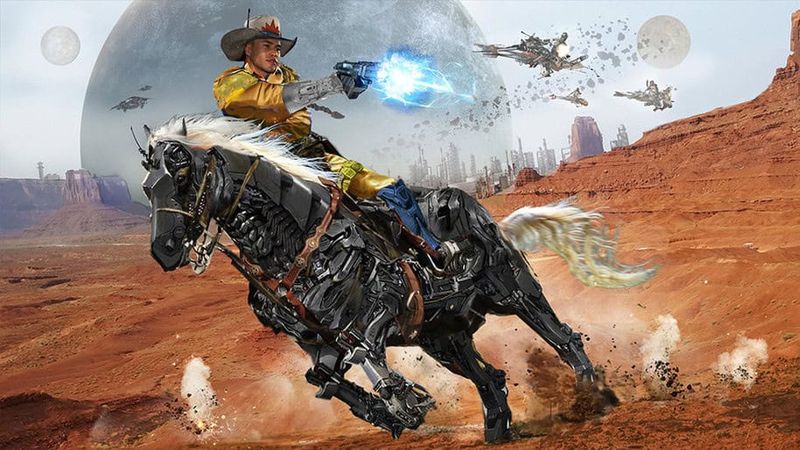
For every He-Man there were ten other shows trying to find the formula and missing. Some of those misses are now cult artifacts. BraveStarr, Filmation’s 1987 “space western,” put a Native American marshal on a frontier planet called New Texas riding a talking horse-man named Thirty/Thirty. The show should not have worked. The first episode crossed a Western with a sci-fi cop drama with a Saturday morning moral lesson and somehow the tone held together for sixty-five episodes. The toys didn’t move — Mattel reportedly lost money on the line — but the show developed one of the most loyal cult followings of any 80s cartoon.
Inspector Gadget premiered in 1983, beat its competitors on charm rather than mythology, and gave us Penny and Brain quietly doing all the real work while a clueless cyborg uncle stumbled through Dr. Claw’s traps. Dungeons and Dragons, the 1983 CBS series, dropped six suburban teenagers into the Forgotten Realms and refused to give them an ending — the final scripted episode, “Requiem,” was never produced because the show was cancelled, and fans were left holding the question of whether the kids ever got home. Decades later, the unproduced script was released as a podcast, finally closing the loop.
Smaller cult shows mattered too. Pole Position, M.A.S.K., Silverhawks, Visionaries, Bionic Six — each one had a die-hard audience of fifty thousand kids who would now, as middle-aged adults, recognize the theme song in two notes. The same nostalgia engine that powers the 80s metal lunch box collecting market is fed by exactly these obscure shows.
What Killed Saturday Morning

The death of the golden age happened slowly, then all at once. The Children’s Television Act of 1990 forced broadcasters to air educational programming and capped commercial time, which gutted the economics of the toy-cartoon model. Cable channels — Nickelodeon ascending through 1991 and 1992, the Disney Afternoon syndication block expanding — pulled audiences off broadcast Saturdays and into seven-day-a-week content windows. By 1995 the Big Three networks were actively bleeding kid viewers to Nickelodeon and the WB. By 2014, all of broadcast Saturday morning cartoons were gone. The CW pulled the last block.
What disappeared wasn’t just a programming format. It was the shared ritual. Twenty million American kids watching the same shows at the same hour every week is something no current media model can reproduce. You can stream every episode of He-Man on Tubi tomorrow morning. What you can’t do is share the experience with every other seven-year-old in your zip code on the same orange shag carpet at the same moment.
The best 80s cartoons defined a generation because they were the first thing that generation chose for itself — between dawn and lunch, before parents were awake, in a sugar-glazed bubble of pure agency. The toy-pushing machinery doesn’t change that. If anything, the fact that an entire global entertainment-industrial complex was aimed directly at a six-year-old, and the six-year-old still loved it on its own merits, is the strongest possible argument for the storytelling.
The Filmation lot is gone. The original Hasbro Sunbow contracts are museum pieces. Toei is still animating, just not these shows. Saturday morning, as a destination, no longer exists. The cartoons that ran in that window between 1983 and 1990 still do — restored, streamed, traded on grey-market Blu-rays, parodied in everything from Robot Chicken to live-action MOTU revivals on Netflix. Forty years on, they’re still moving merch. Whatever you think about the original commercial intent, the proof is that the work survived the sales pitch.
Sources
- JoBlo — Awesome Art’s Tribute to 1980s Cartoons — fan art gallery covering He-Man, Jem, TMNT, Thundercats, Transformers and the broader 80s cartoon canon.
- Smithsonian Magazine — The History of My Little Pony — covers the 150-million-unit toy sales of the original 1980s line.
- CBR — He-Man Masters of the Universe Toy Line History — Mattel’s 125-million-figure sales figure between 1982 and 1987.
- Collider — Best 1980s Saturday Morning Cartoons — ranking and analysis of the era’s flagship animated series.
- IMDb — The Transformers (1984–1987) — production credits and episode counts for the original G1 series.
- G.I. Joe: A Real American Hero (1985 TV series) — Wikipedia — episode breakdown and series history.
Browse retro and vintage-inspired apparel at the RetroRadical shop →
Shop on Amazon
80s Collectibles on Amazon →
As an Amazon Associate we earn from qualifying purchases.
Shop on eBay
80s Collectibles on eBay →
We may earn a commission when you shop through our eBay links.
The Retro Almanac
A monthly roundup of "on this day" highlights from that month, decades back — plus first dibs on new retro merch drops. No spam, just the good stuff.