Death of Disco: 7 Ways It Became 80s New Wave
Death of disco did not mean dance music vanished. It meant the glitter-ball mainstream cracked open, rock radio declared victory, and a bunch of artists quietly dragged the beat into stranger, cooler territory. If you ever wondered how Studio 54 excess turned into new wave, synth-pop, and early MTV style, this is the transition.
Gen X remembers the mood swing. One minute disco was everywhere, from roller rinks to mall speakers to Saturday night TV. The next minute people were wearing “Disco Sucks” shirts and acting like they had never owned a Bee Gees record in their lives. That backlash was real, but it was also messy, selective, and more than a little hypocritical. Plenty of the same people who claimed disco was dead kept dancing to songs built from the same pulse, just with skinnier ties and more synthesizers.
Death of Disco started with a bang, not a fade-out
The Retro Almanac
A monthly roundup of "on this day" highlights from that month, decades back — plus first dibs on new retro merch drops. No spam, just the good stuff.
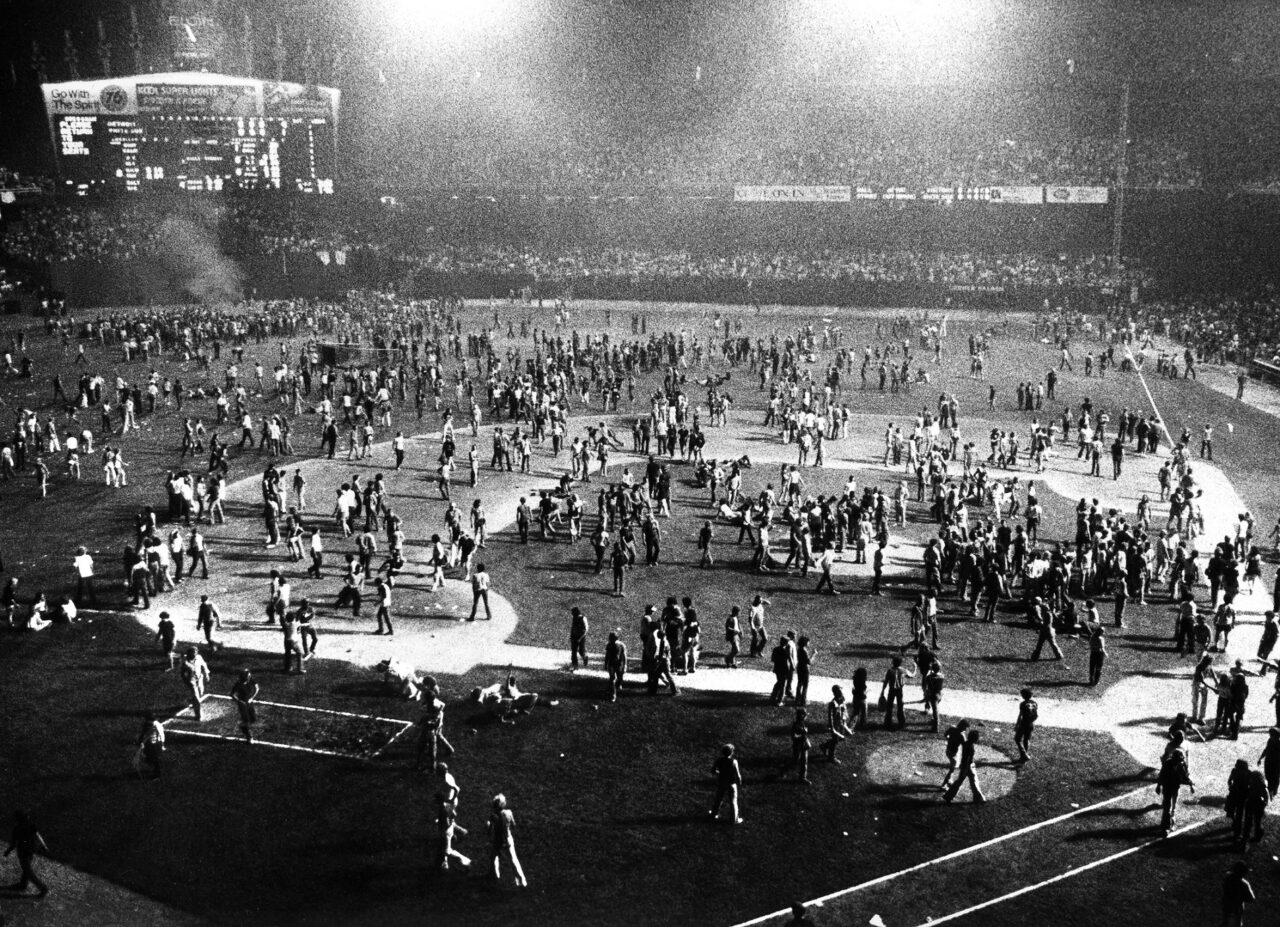
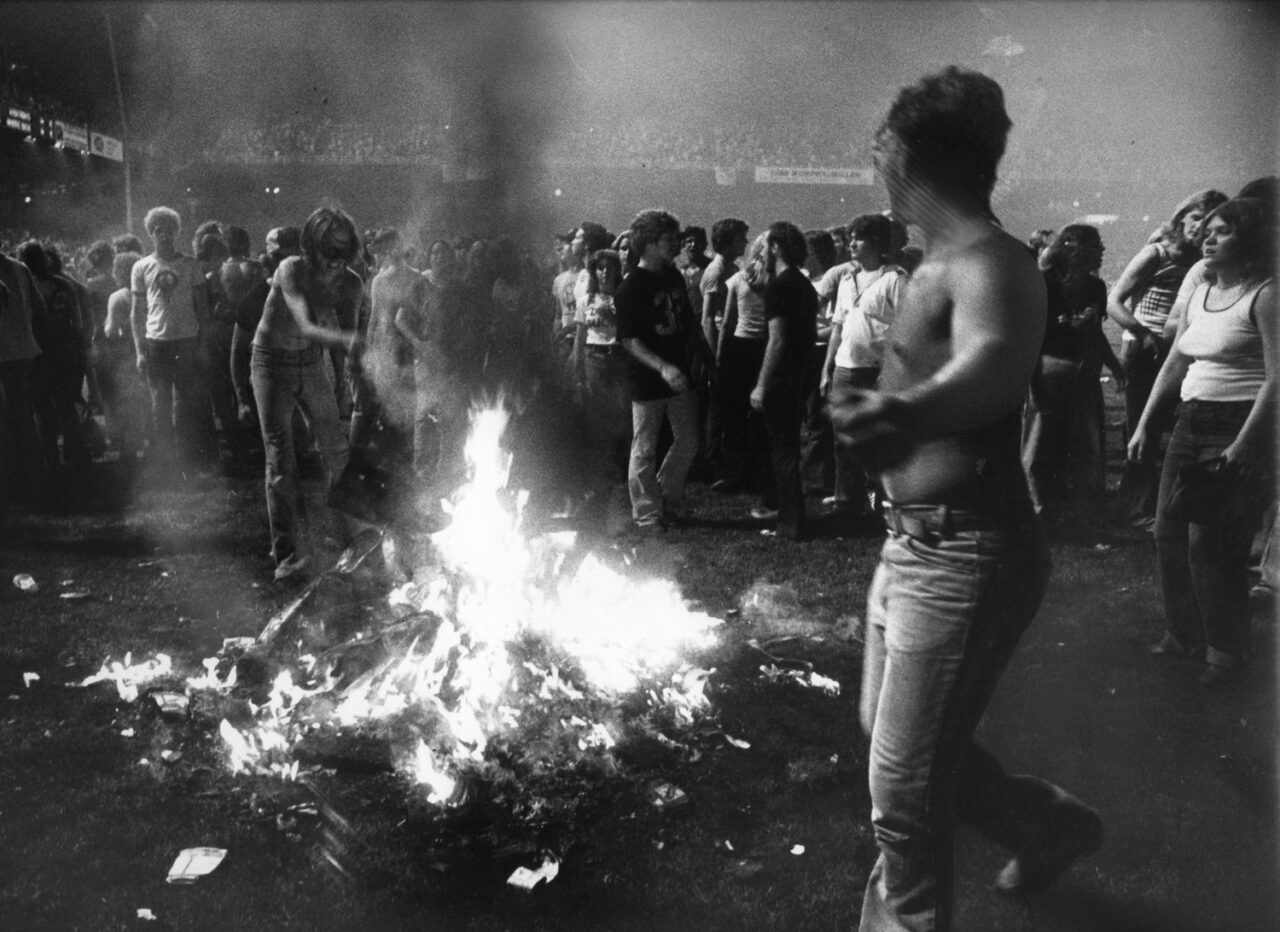
The symbolic moment was Disco Demolition Night at Comiskey Park on July 12, 1979. Chicago White Sox promoters and radio provocateur Steve Dahl told fans to bring disco records for a discounted ticket, then blew the pile up between games. The crowd stormed the field, lit fires, ripped up the turf, and forced a forfeit. What was sold as a goofy baseball stunt instantly became pop-culture mythology: the night disco died.

Browse retro and vintage-inspired apparel at the RetroRadical shop →
The Retro Almanac
A monthly roundup of "on this day" highlights from that month, decades back — plus first dibs on new retro merch drops. No spam, just the good stuff.