Why 80s Nostalgia Still Hits So Hard for Gen X
There’s a specific feeling that hits when a synth pad swells under a movie scene, when you spot a faded Trapper Keeper at a yard sale, or when somebody mentions Pizza Hut’s Book It! program completely out of nowhere. It’s not just memory. It’s something heavier. Something almost physical. And if you grew up between 1980 and 1989, you know exactly what we’re talking about. 80s nostalgia hits Gen X with a force no other decade can match — and there are real reasons for that, beyond rose-tinted hindsight.
This wasn’t just another decade. It was the last era before the internet flattened everything. Before phones became leashes. Before parents could track their kids every single minute of every single day. We had cordless phones with ten-foot antennas, jeans so tight they cut off circulation, and a genuine confidence that the future was going to be neon, chrome, and probably involve flying cars. Some of that came true. Most of it didn’t. But the feeling of believing it? That’s what we’re chasing every time we put on a Cyndi Lauper song at 1 AM.
The Mall Was the Center of the Universe
Before Amazon, before Instagram, before any algorithm decided what you were supposed to like — there was the mall. The mall was where you spent Saturday afternoons. The mall was where you got your first real job folding sweaters at The Limited. The mall was where you pretended to shop while really just walking laps with your friends, eating Orange Julius and hoping somebody would notice your acid-washed jacket.
Spencer Gifts in the back corner with the lava lamps and the stuff your parents wouldn’t explain. Camelot Music with the listening stations where you could pretend to be deciding on an album for forty-five minutes. Sam Goody. Chess King. Merry-Go-Round. Contempo Casuals. Brands that don’t exist anymore but live forever in the fluorescent-lit cathedral of memory. The food court was a destination. The Sbarro pizza was, somehow, the best thing you’d ever eaten. Sunglass Hut was where you bought your first pair of mirrored aviators because Tom Cruise wore them in Top Gun and you genuinely thought it might change your life. (It didn’t. But you tried.)
Saturday Morning Was Sacred

Today we have streaming. We have on-demand everything. Kids today don’t understand the religious experience of waking up at 6:30 AM on a Saturday, pouring a bowl of Cap’n Crunch (with the cartoon on the back of the box, obviously), and parking yourself three feet from a 25-inch tube TV for five straight hours of cartoons.
You couldn’t pause them. You couldn’t rewind them. If you missed an episode of G.I. Joe, you missed it. That was the deal. So you negotiated bathroom breaks during commercials with the precision of a hostage negotiator. You memorized the schedule. ABC had The Smurfs. NBC had Punky Brewster in cartoon form. CBS had Muppet Babies. Saturday morning television was an event with a beginning, a middle, and an end — and when the local news came on at noon, you knew the magic was over for another whole week.
The Soundtrack Lived in Your Pocket
The Sony Walkman dropped in 1979 but didn’t really conquer the world until the 80s. And once it did, music stopped being something you listened to on the family stereo and started being something you carried with you everywhere. Hooked into your belt. Foam headphones over your ears. Thirteen-year-olds walking down the street as the soundtrack to their own private movie.
Mixtapes were love letters. They were arguments. They were the result of sitting next to the radio for three hours waiting for your favorite song to come on so you could hit RECORD-PLAY at the exact right moment without catching the DJ’s voice on the intro. We curated music with our hands. We drew cover art with Sharpies on the J-card. We wrote song titles in tiny meticulous handwriting because there was only so much room. And when MTV launched on August 1, 1981 with “Video Killed the Radio Star,” the whole game changed again. Suddenly you had to look like a star to be one. Suddenly your favorite song came with a movie attached.
Arcade Quarters and the Glow of CRT Screens

The arcade in 1983 hit different. You walked in and got slapped by a wall of sound — Pac-Man chomping, Donkey Kong’s hammer thwack, Galaga ships zapping, the distant scream of somebody losing a quarter on Dragon’s Lair. Every cabinet was its own world, lit from within, attended by kids in Members Only jackets and feathered hair pretending they had a strategy.
A quarter was real currency. A quarter could buy you fifteen minutes if you were good at Galaga. It could buy you fifteen seconds if you weren’t. The high score screens with their three-letter initials were the first social media — anonymous brags carved into a CRT for whoever showed up next to see. ASS. BUT. BIG. We were eleven. We were geniuses.
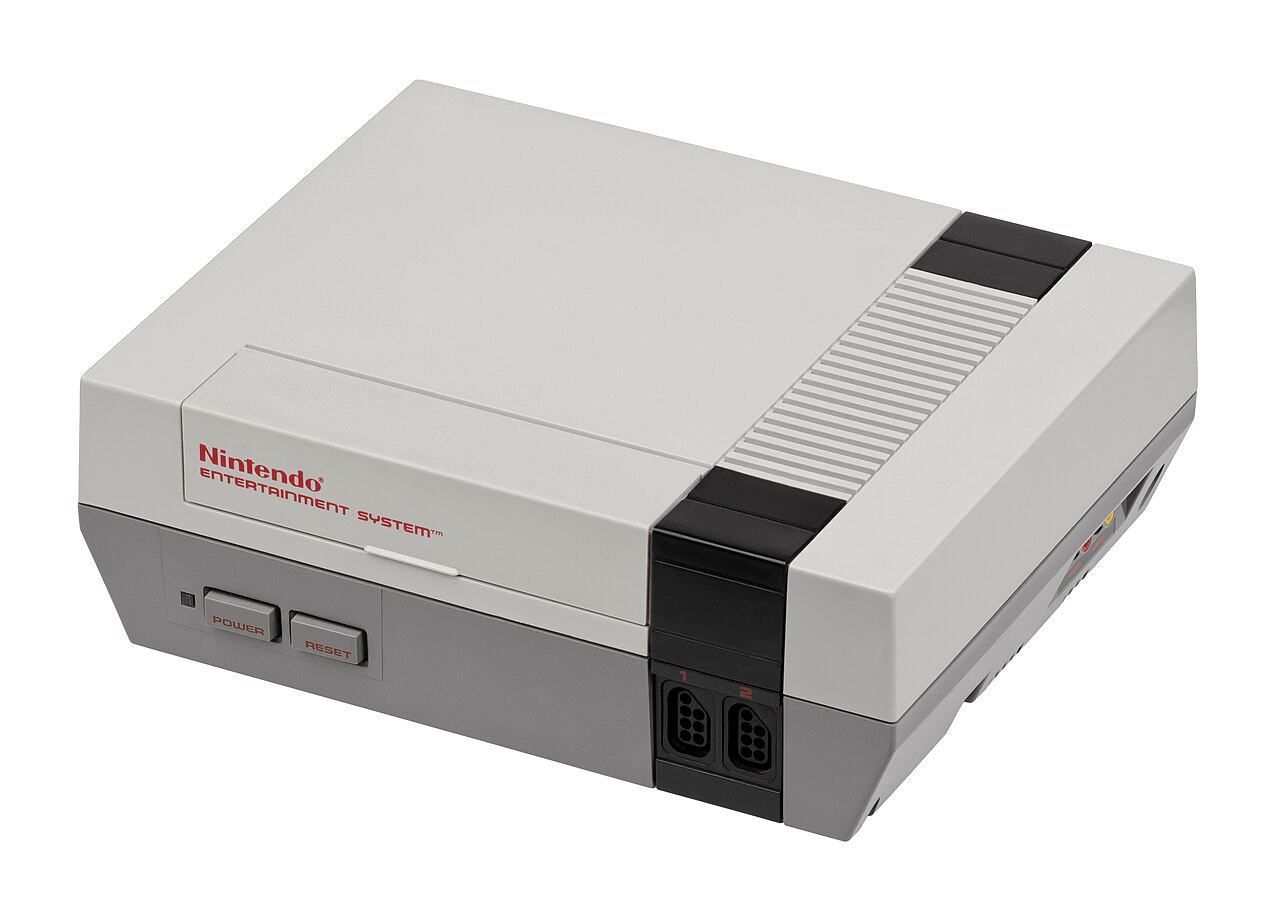
Home consoles were catching up fast. The Atari 2600 exploded in popularity in the early 80s before the great video game crash of 1983 nearly killed the industry entirely. Then Nintendo arrived in America with the NES in 1985, packed in Super Mario Bros., and changed everything all over again. We didn’t sleep for a week. Our parents started saying “if your eyes get stuck like that, don’t come crying to me.”
Movies That Wouldn’t Get Made Today
There’s a reason every studio in Hollywood is currently trying to bottle the 80s. The decade produced movies with a confidence and a strangeness that’s almost impossible to manufacture now. The Goonies. E.T. Back to the Future. Ghostbusters. Gremlins. The Karate Kid. Stand By Me. The Breakfast Club. Big. Short Circuit. Beetlejuice.
These weren’t four-quadrant focus-grouped franchise launchers. These were weird, scary, funny, sometimes deeply inappropriate stories where kids cursed, smoked, talked about sex, and rode their bikes to actual crime scenes without parental supervision. Anybody who claims they wouldn’t watch The Goonies again tonight if it came on cable is lying directly to your face.
The Toys We Risked Our Lives For

The 80s gave us the Cabbage Patch Kid riots of 1983, where adult women in shoulder pads beat each other senseless inside JCPenney for the last doll on the shelf. It gave us Transformers, G.I. Joe, Teddy Ruxpin, and the original Nintendo Power Glove (which never actually worked but we all swore it did). It gave us BMX bikes with no helmets, lawn darts that could puncture a skull, and Jarts metal rockets that we threw at each other for fun until 1988 when they were finally banned.
Slip ‘N Slides on the front lawn. Pogo Balls breaking ankles. Skip-Its bruising shins. Stretch Armstrong getting cut open with kitchen scissors so we could see what was inside (corn syrup — deeply disappointing). The Easy-Bake Oven that ran on a literal 100-watt lightbulb. The Speak & Spell that made our parents wonder if Texas Instruments was just raising us at this point. We were a generation of children entrusted with toys that would now require three signed liability waivers, a lawyer, and a follow-up therapist.
Why It Still Hits So Hard
Here’s the real answer. The 80s weren’t actually better. The Cold War was raging. AIDS was killing people. Reaganomics was reshaping the country in ways we’d still be arguing about forty years later. The cars were unsafe, the air was worse, and pretty much nobody was wearing sunscreen at the pool.
But the 80s were the last decade where the world felt knowable. You could memorize the channels. You could name every kid in your school. You could leave the house in the morning and your mom genuinely had no idea where you were until the streetlights came on. There was a containedness to the experience of being alive that we will literally never get back, no matter how many synthwave playlists or Stranger Things seasons drop.
That’s what 80s nostalgia is actually about. Not the synths. Not the shoulder pads. Not even the movies. It’s the memory of being a kid in a world that had edges. A world where the future was something you imagined, not something that pinged you at 2 AM with a notification. Every time a synthwave track loads on Spotify, every time you find a Garbage Pail Kid in your parents’ basement, every time a movie soundtrack drops a Phil Collins needle drop — what you’re really feeling is that. The sound of a world that was small enough to hold in your head.
And that’s why it never really lets go.
Sources
- Sony Walkman history and cultural impact — Wikipedia
- MTV launch and early years — Wikipedia
- Cabbage Patch Kids riots and craze — Wikipedia
- Video Game Crash of 1983 — Wikipedia
- Lawn Darts ban (1988) — Wikipedia
- Nintendo Entertainment System launch — Wikipedia