Why 80s Nostalgia Hits Harder Than Any Other Decade
There’s a reason your kid’s playlist sounds like 1985 and your neighbor’s car is a restored Trans Am. The 80s didn’t end. They just changed clothes. 80s nostalgia isn’t a phase or a passing aesthetic — it’s the most stubborn cultural mood in modern memory, and forty years later the decade still refuses to take the hint.
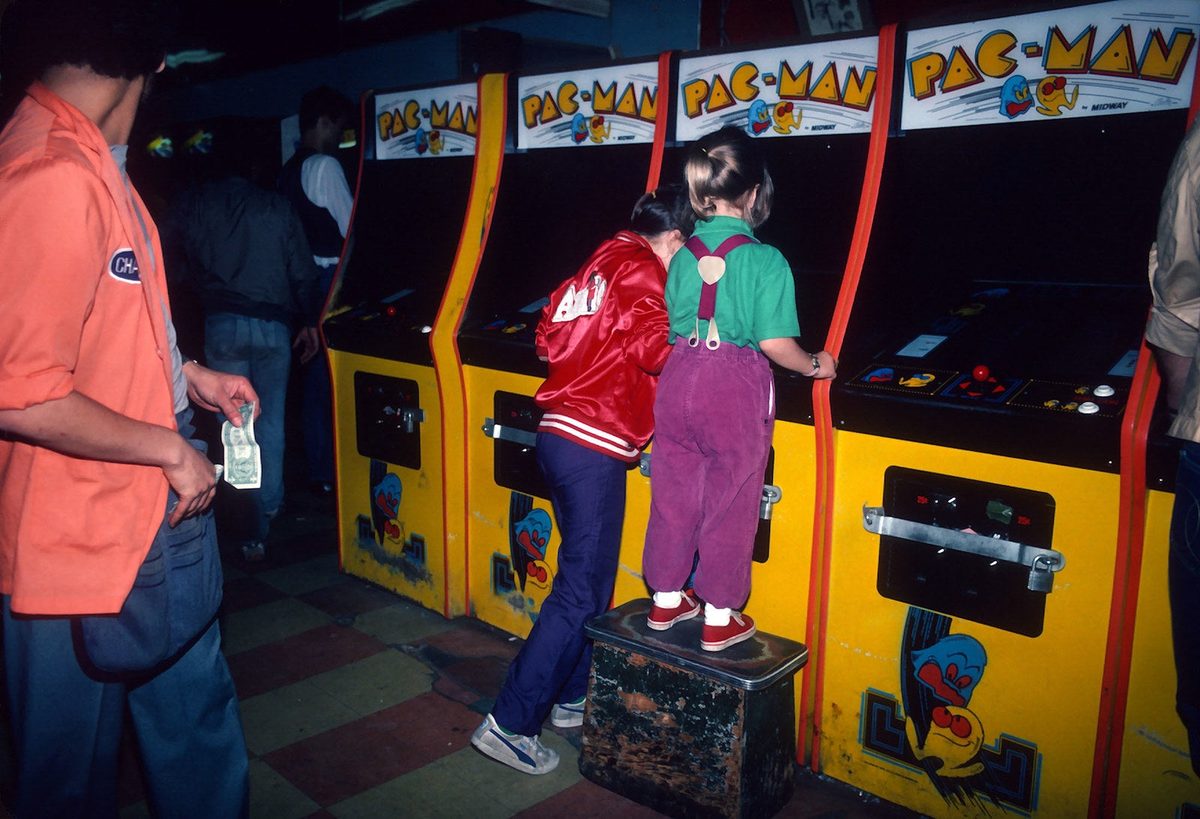
Walk into any Target this week and you’ll find synthwave T-shirts next to retro Pac-Man tins of Sour Patch Kids. Open Netflix and the algorithm will gently suggest Stranger Things, GLOW, Cobra Kai, The Goldbergs — entire shows built around the assumption that you have an emotional relationship with shoulder pads. Drive past a movie theater and the marquee still has a Top Gun sequel on it, somehow. Why this decade? Why now? And why does a kid born in 2010 know every word to Take On Me?
The Retro Almanac
A monthly roundup of "on this day" highlights from that month, decades back — plus first dibs on new retro merch drops. No spam, just the good stuff.
The Decade That Refused to Stay Buried
The 80s should have aged out by now. Most decades get a brief revival cycle — a year or two of fashion callbacks, a handful of biopics, then the cultural conversation moves on. The 70s got disco-themed weddings and That 70s Show. The 90s got a flannel resurgence and a Friends reunion. But the 80s never left. Open Spotify and synthwave is its own permanent genre. Walk into Urban Outfitters and you’ll find Garfield, Pac-Man, and ALF shirts on the same rack a thirteen-year-old is browsing. The decade’s grip on pop culture has now lasted longer than the decade itself.
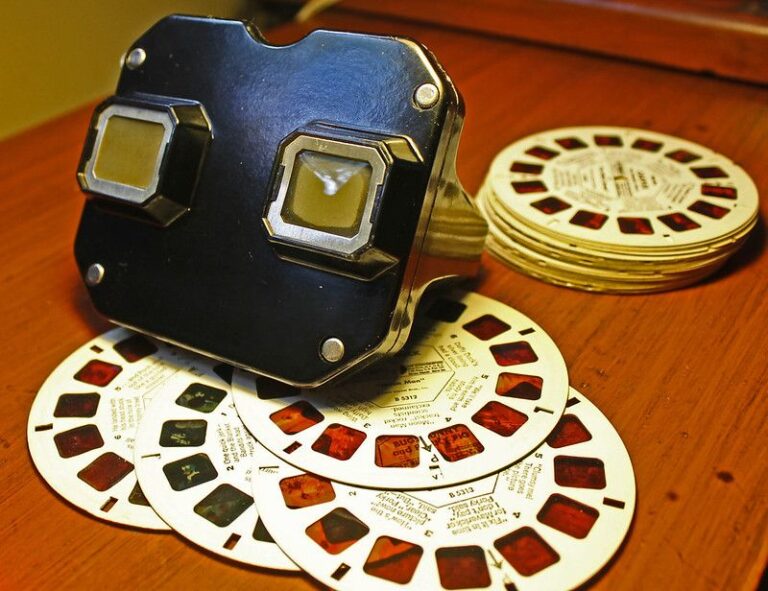
This is not an accident. The 80s were the first decade engineered for replay. Cable television, the home video rental, the personal Walkman, and the Saturday morning cartoon block — every cultural product was designed to be experienced again. You taped Family Ties on Betamax. You rewound Top Gun until tracking lines appeared. You collected the Star Wars figures, the He-Man playsets, the Garbage Pail Kids cards. The decade trained a generation to hoard memory artifacts, and that generation never stopped.
How the Cassette-Era Brain Holds On
Psychologists call it the reminiscence bump. People remember music, movies, and events from their teenage years more vividly than anything that happens later in life. Researchers studying why we remember songs from our teens so vividly have tracked this for decades — songs heard roughly between age 14 and 22 leave the deepest neural impression, and the emotional weight never fully fades. Gen X grew up in the 80s. Their reminiscence bump landed on Madonna, John Hughes, MTV, and the arcade.
The strange part is that the appetite stretches far past the people who actually lived through it. Millennials remember the decade through their parents’ VHS collection and the inherited Walkman. Gen Z encounters it through TikTok edits of Top Gun and synthwave streams that auto-play after a Drake song ends. The reminiscence bump explains why Gen X loves the 80s. It does not explain why everyone else does.
The Synthwave Algorithm and the Streaming Pile-On
The streaming era handed the 80s a second life. Netflix dropped Stranger Things in July 2016 and the show quickly became one of Netflix’s most-watched series in record time — a global hit set in 1983 Indiana, made by two brothers who were not born when the show takes place. Other platforms scrambled to compete. Cobra Kai, GLOW, The Goldbergs, Halt and Catch Fire, and Pose all leaned hard into the era. Music followed. The Weeknd’s Blinding Lights set a Billboard Hot 100 longevity record, and it sounds like it was recorded in 1985 with a-ha producing.
The algorithm noticed. Streaming services learned that 80s-coded content traveled across age groups, languages, and continents. The visual grammar — neon, chrome, palm trees against a sunset, a single bead of synth pulsing under a chase scene — became shorthand for “this is going to be fun and slightly dangerous.” Indie game studios picked it up next. Hotline Miami, Far Cry: Blood Dragon, Stranger Things: The Game, the entire VHS-shader horror movement on Itch.io — none of these were made by people who were adults in 1985, but they all wore the decade like a costume that fit.
Reagan, MTV, and the Last Great Monoculture
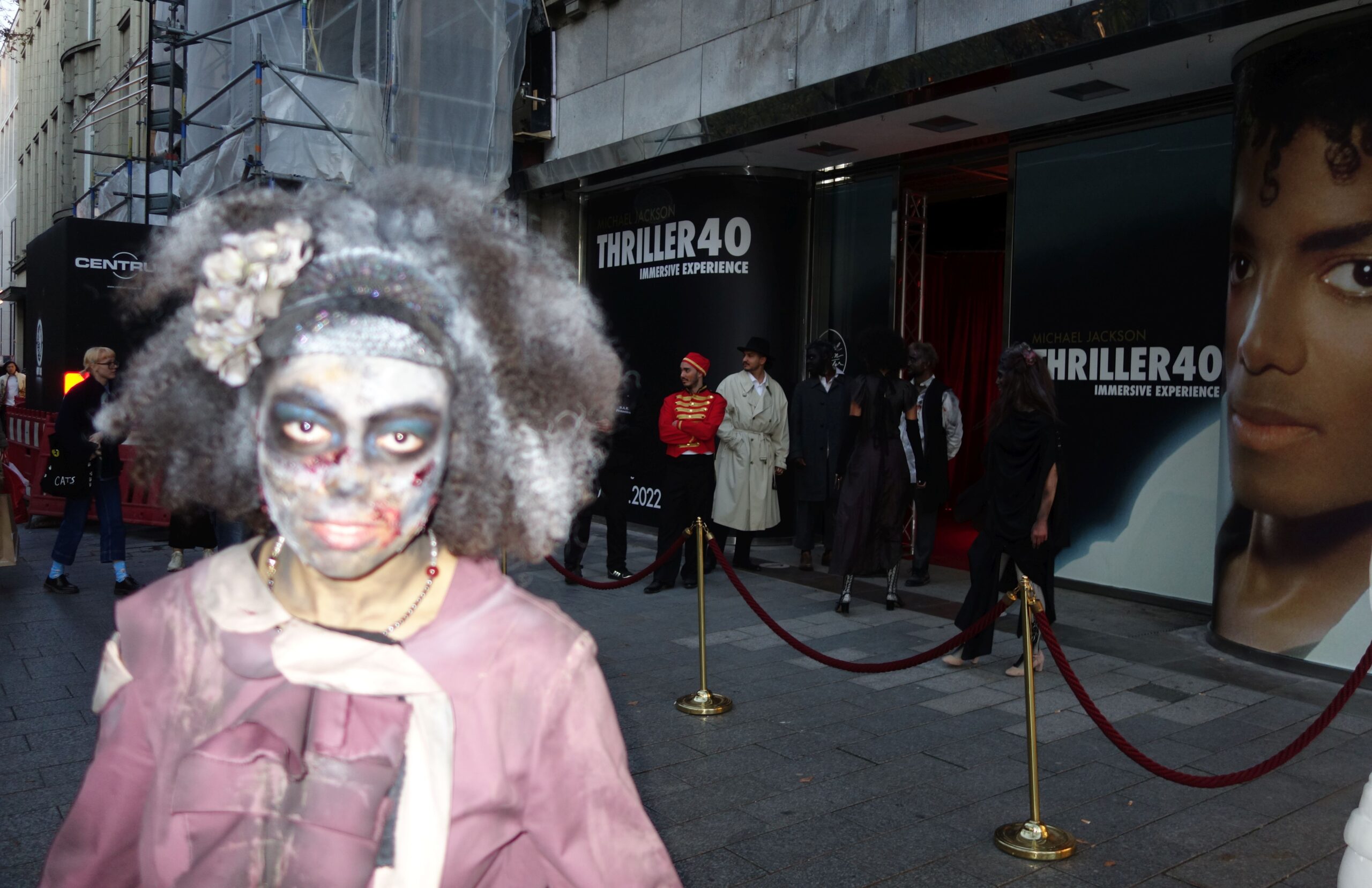
The 80s were the last time a generation watched the same thing at the same time. MTV launched on August 1, 1981 and within five years it had reshaped how a generation related to music, fashion, and celebrity. A teenager in suburban Ohio and a teenager in Brooklyn watched the premiere of Thriller on the same night. They were both wearing the same Members Only jacket. They were both, unfortunately, getting the same haircut.
This was the last monoculture before the internet fractured everything. The 90s tried, but cable expansion and the early web pulled the audience apart. The 2000s atomized it further with iTunes and BitTorrent. By the 2010s, two people the same age could grow up consuming entirely different media universes — a fan of Asian dramas and a fan of WWE might never share a single cultural reference. The 80s remain the last decade where saying “Where’s the beef?” or “Wax on, wax off” gets a guaranteed laugh from anyone alive at the time. Shared reference is rare now, and the 80s remain the deepest well of it the country has.
Stranger Things Confirmed It, But Did Not Start It
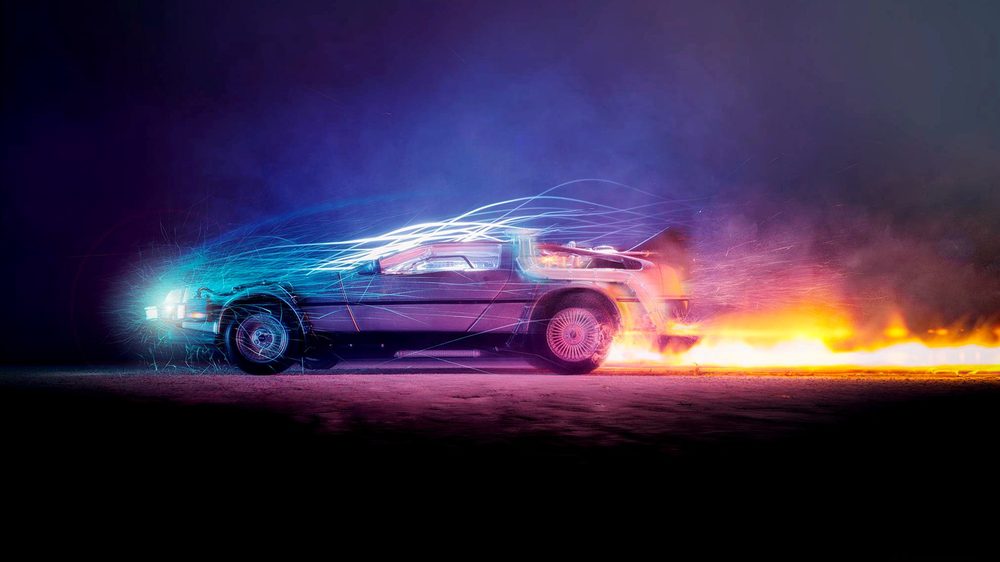
The temptation is to credit Stranger Things with the modern 80s revival. That’s wrong by about a decade. The signal started earlier. Drive (2011) leaned into pink-script titles and a Cliff Martinez synth score. Hot Tub Time Machine (2010) sent middle-aged comedians back to 1986. The DeLorean became a permanent meme sometime around the original Universal Studios reissue of Back to the Future on Blu-ray in 2010. American Horror Story: 1984 came much later — the appetite was already there. Stranger Things just confirmed how big the appetite was, and it was bigger than Hollywood had assumed.
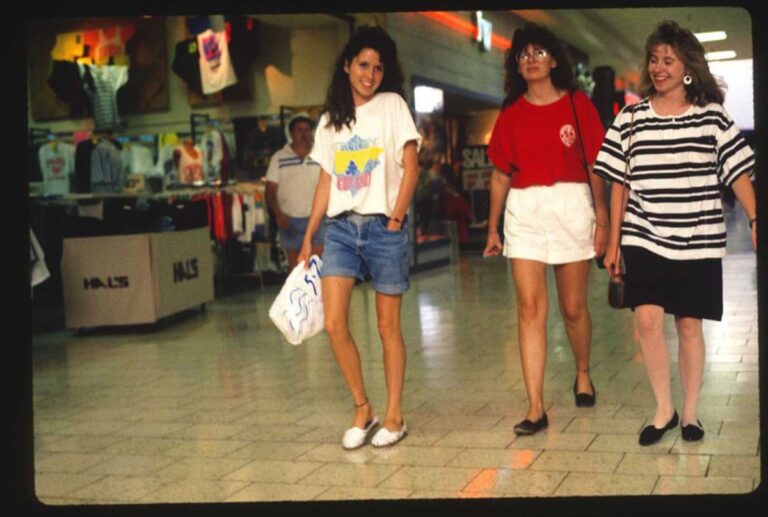
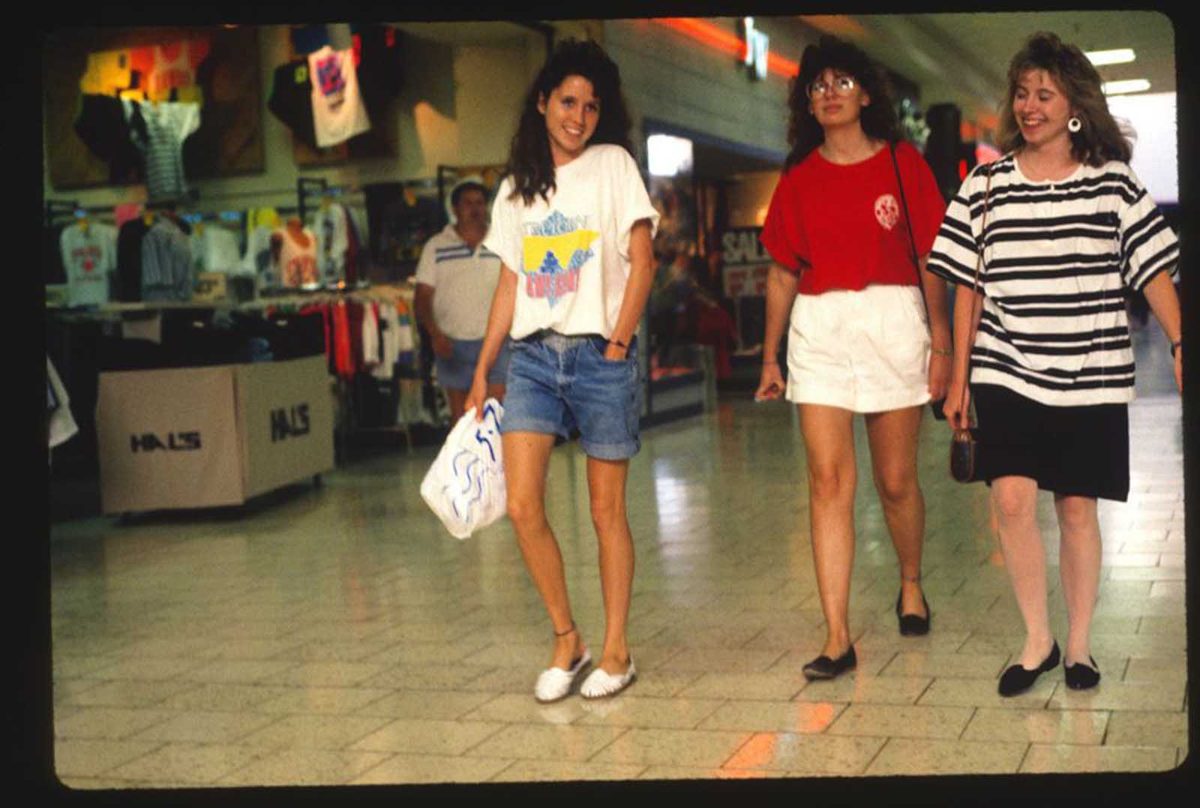
What Stranger Things did do is normalize the aesthetic for an audience too young to have lived it. A twelve-year-old watching the show in 2016 became a nineteen-year-old buying a Members Only jacket in 2023. The pipeline from prestige TV nostalgia to mall retail is shorter than the industry pretends. The 80s revival fashion at Urban Outfitters, the H&M synthwave graphics, the comeback of slap bracelets and scrunchies — they all trace back to a Netflix show set in Indiana that nobody at Netflix expected to be a hit.
The Gen X Inheritance Problem
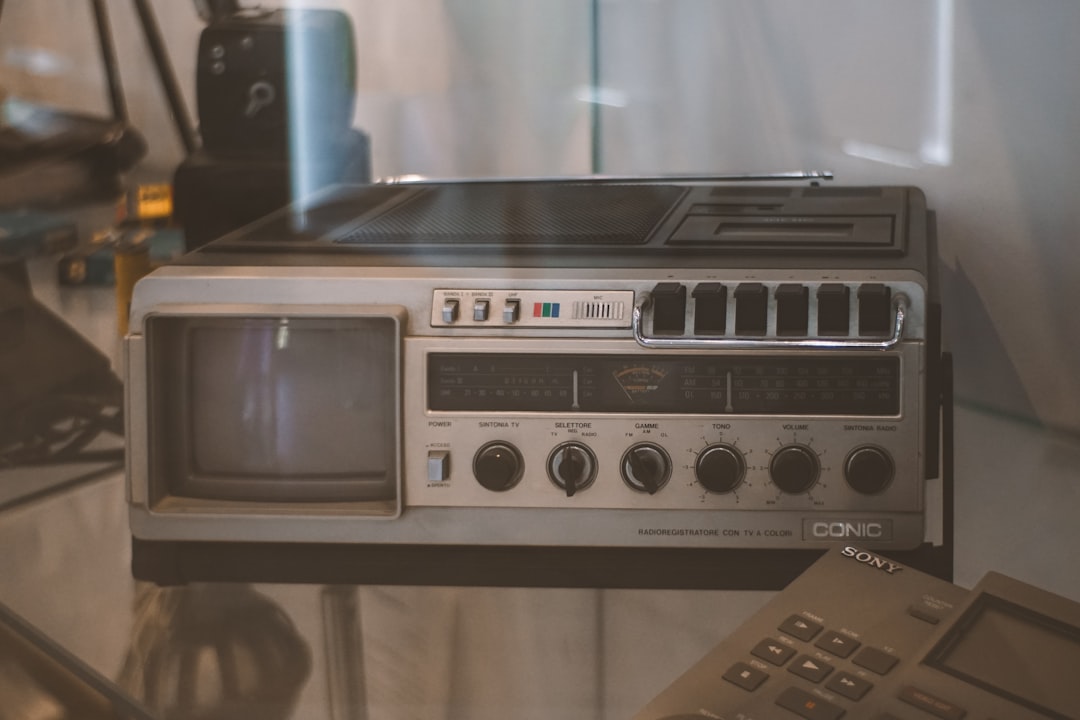
There’s a quieter reason the 80s stick. Gen X is small. Statistically, Gen X is the smallest living American generation — roughly 65 million people, sandwiched between the 76 million Boomers and the 72 million Millennials. A generation that small should not have a cultural footprint this large. They do because they were the last cohort raised entirely on physical media, and they hoarded it. Vinyl, VHS, cassette, Polaroid, paperback, Trapper Keeper, lunchbox — Gen X kept everything. When eBay launched in 1995, Gen X was already in their twenties with attics full of inventory.
Then they had kids. Millennial and Gen Z kids grew up watching their parents pull old action figures out of storage, borrow dad’s Walkman, dig out the original Goonies tape with the Polaroid taped to the case. They learned about the era from people who actually owned it, not from a streaming algorithm. The transmission was personal, and it was specific. That’s why a twenty-year-old in 2026 can correctly name the order of Star Wars releases and explain why The Sandlot is better than Bad News Bears.
The Retail Machine That Keeps Feeding the Fire
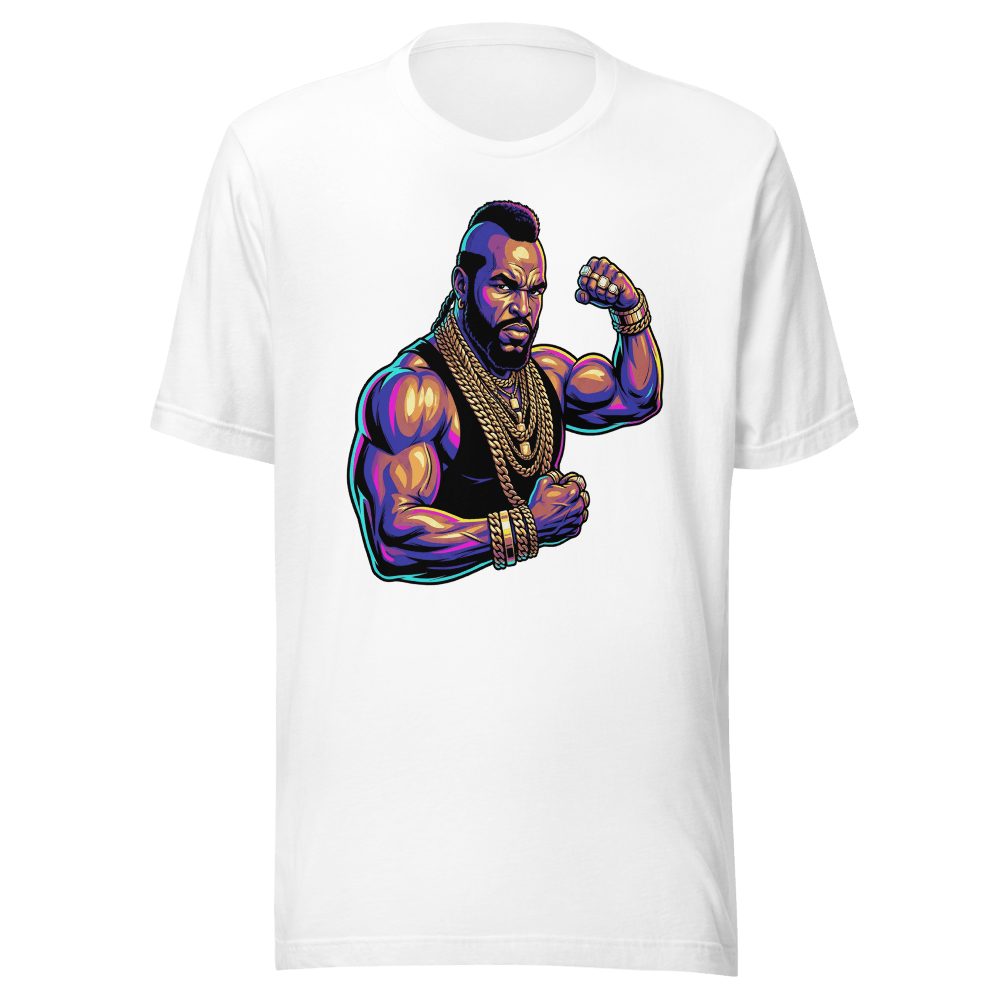
Nostalgia is a business, and the 80s business is enormous. Hasbro relaunched vintage He-Man and Transformers with reissue lines aimed specifically at adults who buy them and never open the box. Funko built an entire pop-culture empire around chibi-fied versions of Ghostbusters, The Goonies, Goonies again, and Spuds MacKenzie. Mondo prints $60 screen-printed posters of The Thing and they sell out in twelve minutes. The original Nintendo Entertainment System got the NES Classic Mini in 2016, sold out everywhere, and got relaunched again three years later because people kept asking.
This is not unusual for nostalgia merchandising. What is unusual is the volume. The 80s revival economy is bigger than the 70s and 90s revivals combined, and it has lasted longer than either. Sales data on retro gaming hardware, vintage tee licensing, and 80s-themed concert tours has held steady for over a decade. The first decade to be merchandised at industrial scale is, predictably, the decade with the most durable resale market.

What Happens When the 80s Never Leaves
Forty years out, the 80s have done something no other decade managed. They became permanent furniture in the cultural living room. The fashion will cycle again. The synth sound will get reabsorbed into whatever genre comes next. Stranger Things will end — the fifth and final season is scheduled for late 2026 — and another show will pick up the visual grammar. Reissues and remakes will keep coming, because there are eight studios with vaults full of 80s IP they have not yet exploited.
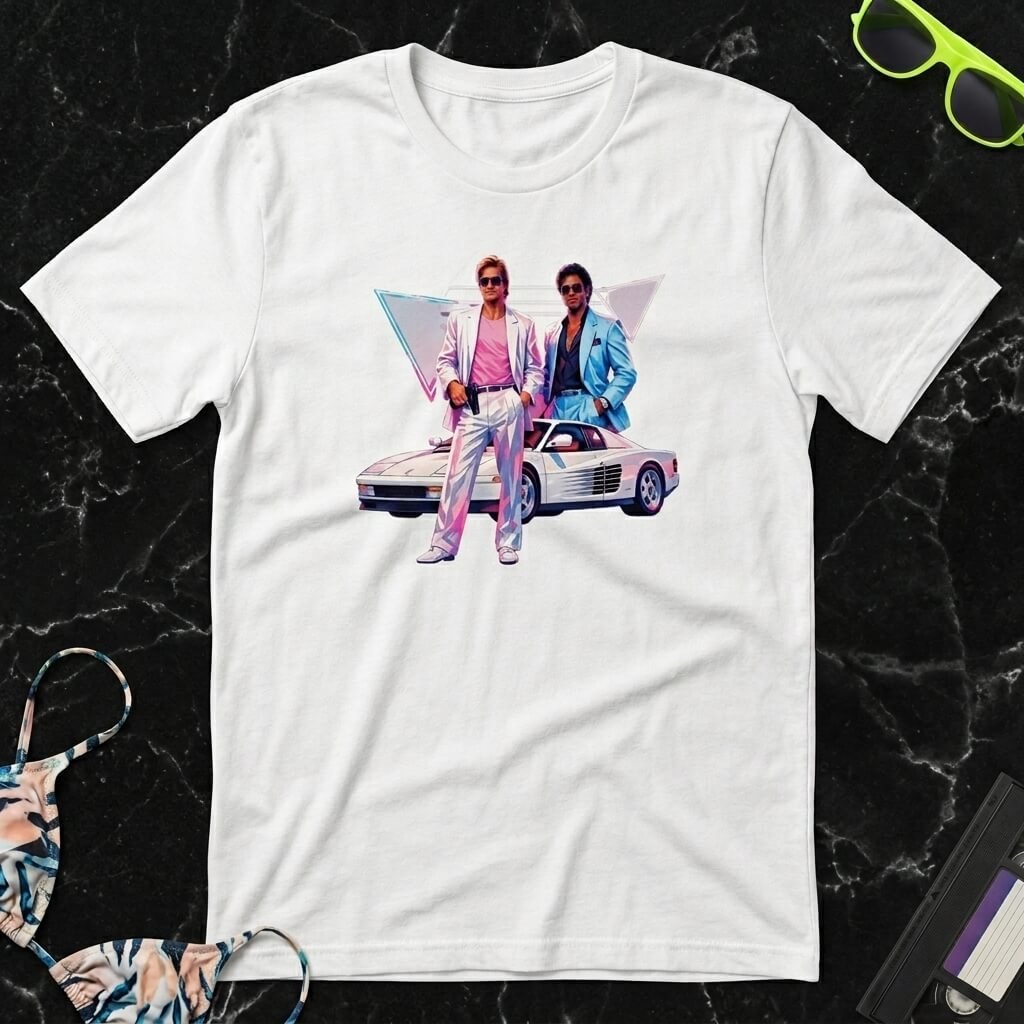
The underlying reason the decade refuses to fade is simpler than algorithm or reminiscence bump. The 80s produced an enormous volume of work that was loud, optimistic, slightly stupid, and committed to entertainment as the primary value. Miami Vice did not apologize for being Miami Vice. Top Gun did not apologize for being Top Gun. Pop culture in 2026 has gotten more anxious, more fractured, more self-conscious about its own existence. The earnest, big-haired, neon-shouldered confidence of 1985 is hard to find now. So we keep visiting.
If you want to stop wondering why your kid knows every word to Take On Me, the answer is sitting on your couch with you. The 80s never left because nobody let them leave. With everything that’s happened since, can you blame us?
Sources
- BBC Future — Why we remember songs from our teens so vividly
- Variety — Stranger Things viewership records
- History.com — MTV launches, August 1, 1981
- Pew Research Center — Generational population statistics
- Billboard — The Weeknd’s Blinding Lights Hot 100 record
Browse retro and vintage-inspired apparel at the RetroRadical shop →
Shop on Amazon
80s Collectibles on Amazon →
As an Amazon Associate we earn from qualifying purchases.
Shop on eBay
80s Collectibles on eBay →
We may earn a commission when you shop through our eBay links.
The Retro Almanac
A monthly roundup of "on this day" highlights from that month, decades back — plus first dibs on new retro merch drops. No spam, just the good stuff.