Roller Derby History: RollerGames, the Wall of Death & the 1989 TV Show
Take professional wrestling. Put everyone on roller skates. Add a figure-eight track with a 14-foot vertical wall that skaters launched over like ragdolls. Throw in an alligator pit — yes, a real, actual alligator pit — and broadcast the whole thing on network television. That was RollerGames, the beautiful fever dream of late ’80s sports entertainment that made regular roller derby look like a quilting bee.
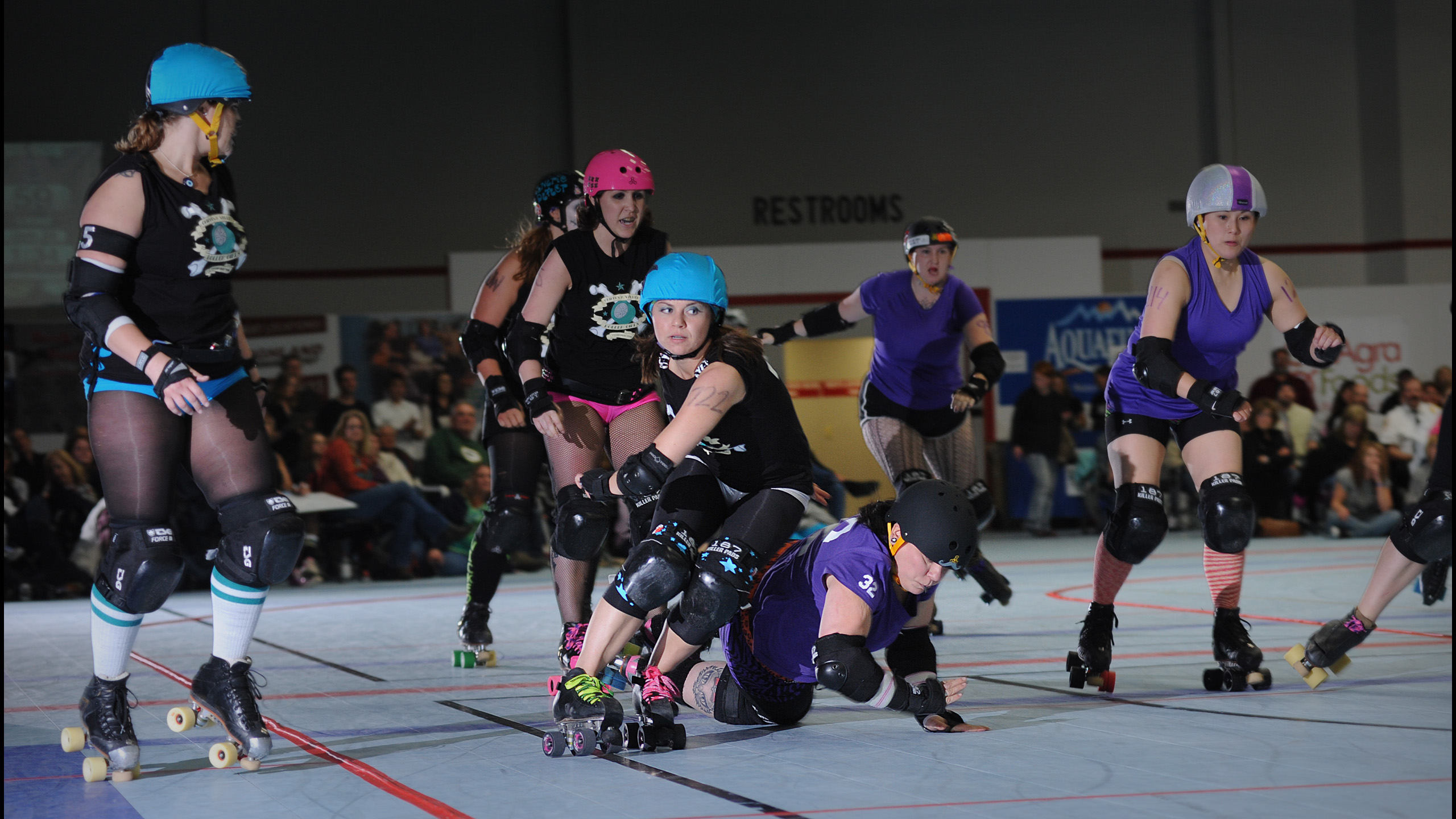
Roller derby itself has one of the wildest origin stories in American sports. It started during the Great Depression as an endurance contest, evolved into a choreographed spectacle that filled arenas for decades, nearly died multiple times, and then came roaring back in the 2000s as a legitimate, athlete-driven sport. But the peak of pure insanity? That belonged to the televised era of the ’70s and ’80s, and specifically to RollerGames, the show that asked “what if roller derby, but with way more violence and a wall you could die on?”
Roller Derby’s Wild Origins: From Depression Dance Marathons to Full-Contact Mayhem
The sport we know as roller derby traces back to 1935, when promoter Leo Seltzer combined two American obsessions: roller skating and watching people suffer. He created the Transcontinental Roller Derby, a six-day endurance event where pairs of skaters circled a banked track trying to cover 57,000 laps — the distance from New York to Los Angeles. Audiences showed up to watch the crashes. When skaters started elbowing each other and slamming into the rails, the crowd went absolutely wild.
The Retro Almanac
A monthly roundup of "on this day" highlights from that month, decades back — plus first dibs on new retro merch drops. No spam, just the good stuff.
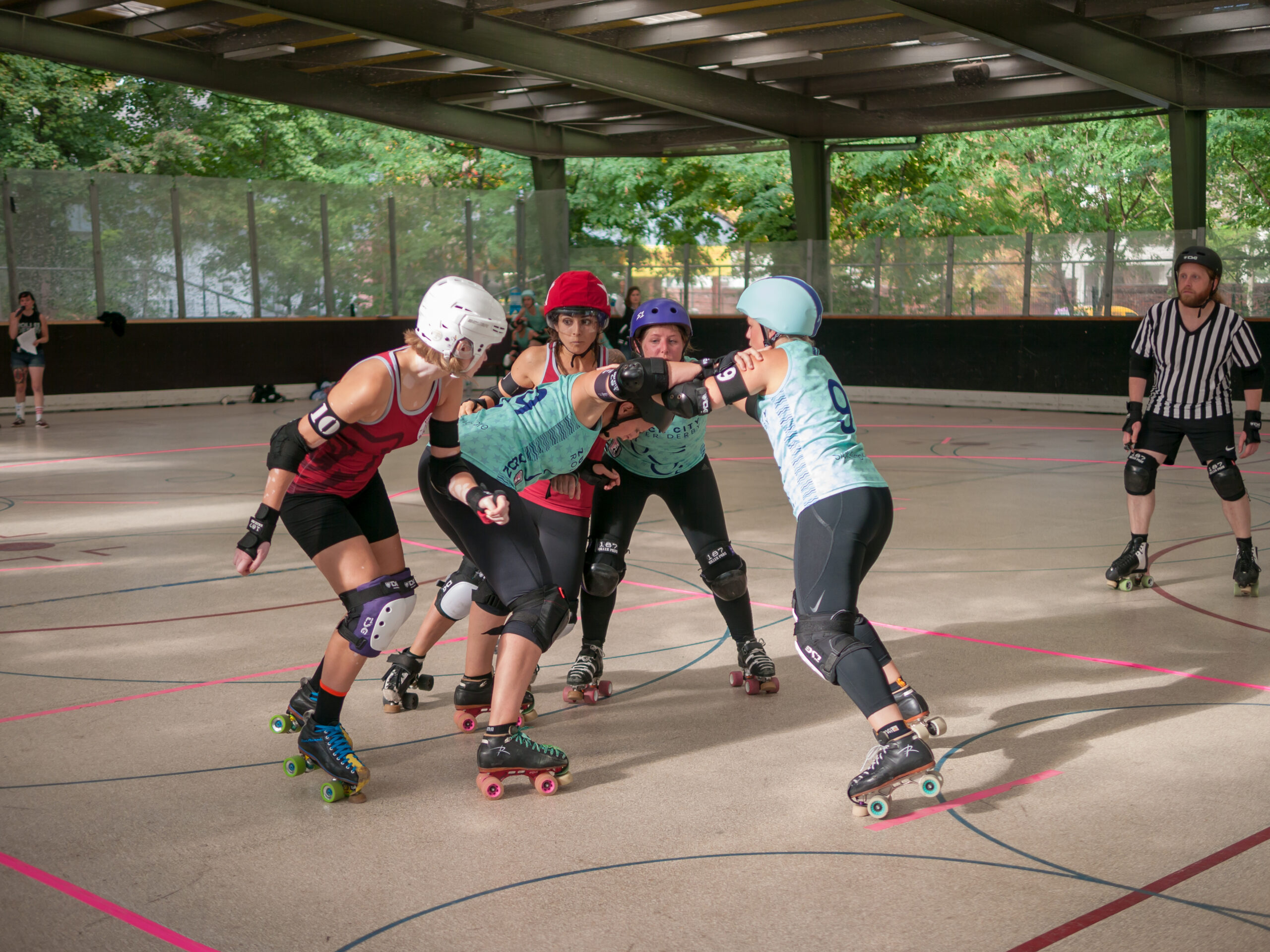
Seltzer noticed what put butts in seats: contact. So he rewrote the rules to emphasize it. By the late 1930s, roller derby had evolved from an endurance race into a team-based contact sport. Two teams. A banked oval track. “Jammers” who scored points by lapping opponents. “Blockers” who stopped them with whatever force they could muster. It was organized chaos on eight wheels, and America loved it.

Browse retro and vintage-inspired apparel at the RetroRadical shop →
The Retro Almanac
A monthly roundup of "on this day" highlights from that month, decades back — plus first dibs on new retro merch drops. No spam, just the good stuff.