Nirvana band 1991
|

How Grunge Conquered the World: From Aberdeen Basements to MTV Domination

It started in basements and dive bars in the Pacific Northwest. Within five years, it would dominate MTV, blow hair metal off the charts, send Marc Jacobs to a Manhattan runway with thrift-store plaid, and rewrite what mainstream rock looked like. Grunge wasn’t a marketing plan or a coordinated movement — it was a handful of weird, loud, deeply uncool bands from Seattle and Aberdeen who happened to catch lightning at exactly the right moment. This is the complete guide to grunge: where it came from, how it took over, and why it still matters thirty years on.
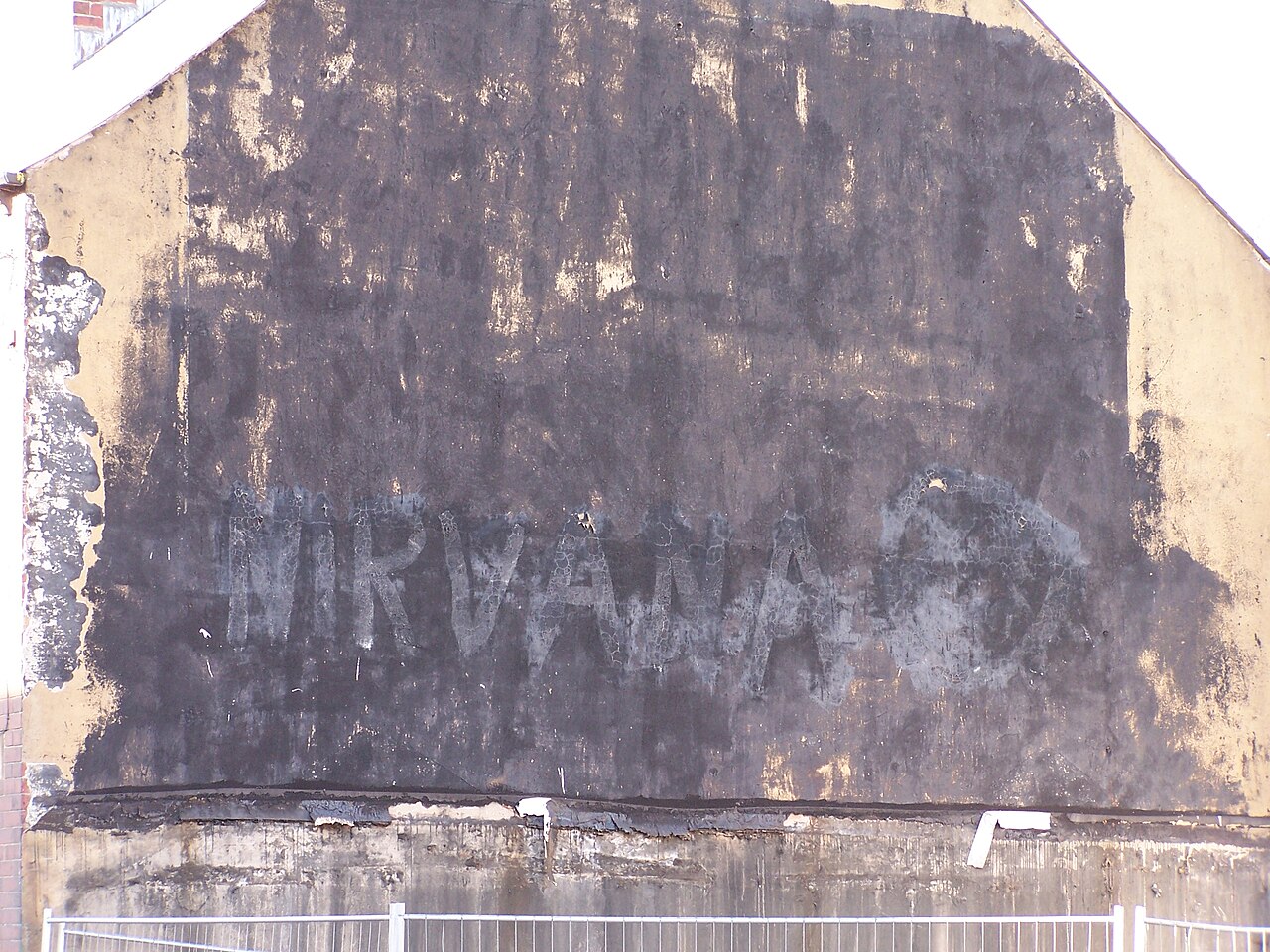
Nirvana band 1991
Nirvana band 1991

Before Grunge — Rock in the Late 80s

By 1989, mainstream rock was a Sunset Strip cartoon. Hair was tall, spandex was tight, and the biggest songs on the radio were power ballads about cherry pies and pouring sugar on people. Glam metal had calcified into formula: the riffs got bigger, the choruses got dumber, and the videos all looked like the same Aqua Net commercial. There was nothing wrong with having fun, but rock had stopped saying anything.

Meanwhile, in cities most of America couldn’t find on a map — Seattle, Olympia, Aberdeen — a different scene was bubbling. Kids who grew up on Black Sabbath, the Stooges, and Black Flag were starting bands in basements. They didn’t have stylists, they didn’t have managers, and most of them looked like they’d just woken up. That was the point.

The Seattle Scene Takes Shape

Sub Pop and the DIY Ethos

The story doesn’t happen without Sub Pop Records. Founded in 1986 by Bruce Pavitt and Jonathan Poneman, the tiny Seattle label became the unlikely epicenter of a sound that didn’t have a name yet. Their early releases — Green River, Mudhoney, Soundgarden — fused metal’s heaviness with punk’s nihilism and a sludgy, distorted production style nobody else was making. Sub Pop branded it with a wink: “loser” t-shirts, deliberately ugly artwork, and a singles club that built a worldwide cult by mailing 7-inch records to subscribers.
The Bands Who Built the Sound

Before Nirvana blew the doors open, the foundation was already there. Soundgarden brought the Sabbath-style riffs and Chris Cornell’s operatic howl. Mudhoney perfected the snotty, fuzz-pedal rave-up. Alice in Chains crawled out of the same scene with a heavier, more sinister edge that felt closer to doom than to punk. Pearl Jam — formed from the ashes of Mother Love Bone after singer Andrew Wood’s overdose in 1990 — added the classic-rock backbone that would make them stadium giants. Each band sounded different, but they all shared the same DNA: real, loud, and aggressively un-pretty.

grunge concert
grunge concert

The Nevermind Earthquake

In September 1991, Nirvana released their second album, Nevermind. Geffen Records had pressed 46,000 copies — a respectable indie-to-major launch. By Christmas, the label was scrambling to print a million more. By January 1992, Nevermind had knocked Michael Jackson’s Dangerous off the top of the Billboard 200.

It is impossible to overstate how unexpected this was. The lead single, Smells Like Teen Spirit, had a chorus you couldn’t quite understand, a video shot in a high school gym, and a frontman who looked like he’d been pulled out of a thrift-store dumpster. None of that was supposed to work on MTV in the era of Bon Jovi and Warrant. It worked anyway, and once it did, the floodgates opened.

flannel shirt
flannel shirt
https://www.youtube.com/watch?v=hTWKbfoikeg

Within six months, Pearl Jam’s Ten was a top-ten record. Soundgarden’s Badmotorfinger was on heavy rotation. Alice in Chains’ Dirt — released in 1992 — became one of the decade’s defining albums. A&R reps from every major label descended on Seattle with checkbooks. Bands you’d never heard of got six-figure advances because they happened to live in the right zip code.

The Grunge Look — Anti-Fashion Becomes Fashion

Plaid Shirts, Thrift Stores, and Doc Martens

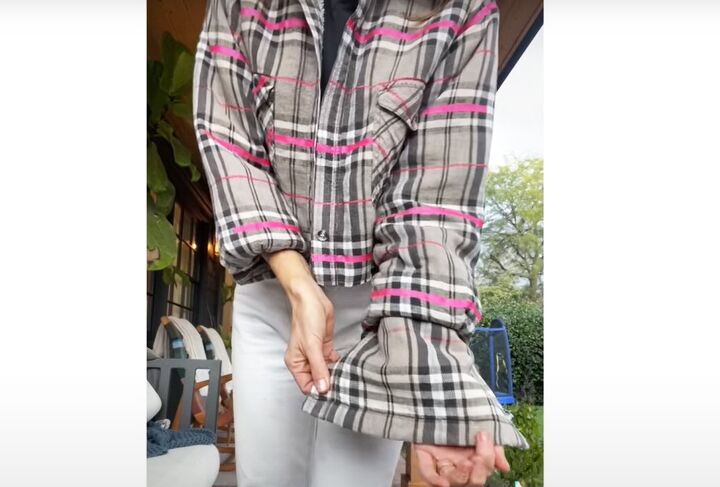
The grunge wardrobe wasn’t designed. It was what cold, broke twenty-somethings in the Pacific Northwest already wore. Plaid shirts because they were warm and cheap at Value Village. Combat boots and Doc Martens because they lasted forever. Ripped jeans because new ones cost money you didn’t have. Long, unwashed hair because barbers cost ten bucks and you’d rather buy a record. Layering — the now-iconic plaid-over-band-tee-over-thermal — wasn’t a style choice. It was just how you stayed warm while hauling a guitar amp across a parking lot in November.

That’s exactly why it caught on. After a decade of looking like a coke-fueled music video, kids wanted clothes that looked human. Suddenly thrift stores were full of teenagers from Ohio digging for the right cardigan. The aesthetic was anti-aesthetic, and the fashion industry — eventually — couldn’t resist.

When Marc Jacobs Took Grunge to the Runway

In November 1992, Marc Jacobs sent his Spring 1993 collection down the Perry Ellis runway in Manhattan. Plaid silk shirts. Doc Martens. Beanies. Slip dresses paired with combat boots. The fashion press was scandalized. Perry Ellis fired him. Courtney Love and Kurt Cobain reportedly received the collection in the mail and burned it. None of that mattered — within two years, every department store in America was selling its own version of “grunge” to suburban teenagers, complete with pre-distressed jeans and factory-flannel shirts at four times Value Village prices.

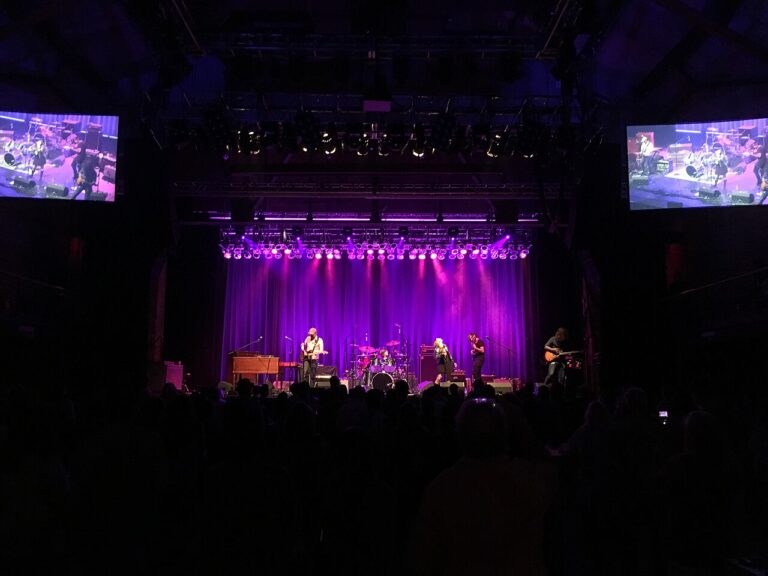
Pearl Jam concert
Pearl Jam concert

Grunge Goes Mainstream — and Pays the Price

There’s an old rule in subculture: the moment something becomes a marketing category, the people who built it start to leave. Grunge proved it faster than most. By 1992, the New York Times was running a now-infamous “Lexicon of Grunge” article — fed almost entirely by a Sub Pop receptionist who made up the slang on the spot to mess with the reporter. Hollywood released Singles, Cameron Crowe’s Seattle-scene rom-com. Every car commercial and sitcom suddenly had a plaid-clad twenty-something character.

The bands themselves had complicated reactions. Pearl Jam famously declared war on Ticketmaster in 1994, refusing to tour through their venues — a feud that arguably hobbled the band commercially for years. Eddie Vedder testified before Congress about it. Kurt Cobain wrote songs like Radio Friendly Unit Shifter partly as commentary on the corporate machine that had swallowed his band whole. Even at the absolute peak of their power, the architects of grunge seemed allergic to enjoying it.

Sub Pop records Seattle

The Voice of a Generation

For Gen X — the kids born roughly 1965 to 1980 — grunge wasn’t just music. It was the first piece of pop culture that had been actually made for them, by people from their own demographic, with their own specific anxieties. Boomers had Woodstock. Millennials would later get Napster and emo. Gen X got Cobain on a magazine cover looking miserable in a sweater that said “Corporate Magazines Still Suck.”

The lyrics were a shift. Instead of love songs and party anthems, you got songs about depression (Alice in Chains’ Down in a Hole), abuse (Pearl Jam’s Jeremy), addiction (Soundgarden’s Fell on Black Days), and the suffocating sense that the future had already been used up by the generation before. It was angry, but it was also genuinely sad — and millions of teenagers heard themselves in it for the first time.

grunge teen
grunge teen

After the Storm — Grunge’s Lasting Legacy

Kurt Cobain’s death on April 5, 1994, is usually cited as the day the movement effectively ended. That’s not entirely fair — Pearl Jam, Soundgarden, and Alice in Chains kept making important records for years — but it’s true that grunge’s grip on the mainstream loosened almost immediately. By 1996, the charts were filling up with Britpop, ska revival, and the early waves of nu-metal. By 1999, MTV was playing Backstreet Boys videos on a loop.

But the influence never really left. Every alternative rock band that followed — from Foo Fighters (literally founded by Nirvana’s drummer) to the post-grunge wave of the late 90s to the emo and indie scenes of the 2000s — was operating in a landscape grunge had built. The idea that a major-label rock band could look ordinary, sound aggressive, and write songs about real pain became the new normal. Fashion still cycles back to plaid and combat boots every few years. And the back catalogues — Nevermind, Ten, Superunknown, Dirt — still sell, still stream, and still get passed from older siblings to younger ones in basements all over the world.

That, in the end, is the real legacy of grunge. Not the corporate moment. Not the plaid craze. The fact that thirty-plus years later, a kid in 2026 can put on Smells Like Teen Spirit for the first time and still feel exactly what an Aberdeen teenager felt in 1991 — that something is wrong, that somebody else knows it, and that the volume knob goes all the way to eleven.

electric guitar distortion pedal

Sources

Similar Posts

Leave a Reply

Your email address will not be published. Required fields are marked *