The Grunge Atlas: Mapping the Sound, Style, and Spirit of the 90s
The first time most American teenagers saw a flannel shirt on MTV, it wasn’t a fashion statement — it was a surrender. By the autumn of 1992, the music industry, the modeling world, and an entire generation of suburban kids had quietly agreed that the future of cool was being shipped down from a damp port city most of them couldn’t find on a map. Grunge wasn’t a marketing plan. It was a regional accident that escaped into the bloodstream of pop culture and rewrote what a rock star, a teenager, and a Tuesday outfit were supposed to look like.
This is the atlas of that accident — the music, the clothes, the attitude, and the geography that made all three possible. Pin it to the wall, hum a few bars of Black, and let’s start in the rain.
Where the Map Begins: Aberdeen and the Long Drive North
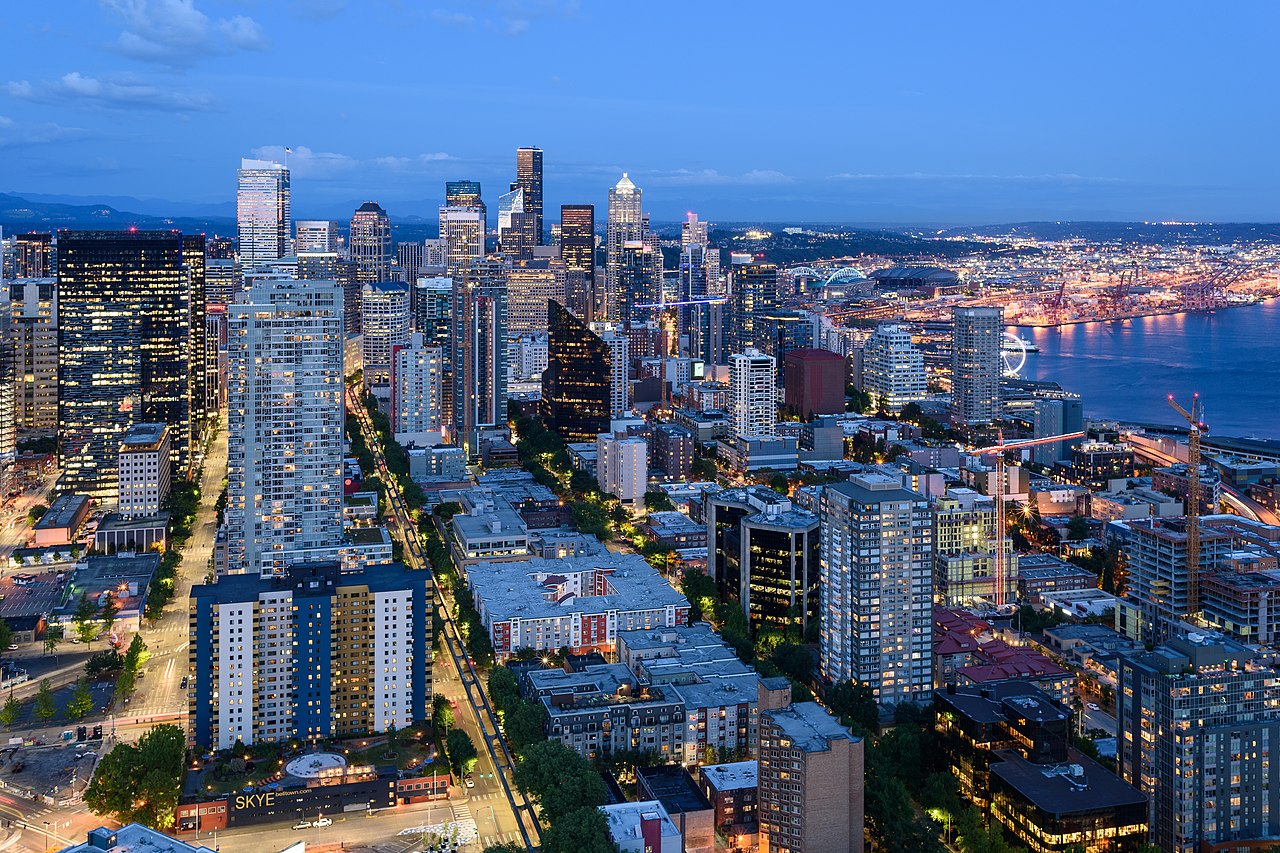
Every good myth needs a hometown, and grunge has two. The first is Aberdeen, Washington — a logging town about a hundred miles southwest of Seattle, the kind of place where the highway sign once welcomed visitors with the line “Come As You Are.” Kurt Cobain grew up there. Krist Novoselic did too. The second hometown is Seattle itself, then a soggy, second-tier city whose biggest cultural exports were Boeing jets, Starbucks, and grey skies. Neither town was supposed to produce a generational sound. That, it turned out, was the whole point.
By the late 1980s, hair metal had finished its long victory lap and was wheezing badly. Spandex, hairspray, and guitar solos that lasted longer than some episodes of Cheers had worn out their welcome. Out in the Pacific Northwest, a handful of bands — Green River, Mudhoney, Soundgarden, Mother Love Bone, Tad — were quietly inventing something that sounded like nobody had told them rock music was supposed to be glamorous.
What they were making didn’t have a name yet. Local journalists tried “the Seattle sound.” A young Sub Pop intern named Mark Arm reached for an older insult — grunge, a word that had been kicked around since the 60s to describe something a little dirty, a little ugly, a little wrong. It stuck because the music was a little dirty, a little ugly, and beautifully wrong on purpose.
The Sound: Drop-Tuned Guitars, Cheap Amps, and a Big Muff Pedal
If you’ve ever wondered why every grunge song seems to share a kind of bruised, sludgy haze, it’s because most of them did. The sound wasn’t an accident of mood — it was an accident of gear. Bands in Seattle couldn’t afford boutique amplifiers or studio time at Capitol Records, so they leaned into what they had: dented Fender Mustangs, secondhand Marshall stacks, and a small green stompbox called the Electro-Harmonix Big Muff.

The Big Muff was the secret weapon. It turned a $200 pawnshop guitar into something that sounded like a chainsaw underwater. Pair it with a baritone-low tuning (Cobain famously dropped his guitar to D-standard, then sometimes a step further), throw in a quiet-loud-quiet dynamic borrowed from the Pixies, and you had the basic recipe for half the songs on a Sub Pop sampler.
The Sub Pop Production Trick
Producer Jack Endino, working out of Reciprocal Recording in Seattle, became the unofficial sonic architect of grunge. His method was almost philosophical: leave the imperfections in. Bleed-through from cymbals, fingers scraping on strings, vocals that cracked on the high notes — all of it stayed in the mix. The result was records that sounded like they were happening in your friend’s basement instead of on Mount Olympus.
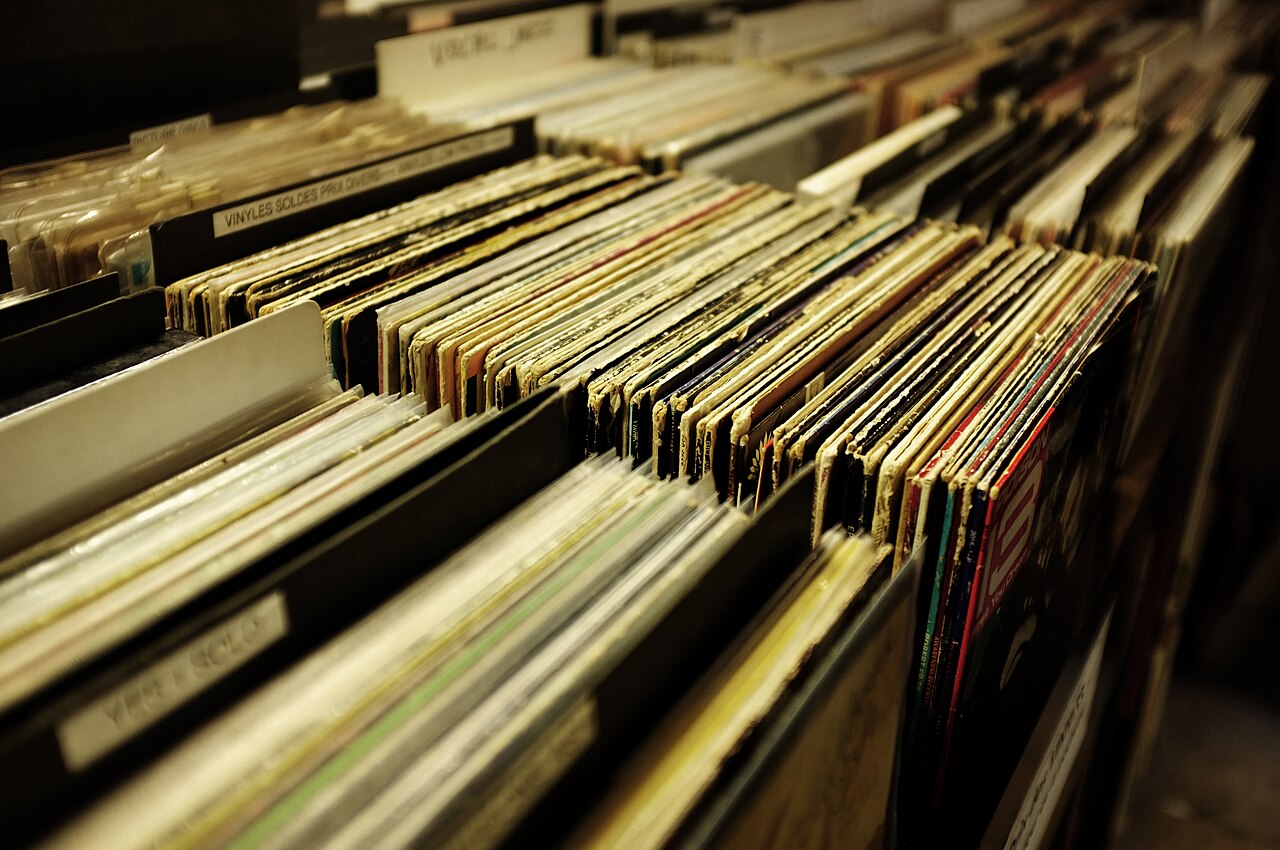
When Butch Vig later produced Nirvana’s Nevermind in Los Angeles in 1991, he polished the formula just enough for radio — and accidentally launched grunge into the stratosphere. The album knocked Michael Jackson’s Dangerous off the top of the Billboard 200 in January 1992. From that moment on, the map was officially redrawn.
The Look: Thrift Store Economics in Plaid
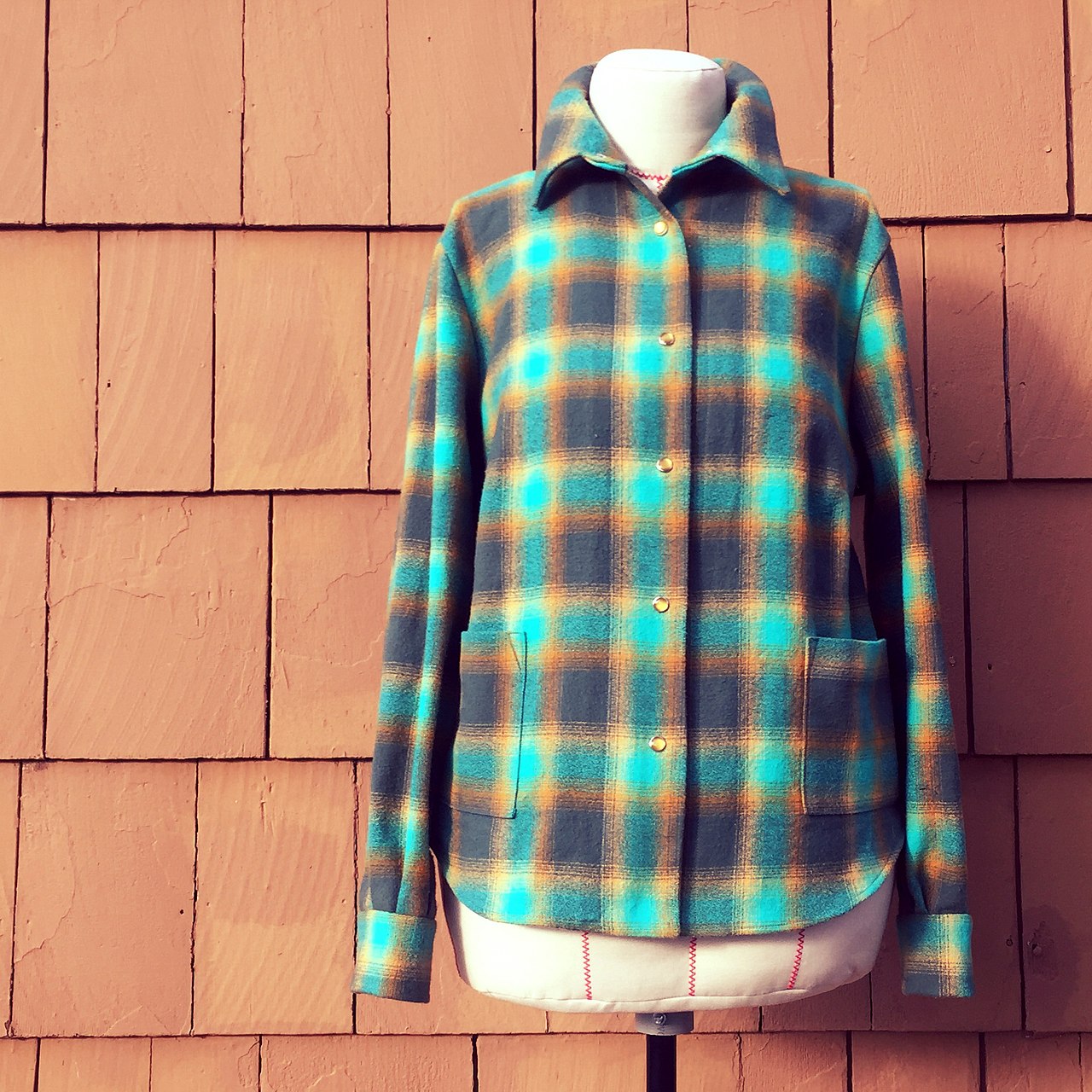
Here’s the part that still confuses fashion historians: grunge style wasn’t designed. It wasn’t styled. For the first four or five years of its existence, it wasn’t even thought about. The Seattle kids wore what kept them warm and what they could afford, which in a rainy port city with a depressed logging economy meant exactly one thing — a thrift store flannel over a thermal shirt, with whatever pants survived the laundry pile.
Then the cameras showed up. By 1992, Marc Jacobs was sending models down a Perry Ellis runway in $2,000 versions of clothing the bands had picked up at Value Village for $4. The collection was so loathed by Perry Ellis executives that Jacobs was fired. (He got over it.) Vogue ran a story titled “Grunge & Glory,” complete with Linda Evangelista in a knit cap. The cycle was complete: a non-style had been turned into the most heavily marketed style of the decade.
The Five Pieces That Built Every Grunge Closet
- The flannel shirt. Plaid, oversized, ideally inherited from an uncle who actually worked in a sawmill.
- The band tee. Faded, slightly too small, worn under everything else as a base layer.
- The ripped jeans. Not designer rips — actual rips, from skating or sitting on curbs.
- The combat boots. Doc Martens 1460s for the budget-conscious, vintage military surplus for the truly committed.
- The cardigan. Mohair, moth-eaten, $5 at Goodwill. Cobain’s grey-green one from MTV Unplugged sold at auction in 2019 for $334,000.
The Mindset: Generation X and the Word “Whatever”
Music and fashion explain the surface. The deeper story is psychological. Grunge was the sound of a specific generation — kids born roughly between 1965 and 1980 — staring at a country that didn’t seem to need them. The economy of the early 90s was sluggish. The Cold War had just ended, taking with it the sense of a single, clear enemy. Reagan-era cheerleading had curdled. AIDS, recession, divorce statistics, latchkey afternoons — it all added up to a generation that distrusted any authority figure who used the word “future” in a non-ironic way.
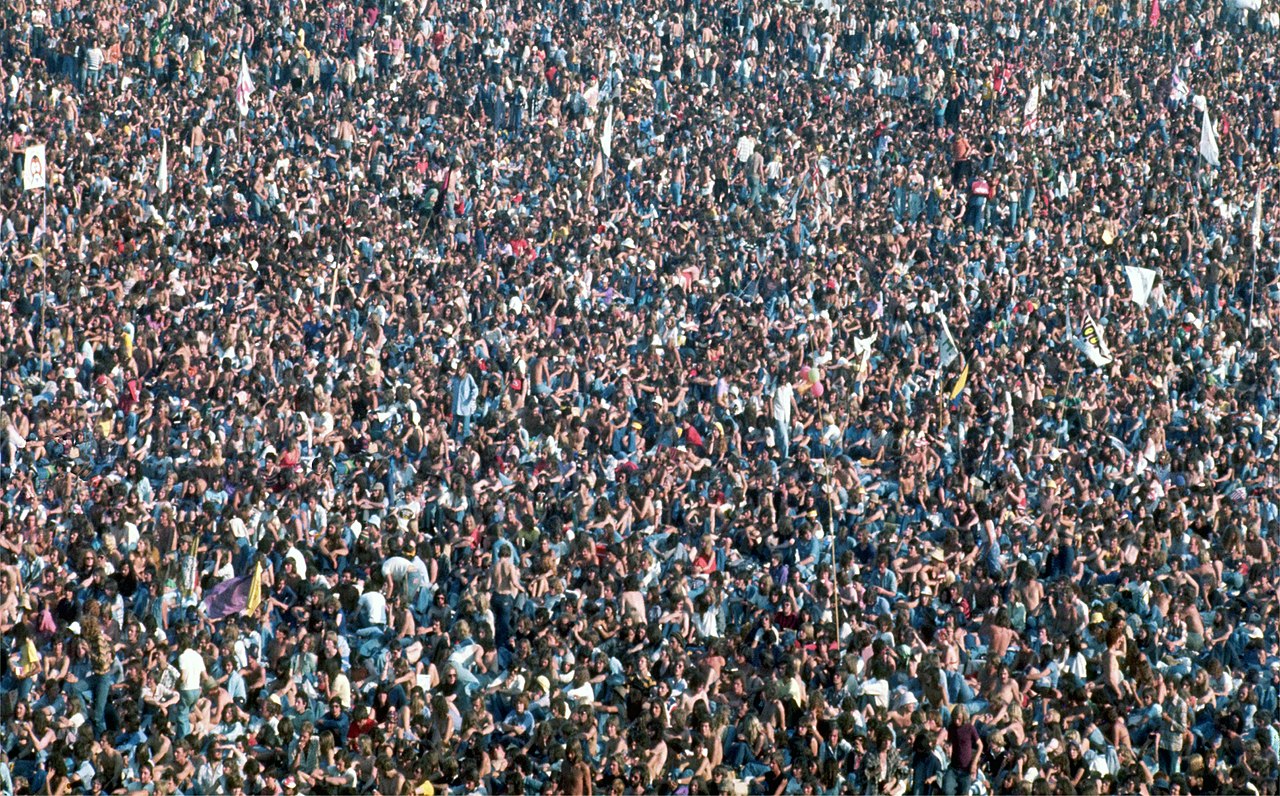
Douglas Coupland’s 1991 novel Generation X gave the cohort its label. Richard Linklater’s Slacker, also 1991, gave it a movie. And the bands gave it a voice. Eddie Vedder mumbled through Alive like a man working through unfinished therapy. Chris Cornell sang about black hole suns. Layne Staley turned addiction into hymns. The collective message wasn’t “smash the system” — it was something quieter and harder to argue with: “I’m not buying what you’re selling.”
“Here we are now, entertain us.” The line was sarcastic. Half the country heard it as an anthem anyway.
The Geography: Why It Had to Be Seattle
Could grunge have happened anywhere else? Probably not, and the reasons are weirdly practical. Seattle in the late 80s was cheap. Rent in Capitol Hill ran a couple hundred dollars a month. Musicians could work part-time jobs at Kinko’s or pulling espresso shots (Starbucks had only 33 locations in 1988) and still afford rent, gear, and beer at the Crocodile Cafe.

The city was also isolated. The nearest major music industry hub was a fifteen-hour drive south to Los Angeles. That distance meant bands could fail, experiment, and develop weird tastes without an A&R executive flying in to “help.” Add in the weather — eight months of grey drizzle that all but forces you indoors with a four-track recorder — and you have a kind of pop culture petri dish. Warm, wet, dark, and politely ignored by the rest of the country until it was already too late.
The local infrastructure mattered too. KEXP’s predecessor, KCMU, gave airtime to bands no commercial station would touch. The Vogue, the OK Hotel, the Off Ramp, and the Central Saloon offered stages. Sub Pop and Kill Rock Stars supplied the vinyl. A regional ecosystem clicked together piece by piece until, around 1989, it was strong enough to feed itself.
The Aftermath: When the Map Got Burned
Every map has an edge. Grunge’s edge came on April 5, 1994, when Kurt Cobain took his own life in Seattle. The shock was instant and the cultural fallout was long. Pearl Jam went to war with Ticketmaster and stopped playing the game. Soundgarden split in 1997. Alice in Chains lost Layne Staley in 2002. Eddie Vedder kept showing up; almost everyone else stepped back, faded out, or moved on.
By the end of 1996, mainstream radio was already pivoting. Post-grunge — bands that took the formula and sanded down the rough edges — filled the airwaves. Then came nu metal, boy bands, and the late-90s pop boom. The flannel went back into the closet. The Big Muff pedals got listed on eBay. Marc Jacobs went on to run his own house. The map was folded up and put away.
Reading the Atlas Today
What’s strange, three decades later, is how much of the map still exists. Sub Pop is still in business in Seattle. Pearl Jam still tours. Foo Fighters — Dave Grohl’s project after Nirvana — became one of the biggest rock bands of the 21st century. Doc Martens are back in middle schools. Flannel never really left. And every time a teenager in 2026 puts a Nirvana shirt on without quite knowing why, they’re standing on a corner of this same map, looking north toward a port city in the rain.
Grunge wasn’t a fad. It was a moment when the gap between what the music industry wanted to sell and what an entire generation wanted to hear got narrow enough to slip a flannel shirt through. The shirt fit. The world noticed. And for a few damp, distorted years, the loudest sound in pop culture came from a place nobody had been looking.