Squirm (1976): The Killer Worm Horror That Actually Got Under Your Skin
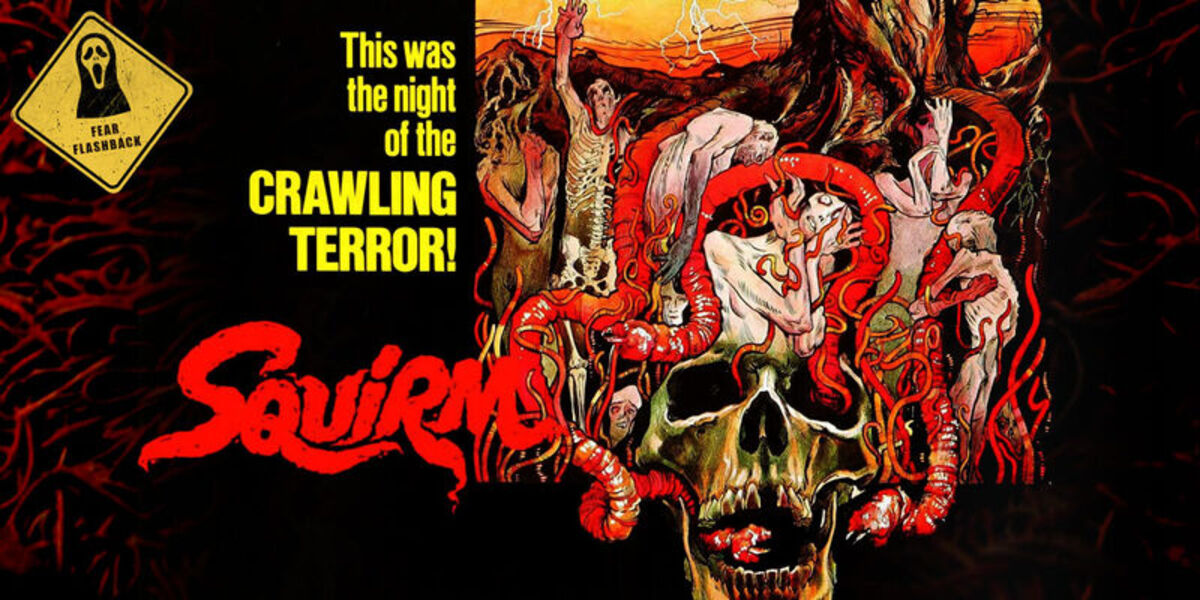
Squirm is one of those grimy 1970s drive-in horror movies that sounds ridiculous when you explain it out loud, then somehow works the minute the thunder starts and the worms begin boiling up from the Georgia mud. If you grew up renting weird VHS boxes, flipping through late-night cable, or trusting every horror recommendation from the creepiest kid in the neighborhood, this movie hits a very specific sweet spot.
Released in 1976 and directed by Jeff Lieberman, Squirm turns an ordinary nightmare, worms after rain, into a full-town panic. That premise could have landed as pure camp, but the movie commits just hard enough to become memorable. It is sleazy, stormy, regional, funny in a mean little way, and packed with the kind of practical effects that made Gen X horror fans proud to have a strong stomach.

Why Squirm still gets under your skin
The biggest reason Squirm still works is that it understands how to weaponize a normal thing. Sharks are exotic. Killer aliens are fantasy. Worms are already in your yard, under your garden, under your shoes, under the place where the rainwater collects. Jeff Lieberman took something nobody respected and made it disgusting enough to ruin an afternoon.
The Retro Almanac
A monthly roundup of "on this day" highlights from that month, decades back — plus first dibs on new retro merch drops. No spam, just the good stuff.
The setup is simple and perfect. A violent storm knocks power lines into wet ground near Fly Creek, Georgia. The worms become aggressive, the town loses power, and the people are left fumbling around in dark houses, muddy yards, and backwater roads while nature stages a gross little coup. That combination of blackout, humidity, mud, and isolation gives the film a sticky atmosphere modern horror sometimes cleans up too much.

Browse retro and vintage-inspired apparel at the RetroRadical shop →
The Retro Almanac
A monthly roundup of "on this day" highlights from that month, decades back — plus first dibs on new retro merch drops. No spam, just the good stuff.