Grunge Came Back in 2020 and Forgot to Leave
Nobody sent out a memo. There was no September runway moment in Milan that snapped the world back into a 1993 mood. The grunge resurgence in 2020s fashion happened the same way grunge happened the first time — quietly, from the bottom up, and mostly because a younger generation found something in their parents’ closets that felt more honest than whatever was on the rack at Zara.
If you grew up watching Kurt Cobain perform in a thrifted cardigan or watched Courtney Love sneer in a torn babydoll dress on the cover of Spin, the whole thing has been a little disorienting. The clothes you wore to skip seventh-period algebra are now back-ordered on Depop. The boots your mom said looked “like construction equipment” are now styled with floral dresses by college freshmen who weren’t alive when Nirvana broke up.
Grunge Officially Came Back Somewhere Around 2020
Pinning down the exact moment grunge re-entered the chat is harder than it should be. The aesthetic had been pulsing through fashion in cycles since the late 2000s — Hedi Slimane at Saint Laurent flirted with it in 2013, and Marc Jacobs (yes, the same one Perry Ellis famously fired for it in 1993) had been rehashing his original collection in capsule drops for years.
But the real tipping point was the pandemic. Lockdown wardrobes pushed everyone toward soft, oversized, layerable clothing — which, conveniently, is the entire grunge starter pack. By the time the world came back outside in 2021, the slip-dress-over-a-band-tee combination wasn’t ironic anymore. It was just what people were wearing to the grocery store.
Fashion writers tried to brand it with new names — “twee grunge,” “soft grunge,” “romantic grunge,” “e-girl grunge” — but the labels never quite stuck. It was just grunge. Same as it ever was, except the soundtrack on TikTok was Phoebe Bridgers instead of Soundgarden.
The TikTok Effect Nobody Could Have Predicted
What separates this revival from the half-dozen previous attempts is that it has a discovery engine the original grunge generation never had. TikTok turned thrifting into a full-time hobby for millions of teenagers, and grunge-coded pieces — chunky flannels, cropped band tees, baggy jeans, slip dresses, combat boots — were the cheapest, most plentiful items in every Goodwill in the country.
A 16-year-old in Ohio could walk into a thrift store, spend $14, post a haul video, and go viral overnight. The economics rewarded the aesthetic. The aesthetic rewarded the economics. And because nobody owned the look (no big brand had locked it down), it spread sideways faster than fashion ever does when it has to wait on the official retail cycle.
Then Depop entered the chat. By 2022, that ratty Pacific Northwest flannel your dad had stuffed in a tote in the garage was listed at $85, marked “vintage 90s grunge,” and selling in under a day to someone in London. The market for secondhand authenticity exploded — and grunge, which was about secondhand authenticity in the first place, was the natural beneficiary.
The Wardrobe Returned Item by Item
The resurgence wasn’t a single look. It was a parts bin. Different pieces came back at different speeds, and Gen Z mixed and matched them with no respect whatsoever for the original rules. Here’s the rough order of operations.
Flannel, the Eternal Survivor
Flannel never actually left. That’s the joke. Every five years a fashion publication declares flannel “back,” and then it sells out at Madewell and the publication moves on. But for grunge purposes, the 2020s version of flannel is bigger, longer, and frequently worn open over a band tee rather than buttoned and tucked. The silhouette is closer to what people actually wore in 1992 than the slim-cut “hipster lumberjack” version that dominated 2010–2015.
Worn around the waist, it’s a callback. Worn fully oversized as an outer layer with bike shorts underneath, it’s TikTok. Both versions are correct.
Doc Martens, Buried and Resurrected
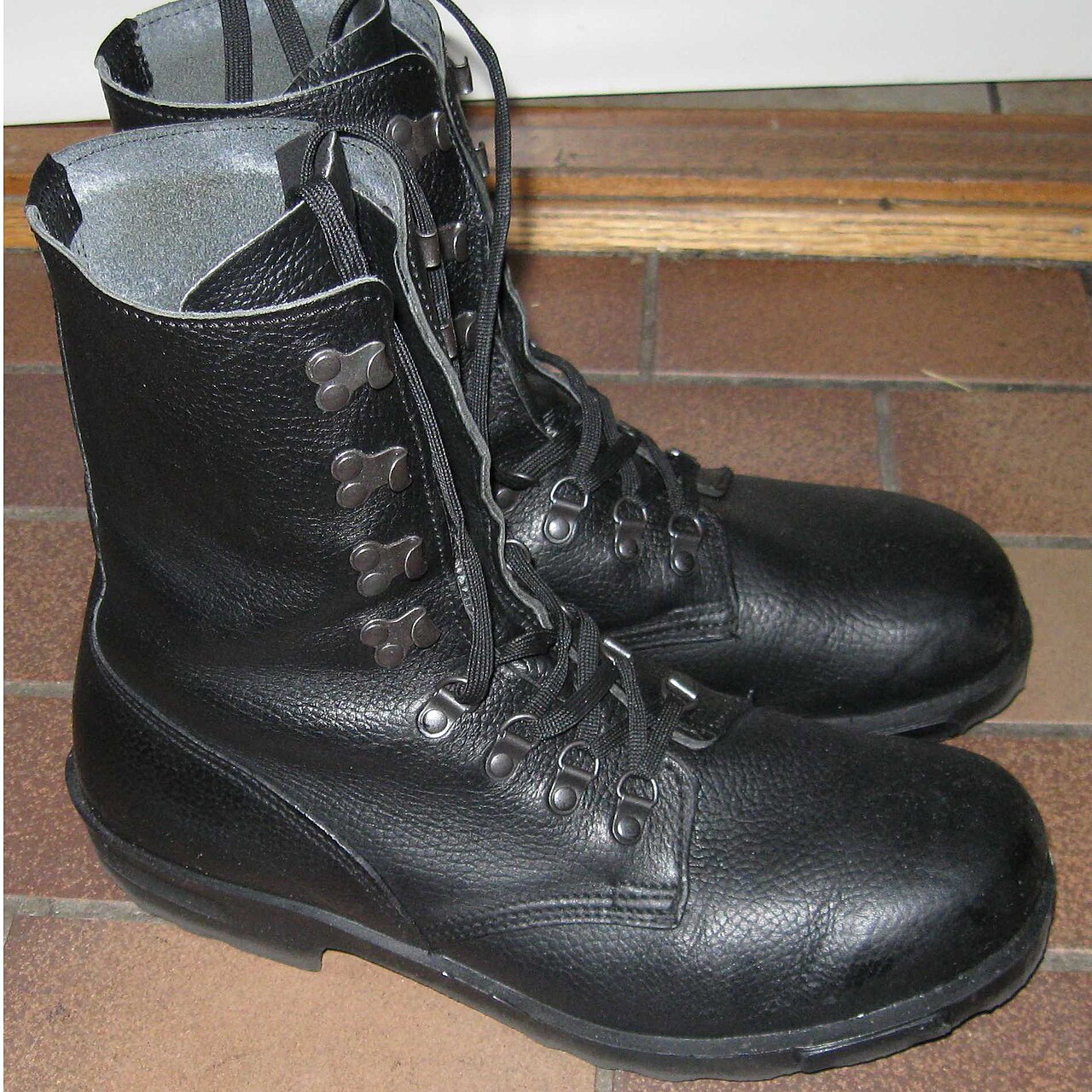
The 1460 boot was effectively dead in 2009. By 2021 it was outselling its own 1990s peak. The classic black eight-eye is the obvious reference, but the resurgence has also pulled back the platform versions, the Mary Janes, the floral prints, and basically anything the brand has ever made. Doc Martens leaned in hard — collaborations, archival reissues, deliberately nostalgic ad copy — and the brand spent the early 2020s in a sales position it hadn’t seen since the original grunge wave.
The Babydoll Dress Came Back Specifically Because of TikTok
This is the one Gen X did not see coming. The babydoll dress — short, floral, vaguely Edwardian, paired by Courtney Love with combat boots in 1994 to be confrontational — was sitting in thrift stores for decades waiting to be discovered. In 2021, it was. Suddenly every micro-influencer was wearing one with chunky boots and a leather jacket, and the look snowballed.
It’s the most direct quote of original grunge styling out of any item on this list. Wear a babydoll dress with Docs in 2026 and you are functionally cosplaying as Hole circa Live Through This. Most of the people doing it don’t know that. They just think it looks good. That’s how revivals work.
Ripped Jeans, Baggy and Loose
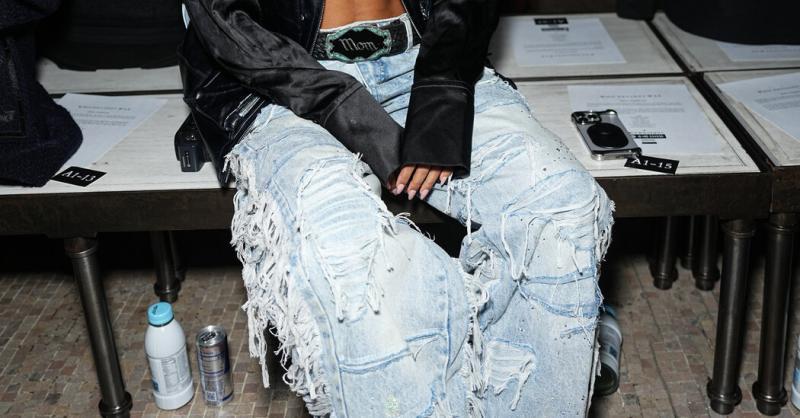
The skinny jean died publicly in 2021 and nobody mourned it. What replaced it was the 90s straight leg and the 90s baggy — both heavily ripped, both worn with a slight slouch. The grunge crowd skewed toward the most distressed pairs, the kind your mom would have thrown away because they “weren’t decent.” The bigger the rip, the better. Stress-tested authenticity.
Band Tees, But Not the Ones You’d Expect
Nirvana smiley shirts are everywhere — Urban Outfitters sells them in eight color variants — but the real grunge revivalists are pulling out Sonic Youth, Hole, L7, Bikini Kill, and Mudhoney shirts. Vintage tour merch, especially anything pre-1996, has become a genuine collector category. A real, worn 1993 Nirvana In Utero tour tee in size large can clear a thousand dollars on eBay. Reproductions go for $30.
Why Gen Z Reached for the 90s Specifically
There’s an obvious nostalgia loop where every twenty years the previous generation’s teenage aesthetic gets recycled. That’s part of it. But grunge specifically rhymes with Gen Z in a way that, say, hair metal doesn’t.
The original grunge era was defined by a generation that felt economically locked out, suspicious of marketing, anxious about the world, and skeptical of polished aspirational consumerism. Sound familiar? The first grunge kids wore thrift store flannel because it was cheap and because dressing up felt dishonest. The 2020s grunge kids are wearing thrift store flannel because it’s cheap, because new clothes are environmentally disastrous, and because dressing up still feels dishonest.
The aesthetic isn’t just being borrowed. The underlying mood is being borrowed too.
This Revival Isn’t a Copy and Gen X Should Probably Make Peace with That
If you’re a Gen Xer watching this from the sidelines, the temptation is to dismiss it as cosplay. Plenty of think pieces have done exactly that — “These kids don’t even know what grunge was about” — and most of them miss the point. Every revival mutates the source material. The 1970s pulled the 1950s through a counterculture lens. The 1990s pulled the 1970s through irony. The 2020s are pulling the 1990s through algorithmic aesthetics, sustainability anxiety, and a deep TikTok addiction.
The babydoll dress today isn’t worn with the same intent Courtney Love had in 1994. Gen Z isn’t writing zines about it. The boots aren’t being polished with the same fury that built the original Seattle scene. But the clothes are real, the secondhand economy is real, and the rejection of fast-fashion polish is real. That counts.
And the wild part is that this revival has now lasted longer than the original grunge mainstream moment did. Grunge ruled fashion magazines from roughly 1992 to 1995 before Tom Ford’s slick Gucci pivoted everyone back to glamour. The current resurgence has been chugging along since 2020 with no obvious endpoint. Six years and counting.
What Comes Next
Probably not what you think. The next move likely isn’t a retreat from grunge but a deepening of it. There are signs of harder-edged 90s subcultures starting to bleed back in — riot grrrl tees, more deliberate references to the original Sub Pop roster, a return of actual ripped tights instead of styled ones. The babydoll dress girls of 2022 are 20 now and growing up. What they wear in 2027 will probably be a harder version of what they wore at 17.
What’s interesting is what hasn’t come back. The hyper-thin, heroin chic body ideal that haunted the original grunge era did briefly resurface in 2022 and got correctly clowned off the internet. The original grunge male — three-day stubble, greasy hair, a $4 cardigan — has only partially returned; the dudes mostly opted for normcore instead. Y2K nostalgia keeps trying to muscle in next to grunge, which makes for some weird shopping carts (low-rise jeans next to oversized flannel, somehow).
But the core of it — the flannel, the boots, the slip dress, the babydoll, the ripped denim, the secondhand-first instinct — looks like it’s here to stay for a while. Gen X invented this wardrobe to dress for the end of the world. Gen Z is wearing it for roughly the same reason. The fact that it ended up being adorable on TikTok is just a happy accident.
So if you’ve still got that old flannel in the back of a closet somewhere, don’t throw it out. Don’t sell it either. Just hang it back up. Your kid is going to ask to borrow it sooner than you think.
Sources
For further reading on the grunge resurgence in 2020s fashion:
- Wikipedia — Grunge Fashion
- Vogue — Fashion Trends Archive
- Dr. Martens Official Site
- Depop — Secondhand Fashion Marketplace
- Wikipedia — Babydoll Dress
- Shop grunge flannel shirts on Amazon