How Doc Martens Marched Grunge Back Into the 2020s
Walk through any high school hallway in 2024 and count the Doc Martens. Then count the flannel shirts knotted around waists. Then count the plaid skirts paired with chunky black soles. The grunge resurgence in 2020s fashion isn’t whispering — it’s stomping. And the kids stomping aren’t the ones who remember the original. Half of them weren’t even born when Kurt Cobain played his last show. They found grunge through a phone, not a basement show. And they bought the boots before they bought the band.

The Brand That Refused to Die
Dr. Martens has been around since 1960, when a German doctor with a busted ankle bolted an air-cushioned sole onto a workboot. By 1994 the boots were a closet staple for anyone who’d ever owned a Nirvana cassette. Then the 2000s happened. Skinny jeans, ballet flats, gladiator sandals. Combat boots felt like a costume choice. Sales sagged. The brand pivoted to fashion partnerships, but for two decades, Docs were a niche purchase — punks, goths, and the occasional indie kid still ordering 1460s through subculture catalogs.
Most fashion histories of the 2010s skip Dr. Martens entirely. That’s how quiet the brand was. Then 2020 hit, and everything changed.
The Pandemic Closet Got Heavy
Lockdown did weird things to fashion. People stopped buying pencil skirts and started buying sweatpants. But buried in that comfort-shift was something stranger — a hunger for clothes with weight. Literal weight. Heavy boots. Thick flannel. Oversized cardigans. The aesthetic that emerged wasn’t gym-leisure or athleisure or any kind of leisure. It was grunge. Or rather, it was grunge filtered through a phone screen.
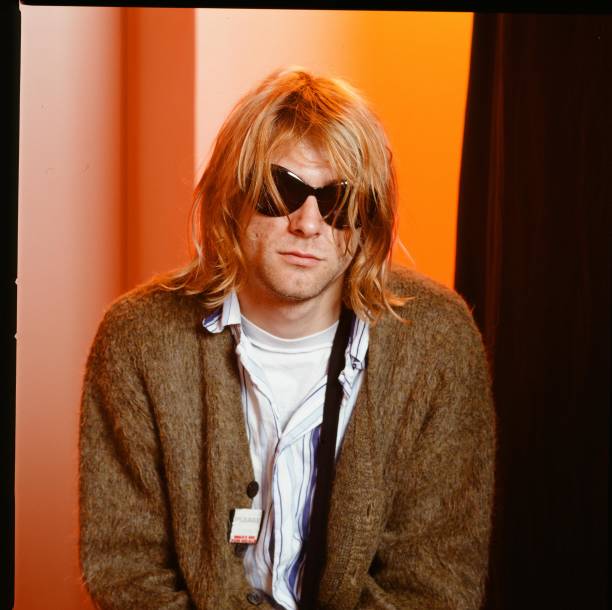
Searches for “Doc Martens” spiked in 2020 and never fully retreated. Searches for plaid skirts jumped on TikTok. Thrift stores reported sellouts on flannel shirts. The grunge resurgence in 2020s fashion didn’t arrive with a magazine cover — it arrived with millions of teenagers stuck at home, scrolling through 90s archives, mood-boarding outfits they couldn’t wear anywhere yet.
The IPO That Marked the Tipping Point
In January 2021, Dr. Martens went public on the London Stock Exchange. The valuation came in north of three billion pounds. A boot company that almost died in the 2000s was suddenly a stock-market darling. The IPO wasn’t the cause of the grunge revival — it was the receipt. By the time the bell rang, every fashion editor had already noticed the boots returning to runways, magazine spreads, and street-style shots from Seoul to Berlin.
The boot itself didn’t change. The 1460 in 2021 looked exactly like the 1460 in 1995, which looked exactly like the 1460 in 1980. That was the whole point. In an era where fast fashion churned through micro-trends every six weeks, the unchanged Doc Marten became a kind of rebellion. You bought a pair once. They lasted forever. They didn’t go out of style because they were never in style in the conventional sense.
TikTok Did What Marketing Couldn’t
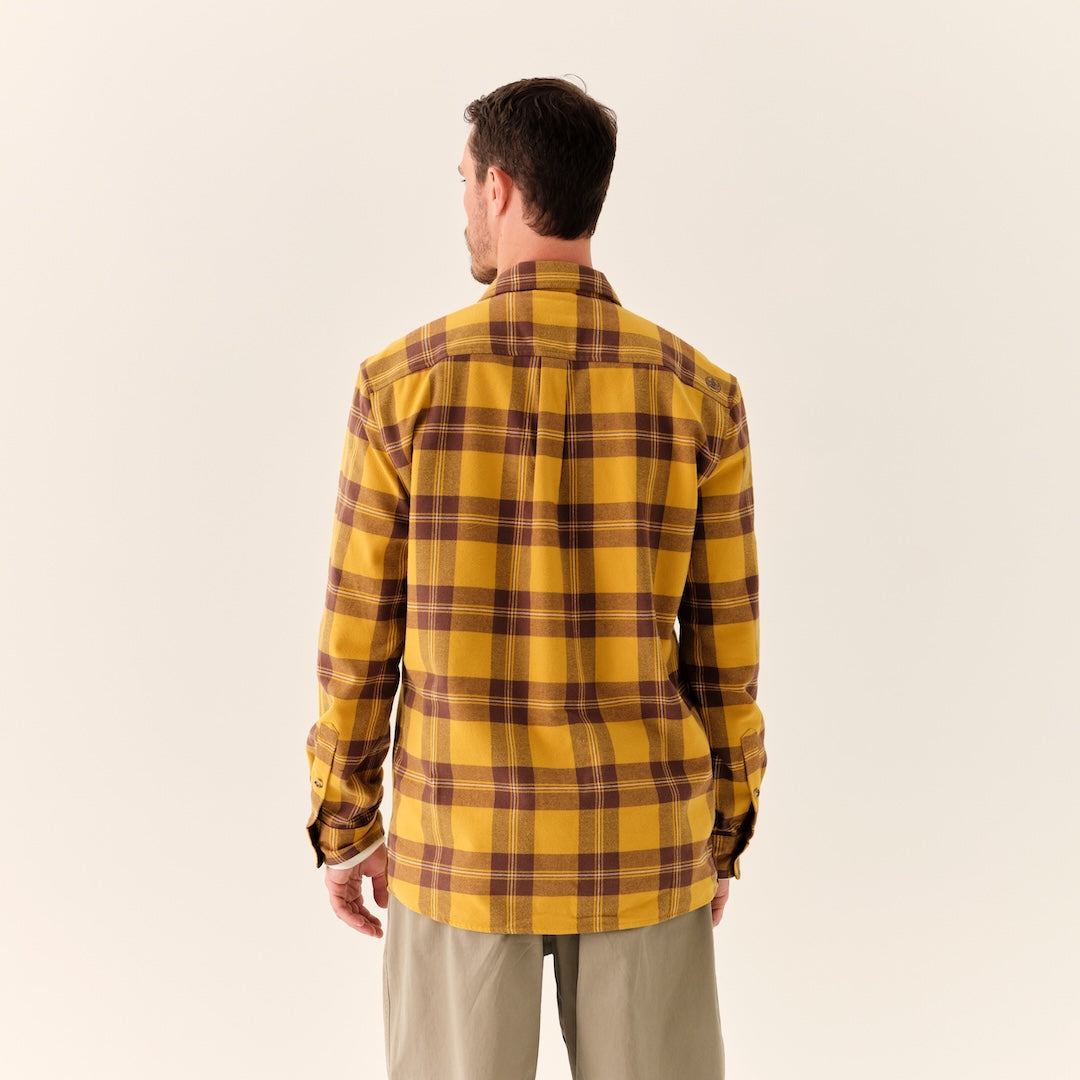
Dr. Martens didn’t suddenly hire a brilliant ad agency in 2020. They didn’t drop a viral campaign. What happened was the TikTok algorithm started pushing 90s nostalgia content to Gen Z accounts, and inside that nostalgia content were closets. Specifically, closets full of black boots, plaid skirts, oversized flannels, and band tees. The algorithm wasn’t selling grunge. It was just noticing that grunge kept teenagers watching, and feeding them more.
The hashtag #grungeaesthetic crossed a billion views by 2022. #docmartens broke similar numbers. Teen creators built entire content niches around outfit-of-the-day videos featuring secondhand grunge pieces paired with a single non-negotiable: the boots.
The 1460 Became the Uniform
The eight-eyelet 1460 boot, in classic black smooth leather, became one of the most-screenshotted shoes on Pinterest by 2023. It worked with everything Gen Z wanted to wear — slip dresses, mini skirts, baggy jeans, biker shorts, even prom gowns. The boot anchored the outfit visually, and the visual is what mattered. These weren’t outfits for living in. They were outfits for posting.
Mary Janes Crashed the Comeback Tour
Then the brand leaned hard into its Mary Jane style, and that exploded too. The 8065 strap shoe, with its dorky chunky toe and schoolgirl strap, became a Tumblr-coded staple by 2022. The “downtown girl” aesthetic on TikTok — vaguely 90s indie sleaze meets coffee-shop poet — adopted them as required uniform. The same teenagers who would never have worn a strap shoe in 2017 were now buying two pairs.

Flannel, Plaid, and the Rest of the Kit
The boots didn’t show up alone. Once the algorithm decided 90s grunge was the look, every adjacent item got a second life.
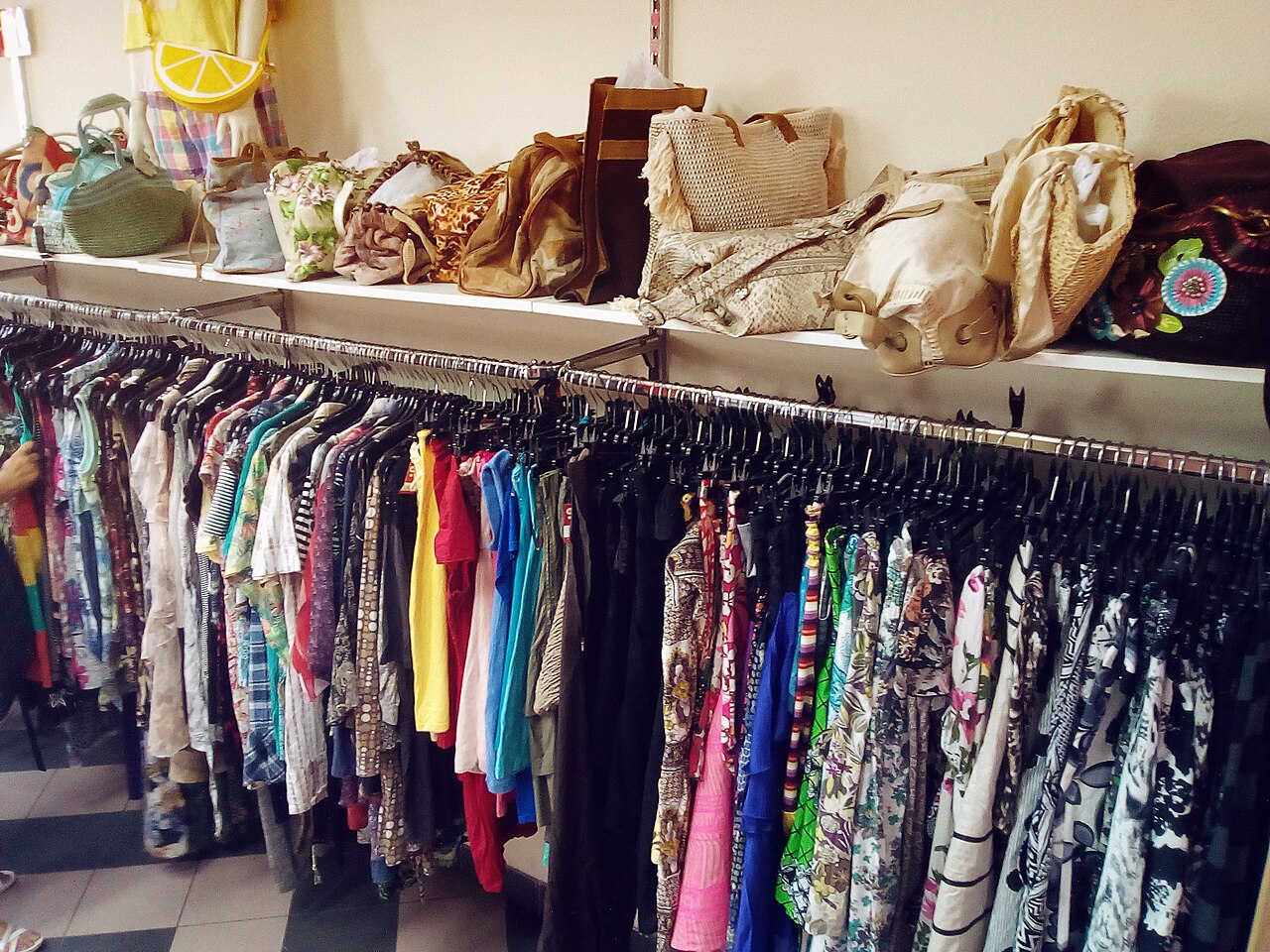
Flannel shirts — the cheap red-and-black plaid ones that filled thrift stores for a decade — became impossible to find under fifteen dollars at Goodwill by 2022. Resellers cleaned out small-town thrift bins and posted the haul on Depop. A flannel that cost three dollars in 2017 went for forty in 2023. The grunge wave restored monetary value to clothing that had spent twenty years in the dollar bin.
Plaid pleated skirts, borrowed from Clueless via Britney Spears via Wednesday Addams, became the single most divisive item in any teen’s closet — depending on how you styled it, you were preppy, grunge, schoolgirl-core, or some hybrid the algorithm had named that week. Doc Martens with a plaid skirt was the safest pairing. It read grunge no matter how you accessorized.
Band tees got pulled in. Distressed Nirvana tees, Hole reprints, Soundgarden bootlegs from venues that no longer existed — anything with a 90s band logo became thrift-store gold. Many of the kids buying them couldn’t have named three songs by the band on the shirt. That didn’t matter. The shirt was a visual signal, not a music recommendation.
This Isn’t Your Mom’s Grunge
The original grunge of the early 90s was famously, almost defiantly, ugly. Cobain’s wardrobe wasn’t curated — it was whatever was on the bedroom floor that day. Layers were practical, not styled. The look came from cold Seattle apartments, secondhand shops, and an actual disinterest in fashion as a system.
The 2020s version is something else entirely. It’s curated to within an inch of its life. The flannel is oversized but tailored. The boots are polished. The hair is messy in a way that takes thirty minutes. The grunge resurgence in 2020s fashion is grunge as aesthetic — pulled apart from its musical roots, its rainy-city geography, and its anti-fashion politics, then reassembled into an Instagram-friendly silhouette.
Cleaner. Curated. Captioned.
Old grunge was muddy. New grunge is filtered. Old grunge happened in basements. New grunge happens in mirror selfies. Old grunge had Kurt Cobain dying for sins he didn’t commit. New grunge has Olivia Rodrigo wearing the Doc Martens and selling out arena tours, name-dropping Alanis on the same album that sold three million copies.
None of this is a complaint. It’s just a different thing wearing the same boots. Every generation borrows from the one before and gets it wrong in interesting ways. The 90s borrowed from the 70s. The 70s borrowed from the 50s. Gen Z borrowing from grunge is just the latest lap around the track — except this lap left a stock ticker behind.
The Brands Cashing In
Dr. Martens wasn’t the only winner. The grunge resurgence in 2020s fashion lifted a tide of adjacent brands that had been quietly waiting their turn.
Converse Chuck Taylors saw renewed growth on the back of the same aesthetic. The high-top All Star, paired with ripped jeans, became Doc Martens’ little sibling — same vibe, lower price point, slightly different crowd. Vans rode the wave too, especially the Old Skool. Even Birkenstocks, which had no business being in a grunge moment, found themselves on grunge mood boards because of the chunky silhouette and the I-don’t-care-what-you-think-of-my-feet energy.
Hot Topic — left for dead a decade ago when mall culture collapsed — became a destination again. Its nostalgia-driven inventory of band tees, plaid, and fishnet was suddenly exactly what Gen Z wanted, and the chain reported some of its strongest years in over a decade. A store that survived by selling Twilight merch to tweens in 2010 was now selling Nirvana hoodies to fourteen-year-olds whose parents had owned the original.
High fashion paid attention. Saint Laurent did grunge looks. Celine did grunge looks. Marc Jacobs revisited the 1993 collection that famously got him fired from Perry Ellis — the one fashion historians now agree was just thirty years early — at premium pricing. The runway took its cues from TikTok, which had taken its cues from 1992.

Why It Won’t Quit
Most trends burn for eighteen months and die. The grunge resurgence in 2020s fashion entered year five and showed no signs of slowing down. There are reasons for that.
The pieces are functional. Doc Martens last a decade. Flannel doesn’t go out of season. Plaid skirts work in spring and fall. None of this needs the next micro-trend to stay relevant. The clothes are doing the work of clothes, not the work of content.
The aesthetic absorbs new neighbors. Indie sleaze, coquette, dark academia, mob wife, Y2K — all the micro-aesthetics that have flickered through TikTok in the last few years can be styled with Docs and a flannel without losing their distinct identity. The grunge base is a chassis other trends bolt onto.
And the supply is rich. The original 90s left behind warehouses of clothing — literal warehouses, owned by vintage resellers, full of period flannel, denim, and slip dresses. The grunge wave can keep buying for years without running dry. The thrift bin became an investment vehicle.
Whether Gen Z will tire of it by 2027 is anyone’s guess. But the Docs aren’t going back in the closet. They’ve already lasted thirty years and survived two revivals. The third one is just getting started, and this time the brand has a stock ticker to protect.
Sources
- Wikipedia — Grunge Fashion
- Wikipedia — Dr. Martens
- Dr. Martens official site
- Find Doc Martens 1460 boots on Amazon
- Shop grunge flannel shirts on Amazon