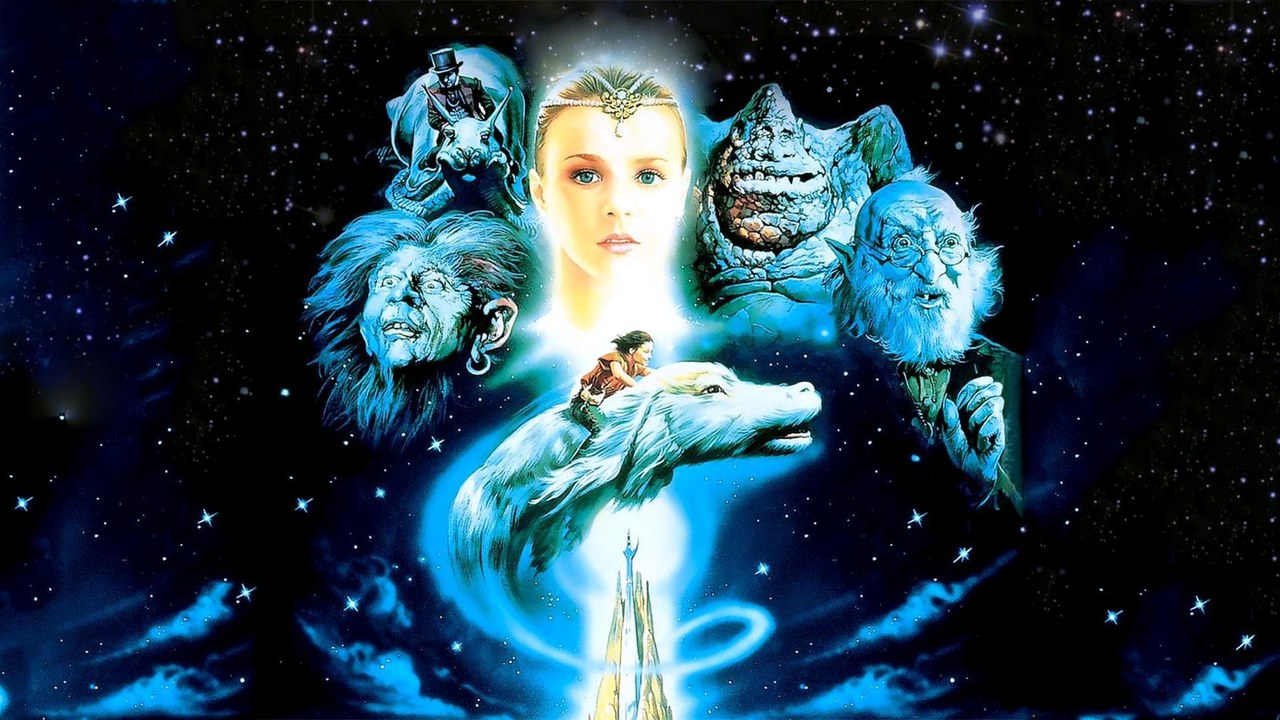
On This Day: July 20, 1984 — The NeverEnding Story Swept Us Into Fantasia
On July 20, 1984, a shy boy climbed into a school attic, cracked open an old leather book, and pulled an entire generation into a world called Fantasia. The NeverEnding Story opened in American theaters that day, and four decades later its luckdragon, its swamp of sorrows, and that impossibly catchy theme song still live rent-free in the hearts of everyone who saw it as a kid.
Directed by a young German filmmaker named Wolfgang Petersen — his first English-language film, made just before he became a Hollywood name — the movie was unlike anything else on the 1984 summer slate. It was strange, sincere, occasionally terrifying, and absolutely magical. Here is the story of the day it arrived.
A German Epic Aimed at the World
The film was adapted from Michael Ende’s beloved 1979 fantasy novel Die unendliche Geschichte. Petersen and producer Bernd Eichinger built it as a West German–American co-production with a budget of 60 million Deutsche Mark — roughly $25–27 million — making it the most expensive film ever produced in Europe at the time.
The Retro Almanac
A monthly roundup of "on this day" highlights from that month, decades back — plus first dibs on new retro merch drops. No spam, just the good stuff.
Nearly all of it was shot at the Bavaria Studios in Munich, where craftsmen built enormous animatronic creatures and sprawling matte-painted vistas. Real-world scenes were filmed in Vancouver, Canada, and the sun-scorched beaches of Almería, Spain, doubled for the edges of a crumbling fantasy realm. This was practical-effects filmmaking at its most ambitious: no computers, just latex, hydraulics, puppeteers, and imagination.
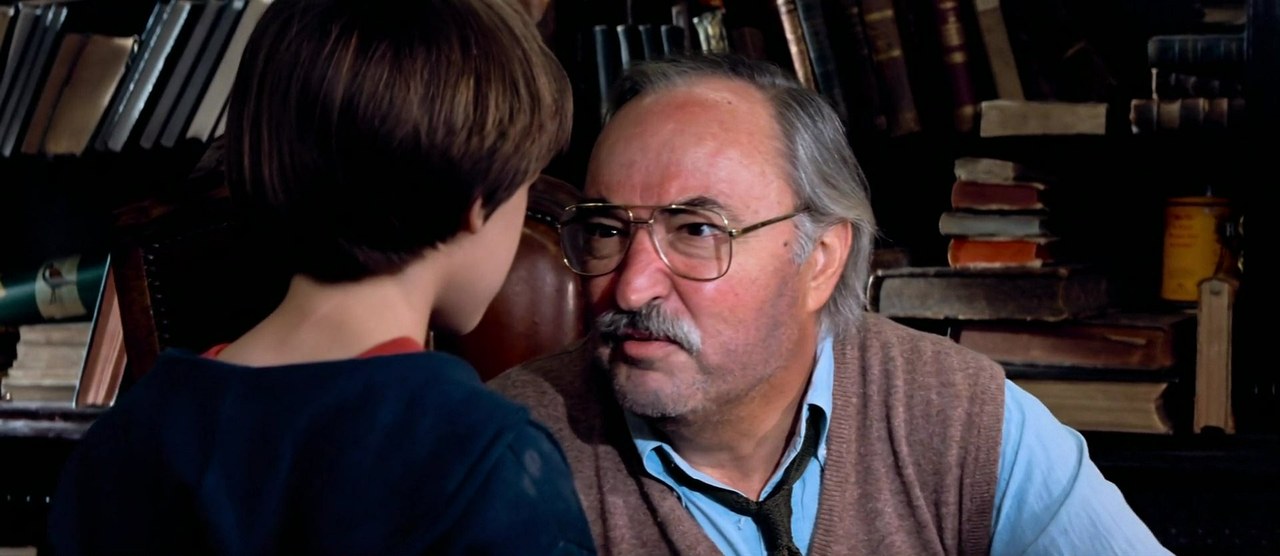
The Boy, the Book, and the Nothing
The story follows Bastian Balthazar Bux (Barret Oliver), a lonely, bullied kid still grieving his late mother. Ducking away from tormentors one morning, he hides in a dusty bookshop run by the gruff Carl Conrad Coreander, and walks out with a forbidden book simply titled The NeverEnding Story. Reading it in the school attic, he’s swept into Fantasia — a wondrous land being devoured by an encroaching void called the Nothing.
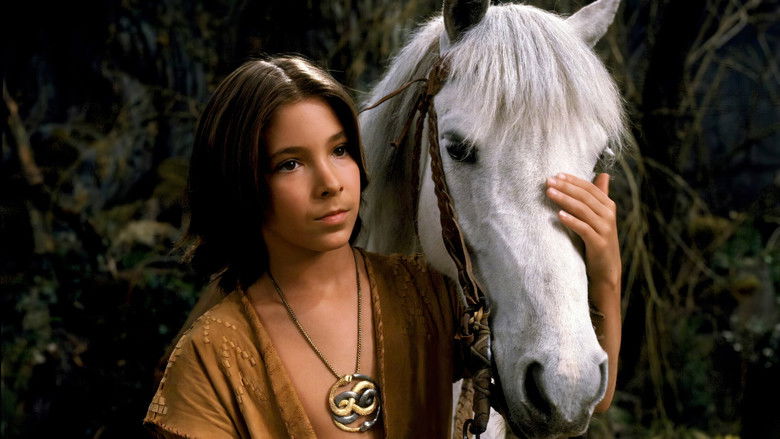
Inside the book, a brave young warrior named Atreyu (Noah Hathaway) is charged by the ailing Childlike Empress (Tami Stronach) with saving Fantasia. As Bastian reads, he slowly realizes the story is reaching back out toward him — that a real child in the human world is the only one who can give the Empress a new name and hold the Nothing at bay.
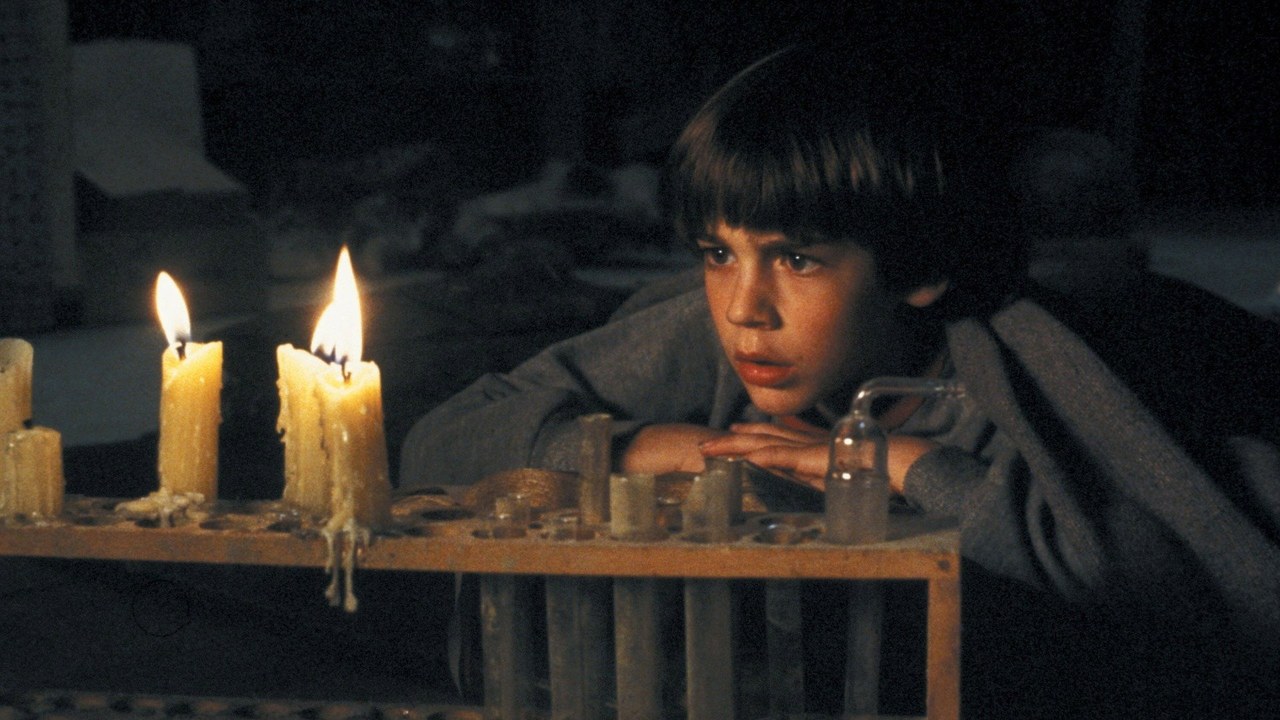
Three Unknown Kids Carried the Whole Film
Petersen took a huge gamble on his three young leads, none of whom were stars. Barret Oliver, fresh off a few TV roles, played the tender, terrified Bastian. Twelve-year-old Noah Hathaway — a former child model who’d had a small part on Battlestar Galactica — became the stoic warrior Atreyu, doing much of his own riding and stunt work on the muddy Bavarian sets. And the Childlike Empress was played by Tami Stronach, a ten-year-old dancer from San Francisco with no acting experience, cast for a face that looked like it belonged on an ancient coin.
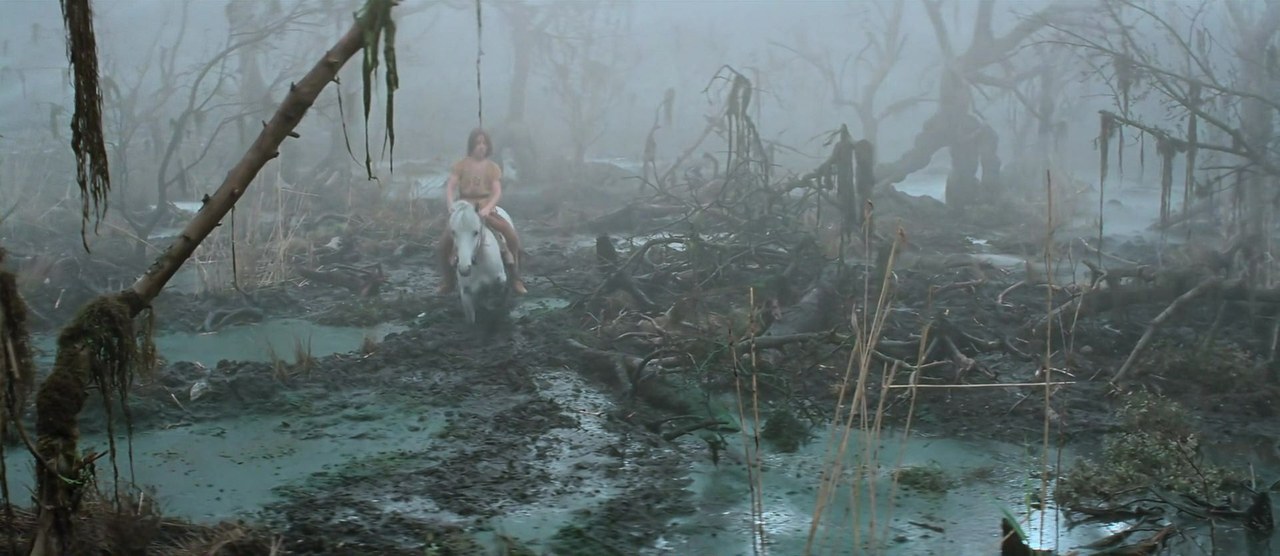
The physical demands were real. Hathaway later described the Artax swamp sequence as genuinely dangerous — the mechanical platform lowering the horse malfunctioned and briefly pulled him under the water with it. What reads on screen as childlike wonder was, behind the camera, a lot of cold water, heavy latex, and long days for kids barely old enough for middle school.
Creatures That Haunted a Generation
What audiences on July 20, 1984, could not have been prepared for was how emotionally brutal a kids’ movie could be. The film is packed with unforgettable inhabitants of Fantasia — and one gut-punch that traumatized millions of children.
There was Rockbiter, the mournful stone giant who rode a rock-cycle and wept over the friends the Nothing had swallowed. There was Morla the Ancient One, a mountain-sized, allergy-ridden turtle sulking in the Swamps of Sadness. And there was Gmork, the wolf-like servant of the Nothing, hunting Atreyu through the dark.
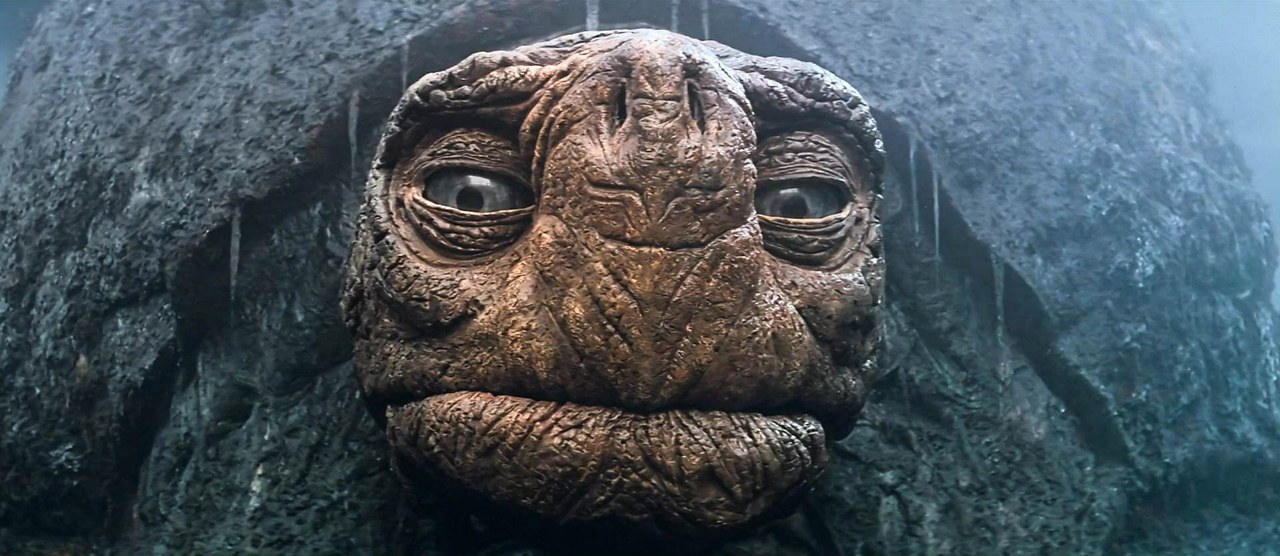
But the scene nobody forgets is Atreyu and his loyal horse Artax crossing the Swamps of Sadness. As despair literally pulls Artax down into the mud, Atreyu screams at him to keep fighting — and can’t save him. Ask anyone who grew up in the 80s or 90s about that moment and watch their face fall. It remains one of the most devastating scenes in any family film ever made.
Building Fantasia by Hand
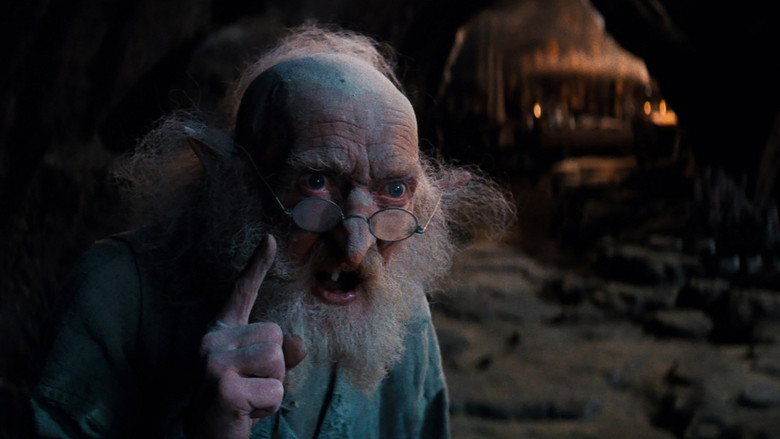
Long before a single frame was shot, an army of model-makers, puppeteers, and mechanics was assembling Fantasia inside the Bavaria Studios. To reach the Childlike Empress, Atreyu first has to pass the two gates of the Southern Oracle — including the Sphinx Gate, whose statues incinerate anyone who doubts their own worth. He’s guided by the bickering gnome scientists Engywook and his wife Urgl, comic relief who study the oracle from a cluttered cave laboratory.
Nearly every creature you see was a physical object on set: giant animatronic heads with dozens of internal cables, radio-controlled facial rigs, and full-body suits operated by multiple performers at once. Falkor alone was a 43-foot mechanical marvel requiring a crew to make him blink and speak. It’s exactly this handmade, tactile quality — latex you can almost smell — that has let the film age so gracefully. Where slick digital effects from the 2000s already look dated, Fantasia still feels like a place you could physically walk into.
Falkor and That Theme Song
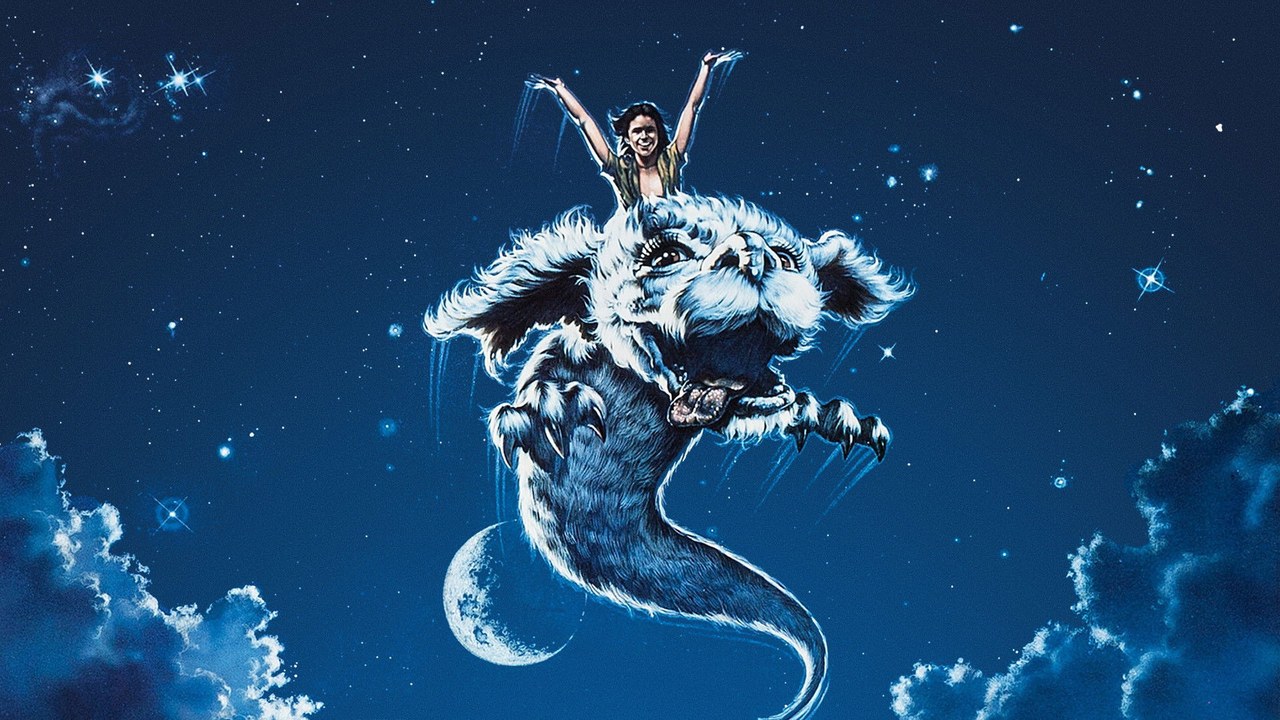
For every tear the film wrung out, it gave back a moment of pure wonder — and none bigger than Falkor, the white luckdragon with the soulful eyes and a voice like a wise, gentle grandfather (all four of Falkor, Gmork, Rockbiter, and the narrator were voiced by Alan Oppenheimer). The image of Atreyu soaring through the clouds on Falkor’s back became the film’s signature — the payoff to all that darkness.
And then there’s the song. Producer Giorgio Moroder — fresh off Flashdance — wrote the pop theme with lyricist Keith Forsey, and handed it to Limahl, the former frontman of Kajagoogoo. “Neeeeeeeeh-ver ending stoooory…” That synth-drenched earworm climbed to No. 4 on the UK charts and No. 17 on the Billboard Hot 100, and it has never really left. When Stranger Things deployed it in a show-stopping season 3 scene in 2019 — Dustin and Suzie belting it across a ham-radio connection to save the day — Spotify streams of the original jumped roughly 400 percent overnight, introducing the theme to millions of kids who’d never seen the movie. Moroder’s glossy synth-pop wasn’t in Ende’s novel and wasn’t in the German cut either; it was bolted onto the American release specifically to give MTV-era audiences a radio hook. It worked better than anyone imagined. Some hooks are, fittingly, never-ending.
Kitsch, Commerce, and a Furious Author
Critics were split. Roger Ebert gave it three stars and marveled that “an entirely new world has been created.” Others, like Gene Siskel, found the effects cheap and the runtime bloated. Audiences didn’t care — the film grossed around $100 million worldwide, became the highest-grossing German production of its era, and turned into a home-video staple that a whole generation wore out on VHS through the late 80s and 90s.
The loudest dissenting voice, though, belonged to the source. Michael Ende hated it. He felt Petersen had gutted the philosophical heart of his novel, famously branding the movie “a gigantic melodrama of kitsch, commerce, plush, and plastic.” He demanded his name be removed and sued the producers — and lost. The film had, by then, already become bigger than the fight over it.
The Story That Kept Going
Fantasia proved hard to close the book on. The NeverEnding Story II: The Next Chapter followed in 1990, a third film arrived in 1994, and animated TV series kept the luckdragon flying through the mid-90s. New films based on Ende’s novel were announced in 2024, promising a return to Fantasia for a whole new generation of kids who’ll one day flinch at the mere mention of a horse named Artax.
But it all traces back to July 20, 1984 — the day a book fell open, the Nothing crept in, and a boy in an attic learned that the only thing that can save a dying world is the courage to keep imagining it. Forty years on, through sequels, cartoons, streaming rediscoveries, and a planned new adaptation, we’re still reading — and still flinching at the sound of a horse’s name.
Love the retro era? Browse our shop for vintage finds, retro clothing, and 80s/90s nostalgia gear.
The Retro Almanac
A monthly roundup of "on this day" highlights from that month, decades back — plus first dibs on new retro merch drops. No spam, just the good stuff.