How G-Funk Turned West Coast Rap Into an Endless Summer
Roll down the window on a summer afternoon in 1993 and there was a decent chance you’d hear it spilling out of the car next to you: a lazy, whining synth line, a bassline thick as syrup, and a beat that never seemed to be in any particular hurry. That sound had a name — G-funk — and for a few golden years it made the West Coast feel like one long, sun-baked block party. If golden age hip-hop was a nationwide explosion of styles between 1990 and 1999, G-funk was the part that smelled like barbecue smoke and cruised past you at fifteen miles an hour in a candy-painted Impala.
While the East Coast was chopping dusty jazz records into hard, cerebral boom bap, a producer named Andre Young — you know him as Dr. Dre — was doing something almost heretical. He slowed everything down. He made rap that you could relax to. And in doing so, he handed the West Coast an identity so strong that thirty years later you can still recognize a G-funk record in about two seconds flat.
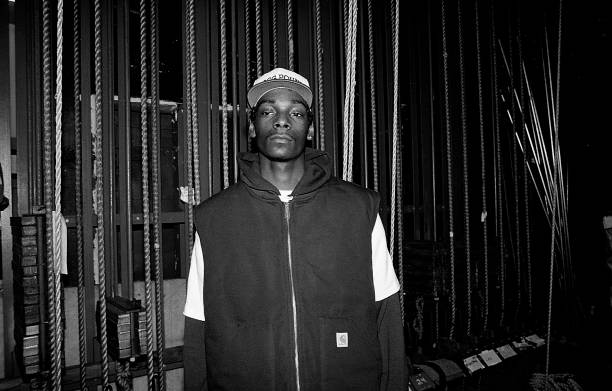
Dr. Dre Slows the Whole Thing Down
Dre didn’t invent West Coast rap. Ice-T, N.W.A, Too $hort, and a whole ecosystem of artists had been building it for years, and Dre himself had been the sonic architect behind N.W.A’s furious, siren-soaked records. But when he walked out of that group and started fresh with the newly formed Death Row Records, he reached for a different reference point entirely: the smooth, elastic funk of Parliament-Funkadelic, Zapp, and Roger Troutman.
The Retro Almanac
A monthly roundup of "on this day" highlights from that month, decades back — plus first dibs on new retro merch drops. No spam, just the good stuff.
Instead of merely sampling those old funk records, Dre and his session players often replayed them live — new bass, new keys, real musicianship layered on top of the drum programming. That’s the secret ingredient. The wheezing, high-pitched synth lead that defines the style wasn’t a lucky sample find; it was a musical decision, a melody hummed by a whistling analog keyboard riding over a fat, unbothered groove. Add a talkbox vocoder cooing in the background and you had a sound that was menacing and mellow at the same time.
The blueprint arrived in full on December 15, 1992, with The Chronic. It didn’t sound like anything else on the radio. Where hardcore rap had been all sharp edges, The Chronic was warm and slow and impossibly confident, and it turned Dr. Dre from a respected producer into one of the most important hitmakers of the decade.
Enter Snoop: The Voice That Made It Float
A beat this laid-back needed a voice that could ride it without fighting it, and Dre found the perfect one in a lanky kid from Long Beach named Calvin Broadus — Snoop Doggy Dogg. Snoop didn’t attack the microphone the way East Coast rappers did. He glided. His drawl slid across the pocket like it had nowhere to be, syllables stretched and bent until the rapping itself sounded like another melodic instrument in the mix.
Their chemistry on “Nuthin’ but a ‘G’ Thang” became the definitive statement of the whole movement — a song so smooth it barely felt like it was trying, which of course was the entire point. When Snoop’s own debut, Doggystyle, dropped in November 1993, it became one of the fastest-selling rap albums in history and debuted at number one. The West Coast wasn’t the underdog anymore. It was running the charts.
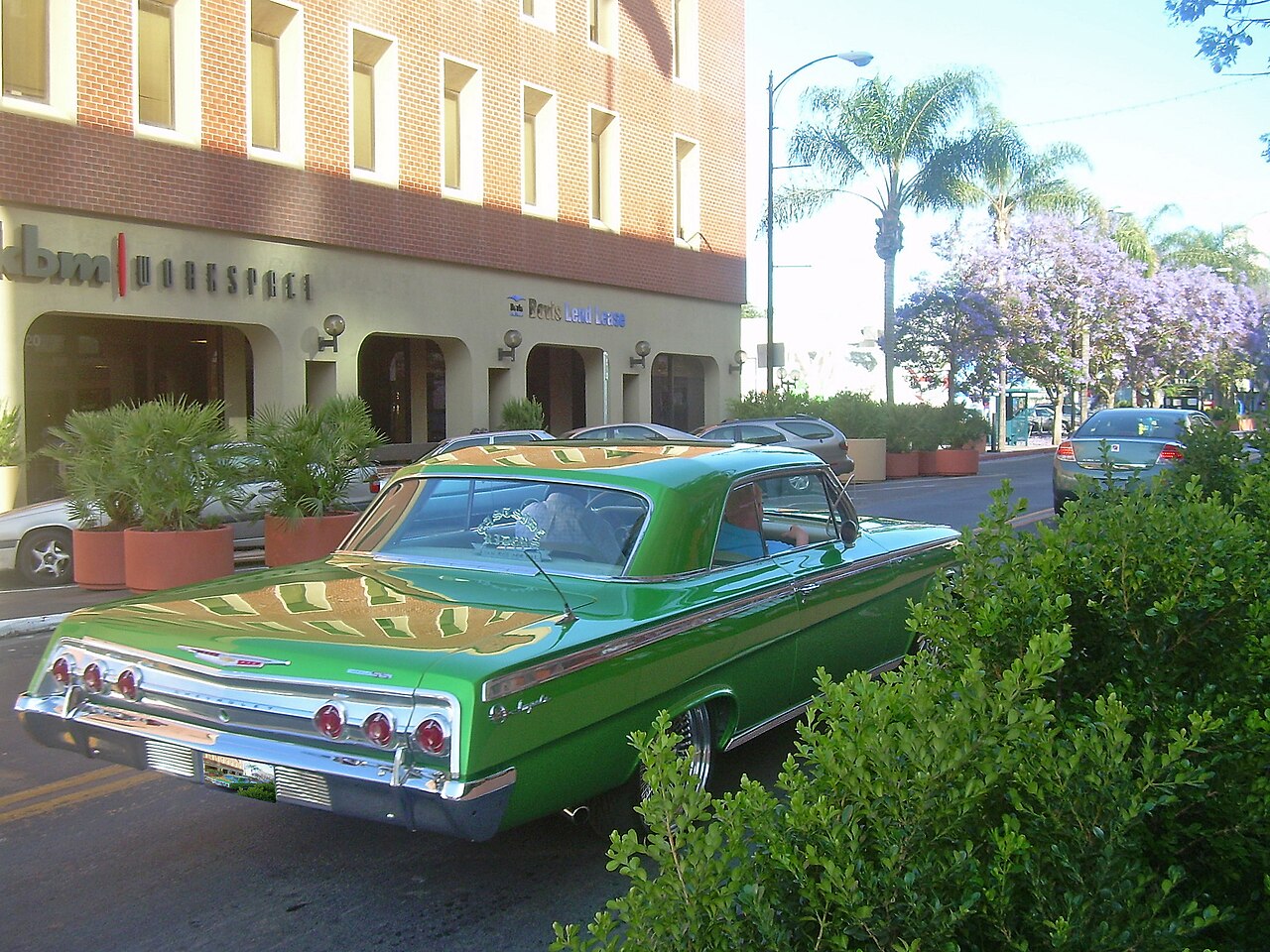
A Sound You Could See
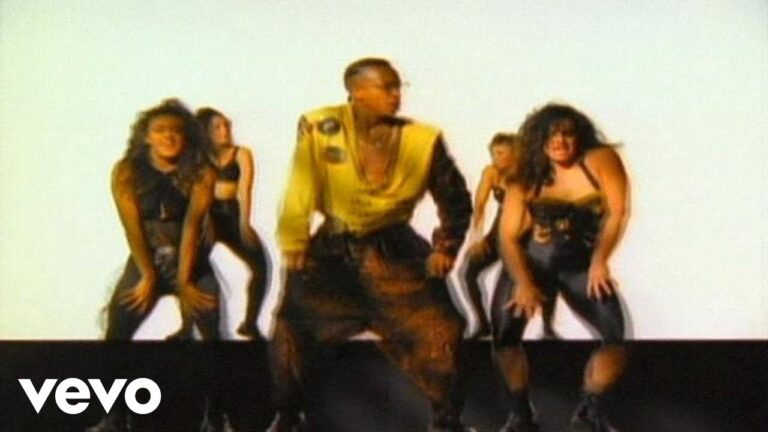
Part of what made G-funk so sticky is that it came with its own complete world, and you didn’t need to live in Los Angeles to picture it. The music videos taught you the aesthetic: lowrider Impalas and Monte Carlos hopping on hydraulics, backyard cookouts, palm trees against a hazy orange sky, Chuck Taylors and Pendletons and dark sunglasses, house parties that flowed out onto the driveway.
Where a lot of golden age hip-hop felt like winter — heavy coats, gray concrete, cold breath in the air — G-funk felt like perpetual late August. The tempo was the temperature. Everything moved at the pace of a hot day when there’s nowhere urgent to be. That fantasy of endless California summer was a huge part of the appeal for teenagers in Ohio and Ontario and everywhere else the videos reached. You could rewind the tape and, for four minutes, you were cruising down Crenshaw too.
Warren G, Nate Dogg, and the Crossover
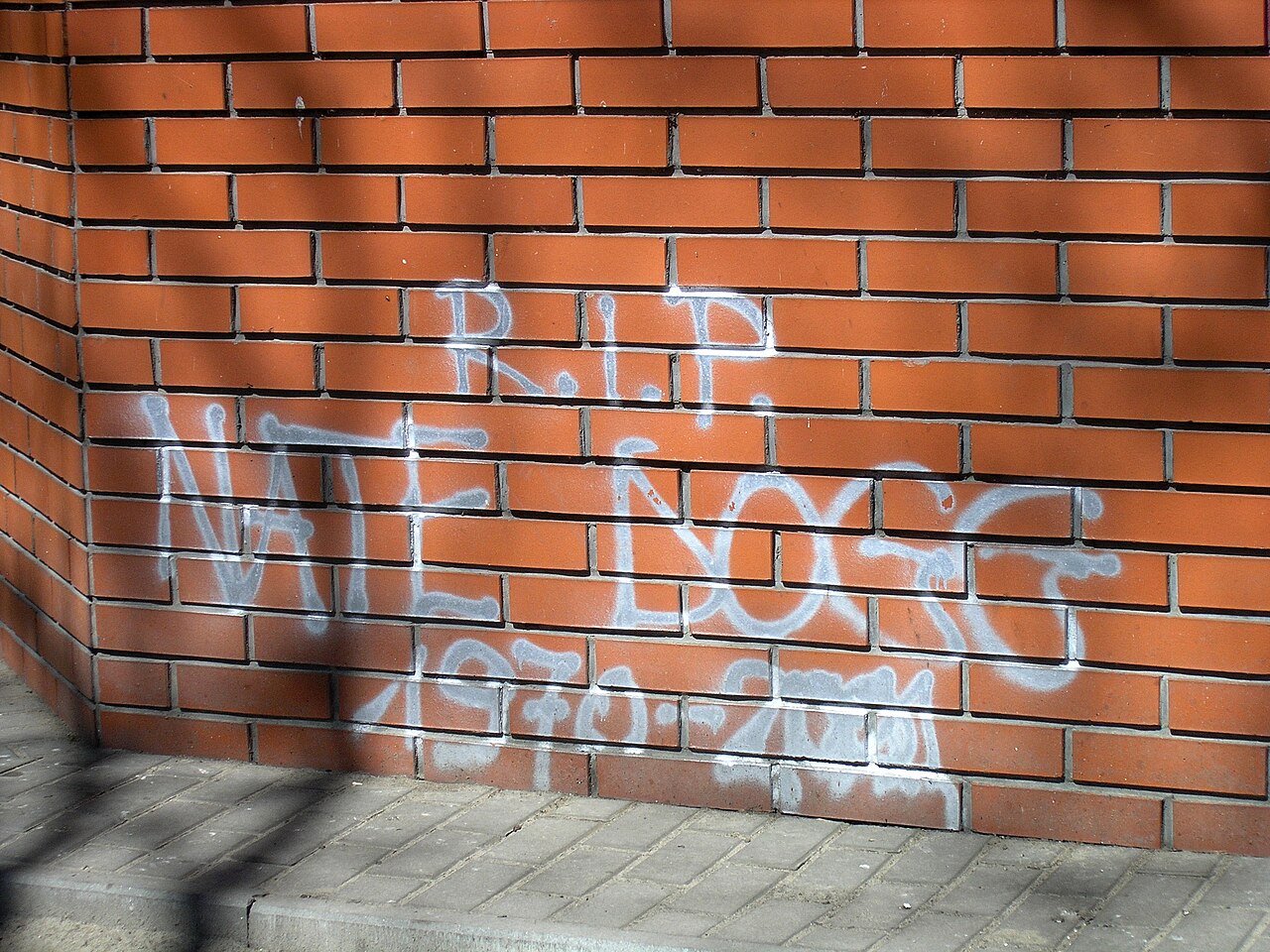
If The Chronic lit the fuse, it was a cousin of the Death Row family who carried G-funk all the way into the pop mainstream. In 1994, Warren G — Dre’s stepbrother — teamed up with the honey-voiced Nate Dogg for “Regulate,” a song built around a mellow interpolation of Michael McDonald’s “I Keep Forgettin’.”
It was G-funk at its most disarming: a tough story about a stick-up gone wrong, wrapped inside a melody so pretty your parents hummed along without realizing what the lyrics were about. Nate Dogg’s smooth, half-sung hooks became the connective tissue of the entire West Coast — he sang choruses for what felt like everybody, and his voice is arguably as central to the G-funk feeling as any producer’s beat. “Regulate” climbed to number two on the Billboard Hot 100 and proved that this regional style could go platinum coast to coast.
The Whole West Coast Catches the Wave
Once the template was proven, it rippled outward. DJ Quik brought a slicker, more musical spin from Compton. Warren G’s Regulate…G Funk Era practically put the genre’s name on a marquee. Tupac Shakur, after signing to Death Row, wrapped his most anthemic hits — “California Love” chief among them — in that unmistakable synth-and-bass glow. Even artists outside California started tilting their beats toward the sunny, melodic West Coast feel.
For a stretch of the mid-’90s, G-funk wasn’t just a style — it was the sound of hip-hop’s commercial peak, the thing radio programmers reached for when they wanted a guaranteed summer hit. It gave the golden age one of its most durable flavors, a counterweight to the harder East Coast records that dominated the critics’ conversations.
Why It Still Sounds Like Summer
By the end of the decade the spotlight had moved on. The Death Row empire fractured, the industry chased new trends, and the classic G-funk formula gave way to shinier, faster sounds. But the DNA never really disappeared. You can hear its fingerprints all over later West Coast waves — the hyphy movement, and especially the deliberately retro G-funk revival that artists like Kendrick Lamar and Dr. Dre himself leaned into on records built to sound like a nod to that exact era.
What keeps it alive is the feeling. G-funk bottled a very specific mood — unhurried, sunlit, cool without trying — and that mood never goes out of season. Drop the needle on “Nuthin’ but a ‘G’ Thang” today and the temperature in the room seems to climb a few degrees. Of all the sounds golden age hip-hop gave us between 1990 and 1999, this is the one that still rolls the windows down.
Spin It Again
If reading this made you want to dig the classics back out, the golden age is more accessible than it’s ever been — the essential G-funk records are all a search away on vinyl and CD. Browse The Chronic and other G-funk classics here and go rebuild that summer soundtrack.
Sources
The Retro Almanac
A monthly roundup of "on this day" highlights from that month, decades back — plus first dibs on new retro merch drops. No spam, just the good stuff.