Sony Walkman: The Portable Cassette Player That Changed How We Listen to Music
There’s a moment every Gen X kid remembers. You’re walking down the street, foam headphones clamped over your ears, the orange sponge pads slightly sweaty against your skin. A mixtape is playing — maybe one you made yourself, maybe one your crush made for you. The world outside is moving, but you’re in your own private concert. That rectangular device clipped to your belt or shoved in your jacket pocket? That was the Sony Walkman, and it didn’t just change how we listened to music. It changed everything.
Before the Walkman showed up in 1979, listening to music was a stationary activity. You sat in your room with your turntable. You lugged around a boombox that weighed more than your backpack. You listened to whatever the radio decided to play. The idea that you could carry your entire music collection in your pocket and listen to whatever you wanted, wherever you wanted? That was science fiction. Until Sony made it reality.
The Birth of Personal Music — Sony’s Gamble That Paid Off
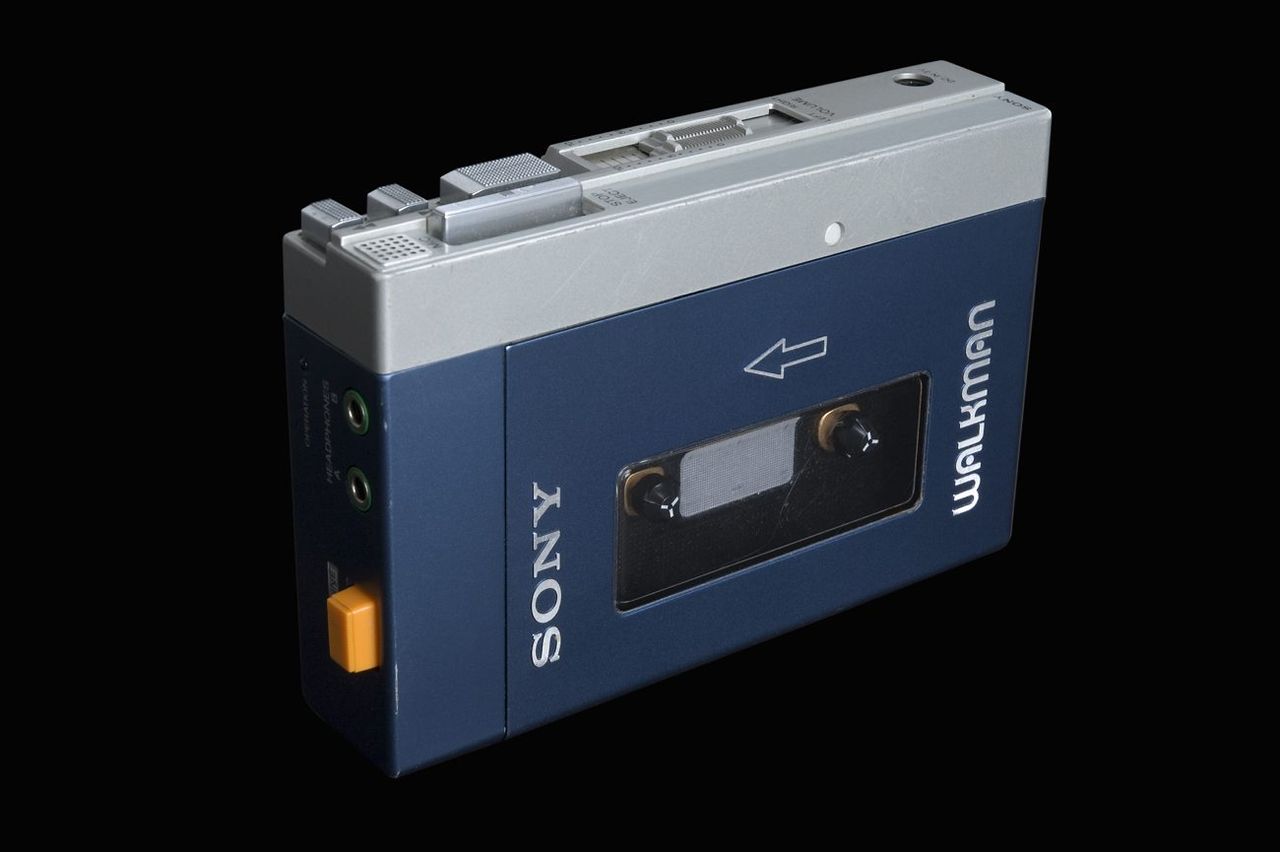
Here’s the thing about the Walkman — Sony’s own people thought it was a terrible idea. When co-founder Masaru Ibuka walked into the office one day complaining about lugging around a heavy tape recorder on international flights, engineer Nobutoshi Kihara started tinkering. He modified a small cassette recorder called the Pressman, stripped out the recording function and the speaker, and added a stereo amplifier. The result was the TPS-L2, which hit stores in Japan on July 1, 1979.
The Retro Almanac
A monthly roundup of "on this day" highlights from that month, decades back — plus first dibs on new retro merch drops. No spam, just the good stuff.
Sony’s marketing department was skeptical. Who would buy a tape player that couldn’t record? The device had no speaker — you had to use headphones. It couldn’t do the one thing tape players were supposed to do. The sales team predicted doom. Chairman Akio Morita bet his reputation on it anyway, reportedly telling staff that if the Walkman didn’t sell 30,000 units in its first year, he’d resign. It sold 30,000 in the first two months.

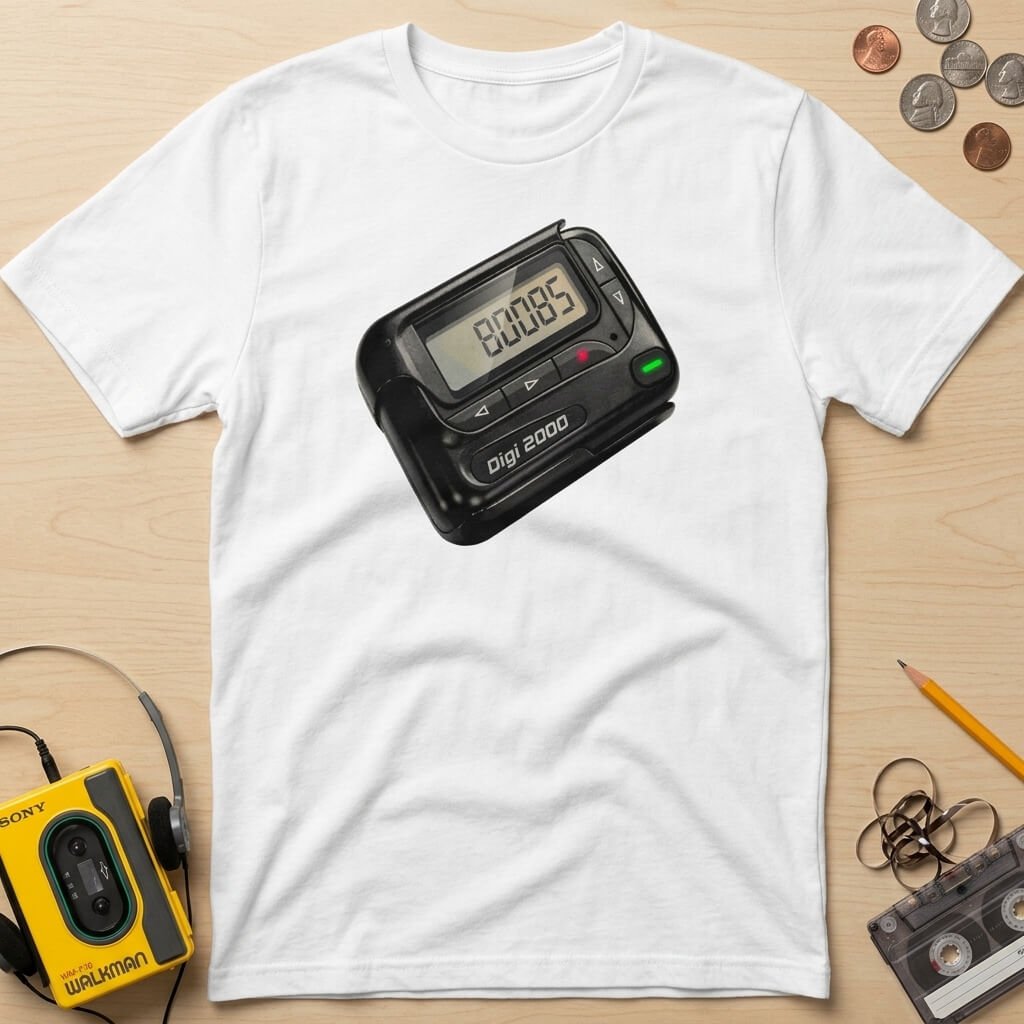
Browse retro and vintage-inspired apparel at the RetroRadical shop →
The Retro Almanac
A monthly roundup of "on this day" highlights from that month, decades back — plus first dibs on new retro merch drops. No spam, just the good stuff.