On This Day: August 3, 1981 — Reagan Fired the Air Traffic Controllers and Changed Labor History Forever
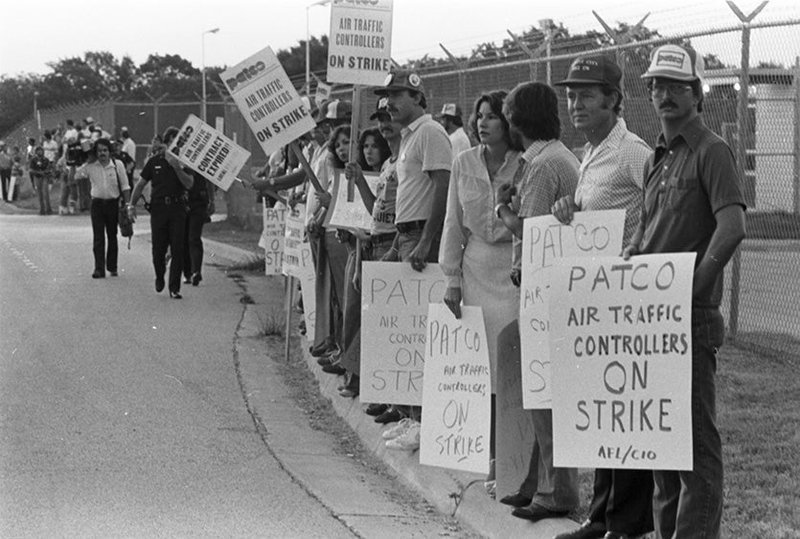
It started before dawn. On August 3, 1981, roughly 13,000 members of the Professional Air Traffic Controllers Organization — PATCO — walked off the job. Across the country, 7,000 flights were canceled. The nation’s air traffic system, already straining from chronic understaffing and aging equipment, suddenly had a massive hole in the middle of it.
What happened next would define Ronald Reagan’s presidency, reshape the American labor movement, and send a chill through union halls that lasted for decades. Reagan didn’t negotiate. He fired them. All of them.
Who Were the PATCO Controllers?
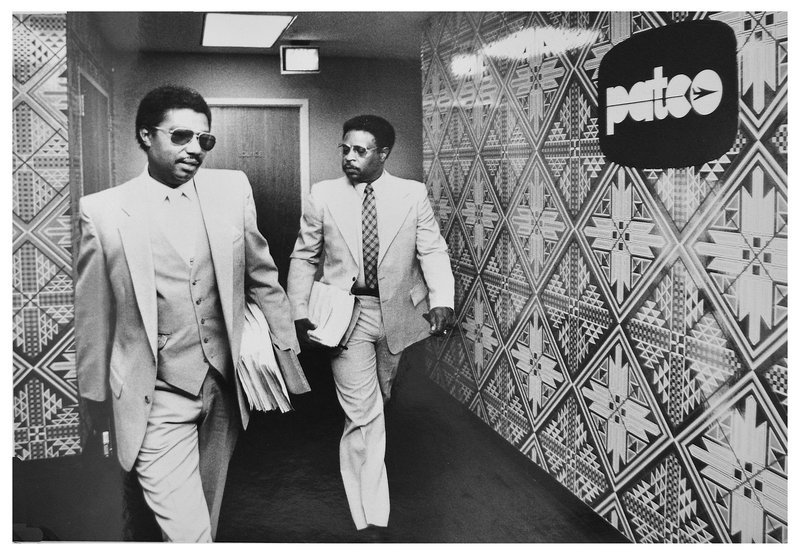
Air traffic controllers in 1981 were a stressed-out, tightly wound workforce that had one of the most demanding jobs in America. They guided thousands of aircraft through the sky using aging radar equipment, communicating with pilots in crisp, clipped sentences while tracking dozens of planes at once on a screen that looked like it belonged in a 1960s science fiction film.
The Retro Almanac
A monthly roundup of "on this day" highlights from that month, decades back — plus first dibs on new retro merch drops. No spam, just the good stuff.
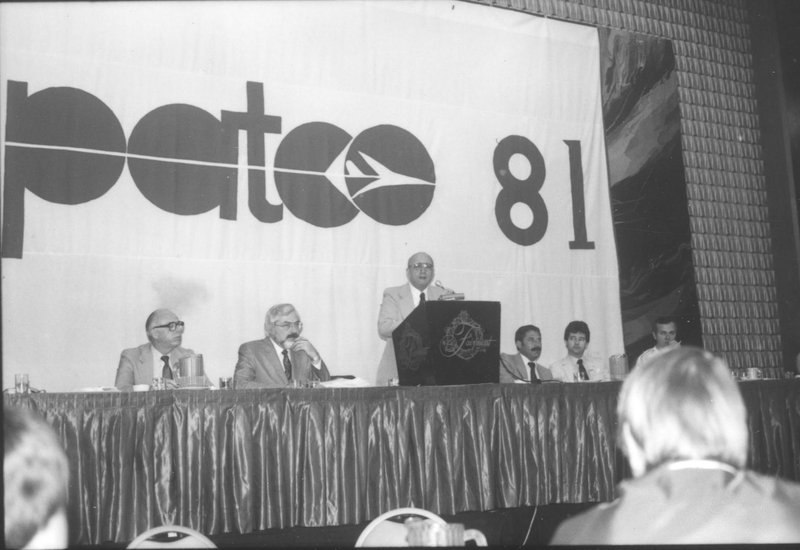
PATCO had been the controllers’ union since 1968. By 1981, the organization was pushing hard for three things: a $10,000 across-the-board pay raise, a reduction in the work week from 40 hours to 32, and better, more modern equipment. They argued — with plenty of evidence — that the stress of the job was literally killing people. Burnout was rampant. Retirement before age 50 was standard, because few controllers could handle the mental demands past their forties.
The Union That Endorsed Reagan — and Got Fired Anyway
Here’s the irony that labor historians can’t stop talking about: PATCO had endorsed Ronald Reagan for president in 1980. That almost never happens — a union backing a Republican candidate, especially one who ran on a platform of deregulation and fiscal austerity. PATCO’s leadership believed Reagan would be sympathetic to their demands. He had written them a letter promising to be attentive to their concerns.
PATCO president Robert Poli thought he had a deal. He thought, at minimum, he had goodwill. He had neither.
The 48-Hour Ultimatum
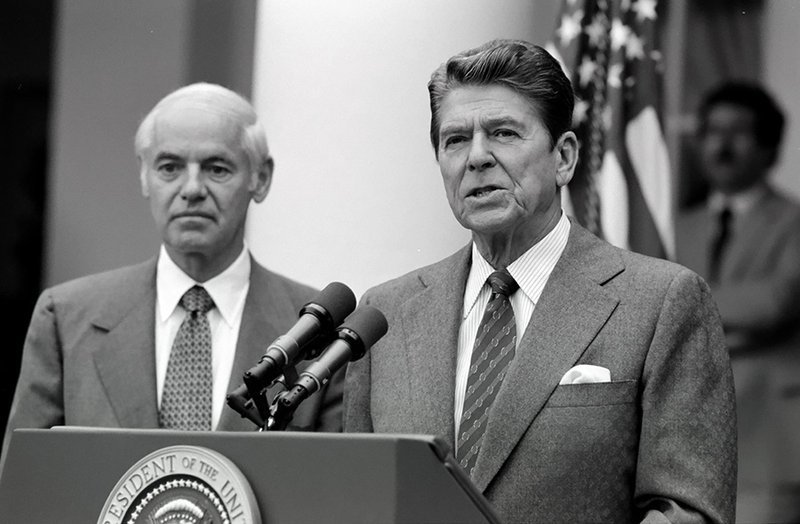
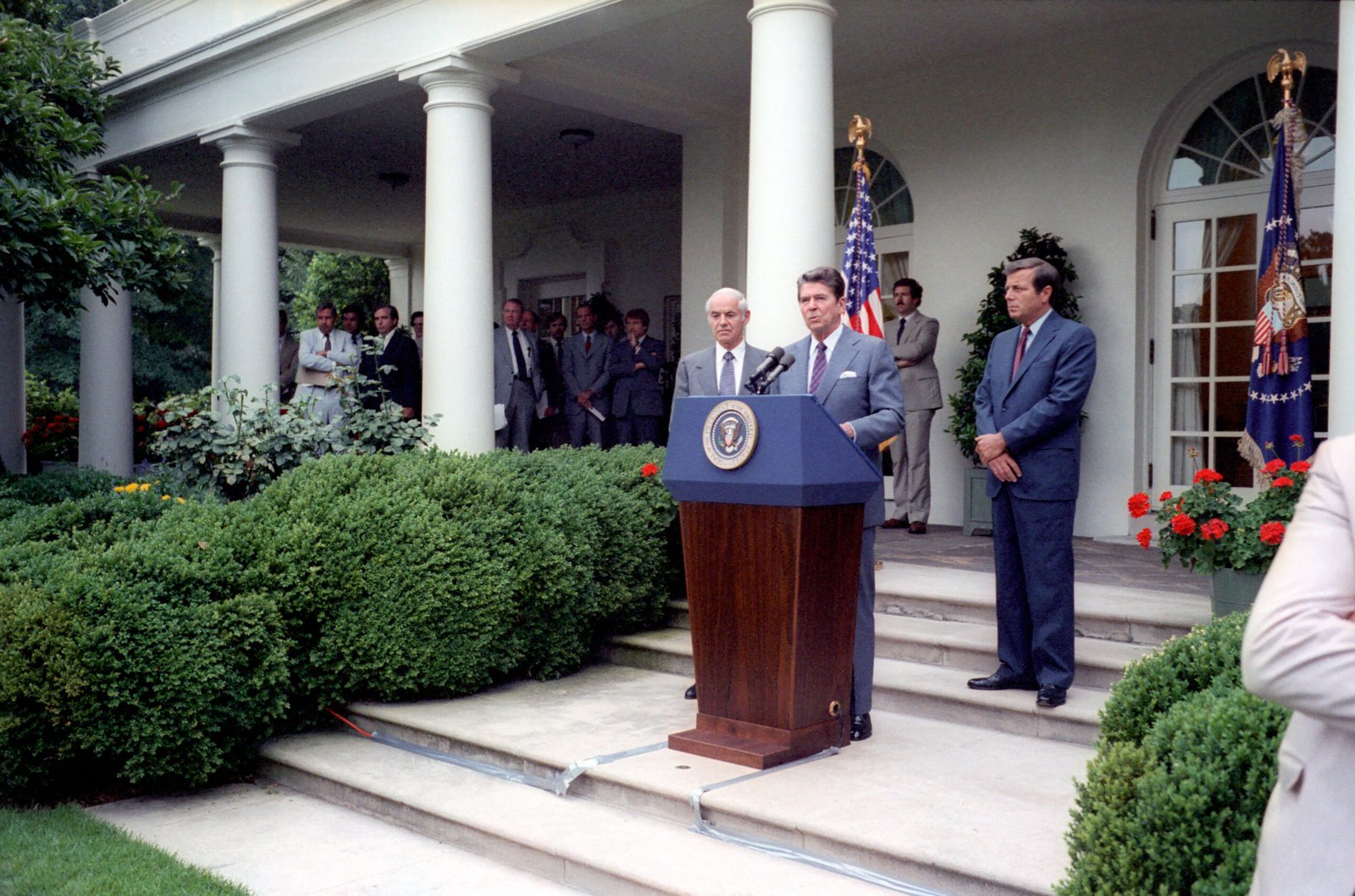
Reagan moved with a speed that stunned everyone. Within hours of the walkout, he appeared in the White House Rose Garden and issued a blunt ultimatum: controllers who had not returned to work within 48 hours would be fired. He cited a 1955 law banning strikes by federal employees and invoked language that left no room for negotiation.
“They are in violation of the law, and if they do not report for work within 48 hours, they have forfeited their jobs and will be terminated,” Reagan told reporters on August 3, 1981. The delivery was calm, almost gentle. The message was not.
The FAA immediately began implementing a contingency plan. Military controllers were pressed into service. Supervisors who hadn’t worked a radar screen in years were suddenly managing live airspace. Non-striking controllers — about 2,000 of them — were working around the clock. Flight schedules were slashed. But somehow, planes kept flying.
The public reaction in those first 48 hours was complicated. Many Americans sympathized with the controllers’ working conditions while simultaneously resenting the disruption to their summer travel. Airlines scrambled to notify passengers, rebook flights, and explain why vacations were suddenly in jeopardy. For PATCO, the walkout had achieved one immediate goal: everyone in America now knew who air traffic controllers were and what they actually did.
Inside the union, the mood was more anxious than triumphant. PATCO’s strike fund was limited. The organization had gambled on the government negotiating rather than accepting long-term disruption. Robert Poli continued making statements to the press, but behind the scenes, PATCO’s leadership watched the clock with growing unease. Reagan’s Rose Garden address had contained no room for maneuver — no invitation to talk, no back channel, no signal that anyone at the White House wanted a deal.
Labor leaders outside PATCO watched with equal dread. The AFL-CIO expressed official support but privately worried. This was a strike against the federal government — legally, constitutionally, a different category of dispute than any private-sector walkout. The precedent Reagan was about to set would land far beyond aviation. The question wasn’t whether he would act — it was how far he would go.
August 5: The Firing Heard Round the World
The 48-hour deadline expired on August 5, 1981. About 1,300 controllers had returned to work. Reagan fired the other 11,359. He also banned them from ever working for the FAA again — a lifetime ban that stayed on the books until Bill Clinton quietly lifted it in 1993.
The speed and finality of it was stunning. No president had ever done anything quite like this. Even during earlier labor disputes, there had been negotiations, delays, political maneuvering. Reagan simply did what he said he would do. For supporters, it was decisive leadership. For the labor movement, it was a declaration of war.
How the FAA Kept Planes Flying
The immediate crisis was more manageable than the union had predicted. Airlines reduced schedules by about 50 percent. Military controllers — trained professionals who had never worked civilian airspace — were deployed to major hubs. The FAA ramped up its training pipeline, and within three years, the system was largely restored to pre-strike capacity.
That recovery was itself a blow to PATCO’s strategy. The union had counted on the disruption being so severe that the government would have no choice but to negotiate. When the system limped along without them, it proved that the controllers, as essential as they were, could be replaced — slowly, expensively, but replaced.
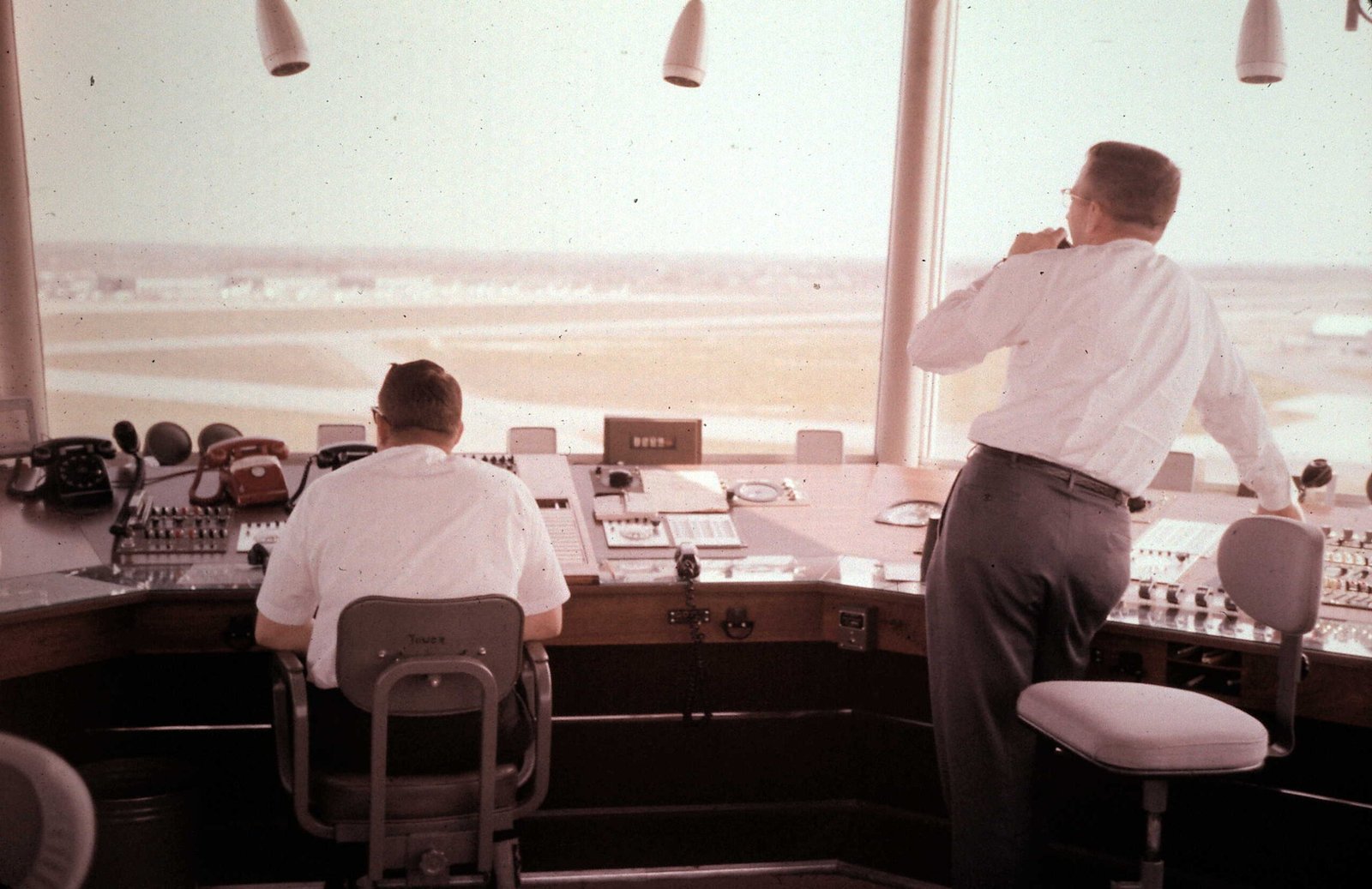
The scale of the operational adjustment was remarkable. En route traffic at major hubs was reduced by as much as 50 percent. Short-haul routes — where a car or train was viable — were canceled outright. Cross-country and international service was maintained, but with wider aircraft separation that added time to every flight. For the first days, the skies over America were quieter than they had been since World War II.
Military controllers arrived from installations across the country, quickly briefed on procedural differences between military and civilian airspace. Some had never worked the high-density corridors around JFK, O’Hare, or LAX. They learned fast. Supervisory controllers who had stayed on worked shifts that stretched into exhaustion, covering positions that normally rotated among three or four people. The FAA also compressed its training pipeline — before the strike, controller certification took years; after August 1981, accelerated programs shaved months off that timeline.
Within three years, the workforce had been rebuilt to near pre-strike capacity. But the new controllers entered a profession that had been fundamentally redefined — not by technology, but by a president who had decided, once and for all, who was in charge of the skies.
The Legacy: A New Era for American Labor
The PATCO strike’s long shadow stretches far beyond aviation. In the years that followed, union membership in the United States fell sharply and steadily. Private employers, watching the government fire an entire union without blinking, concluded that they too could take harder lines in labor disputes. The 1980s and 1990s saw wave after wave of corporate restructuring that reduced union power — and Reagan’s action in August 1981 is widely seen as the signal that opened the door.
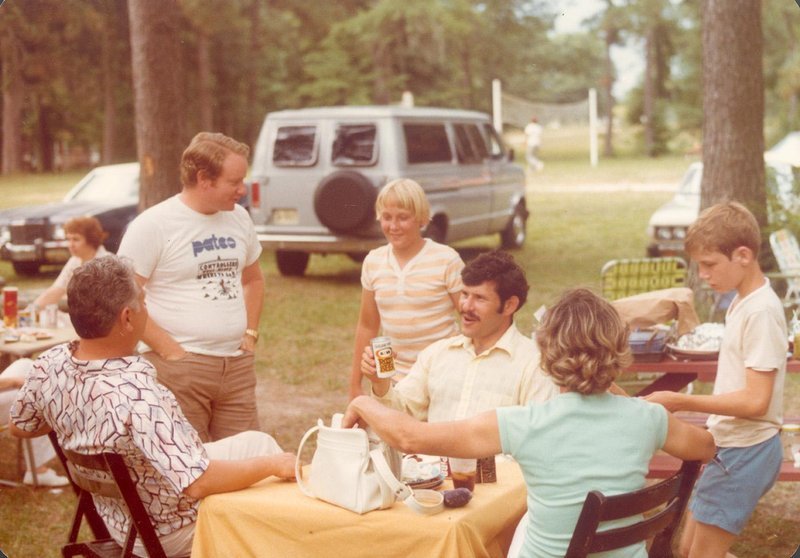
For the fired controllers themselves, the consequences were severe. Many lost their homes. Some burned through savings fighting legal battles. The lifetime employment ban meant their highly specialized skills were essentially worthless in the U.S. civilian market. Some found work in other countries. Some went into different careers entirely. Some never fully recovered.
And yet — Reagan remained personally popular throughout. The political calculus had been exactly right. The public, frustrated with inflation and economic chaos, largely supported the firings. Here was a president who followed through. Whether you loved him or hated him, you had to admit: Ronald Reagan did exactly what he said he would do on August 3, 1981.
Love the retro era? Browse our shop for vintage finds, retro clothing, and 80s/90s nostalgia gear.
The Retro Almanac
A monthly roundup of "on this day" highlights from that month, decades back — plus first dibs on new retro merch drops. No spam, just the good stuff.