The South Had Something to Say: How OutKast, UGK, and the Geto Boys Claimed the Golden Age
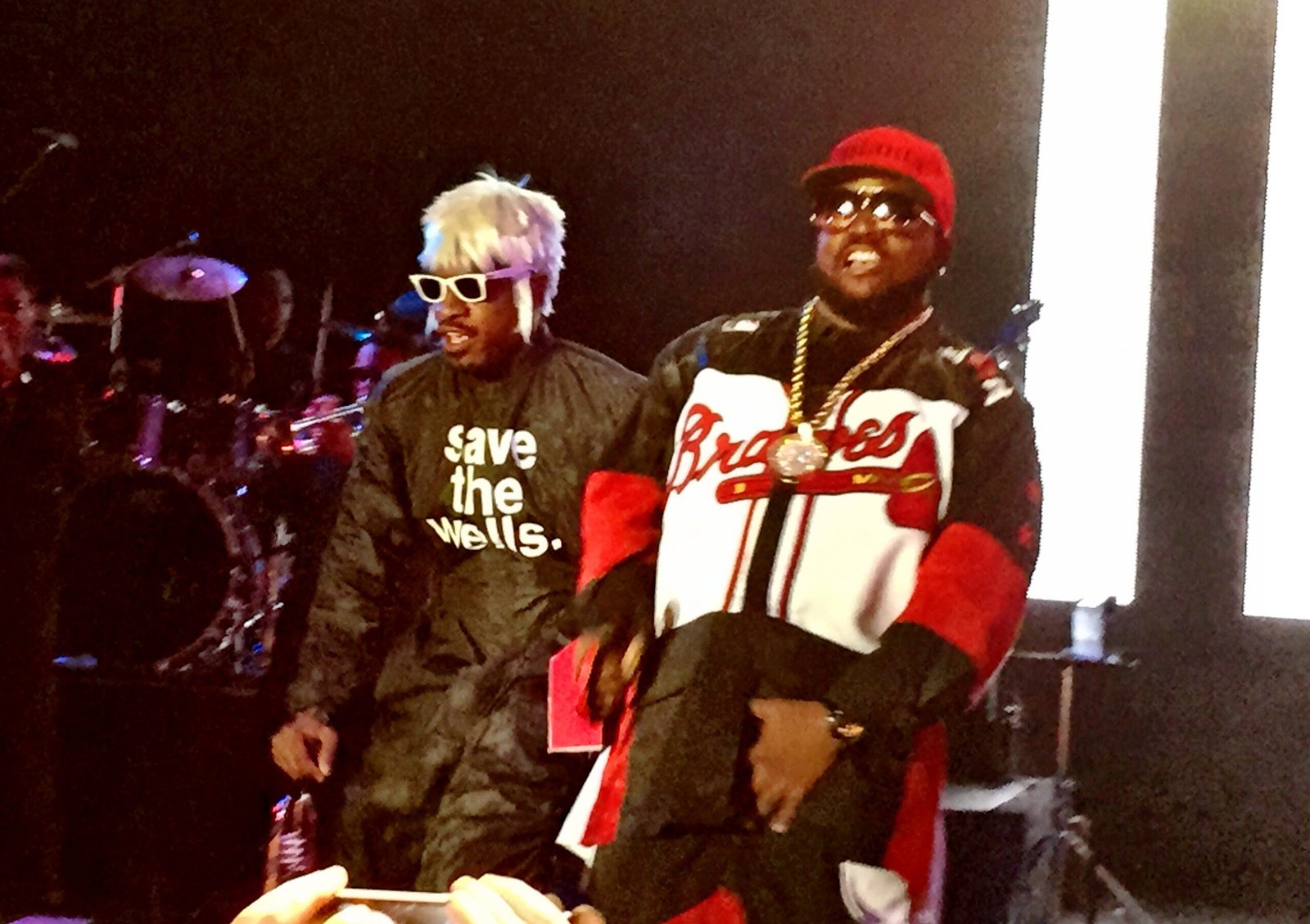
In the summer of 1995, a young rapper from Atlanta named André Benjamin stood at a podium inside Madison Square Garden, stared down a room full of skeptical New Yorkers, and said something nobody expected: “The South got something to say.”
The crowd booed. OutKast had just won Best New Rap Group at the Source Awards — hip-hop’s most prestigious ceremony at the time — and the audience wasn’t having it. New York ran rap. Everyone knew that. Brooklyn, the Bronx, Compton maybe. Atlanta? Houston? Nobody was checking for that.
Within three years, the South would be generating some of the most important music in hip-hop history. What happened between that booing crowd in 1995 and the release of Aquemini in 1998 is one of the most compelling stories of the Golden Age — a story about outsiders forcing their way through a locked door, city by city, album by album, with no co-sign from the gatekeepers.
The Retro Almanac
A monthly roundup of "on this day" highlights from that month, decades back — plus first dibs on new retro merch drops. No spam, just the good stuff.
The Dungeon That Built OutKast
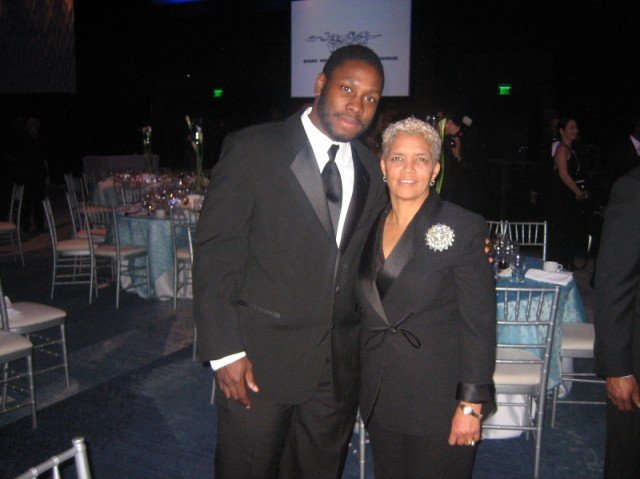
Before that Source Awards moment, OutKast — André 3000 (André Benjamin) and Big Boi (Antwan Patton) — had spent two years building something unusual inside a recording space called the Dungeon. Located in a basement in East Point, Georgia, the Dungeon was home to a loose collective of Atlanta musicians and producers who would become known as the Dungeon Family. The key architects were Organized Noize — Rico Wade, Ray Murray, and Sleepy Brown — a production team that drew from George Clinton’s Parliament-Funkadelic, Southern blues, and street-level Atlanta observation in equal measure.
Their debut, Southernplayalisticadillacmuzik, dropped in April 1994. It didn’t sound like a Tribe Called Quest record or a Wu-Tang Clan record. It wasn’t supposed to. The bounce, the cadence, the slang, the humid Georgia atmosphere pressed into every track — it was distinctly Southern in a way that hip-hop hadn’t quite been before. It went platinum. New York still wasn’t paying much attention.
1995: The Moment That Changed Everything
The 1995 Source Awards at Madison Square Garden are remembered for a lot of things — the open tension between Suge Knight and Puff Daddy, the rising animosity between Death Row and Bad Boy that would turn fatal within the year. But for anyone tracking what was happening south of the Mason-Dixon line, that night is remembered for a 20-second speech. When OutKast took the stage to accept their award, they walked into hostility. The boos were real and sustained. So was André 3000’s response.
“I’m tired of folks — closed-minded folks,” he said into the microphone. “It’s like we got a demo tape and don’t nobody wanna hear it. But it’s like this: the South got something to say, and that’s all I’ve got to say.”
He was 20 years old. He wasn’t wrong. And over the next four years, the South would prove it in record after record, with artists who owed nobody a co-sign and sounded like nobody else on earth.

Houston’s Foundation: The Geto Boys and Scarface
While Atlanta was making its case at the Source Awards, Houston had been speaking for years — mostly to itself, mostly without acknowledgment. The Geto Boys — Scarface, Willie D, and Bushwick Bill — had been putting out confrontational, psychologically complex hip-hop since the late 1980s. Their 1991 album We Can’t Be Stopped featured an iconic cover photographed at the hospital where Bushwick Bill lost his right eye in a shooting earlier that year. The image was brutal and deliberate. So was everything on the record, especially “Mind Playing Tricks on Me” — a first-person account of paranoia, guilt, and a conscience that won’t stop pressing — which stands among the most emotionally honest rap songs of the entire Golden Age era.
Scarface’s solo career ran parallel and arguably deeper. The Diary, released in October 1994, is a record that critics now regularly include on lists of hip-hop’s greatest albums, full stop. Brad Jordan — Scarface’s real name — wrote about addiction, violence, death, and the psychology of a man caught between worlds with a clarity that most rappers couldn’t approach. He wasn’t rapping for MTV rotation or Source covers. He was rapping for the streets of Houston’s South Park neighborhood, and those streets knew exactly what he was saying.
UGK: The Texas Underground That Refused to Break
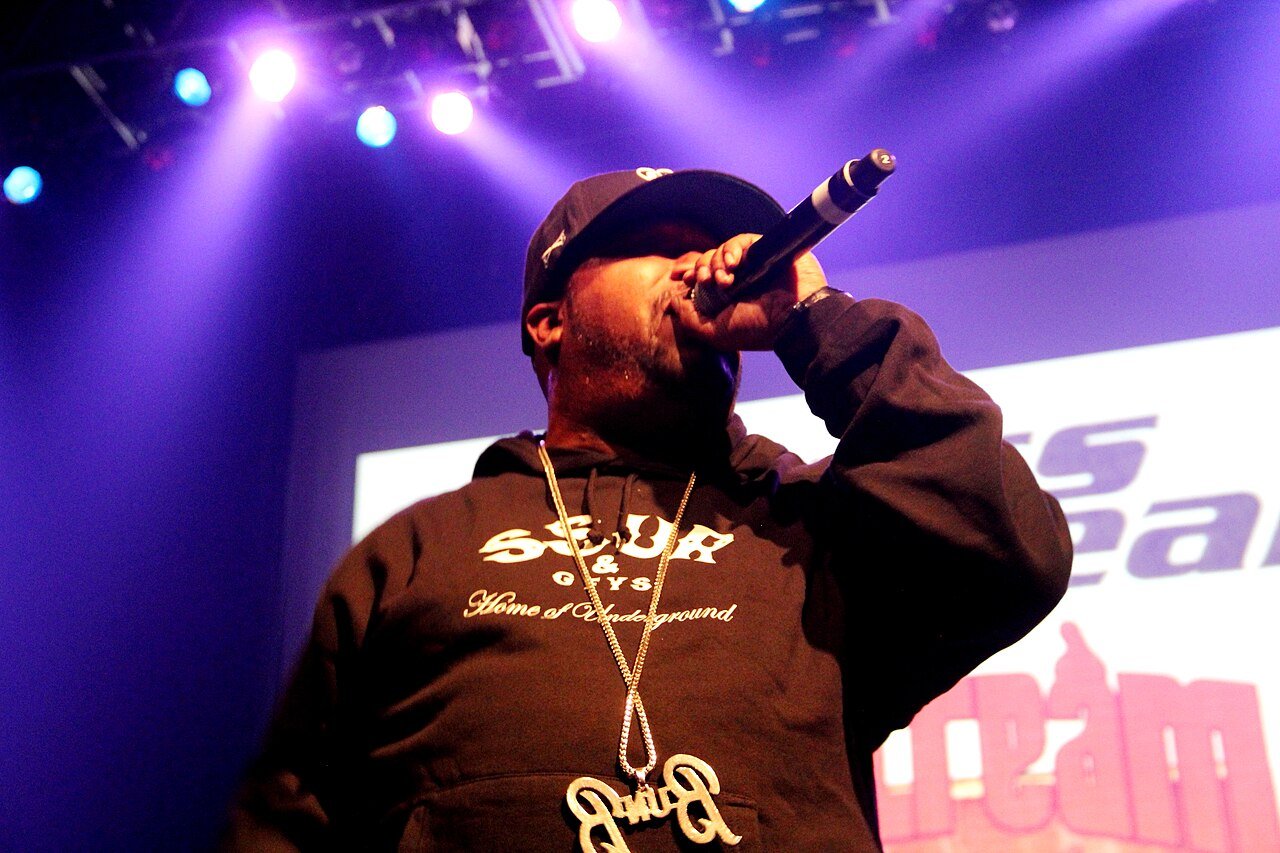
If Scarface represented Houston’s emotional depth, UGK — Bun B and Pimp C — represented its spine. Underground Kingz from Port Arthur, Texas: two MCs who built a following through regional touring, word of mouth, and records that didn’t care whether New York radio was playing them or not. There was a self-sufficiency to UGK that felt like a philosophical position before it became a career strategy.
Ridin’ Dirty, released in July 1996, is the record that cemented their place in the canon. Pimp C’s production was heavy, slow-rolling, built from Southern funk and blues and something that sounded unmistakably Texan — a sound with heat and weight and the particular gravity of a place that didn’t care about trends. Bun B’s lyricism was technically sharp in a way that surprised anyone still underestimating what was coming out of the South. The album didn’t crack the mainstream in 1996. But real classics don’t always do that. Ridin’ Dirty aged into something people kept returning to, citing, and sampling long after the Golden Age had closed. Pimp C died in December 2007, but his voice remains one of the defining sounds of what the South built in the nineties.

ATLiens: Atlanta Answers the Skeptics
OutKast released ATLiens on August 27, 1996. If Southernplayalisticadillacmuzik introduced Atlanta to hip-hop, ATLiens announced that Atlanta was operating on a completely different frequency — one that wasn’t competing with New York so much as ignoring it entirely. The production shifted toward something more sparse and alien. The drum patterns had more space between them. André 3000’s rapping shifted too: more introspective, more cinematic, reaching for something that most hip-hop in 1996 wasn’t attempting.
“Elevators (Me & You)” became the album’s emotional center — a meditation on success, loyalty, and the psychic distance between where you came from and where you ended up. It wasn’t a club record. It wasn’t a bravado record. It was something quieter and stranger and more personal than almost anything charting that year. The Source gave the album four and a half mics. ATLiens went platinum. The doubts from that 1995 boo-fest were starting to look like exactly what they were: closed-mindedness from people who should have known better.

New Orleans Rising: No Limit and Cash Money
By 1997, the Southern wave wasn’t one sound — it was a movement with chapters in every major city below the Mason-Dixon line. Master P and No Limit Records out of New Orleans were building a rap empire on a model that defied every industry convention: aggressive release schedules, a tank logo, and a roster that moved product without anyone else’s permission. Ghetto D dropped in August 1997 and made Master P a millionaire operating almost entirely on his own terms. He had built No Limit without leaning on a major label’s infrastructure — distribution through Priority Records, but control retained in New Orleans. The business model was as loud a statement as the music.
Cash Money Records, also from New Orleans, was running a parallel track. Juvenile’s “Ha” in 1998 and “Back That Azz Up” in 1999 turned Cash Money into a household name. And somewhere in that roster, a teenager named Dwayne Carter was releasing his debut album Tha Block Is Hot at age 17. In 1999, Lil Wayne was still an introduction. Nobody outside New Orleans fully understood what was being assembled.
Aquemini: The Golden Age’s Southern Masterpiece
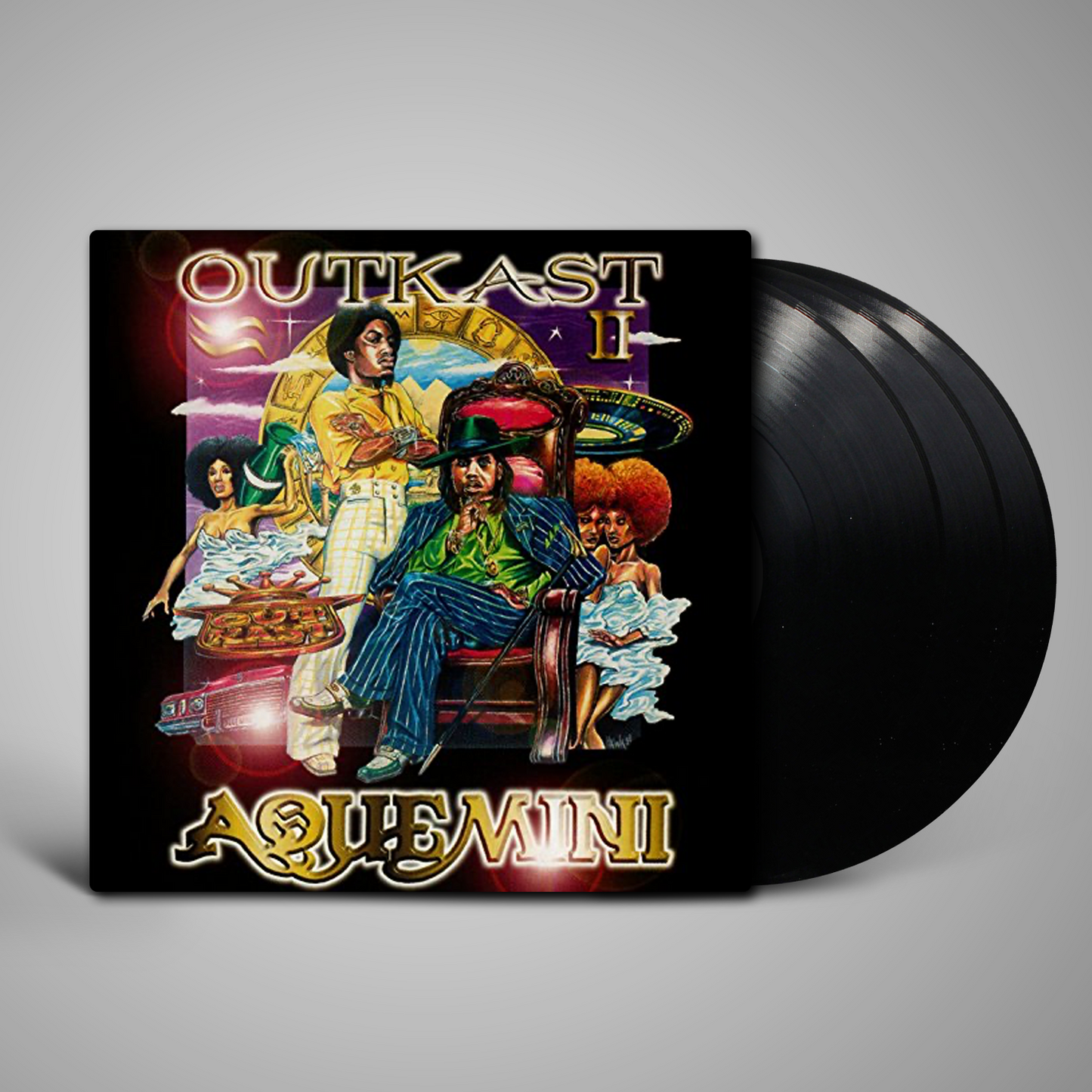
When OutKast released Aquemini on September 29, 1998, the regional debate was effectively over. This was not an Atlanta record or a Southern record in the limiting sense. This was one of the defining albums of the decade, measured against anything from anywhere.
Aquemini drew on Parliament-Funkadelic, on Southern blues and gospel, on spoken word, on something that resisted easy category. André 3000 and Big Boi were operating at full artistic capacity, and the production — a collaboration between Organized Noize, Mr. DJ, and the duo themselves — was unlike anything being made on either coast. “Rosa Parks” became the lead single, a bouncing, horn-drenched track that somehow managed to be a jubilant celebration and a meditation on civil rights iconography in the same breath. Rosa Parks herself filed suit over the song’s use of her name — the case wound through the courts for years before a settlement in 2005. The record outlasted the litigation by decades.
Aquemini didn’t just prove that the South had something to say. It proved the South had something that nobody else could say, in a voice that nobody else could produce.
What the South Gave the Golden Age
The conventional history of Golden Age hip-hop centers on New York: Illmatic, Ready to Die, The Infamous, Reasonable Doubt. That history is accurate. But it’s incomplete. The full picture includes a generation of artists from below the Mason-Dixon line who built something lasting without the co-sign, without the magazine covers, without the coastal radio play — and who spent much of the decade being actively dismissed by the institutions that should have been paying attention.
What the Geto Boys brought was psychological rawness — a willingness to examine the interior of a damaged life with literary precision. What UGK brought was regional identity as artistic statement, the insistence that your zip code was a perspective, not a limitation. What OutKast brought was a refusal to sound like anyone else, taken to its logical and spectacular extreme across three albums in four years. What No Limit and Cash Money brought was proof that you could build an empire on your own terms, from cities hip-hop wasn’t supposed to come from, without waiting for permission.
André 3000 was 20 years old when he told that booing crowd at the Source Awards that the South had something to say. He was right. The rest of the decade spent the next four years proving exactly how much — album by album, city by city, with a stubbornness and a vision that the Golden Age couldn’t have been complete without. Gen X heard it first. Everyone else caught up eventually.
Sources
The Retro Almanac
A monthly roundup of "on this day" highlights from that month, decades back — plus first dibs on new retro merch drops. No spam, just the good stuff.