The Year Hip-Hop Peaked: Inside 1994’s Untouchable Run
Sometime in the spring and fall of 1994, hip-hop quietly had its best year. There was no press release, no announcement — just an extraordinary twelve-month run of albums that, looked at together, still staggers anyone who lived through it. Illmatic dropped in April. OutKast’s debut arrived three weeks later. Gang Starr released Hard to Earn. Regulate…G Funk Era owned the summer. Ready to Die hit in September. Method Man closed the year in November. If the Golden Age of hip-hop was a season, 1994 was its sharpest afternoon — a concentrated burst of genius that has never quite been replicated.
Before 1994: The Plates Were Already Shifting
To understand why 1994 hit so hard, you have to understand what hip-hop had already accomplished by the time it arrived. Dr. Dre’s The Chronic (1992) had remapped the sound — smooth G-Funk synthesizers pulled from Parliament-Funkadelic, slow tempos, a West Coast haze that felt miles from the hard New York school of Public Enemy and Rakim. Snoop Dogg’s Doggystyle (November 1993) moved 800,000 copies in its first week. The California experiment had become a national takeover.
November 1993 also delivered A Tribe Called Quest’s Midnight Marauders and the Wu-Tang Clan’s Enter the 36 Chambers in the same month — two visions of East Coast hip-hop so different they barely shared a genre. Tribe were jazz-inflected, Native Tongues, warm. Wu-Tang were cinematic, grimy, abstract: nine men from Staten Island who sounded like they were rapping from inside a kung fu film scored by someone who had never slept. Both albums were essential. The breadth told you something important. Hip-hop in late 1993 wasn’t one thing. It was several things competing for the same radio dial.
The Retro Almanac
A monthly roundup of "on this day" highlights from that month, decades back — plus first dibs on new retro merch drops. No spam, just the good stuff.
What 1994 did was turn that competition into a summit. Everybody showed up with their best work at the same time.
April 19, 1994: A 20-Year-Old from Queensbridge Raises Every Bar
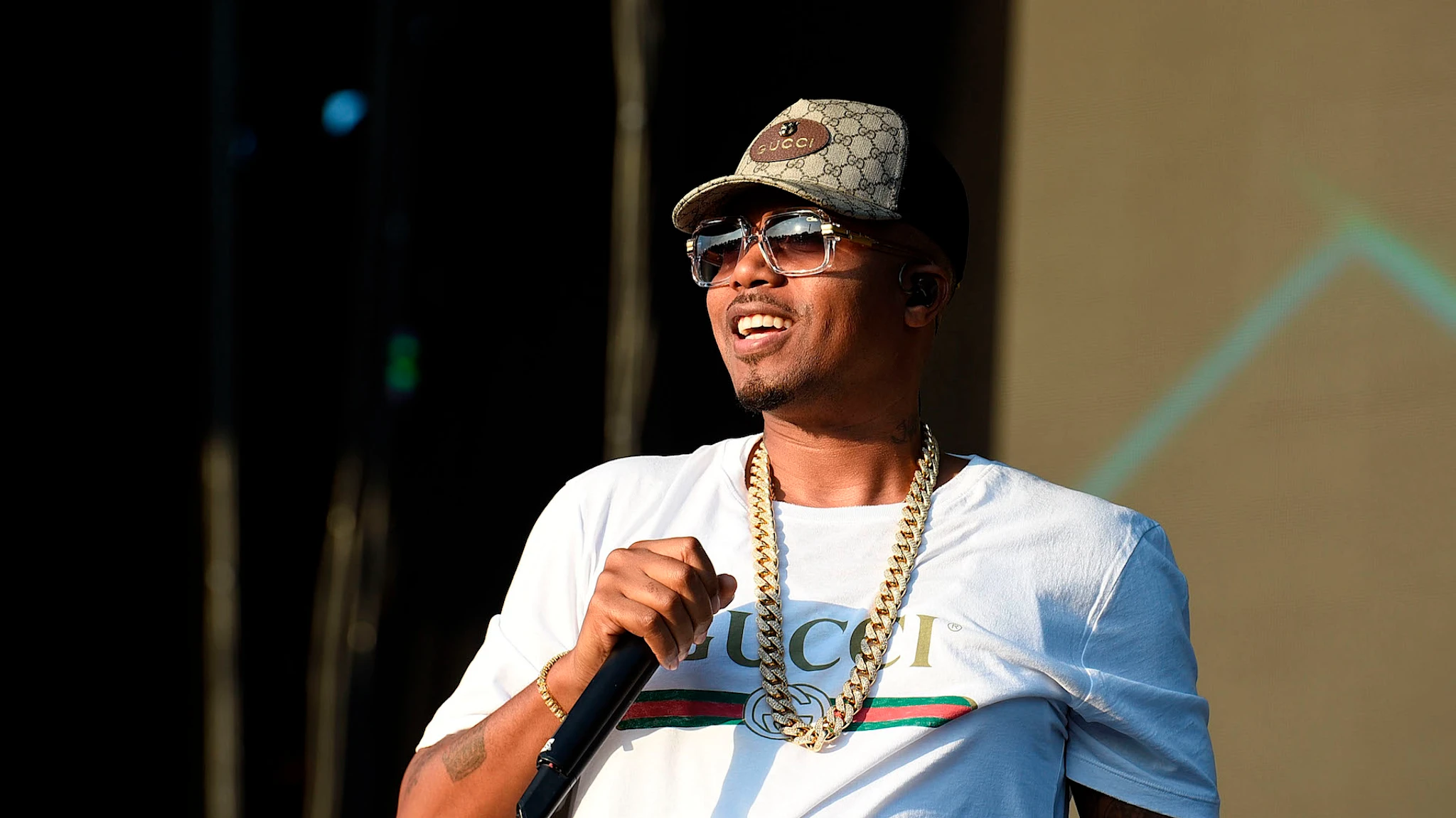
Nasir Jones was 20 years old when Illmatic dropped on Columbia Records. He had grown up in the Queensbridge Houses in Long Island City, Queens — the largest public housing project in the United States — and he rapped like someone who had already lived twice his years. The album ran 39 minutes. Nine tracks. No skits, no filler, no guest features who didn’t earn their spot. Production came from DJ Premier, Pete Rock, Q-Tip, Large Professor, and L.E.S. Just this kid moving over all of it with a density and precision that felt almost unfair.
“I never sleep, ’cause sleep is the cousin of death” — that’s how “N.Y. State of Mind” began. The album didn’t come down from that altitude. “Memory Lane (Sittin’ in da Park)” built a whole impressionist portrait of the block from a handful of sharp specifics: names, corners, moments that felt lived-in rather than performed. “One Love” was a letter to incarcerated friends — conversational, painful, somehow funny in places. “The World Is Yours” sampled Ahmad Jamal’s “I Love Music” and built something timeless around it. Critics called Illmatic a masterpiece on arrival, before the ink had dried. Three decades have not changed that verdict.
The album’s cultural gravity eventually became almost crushing — so many rappers have cited it as the benchmark that the conversation around it can feel more like scripture than music criticism. But strip away the mythology and it’s still just a 20-year-old from Queens rapping as well as anyone ever has. That’s what makes it the cornerstone of Golden Age hip-hop.
Three Weeks Later, Atlanta Walked In
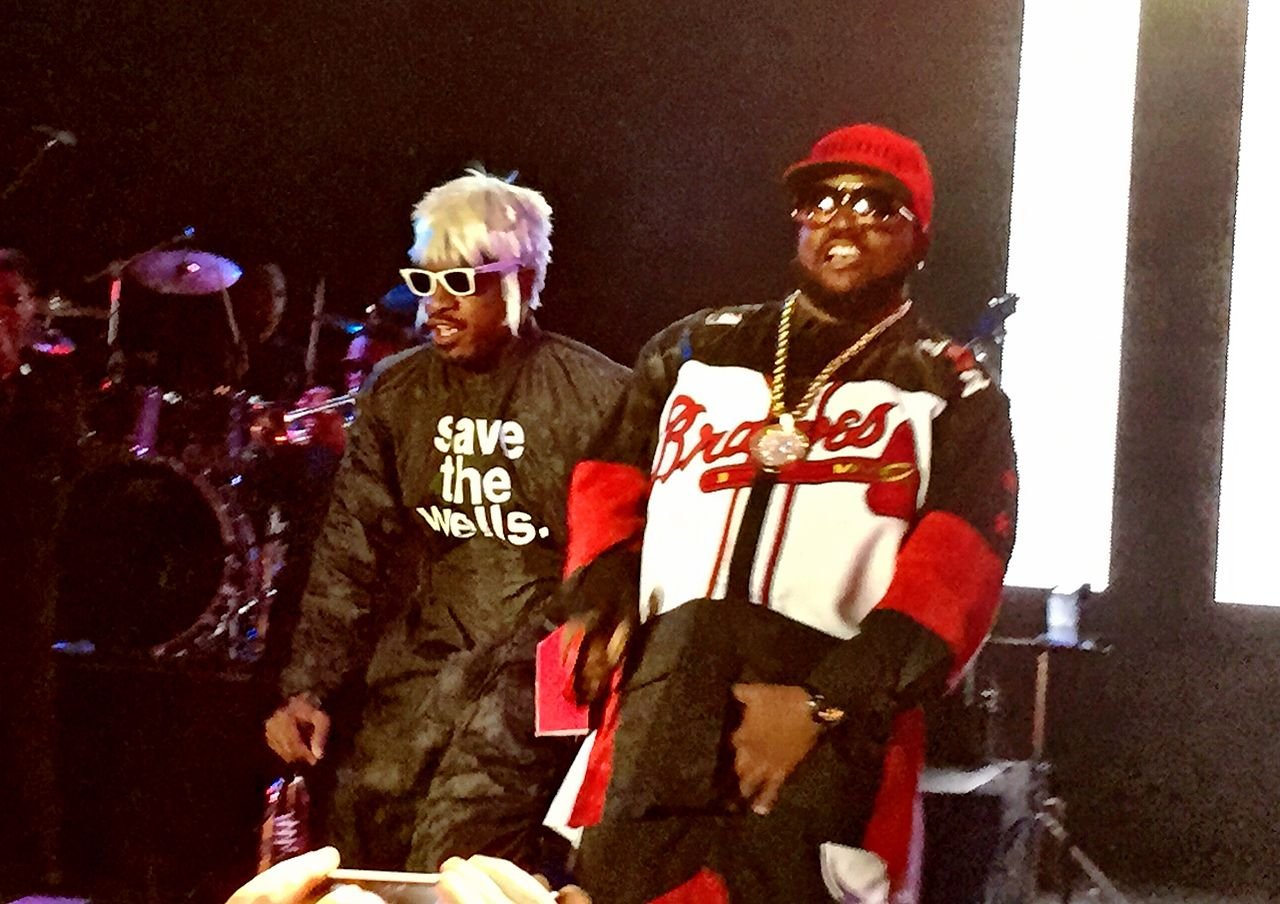
On April 26, 1994 — three weeks after Illmatic — Atlanta’s LaFace Records released Southernplayalisticadillacmuzik, the debut album from two teenagers named André Benjamin and Antwan Patton. Their group was OutKast. The hip-hop world, organized almost entirely around New York and Los Angeles as gravitational centers, barely knew what to do with them.
They wore fedoras and bell-bottoms. Their production style — slow, booming, built by Organized Noize — owed something to Southern funk and nothing to either coast’s blueprint. Their lead single, “Player’s Ball,” had already reached number one on the Billboard Hot Rap Singles chart on Christmas Day 1993. But none of that prepared anyone for how good the album was, or for how the industry would respond when they tried to celebrate it.
When OutKast picked up the Source Award for Best New Rap Group in 1995, the New York-heavy crowd booed. André 3000 stepped to the mic and said, quietly and firmly: “The South got something to say.” He was right. But in April 1994, the proof was already on wax — and it had arrived in the same week as the album that would become hip-hop’s most praised debut.
Summer Belonged to Warren G and the Long Beach Groove
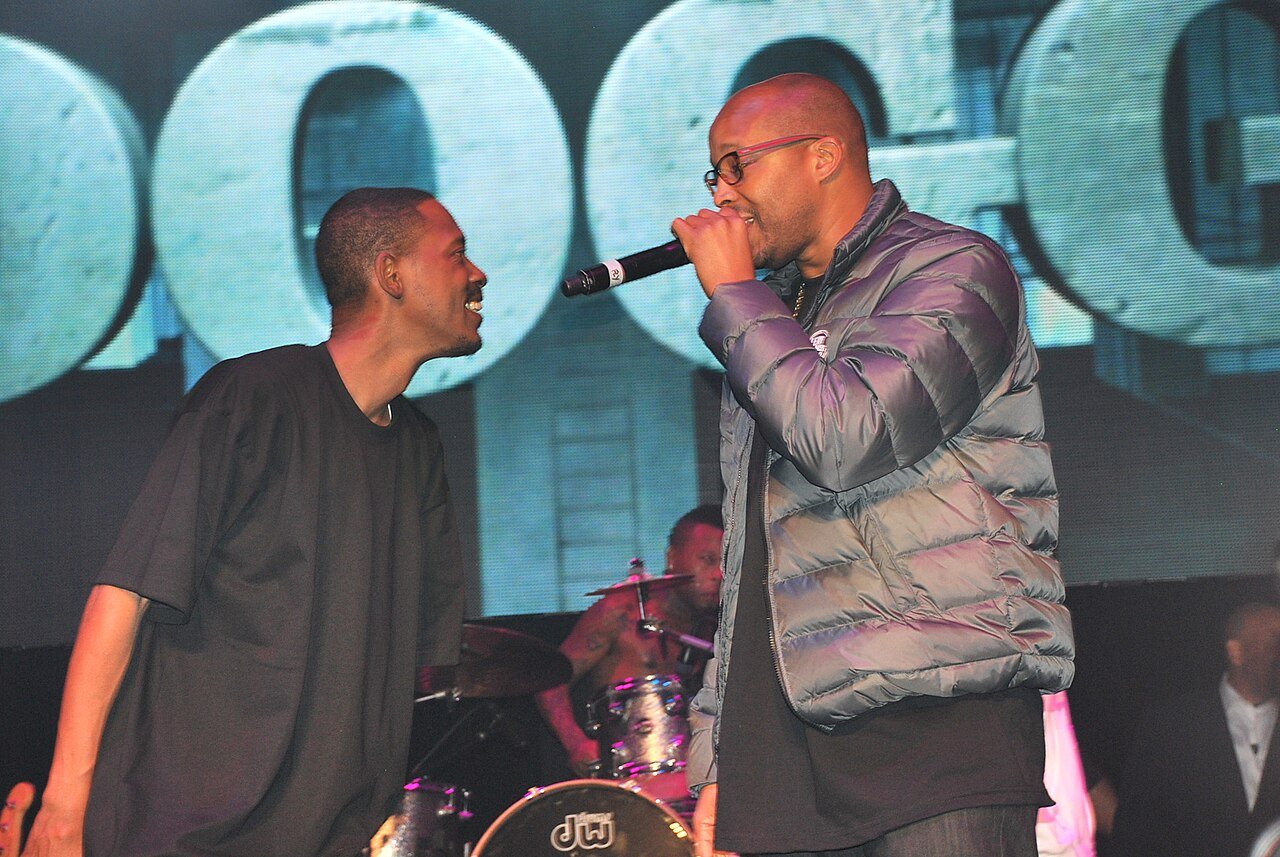
Dre’s G-Funk wave was still moving product when Warren G — Dr. Dre’s stepbrother, a Long Beach native — released Regulate…G Funk Era in June 1994. The title track, a duet with Nate Dogg built over a sample of Michael McDonald’s “I Keep Forgettin’ (Every Time You’re Near),” became the sound of that particular summer.
The song told a complete short story: Warren gets robbed at gunpoint on the east side of Long Beach. Nate Dogg materializes. Justice, of a certain kind, is served. It was rap as folk tale, pulled along by one of the most hypnotic bass lines in pop history. The album went platinum. “Regulate” still plays at cookouts across America more than thirty years later. Some grooves are simply permanent.
September Brought Biggie and the Birth of Bad Boy
If Illmatic was the document of lyricism at its ceiling, Ready to Die — released September 13, 1994 — was something different: a debut album from Christopher Wallace (The Notorious B.I.G.) that had the scope and ambition of a major film. Produced largely by Sean “Puffy” Combs and Chucky Thompson, it moved between commercial accessibility and brutal, unhurried storytelling without apparent effort. “Juicy” sampled Mtume’s “Juicy Fruit” and was practically a radio ballad. “Big Poppa” was a love song with a shrug. “Warning” and “Everyday Struggle” documented a world of constant danger and moral complexity without flinching from either.
Biggie was 22 years old. He rapped like he had already lived all of his stories twice. His voice — deep, always a half-step behind the beat, unhurried in a way that felt like threat rather than laziness — sounded like no one else in the game. The album debuted at number 15 on the Billboard 200 and kept climbing. “Ready to Die” launched Bad Boy Records as the East Coast’s answer to Death Row. What came next — the rivalry, the escalation, the deaths — is well documented. But it started here, in September 1994, with one album that proved a fat kid from Brooklyn could be the best rapper alive.
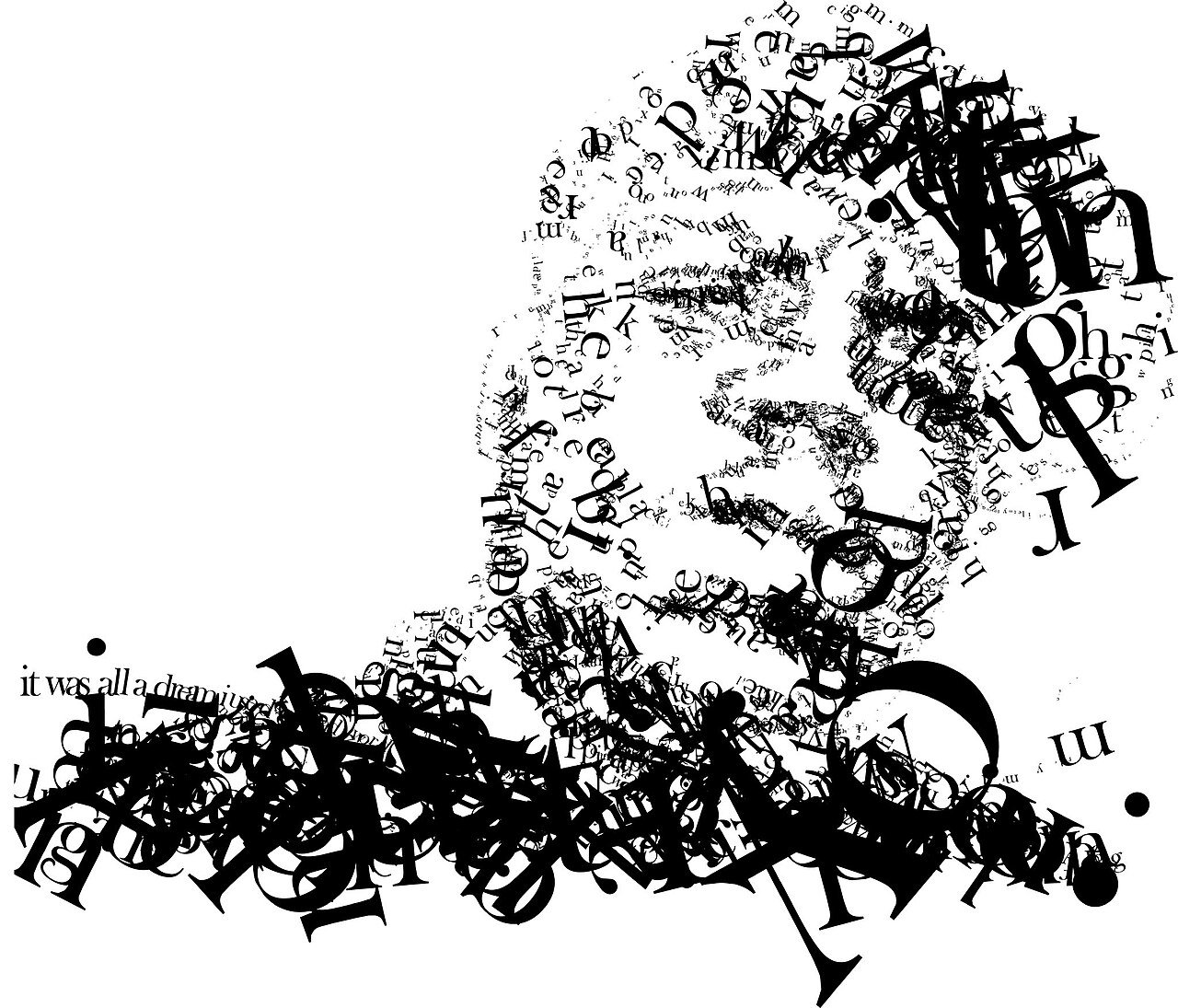
The Rest of the Year Filled In the Gaps
Even without Illmatic, OutKast’s debut, Warren G, and Ready to Die, 1994 would have been a significant year in hip-hop. Gang Starr dropped Hard to Earn in March — DJ Premier’s production at its most stripped and confrontational, Guru’s flat, authoritative voice riding sample-heavy minimalism like it was a natural surface. Jeru the Damaja’s The Sun Rises in the East (May), produced entirely by Premier, felt like a thesis statement for what underground hip-hop could achieve when it refused to chase radio.
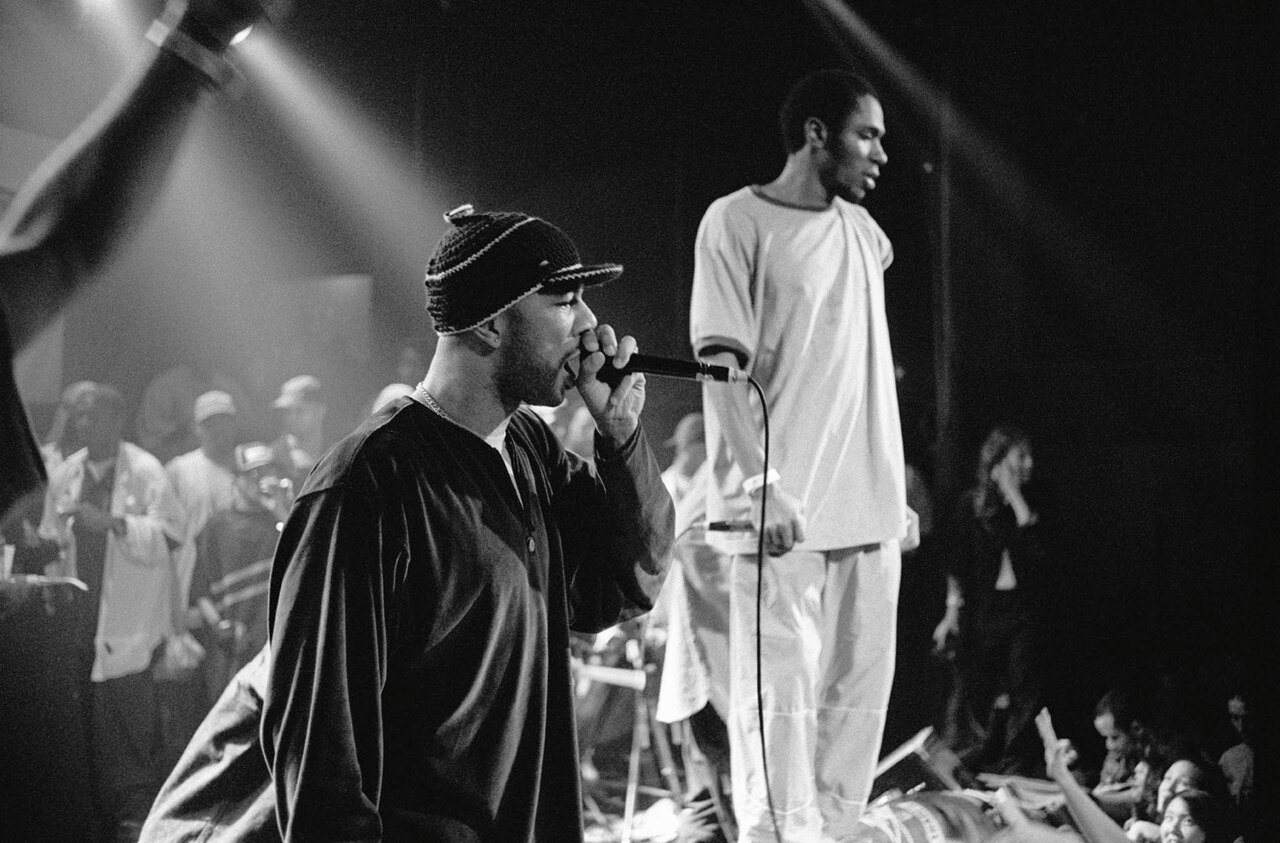
Method Man’s Tical arrived in November as the first solo Wu-Tang release. RZA’s dark production turned it into something that sounded less like a rap album and more like the score to a martial arts nightmare set in Staten Island stairwells. Common’s Resurrection, also October 1994, gave Chicago its clearest Golden Age voice, including “I Used to Love H.E.R.” — an extended metaphor in which hip-hop itself is the woman Common watched compromise and change over the years, a track so elegantly constructed that it functions simultaneously as a love song and a cultural autopsy.
The density of that list — in a single calendar year — is almost absurd in retrospect. No other twelve months in hip-hop history comes close.
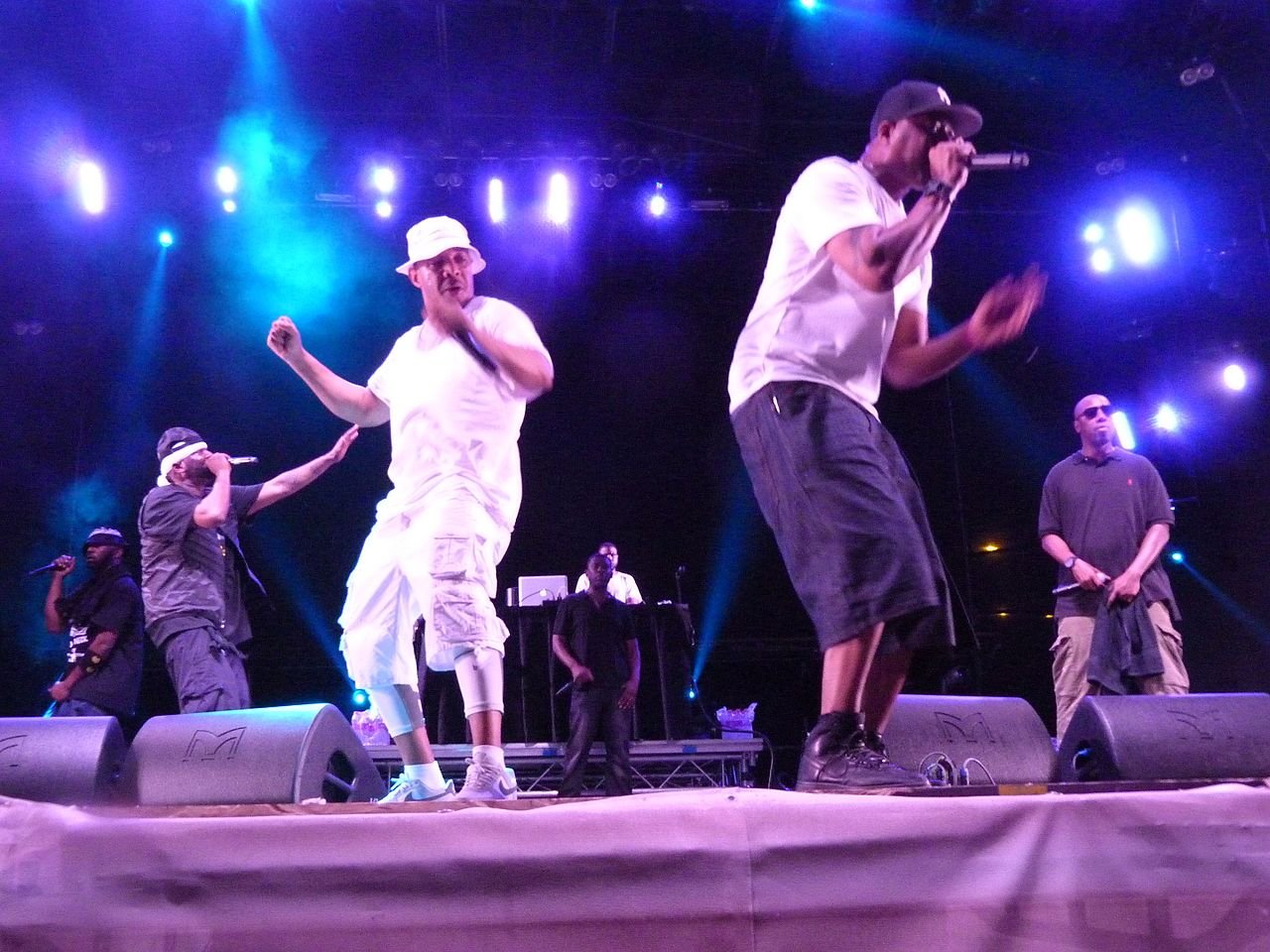
Why the Golden Age Had to End
The Golden Age of hip-hop — loosely 1988 to 1996, with 1994 at its peak — ended not because the talent dried up, but because the stakes became impossible to manage. Bad Boy and Death Row became empires with real money and real grudges. The Biggie-versus-Tupac rivalry, which started almost playfully, escalated through 1995 and into 1996 into something genuinely lethal. Tupac was shot and killed in September 1996 at 25 years old. Biggie was murdered six months later in March 1997 at 24.
The music didn’t die with them. Nas kept releasing strong work. Jay-Z arrived in 1996 and immediately commanded the conversation. Lauryn Hill’s The Miseducation of Lauryn Hill in 1998 proved the form could still reach those heights. But the particular conditions of the early-to-mid 1990s — the creative urgency, the sense that hip-hop was still building an argument, still proving its legitimacy against a mainstream that hadn’t fully accepted it — those conditions were gone. Hip-hop had become the dominant commercial force in American music. The hunger that produced 1994 was replaced by something more institutional.
What the Golden Age Actually Was
The phrase “Golden Age hip-hop” gets applied loosely now, stretched to cover anything from the late 1980s through the mid-1990s depending on who you ask. But what it actually describes is a specific window: when lyrical skill was the primary currency, when producers were still freely sampling the record collections of the previous thirty years before lawsuits tightened that practice into near-impossibility, and when the music still felt like it had something to prove to a world that hadn’t fully decided whether it was art.
Illmatic mattered because it was undeniable — you couldn’t argue against it on any metric. Ready to Die mattered because it was irresistible — it met you where you were and then took you somewhere harder. OutKast mattered because they showed up from a place that wasn’t supposed to produce this kind of music, and they were better than the people who booed them. Gang Starr and Jeru the Damaja mattered because they treated hip-hop like literature and expected the audience to meet them there. Common mattered because he was already writing its eulogy and making it sound beautiful.
That’s the Golden Age. Not a list of classic albums — a moment when hip-hop was still becoming itself, and everyone making it understood the window might close. In 1994, they all pushed through it at the same time.
Sources
- Wikipedia — Illmatic
- Wikipedia — Ready to Die
- Wikipedia — Southernplayalisticadillacmuzik
- Wikipedia — Golden Age Hip-Hop
- Rolling Stone
The Retro Almanac
A monthly roundup of "on this day" highlights from that month, decades back — plus first dibs on new retro merch drops. No spam, just the good stuff.