The Native Tongues: How De La Soul, A Tribe Called Quest, and Friends Rewrote the Rules of Rap
Walk into any argument about the best era of hip-hop and someone will eventually bring up guns, gold chains, or coastal beef. Fair enough — that stuff sold records. But tucked inside the same Golden Age, running parallel to the hardest stuff on the radio, was a looser, weirder, warmer scene that never needed a mugshot to make headlines. They called themselves the Native Tongues, and for about six years in the late 1980s and early ’90s, they proved rap could be playful, jazzy, and unapologetically strange without losing an ounce of credibility.
There was no record deal that created the Native Tongues, no manager who drew up the roster. It was closer to a friendship that happened to make classic albums. And more than thirty years later, the fingerprints of that friendship are still all over hip-hop — you just have to know where to look.
A Different Kind of Crew Forms in Queens and Brooklyn
The story starts with the Jungle Brothers, a trio out of Harlem who dropped Straight Out the Jungle in 1988 on the independent label Warlock Records. It wasn’t a huge commercial hit, but it did something that mattered more in the long run — it fused hip-hop with house music and Afrocentric imagery at a moment when most rap was still leaning hard on boom-bap minimalism. The Jungle Brothers weren’t trying to be tough. They were trying to be interesting.
The Retro Almanac
A monthly roundup of "on this day" highlights from that month, decades back — plus first dibs on new retro merch drops. No spam, just the good stuff.
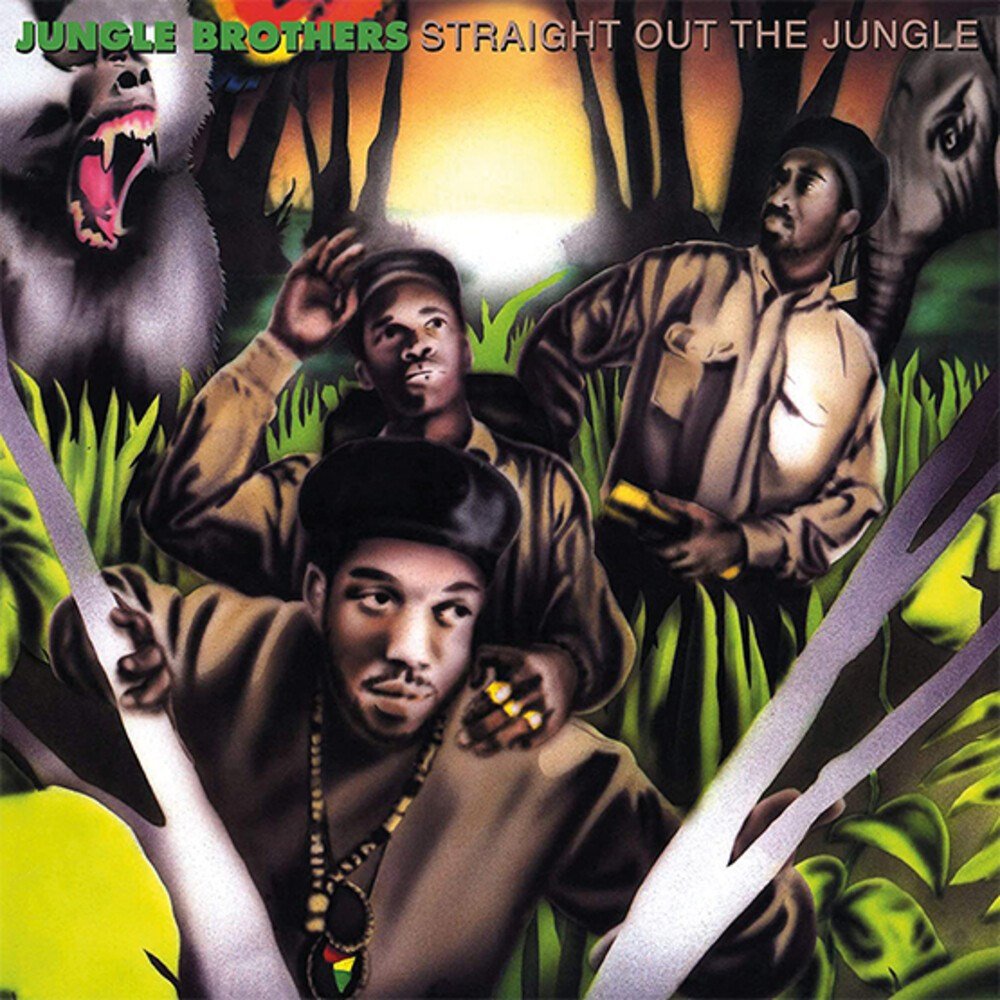
That same restless curiosity found its way to a group of Long Island teenagers who called themselves De La Soul. Working with producer Prince Paul, De La Soul released 3 Feet High and Rising in 1989 — a record built from game-show samples, French language tapes, and inside jokes, stitched together with a sense of humor nobody in rap had really attempted before. It sounded like nothing else on the radio, and critics didn’t quite know what to do with it, so they reached for the easiest label available: hippie rap.
Around the same time, a Queens crew led by a soft-spoken MC named Q-Tip was finishing their own debut. A Tribe Called Quest’s People’s Instinctive Travels and the Paths of Rhythm dropped in 1990, and between the three groups — Jungle Brothers, De La Soul, and Tribe — a shared sensibility was obvious. They sampled jazz instead of just funk breaks. They rapped about self-respect and community instead of just conquest. And they started showing up on each other’s records, trading verses and shout-outs like family.
The Daisy Age and the Backlash It Got
De La Soul gave the whole aesthetic a name: the D.A.I.S.Y. Age, shorthand for “Da Inner Sound, Y’all.” Album art leaned on flower-power colors instead of gold chains. Posdnuos and Trugoy the Dove rapped in loose, associative rhyme schemes that felt more like conversation than boasting. It was disarming, and for a genre that had spent the late ’80s proving it could be as hard-edged as rock or punk, that disarming quality made some listeners suspicious.
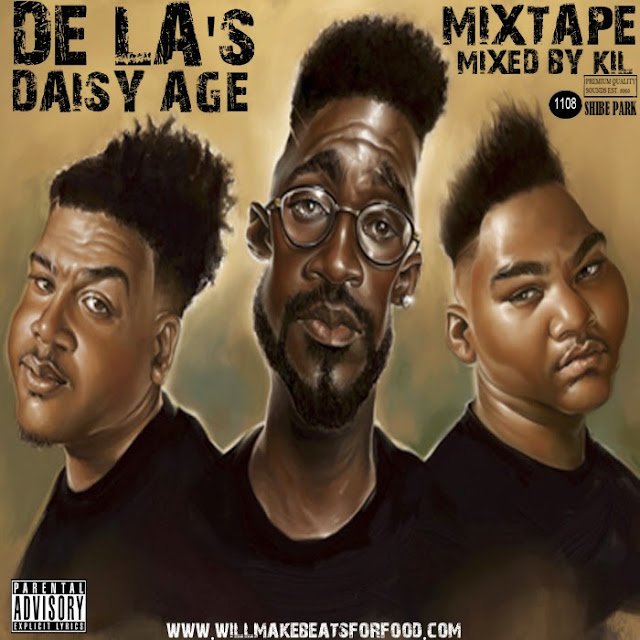
The backlash arrived fast. Media outlets slapped the “hippie rap” tag on the whole Native Tongues orbit, treating flowers and humor as somehow less legitimate than battle rhymes. De La Soul pushed back hard on their 1991 follow-up, De La Soul Is Dead, whose cover swapped the sunny daisy pot for a shattered one. The message was blunt: don’t mistake warmth for weakness, and don’t box us in because we didn’t come with mean mugs on the cover.
Q-Tip, Jazz Samples, and the Sound That Became “Jazz Rap”
If one record crystallized what the Native Tongues were capable of, it was A Tribe Called Quest’s The Low End Theory, released in September 1991. Q-Tip and producer Ali Shaheed Muhammad built the album around upright bass and vinyl-thin jazz loops, and they even brought in legendary bassist Ron Carter to play live on the track “Verses from the Abstract.” It was the first time a mainstream hip-hop record treated jazz musicianship as a collaborator rather than just a sample source.
The Low End Theory also carried “Check the Rhime,” a song that doubled as a mission statement for the whole collective — MCs trading lines about industry rule number four thousand and eighty, staying true to the culture instead of chasing whatever was selling that month. Critics who had dismissed the Daisy Age as soft had no such excuse with this record. It was lean, sharp, and it became one of the most sampled and studied albums in hip-hop history.
Queen Latifah and the Women Who Made the Native Tongues Whole
No account of the Native Tongues is complete without Queen Latifah, whose 1989 debut All Hail the Queen shared the same Afrocentric, jazz-inflected DNA as her male counterparts, but pointed it squarely at hip-hop’s treatment of women. “Ladies First,” her collaboration with British MC Monie Love, remains one of the era’s most quoted records — two women trading verses over a track that refused to ask permission to take up space.
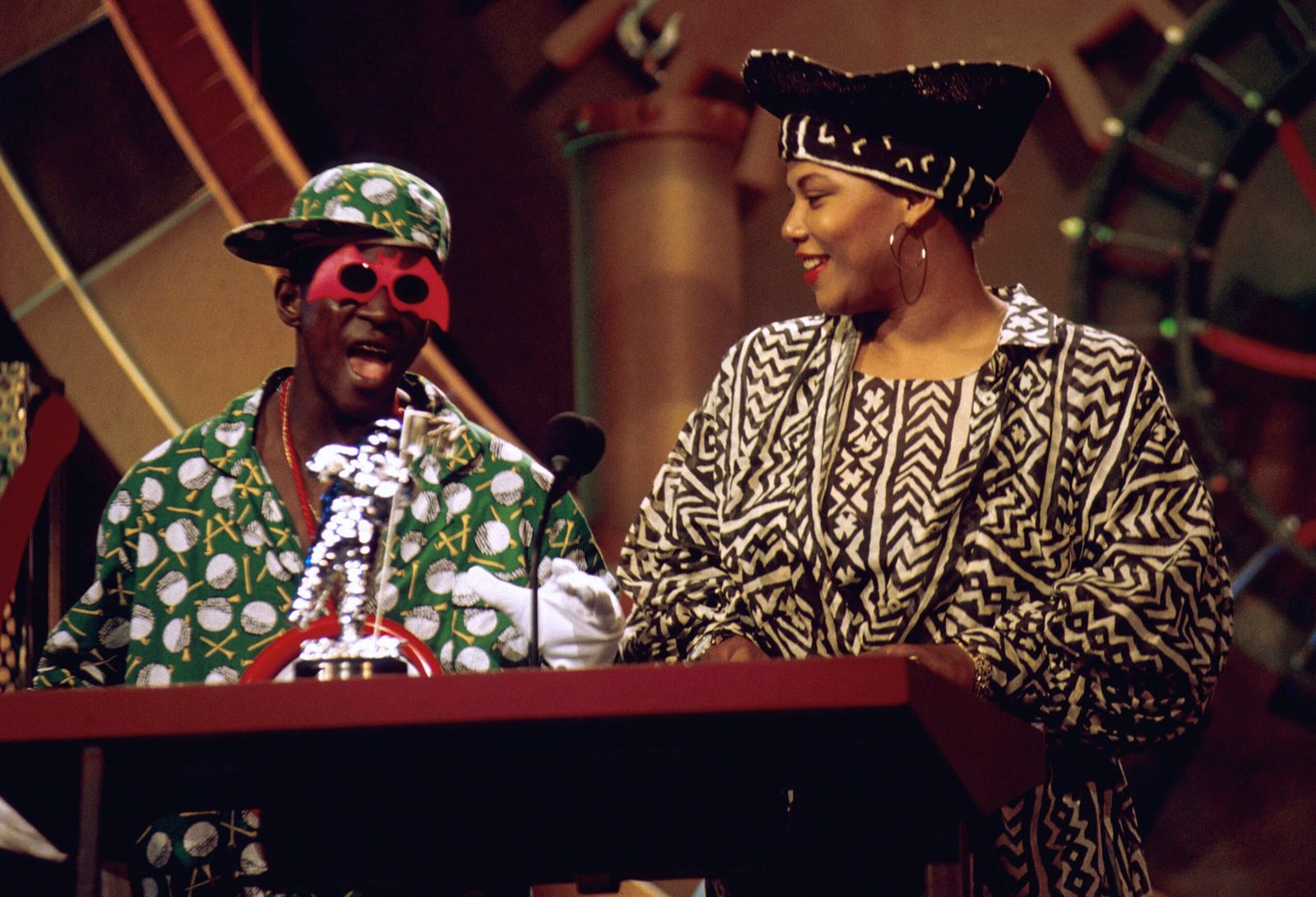
Monie Love herself became an honorary Native Tongue, appearing on Jungle Brothers and De La Soul tracks and helping stretch the collective’s reach across the Atlantic. Between Latifah’s regal confidence and Monie Love’s rapid-fire delivery, the women of the Native Tongues weren’t a footnote to the movement — they helped define its politics as much as its sound.
The Extended Family: Black Sheep, Chi-Ali, and the Loose Rules of Belonging
Part of what made the Native Tongues so hard to define was that membership was never official. Black Sheep, a duo best known for the 1991 single “The Choice Is Yours,” fell into the circle through friendship and shared studio time rather than any signed agreement. Teenage rapper Chi-Ali, mentored by the crew, released his lone album under their loose umbrella in 1992. Even Monie Love and, later, a young Brooklyn MC named Mos Def moved through the same orbit without ever needing a formal induction.
That looseness was the point. In an industry that was rapidly consolidating around major-label rosters and regional rivalries, the Native Tongues operated more like an artist collective than a business. You didn’t join. You just showed up on the right records, at the right studio sessions, with the right sensibility, and eventually people started including you in the family photo.
Growing Apart in the Golden Age’s Second Half
By the time A Tribe Called Quest released Midnight Marauders in 1993, the collective’s original tight-knit energy was already starting to loosen for a different reason — success. Tribe was selling platinum. De La Soul was carving out a more experimental, insular path. The Jungle Brothers struggled to match their early momentum commercially. Solo ambitions, label pressures, and simply growing up pulled the original crew in different directions, the same way it eventually pulled apart almost every hip-hop collective of the era.
There was no dramatic breakup, no diss tracks fired between former friends. The Native Tongues simply stopped being a daily creative unit and became something closer to an alumni network — artists who still popped up on each other’s records occasionally, still credited each other as influences, but were no longer building albums together in the same room.
The Legacy That Outlived the Collective
The influence didn’t fade with the friendship. By the late ’90s, a new generation of Brooklyn MCs was picking up the same playbook. Mos Def and Talib Kweli’s Black Star project, released in 1998, leaned directly on the jazz-sample, community-first blueprint the Native Tongues had built a decade earlier. Common, who had feuded publicly with Ice Cube over similar territory, found his own version of the same conscious, sample-rich sound. Producers like J Dilla, who idolized A Tribe Called Quest, carried that sensibility into the 2000s and reshaped it for a new generation of rappers and neo-soul artists alike.
What the Native Tongues really proved was that the Golden Age was never just one sound. For every record built on menace, there was one built on a Rhodes piano loop and an inside joke, and both were true to the era at the same time. Three decades on, you can hear the Daisy Age in bedroom-pop rap producers, in Kendrick Lamar’s jazz collaborators, in every group of friends who decided the only rule of the crew was that there weren’t any. That’s not a bad legacy for a movement that never even had a business card.
Sources
The Retro Almanac
A monthly roundup of "on this day" highlights from that month, decades back — plus first dibs on new retro merch drops. No spam, just the good stuff.