Bottled Water vs Tap Water: How Perrier, Evian, and Aquafina Built a $300 Billion Industry
Remember when the idea of paying money for water would have gotten you laughed out of the room? Your parents would have looked at you like you’d lost your mind. “There’s a perfectly good faucet right there,” your dad would say, pointing at the kitchen sink with genuine confusion on his face. Yet here we are, living in a world where the bottled water industry generates over $300 billion annually, and people will actually pay $5 for a bottle of something that falls from the sky for free.
The transformation from free tap water to premium lifestyle accessory is one of the greatest marketing stories ever told. It didn’t happen overnight. It took decades of brilliant advertising, celebrity endorsements, and some genuinely genius brand positioning to convince an entire civilization that the stuff coming out of their faucet just wasn’t good enough anymore.
Perrier Water Started the Revolution in the 1970s
If you want to pinpoint the exact moment Americans started thinking about water as something worth buying, you need to look at Perrier. The French sparkling water brand had been around since 1898, but it was a niche European thing for most of its existence. Then came the 1970s health craze, and suddenly everything changed.
Perrier’s American invasion started in 1977 when they hired Orson Welles — yes, THAT Orson Welles — to narrate their commercials. The guy who made Citizen Kane was now telling Americans about sparkling water, and somehow it worked beautifully. His deep, authoritative voice made drinking Perrier sound like the most sophisticated thing a person could do. The ads ran during prime time, and suddenly the green bottle started showing up at dinner parties across Manhattan and Beverly Hills.
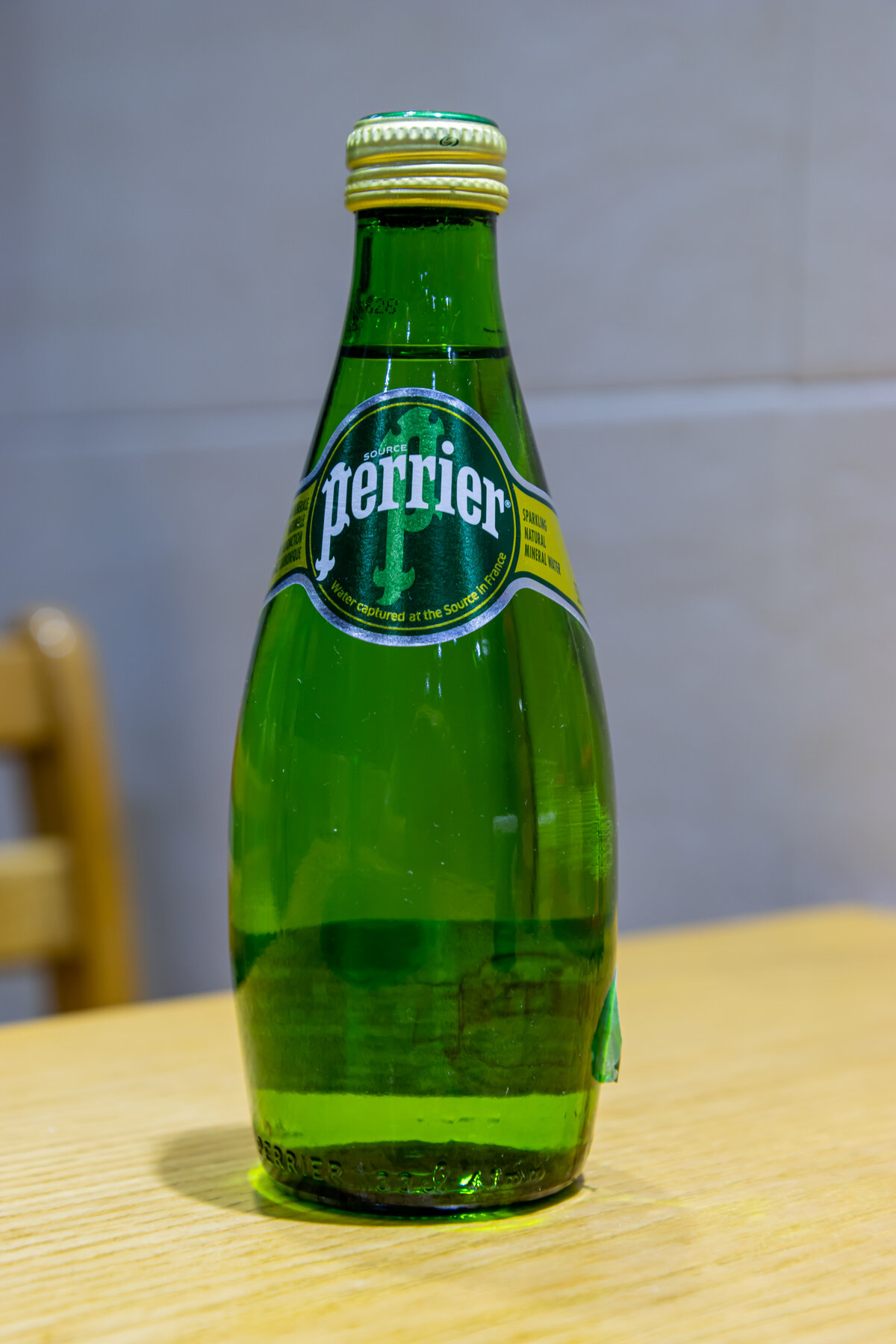
The genius of Perrier’s marketing was positioning water as a status symbol. They didn’t sell hydration — they sold class. Ordering Perrier at a restaurant meant you were worldly, health-conscious, and probably drove a BMW. By 1979, Perrier was selling 200 million bottles annually in the United States alone. The New York Times reported in 1983 that New York City appeared to be “drowning in a sea of carbonated waters.” The tap water backlash had officially begun.
Between 1977 and 1985, bottled water sales in America quadrupled. That’s not a typo. They literally multiplied by four in less than a decade, and Perrier was leading the charge with their distinctive green bottles and French sophistication.
Evian Turned Water Into a Fitness Accessory
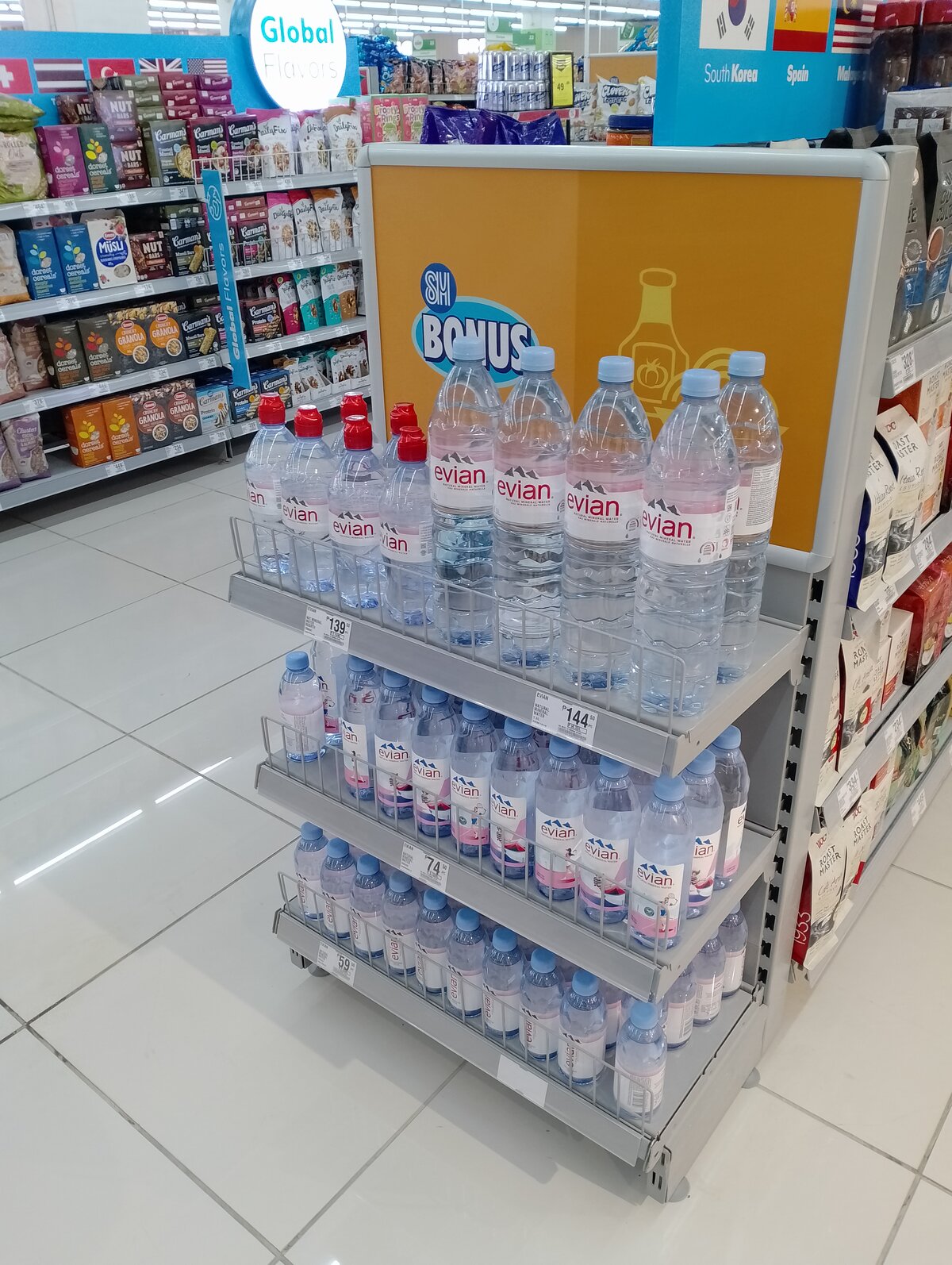
If Perrier made bottled water fancy, Evian made it cool. The French Alpine spring water brand had been bottling since 1826, marketing itself primarily on the supposed health benefits of its mineral-rich source. But in the 1980s, Evian’s marketing team had a revelation: fitness culture was exploding, and everyone needed something to drink after their Jane Fonda workout.
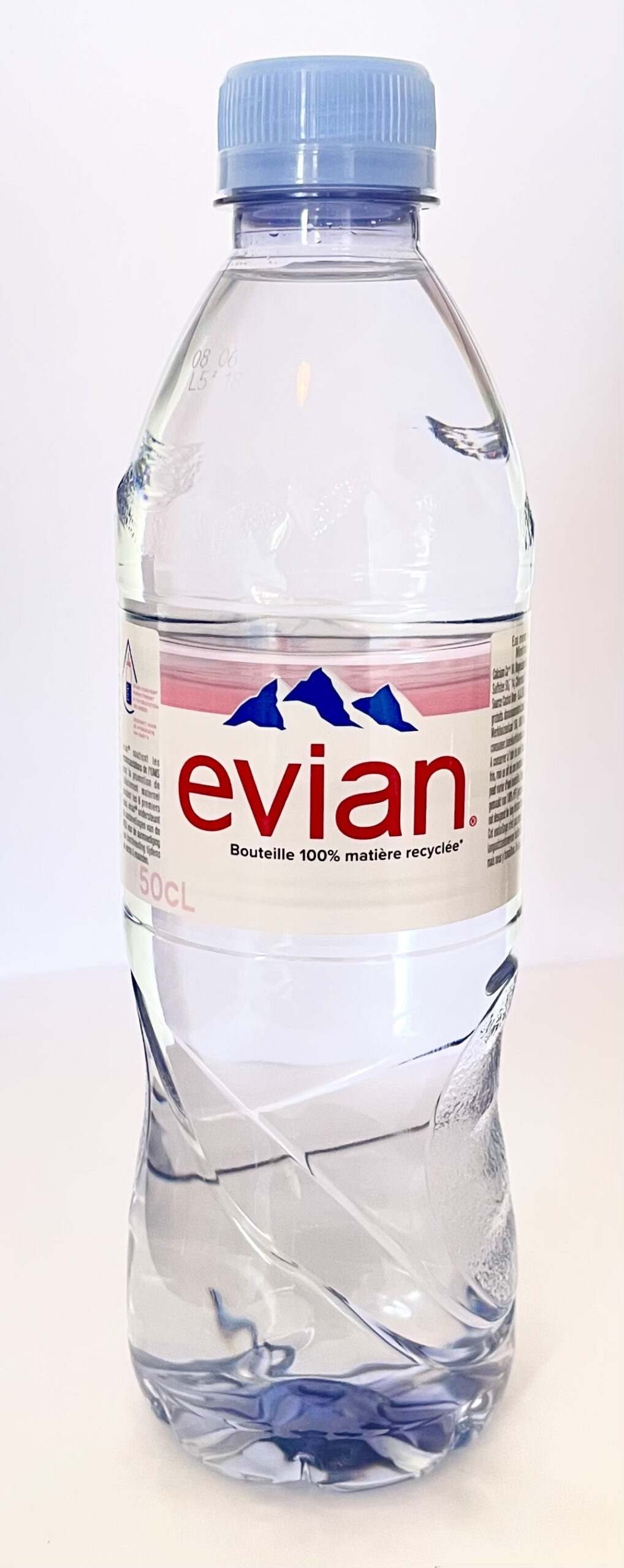
Evian repositioned itself as the ultimate post-workout drink. Their 80s commercials were hilariously over-sexualized — think glistening bodies in leotards, dramatic slow-motion water pouring, and enough synthesizer music to score a Miami Vice episode. It was ridiculous and it was absolutely effective. Evian became the water you carried to the gym, the water you kept on your desk at work, the water that proved you took your health seriously.
The brand also pioneered something crucial: the portable plastic bottle. Before Evian popularized their signature clear plastic bottle design, most bottled water came in glass. Making it plastic meant you could throw it in your gym bag, carry it while jogging, or keep it in your car. This simple packaging change basically invented the bottled water industry as we know it today.
The Tap Water Fear Campaign Nobody Talks About
Here’s the part of the bottled water story that doesn’t get enough attention. The industry didn’t just convince people that bottled water was better — they convinced people that tap water was dangerous. And some of that fear wasn’t entirely manufactured.
In 1993, a cryptosporidium outbreak in Milwaukee’s water supply made 400,000 people sick and killed 69. It was the largest documented waterborne disease outbreak in United States history, and it scared the absolute daylights out of everyone who saw it on the nightly news. Bottled water sales spiked immediately and never came back down.
But even before Milwaukee, the bottled water companies were running what amounted to a quiet PR campaign against municipal water. Magazine ads showed crystal-clear mountain springs next to grimy urban pipes. The implication was obvious: your city’s water comes from somewhere sketchy, but our water comes from a pristine Alpine paradise. The fact that most Americans couldn’t tell the difference in blind taste tests didn’t matter. Perception was everything.
The Natural Resources Defense Council later revealed that roughly 25% of bottled water was literally just repackaged tap water. Think about that for a second. People were paying a 1,000% markup for the same water coming out of their kitchen faucet, just in a fancier container.
Aquafina and Dasani Turned Water Into a Grocery Staple
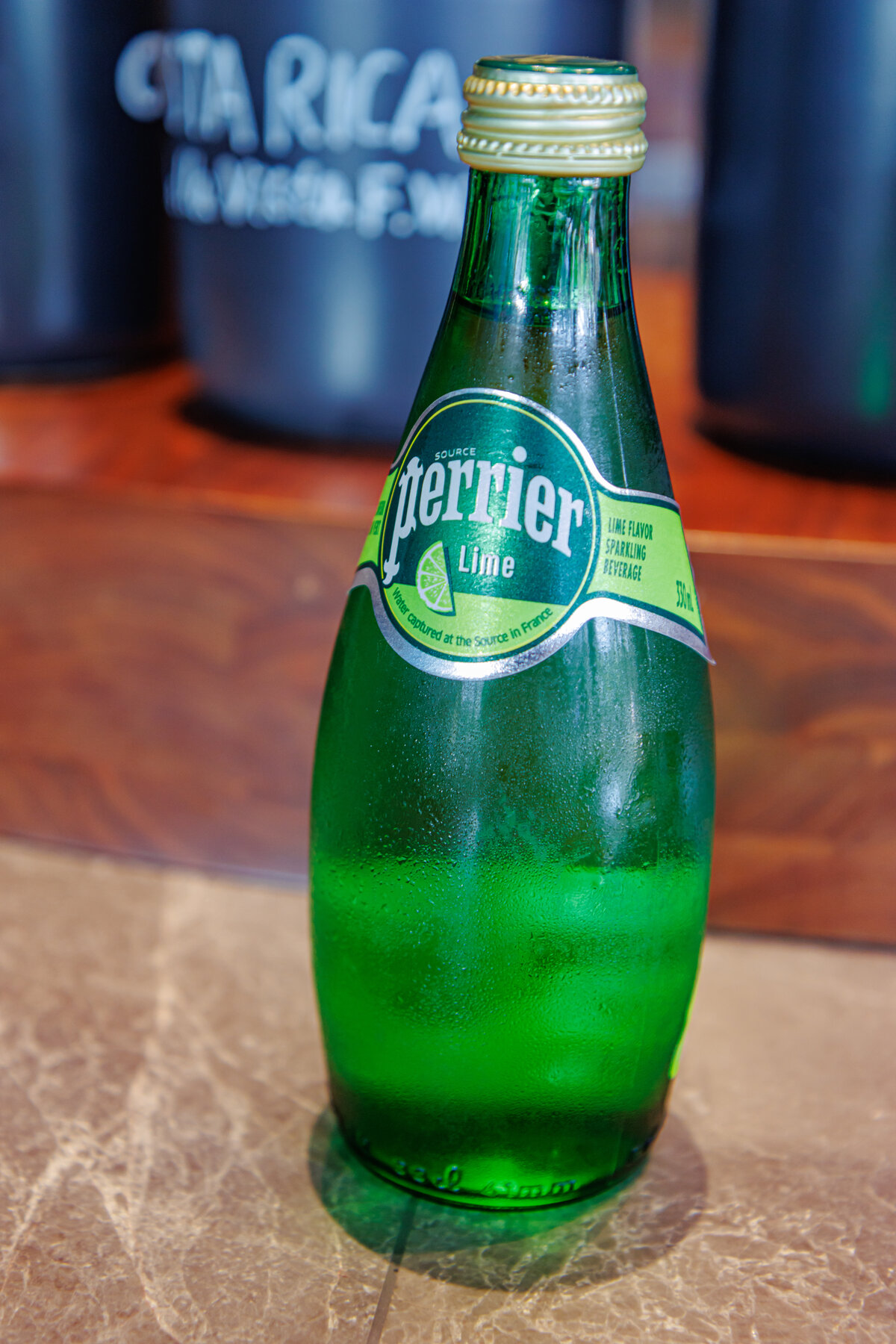
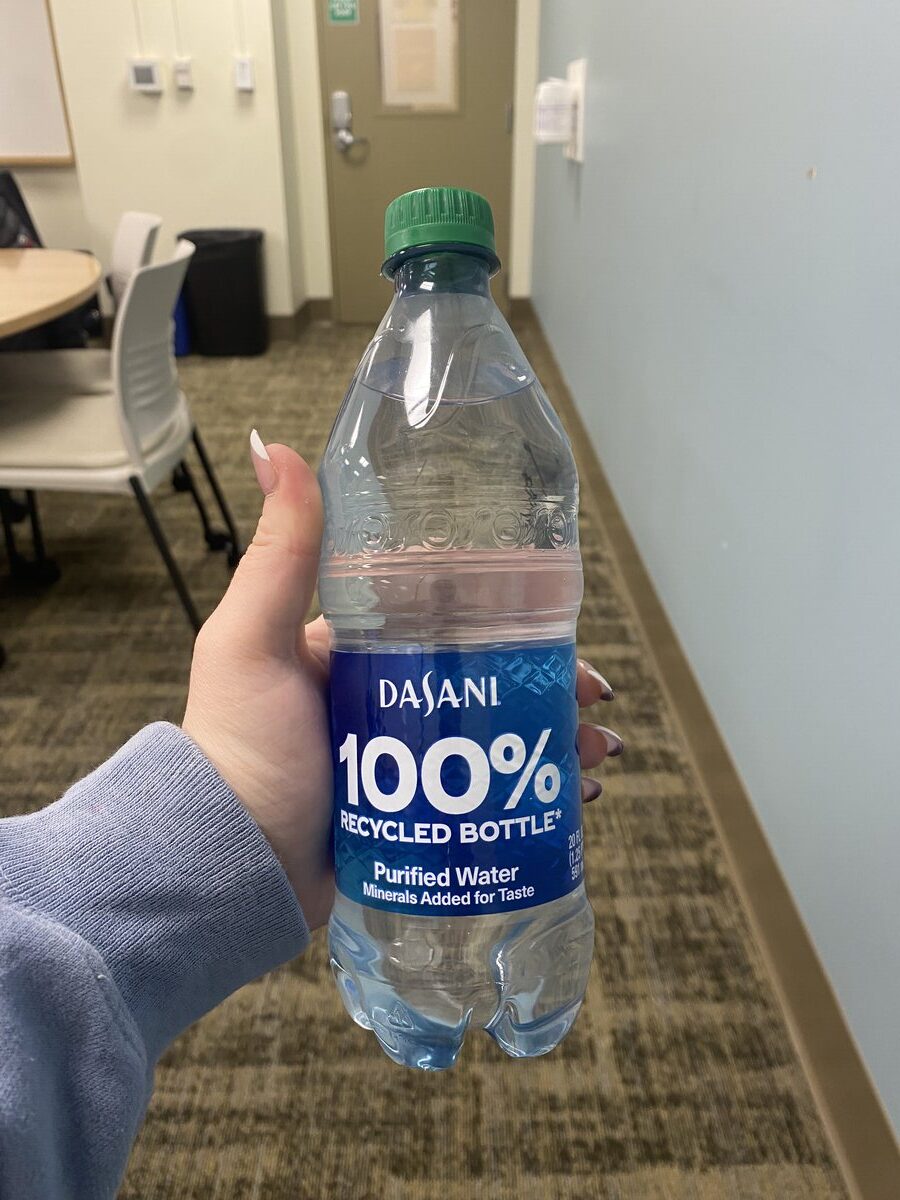
The late 1990s brought the real game-changers: PepsiCo’s Aquafina (launched 1994) and Coca-Cola’s Dasani (launched 1999). These weren’t European luxury imports. These were mass-market products from the same companies that made your Pepsi and Coke, and they changed absolutely everything about the bottled water business.
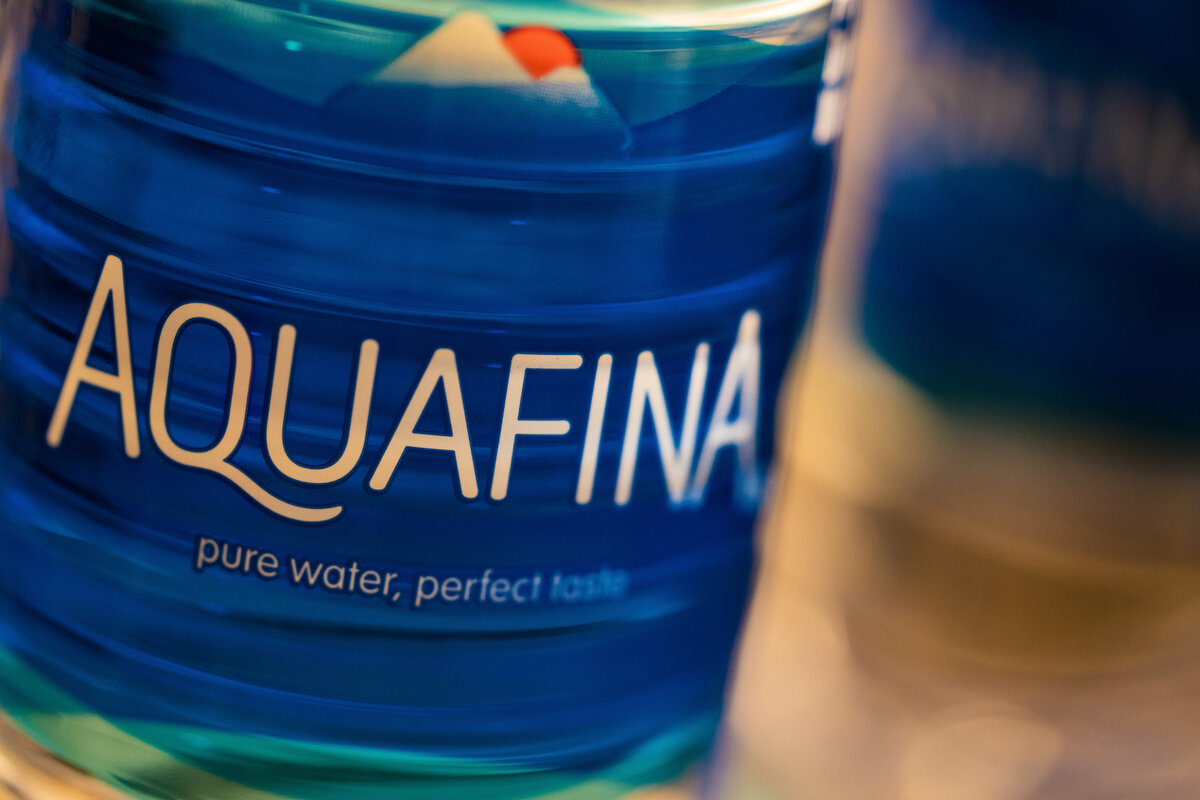
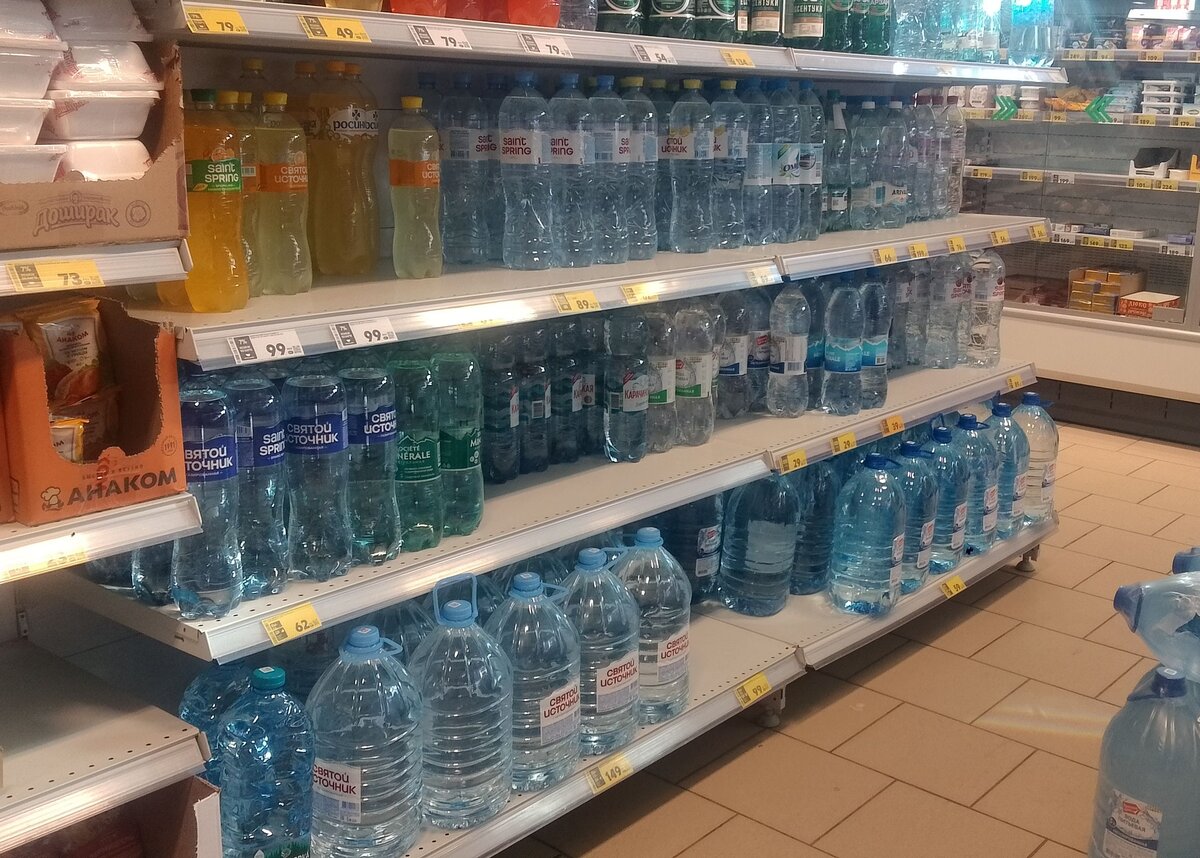
Aquafina and Dasani had one massive advantage over Perrier and Evian: distribution networks. Pepsi and Coke already had their products in every gas station, grocery store, vending machine, and school cafeteria in America. Adding a water bottle to that existing infrastructure was basically free money. Within a few years, you literally couldn’t walk ten feet without seeing bottled water for sale.
The pricing strategy was diabolical in its simplicity. A 20-ounce bottle of Aquafina cost about $1.50. That’s roughly 10,000 times the cost of the same amount of tap water. But it was cheap enough that nobody really thought about it. You’d grab a bottle at the gas station without blinking, the same way you’d grab a pack of gum. And that was exactly the point — making bottled water an impulse purchase rather than a conscious decision.
The Premium Water Arms Race Got Ridiculous
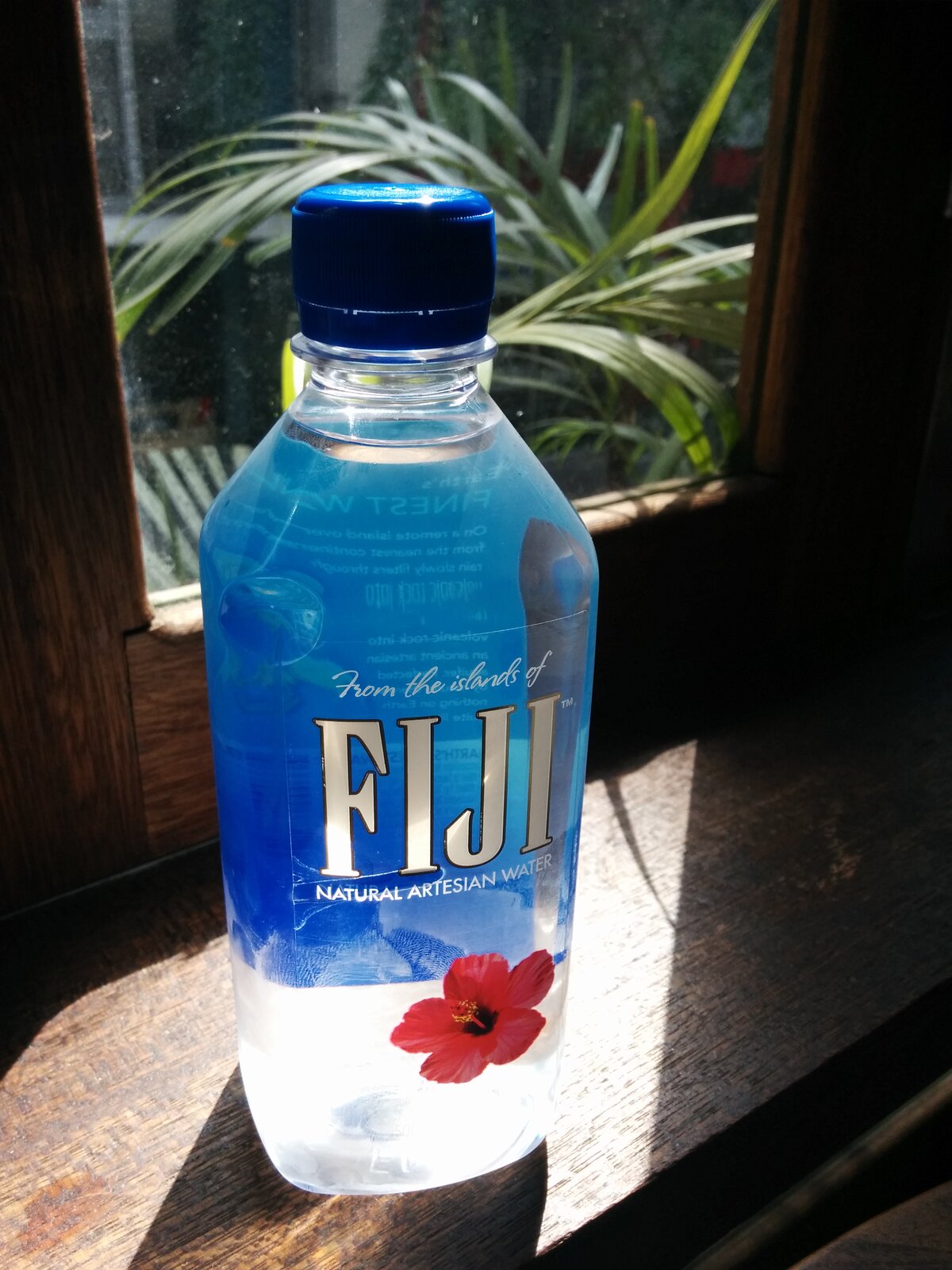
Once the big soda companies proved that Americans would buy water at insane markups, the premium end of the market went completely bonkers. FIJI Water launched in 1996 with water sourced from an aquifer in the remote Yaqara Valley of Fiji. Their rectangular bottle with the hibiscus flower became an instant status symbol. Paparazzi photos of celebrities clutching FIJI Water bottles became free advertising worth millions.
Then came Voss, the Norwegian water in the cylindrical glass bottle that looked like it belonged in a modern art museum. And Smartwater, which added electrolytes and hired Jennifer Aniston to drink it in commercials. Each new brand was basically a masterclass in packaging design and aspirational marketing. The water inside was almost irrelevant. What mattered was what the bottle said about you.
By the 2000s, you could spend $5 for a bottle of Bling H2O (yes, that was a real product), $20 for a bottle of Kona Nigari from Hawaii, or $60 for a bottle of Fillico Jewelry Water from Japan that came in a Swarovski crystal-studded bottle. The same decade that brought us $200 sneakers also brought us water that cost more per ounce than gasoline.
The Numbers Behind the Bottled Water vs Tap Water Debate
Let’s talk about the absolutely staggering scale of what happened. In 1976, Americans consumed about 1.6 gallons of bottled water per person per year. By 2023, that number had exploded to over 46 gallons per person. In 2016, bottled water officially overtook carbonated soft drinks as the number-one packaged beverage in the United States. Read that again: people now buy more water than Coke.
The global bottled water market hit $350 billion in 2024, and it’s projected to reach nearly $600 billion by 2032. For a product that literally falls from the sky. For something that flows from taps in every developed nation on Earth. The marketing triumph here is genuinely unprecedented in human history.
And here’s the environmental elephant in the room that everybody tries not to think about too hard: Americans throw away approximately 35 billion plastic water bottles every year. Only about 30% get recycled. The rest end up in landfills where they’ll sit for roughly 450 years, or in the ocean where they break down into microplastics that end up in, well, the water supply. The irony is thick enough to bottle and sell for $3.99.
How Marketing Genius Created a $300 Billion Industry From Nothing
When you step back and look at the whole bottled water story, what you’re really seeing is a masterclass in manufactured demand. Nobody in 1975 was walking around dehydrated because they couldn’t find water. The infrastructure was already there. The product was already free. The industry had to create a problem that didn’t exist and then sell the solution.
They did it through fear (your tap water might be contaminated), through aspiration (sophisticated people drink bottled water), through convenience (grab a bottle on the go), and through sheer repetition (water bottles everywhere, all the time, impossible to avoid). Each strategy built on the last, and within a generation, paying for water went from absurd to automatic.
The same generation that hung out at the mall food court drinking from water fountains grew up to become adults who wouldn’t dream of drinking from a public fountain. We went from “water should be free” to “I only drink SmartWater” in about twenty years, and the bottled water companies made hundreds of billions of dollars along the way.
Whether you see it as a cautionary tale about marketing manipulation or a triumph of consumer capitalism probably says a lot about your relationship with your kitchen faucet. Either way, the next time you grab a $2 bottle of water at the gas station, just remember: somebody in a boardroom somewhere in the 1970s figured out how to sell you the one thing that used to be completely free. And we all fell for it.