Breakin’ 2 Electric Boogaloo: 5 Reasons the 1984 Films Still Rule
If you were alive in 1984 and went to the movies even once, you know exactly what happened that spring and summer. Cardboard got more important. Every linoleum floor became a stage. Somebody in your neighborhood was spinning on their head — or trying to — and getting away with it because the entire country had just discovered breakdancing, and the movies that lit the fuse were Breakin’ and its impossibly fast sequel, Breakin’ 2: Electric Boogaloo. Both dropped the same year. Both made money that Cannon Films had absolutely no right making. And both burned themselves into the cultural memory of an entire generation in a way that’s genuinely hard to explain to anyone who didn’t live through it.
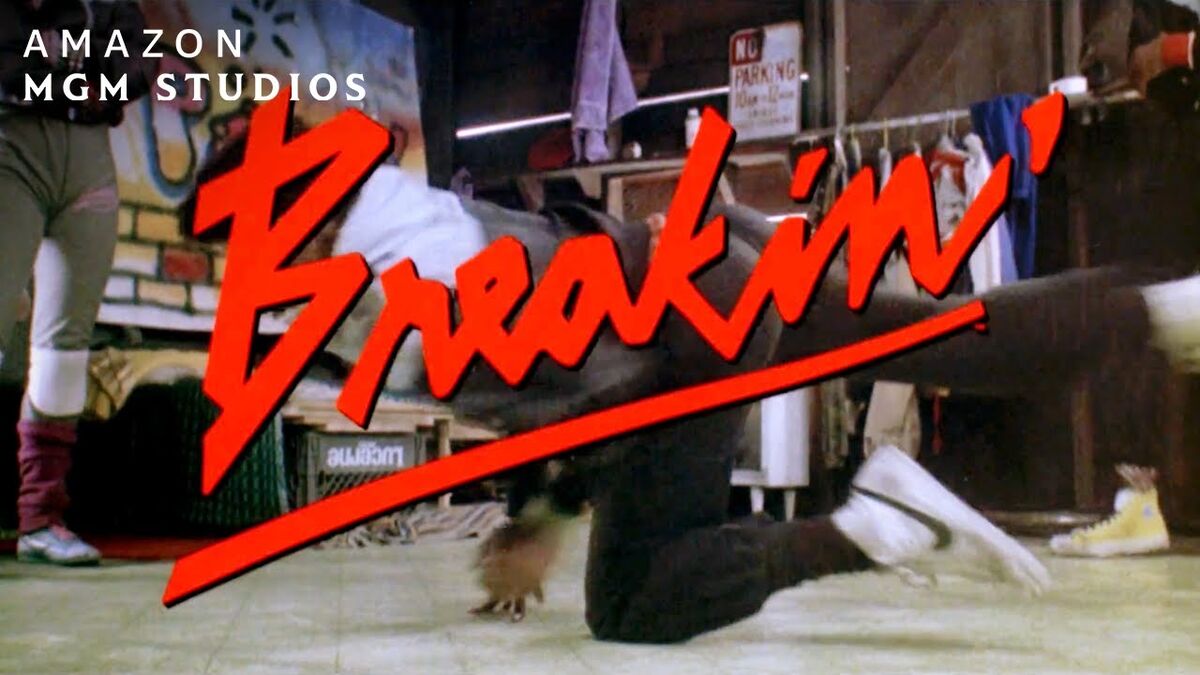
How Breakin’ (1984) Happened So Impossibly Fast
Here’s the thing about Breakin’: the people who made it were essentially racing against time. By early 1984, breakdancing had blown up on the streets of Los Angeles, New York, and everywhere in between. The Cannon Group — the Israeli production duo of Menahem Golan and Yoram Globus, who specialized in making movies faster and cheaper than anyone thought possible — smelled an opportunity [1].
The Retro Almanac
A monthly roundup of "on this day" highlights from that month, decades back — plus first dibs on new retro merch drops. No spam, just the good stuff.
Production on Breakin’ cost roughly $1.2 million and moved at warp speed. Director Joel Silberg shot it in three weeks. The film was based directly on a 1983 documentary called Breakin’ ‘n’ Enterin’, which chronicled the real-life hip hop scene at the Radio-Tron club in LA’s MacArthur Park neighborhood [2]. Golan and Globus didn’t just draw inspiration from the documentary — they straight-up cast the same people. Many of the dancers who appeared in Breakin’ ‘n’ Enterin’ walked directly onto the set of Breakin’.
Browse retro and vintage-inspired apparel at the RetroRadical shop →
The Retro Almanac
A monthly roundup of "on this day" highlights from that month, decades back — plus first dibs on new retro merch drops. No spam, just the good stuff.