Diff’rent Strokes Cast | The Show and Its Tragic Curse
There’s a term that gets thrown around in Hollywood: “the curse.” It’s usually hyperbolic nonsense — tabloid fodder designed to sell magazines. But when it comes to Diff’rent Strokes, the curse wasn’t a media invention. It was horrifyingly, tragically, undeniably real.
The show itself was a feel-good sitcom about family, love, and second chances. The stories of its young stars became cautionary tales about child stardom, exploitation, and the devastating toll that fame can exact on people who never asked for it.
Diff’rent Strokes Cast: The Show That Charmed America
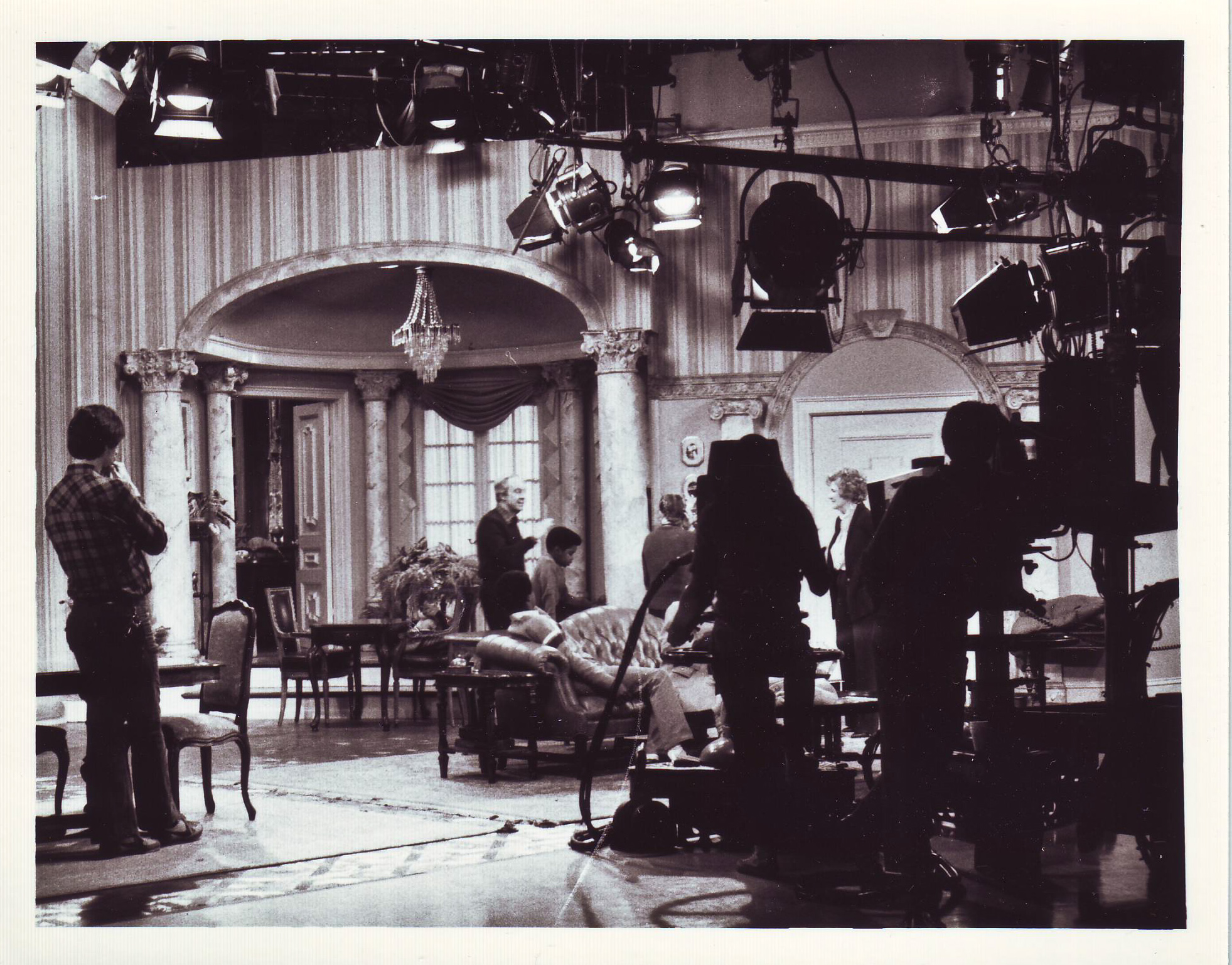
Diff’rent Strokes premiered on NBC on November 3, 1978, and ran for eight seasons until 1986. The premise was simple: wealthy Manhattan businessman Philip Drummond (Conrad Bain) adopts Arnold and Willis Jackson (Gary Coleman and Todd Bridges), the sons of his recently deceased Black housekeeper, fulfilling a promise to give them a better life.
In the late ’70s, this was fairly groundbreaking stuff. A transracial adoption story played for laughs but with genuine heart. The show tackled serious issues — racism, drug abuse, kidnapping, eating disorders — through the lens of a family sitcom, often in the now-famous “very special episode” format.
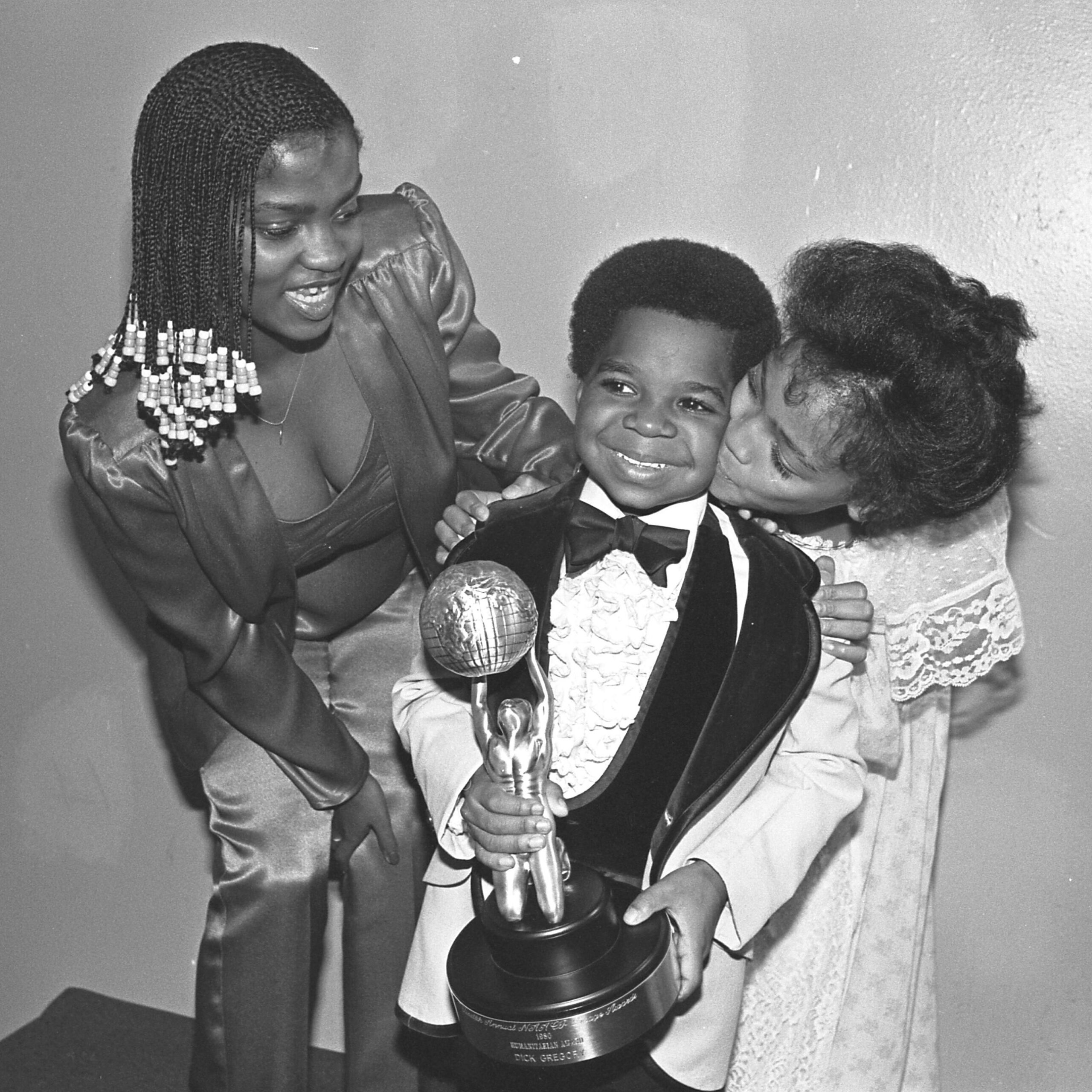
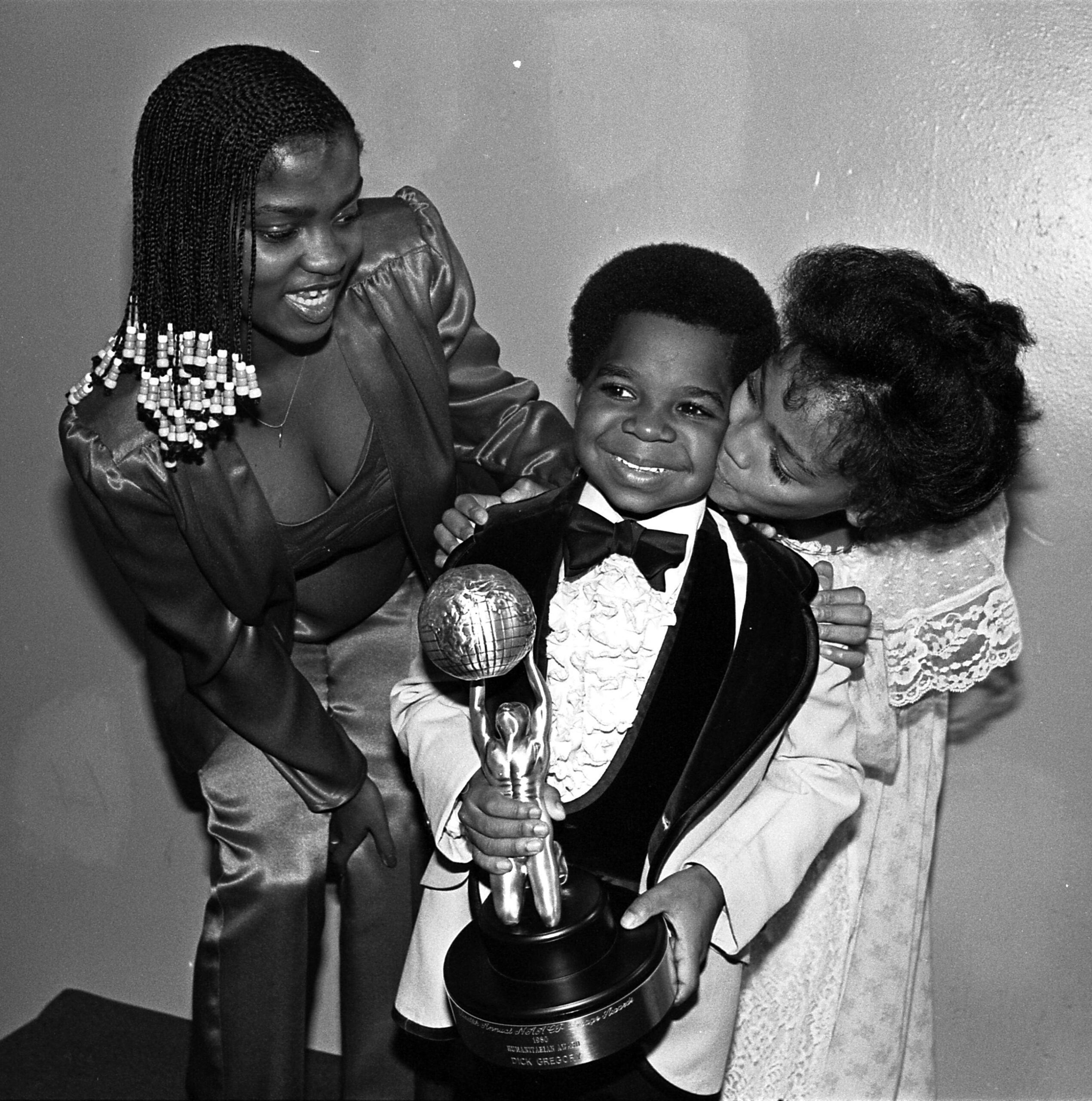
But the real magic was Gary Coleman. The kid was a supernova. His catchphrase “Whatchoo talkin’ ’bout, Willis?” became one of the most repeated lines in television history. At eight years old, he had comic timing that veteran actors envied. He mugged, he side-eyed, he delivered punchlines with the precision of a seasoned stand-up comedian.
By 1980, Gary Coleman was the highest-paid child actor on television, earning $100,000 per episode. He was on the cover of every magazine. He had his own cartoon show, his own TV movies, his own merchandise. He was, for a brief and brilliant window, one of the most famous people in America.
Gary Coleman: The Boy Who Never Grew Up
Here’s where the tragedy starts. Gary Coleman was born with a congenital kidney condition (focal segmental glomerulosclerosis) that required multiple surgeries and daily dialysis treatments. The medications stunted his growth — he never grew past 4’8″. While this physical difference was part of his appeal on the show (he looked much younger than his actual age), it came with serious, lifelong health consequences.
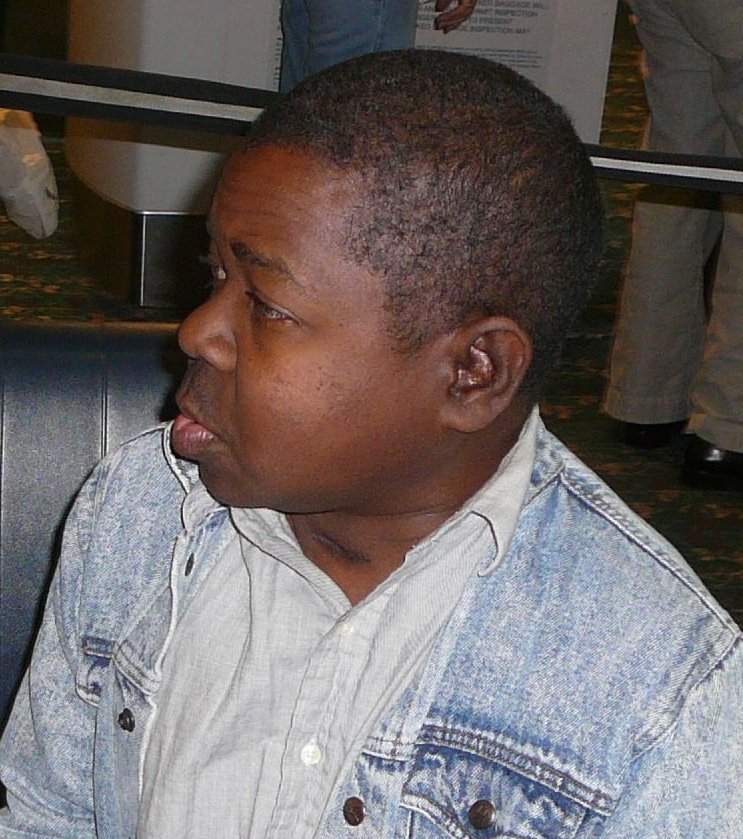
Behind the scenes, things were falling apart. Gary’s parents and former business manager were sued — and found liable — for mismanaging and squandering much of his earnings. Of the estimated $18 million he earned as a child, Gary reportedly saw almost none of it. He successfully sued his parents and advisor in 1989, but the damage was done.
After Diff’rent Strokes ended in 1986, the roles dried up almost immediately. Hollywood didn’t know what to do with a former child star who looked like a teenager but was actually in his twenties. Gary bounced between small roles, appearances at fan conventions, and jobs that felt tragically beneath his talent — including a stint as a mall security guard in 1998.
His personal life was marked by financial struggles, legal disputes, and health crises. He filed for bankruptcy in 1999. He had multiple run-ins with the law, including an assault charge after an altercation with a fan. His marriage to Shannon Price in 2007 was troubled and short-lived.
On May 28, 2010, Gary Coleman died from an epidural hematoma after falling and hitting his head at his home in Santaquin, Utah. He was 42 years old. The boy who made America laugh every Friday night was gone, and the circumstances of his final years — the poverty, the exploitation, the loneliness — haunted everyone who remembered that brilliant, charismatic kid on Screen 5.
Dana Plato: The Most Heartbreaking Story in Hollywood
If Gary Coleman’s story is sad, Dana Plato’s is devastating. She played Kimberly Drummond, Philip Drummond’s biological daughter, and was America’s sweetheart — blonde, bubbly, the perfect TV big sister to Arnold and Willis.
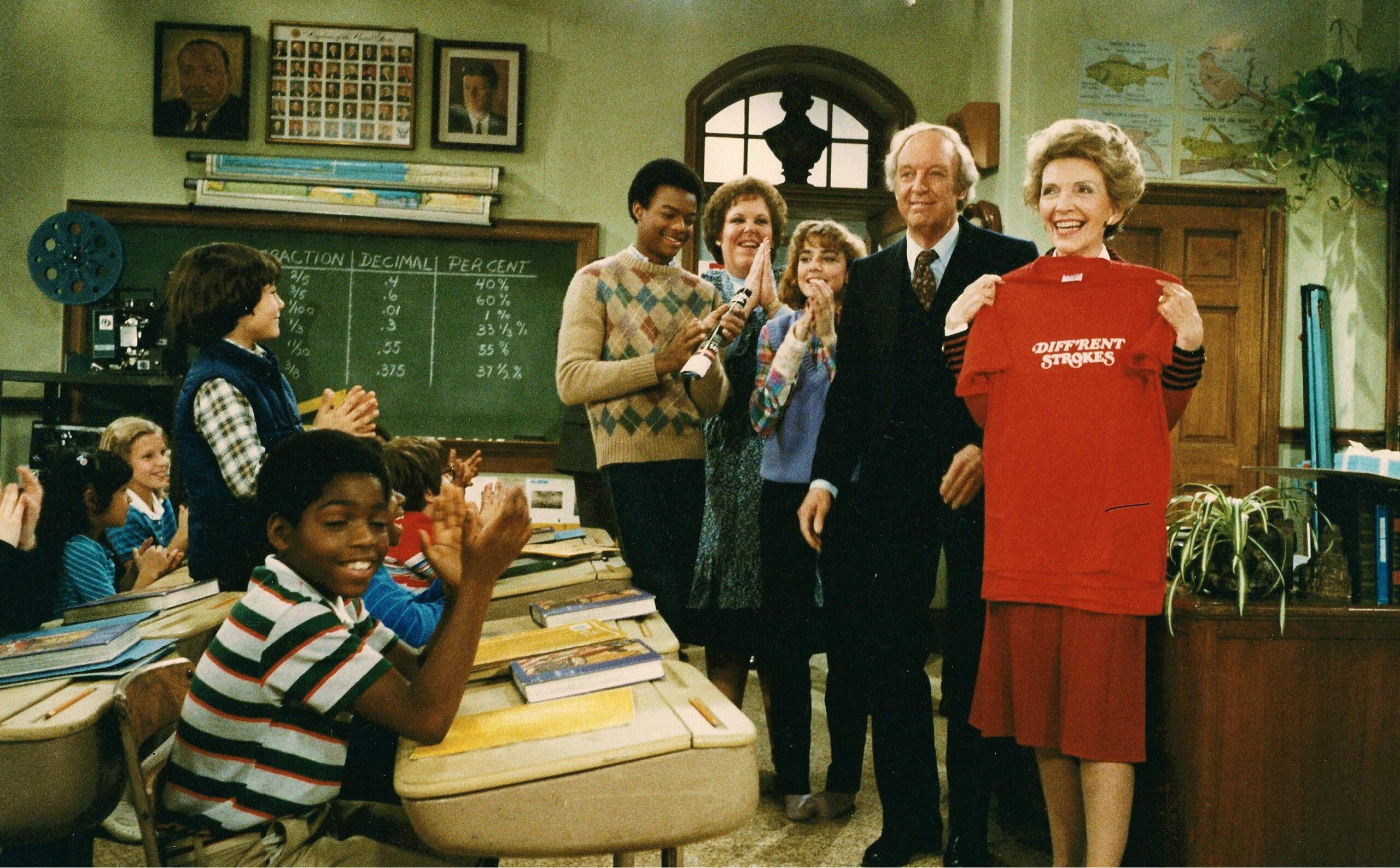
Dana was essentially fired from the show after becoming pregnant in 1984 at age 18. The pregnancy was written out of the series, and Dana was reduced to a handful of guest appearances before being let go entirely. In an era when teen pregnancy was career suicide in family-friendly television, the show made a choice — and Dana paid the price.
What followed was a downward spiral that played out in tabloid headlines and police blotters. Unable to find steady acting work, Dana posed for Playboy in 1989 — a move that generated attention but further typecast her as someone Hollywood couldn’t take seriously.
In 1991, she robbed a video store in Las Vegas at gunpoint, demanding money from the clerk. She was arrested within minutes. The mug shot — a former child star, gaunt and desperate — was splashed across every tabloid in the country. She later held up a dry cleaner’s, further cementing her tragic reputation.
Dana struggled with drug and alcohol addiction for years. She appeared on The Howard Stern Show on May 7, 1999, where callers mercilessly mocked her, and she tearfully defended herself, insisting she was sober and turning her life around. She died the very next day from an overdose of Soma and Vicodin, ruled a suicide. She was 34.
Her son, Tyler Lambert, also died of a drug overdose in 2010 at age 25. Two generations of one family, both destroyed by the aftermath of a sitcom.
Todd Bridges: The Survivor
Todd Bridges played Willis Jackson, Arnold’s older brother, and his story is the one thread of hope in this otherwise devastating tapestry. But the road to survival was brutal.
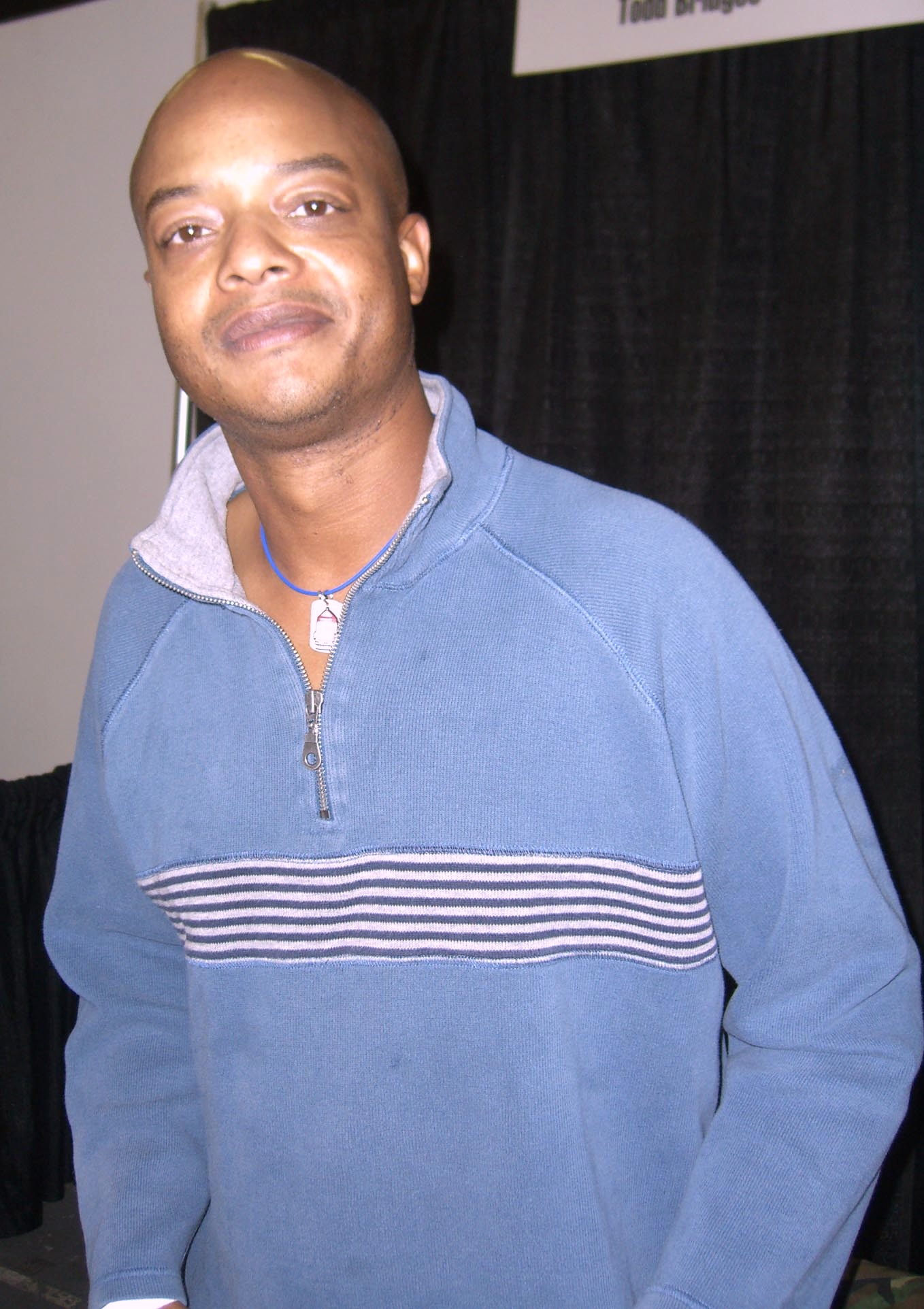
After Diff’rent Strokes, Todd fell deep into crack cocaine addiction. By the late 1980s, he was living in crack houses and financing his addiction with whatever money he could scrape together. In 1989, he was arrested and charged with attempted murder after a shooting at a Los Angeles crack house. He was acquitted — defended by Johnnie Cochran, no less — but the incident nearly ended him.
Todd has spoken openly about being sexually abused by his publicist as a child during the show’s run, a trauma that fueled his substance abuse. The exploitation of child actors in Hollywood was an open secret, and Todd was one of its most visible victims.
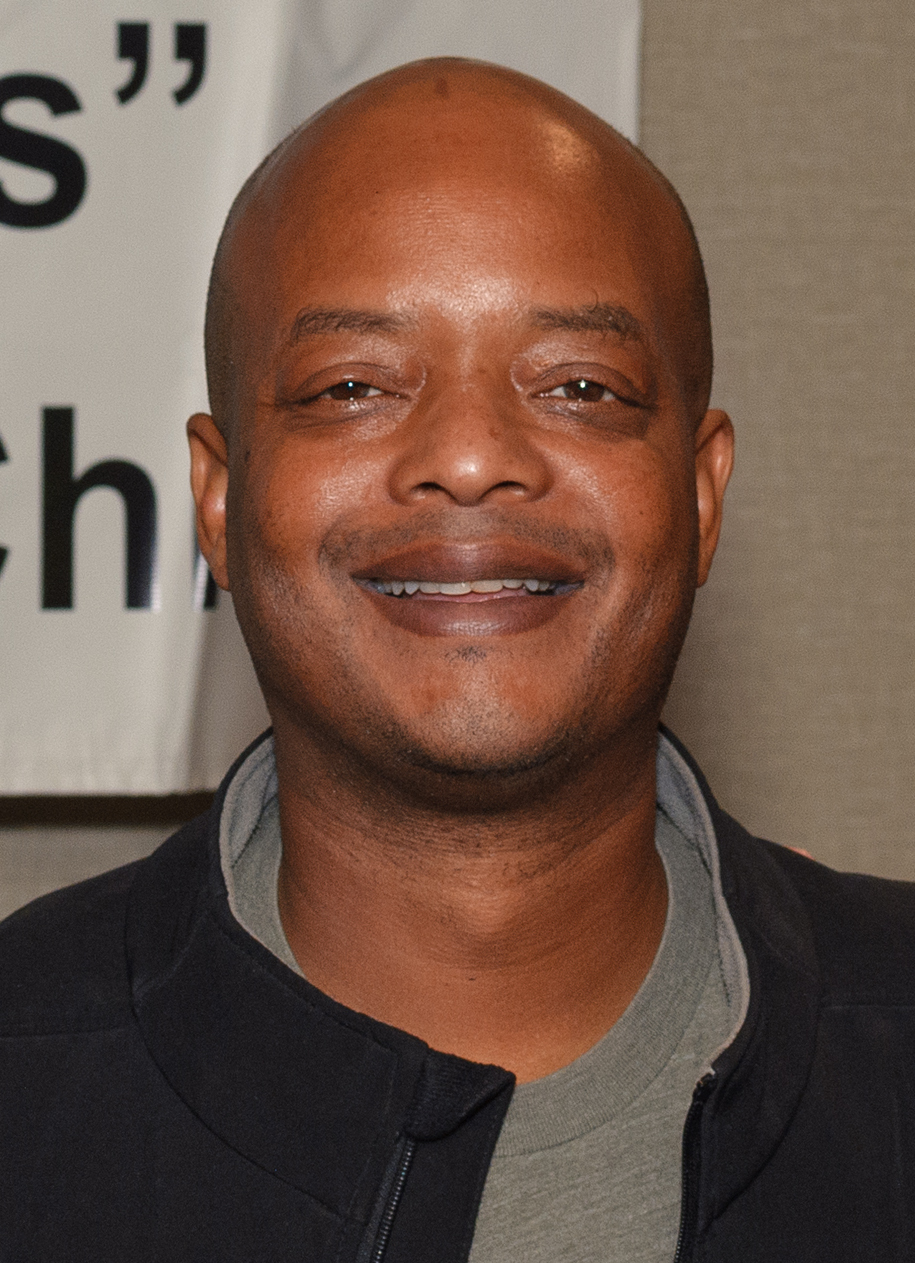
But here’s where the story diverges from his co-stars: Todd got clean. He entered rehab, got sober, and gradually rebuilt his life. He wrote a memoir called Killing Willis in 2010, detailing his struggles with remarkable honesty. He became an advocate for child actors’ rights and spoke publicly about the dangers of child stardom.
Todd is the sole surviving main child actor from Diff’rent Strokes, and he carries that weight visibly. In interviews, you can see the toll — the memories of Gary and Dana, the knowledge that he easily could have shared their fates. His survival isn’t a feel-good Hollywood ending. It’s a hard-won battle that he fights every day.
Conrad Bain and the Adults Who Tried
It’s worth noting that Conrad Bain, who played the paternal Mr. Drummond, genuinely cared about his young co-stars. After the show ended, he stayed in touch with all three children and publicly expressed concern about their struggles. When Gary Coleman was facing financial ruin, Bain was one of the few people from the show who reached out.
Charlotte Rae, who played housekeeper Mrs. Garrett (before getting her own spinoff, The Facts of Life), also spoke about the heartbreak of watching the children’s lives unravel. These were professionals who spent years working alongside these kids, watching them grow up under studio lights, knowing something wasn’t right but feeling powerless to stop it.
Bain passed away in 2013 at age 89. Rae died in 2018 at 92. Both lived long lives, unlike the children they’d pretended to parent on screen.
The Different Strokes Curse: What It Really Means
People call it a “curse,” but that word implies something supernatural, something unavoidable. The truth is uglier and more human than any curse. What happened to the children of Diff’rent Strokes was the predictable result of a system that chews up young talent and spits it out when it’s no longer profitable.
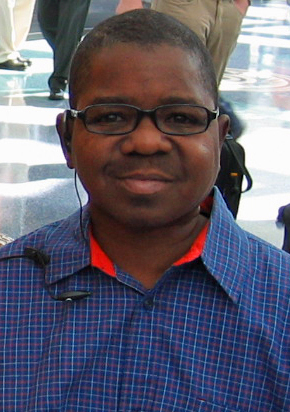
Gary Coleman was exploited by his own parents. Dana Plato was abandoned by an industry that had no use for a pregnant teenager. Todd Bridges was sexually abused by someone who was supposed to protect him. None of this was supernatural. All of it was preventable.
The Diff’rent Strokes curse is really the child stardom curse — the same pattern we’ve seen repeated with varying degrees of severity across decades of Hollywood history. The Coogan Law, named after child actor Jackie Coogan (who was also left penniless by his parents), was supposed to protect young performers. It wasn’t enough for Gary, Dana, or Todd.
California’s entertainment industry laws have been strengthened since then, partly because of the visibility of what happened to the Diff’rent Strokes cast. But child actors continue to face exploitation, and the fundamental dynamic — adults profiting from children’s talent while those children have little control over their own lives — hasn’t changed as much as we’d like to believe.
The show itself remains a time capsule of late-’70s/early-’80s television — warm, funny, occasionally corny, and surprisingly willing to tackle tough subjects. Gary Coleman’s comic genius is still evident in every episode. And every time you hear someone say “Whatchoo talkin’ ’bout, Willis?” — whether they know the source or not — you’re hearing the echo of a little boy who made the whole country laugh, and whose real story was far sadder than any sitcom could contain.