How Yo! MTV Raps Brought Golden Age Hip-Hop to America
Before Golden Age hip-hop ever cracked the Billboard Hot 100 or landed a Grammy, it had to get past a much smaller gatekeeper: the television set. In the summer of 1988, MTV — a network that had famously resisted playing Black artists at all just a few years earlier — quietly greenlit a half-hour video show hosted by a graffiti artist and public-access nobody named Fab 5 Freddy. Nobody at the network expected much from it. Within two years, Yo! MTV Raps was the highest-rated show on the channel, and it had become the single most important on-ramp for the golden era of hip-hop that would define the 1990s.
This is the story of how a low-budget video countdown show, run by people who actually lived in hip-hop’s world instead of just covering it, put Public Enemy, LL Cool J, Queen Latifah, and a wave of Golden Age artists directly into millions of American living rooms — and changed what MTV, and the music industry, thought was possible.
The Show Nobody Thought Would Work
MTV’s relationship with hip-hop before 1988 was practically nonexistent. The network built its identity on rock videos, and executives openly doubted that rap belonged on a music video channel at all — the genre was still widely dismissed by mainstream media as a fad or, worse, dangerous. But hip-hop wasn’t going anywhere. Radio stations in major cities were carving out late-night rap blocks because demand was real, and video shows like Video Music Box in New York had already proven that an audience existed if someone bothered to serve it.
The Retro Almanac
A monthly roundup of "on this day" highlights from that month, decades back — plus first dibs on new retro merch drops. No spam, just the good stuff.
MTV’s answer was cautious: a weekend special called Yo! MTV Raps, testing the waters in August 1988. The response was immediate and impossible to ignore. Ratings for the pilot outperformed the network’s regular programming, and executives who had spent years treating rap as a niche curiosity suddenly had a hit on their hands. By 1989, Yo! MTV Raps had expanded into a daily weekday show, becoming the first program of its kind to bring hip-hop videos to a national cable audience on a regular schedule.
Fab 5 Freddy and the Bridge From Downtown to the Bronx
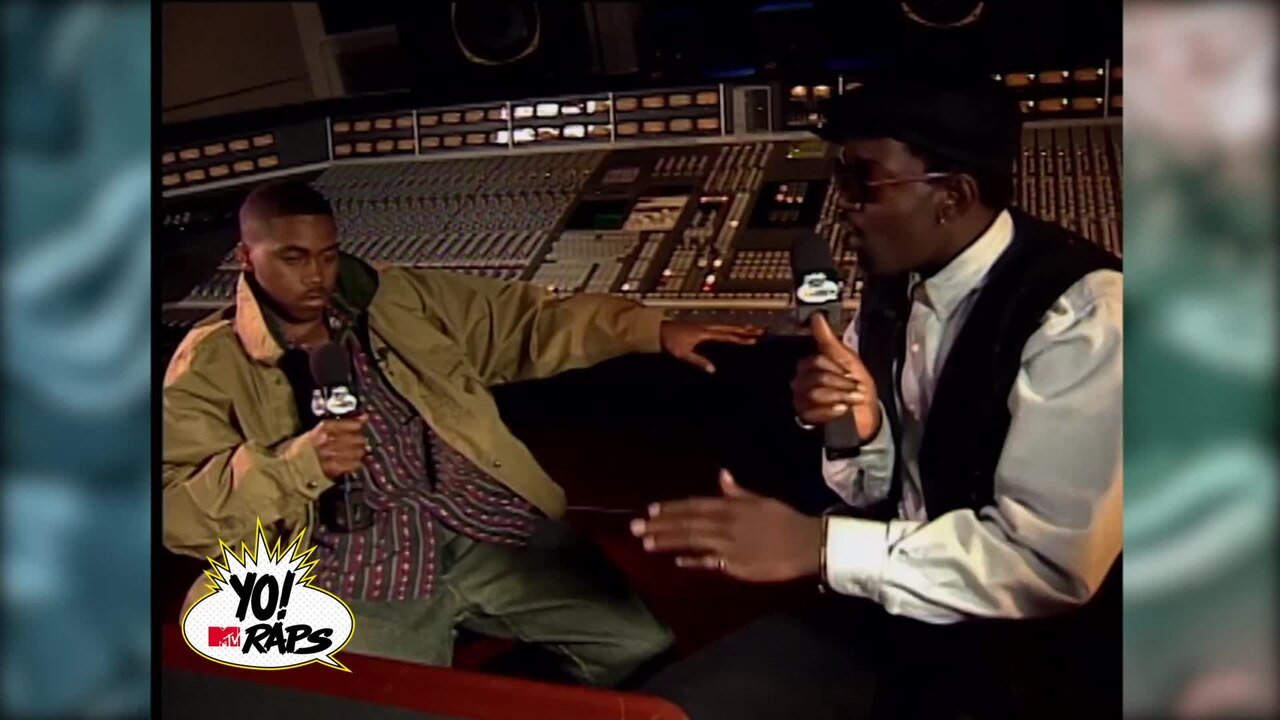
The choice of host mattered enormously, and MTV got lucky — or smart. Fab 5 Freddy wasn’t a media personality manufactured for television. He was a genuine fixture of New York’s hip-hop and downtown art scenes, a graffiti writer and filmmaker who had already been immortalized in Blondie’s “Rapture” and had real relationships with the artists he was now interviewing on camera. That authenticity was the show’s secret weapon. Where other networks might have parachuted in a generic VJ to read cue cards, Fab 5 Freddy could walk into a recording studio or a Brooklyn block party and be treated as a peer, not a tourist.
His interviews carried a looseness and credibility that made the show feel less like corporate programming and more like a backstage pass. Artists spoke more freely with him than they might have with a traditional broadcast journalist, and that candor came through on screen. For a genre that had spent years being explained to mainstream audiences by outsiders, Yo! MTV Raps let hip-hop explain itself.
Ed Lover and Doctor Dré Turn Video Jockeys Into Stars
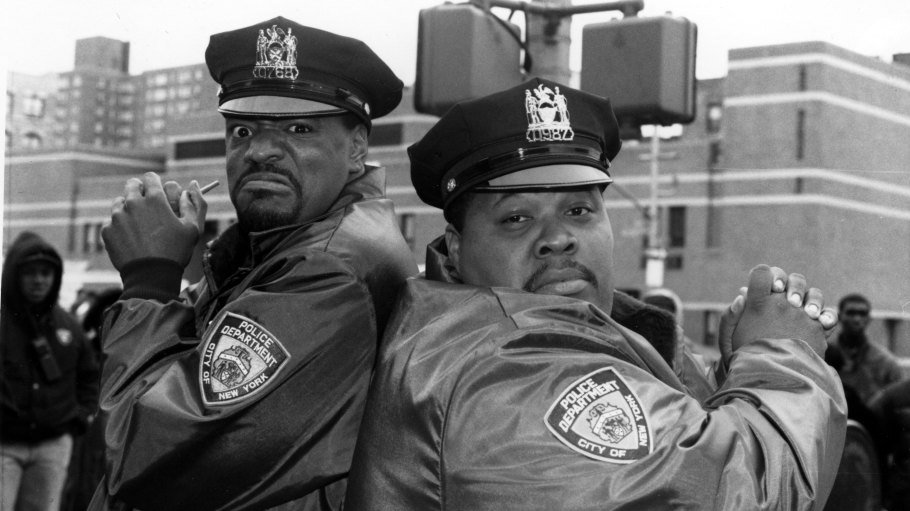
When the show expanded to a daily weekday slot, MTV brought on comedian Ed Lover and radio veteran Doctor Dré (not to be confused with the West Coast producer of the same name) to anchor the new episodes, with Fab 5 Freddy continuing to host the weekend edition. The pairing was instant chemistry — goofy, quick-witted, and completely unafraid to clown around on camera in a way that made the show feel like hanging out with friends rather than watching television.
Ed Lover’s exaggerated dance moves and Doctor Dré’s straight-man delivery became genuine pop culture signatures in their own right. Fans imitated the “Ed Lover Dance” on playgrounds and in dorm rooms across the country, and the duo’s easy rapport made the daily episodes feel like appointment viewing. It’s easy to forget now, in an era of algorithm-driven content, just how communal that experience was: teenagers rushing home from school specifically to catch the day’s episode before it aired only once.
How Yo! Made Golden Age Hip-Hop a Living Room Fixture
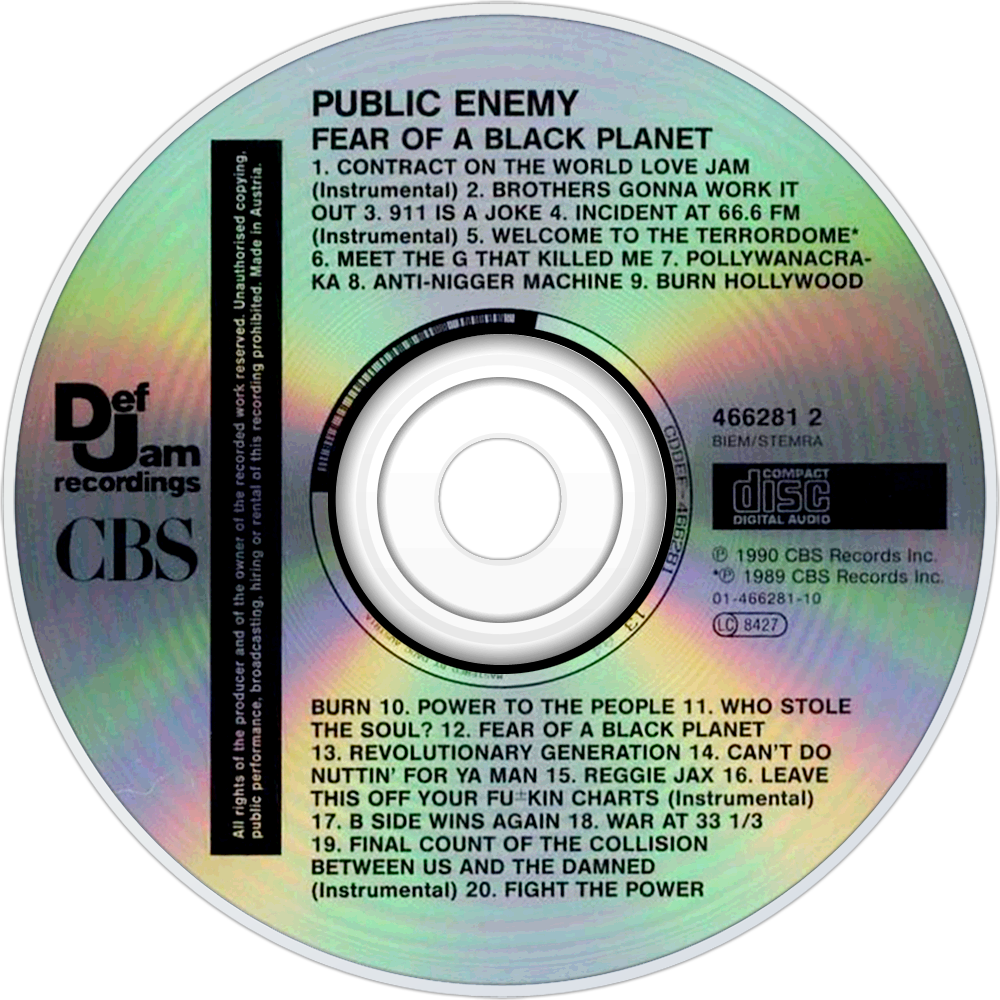
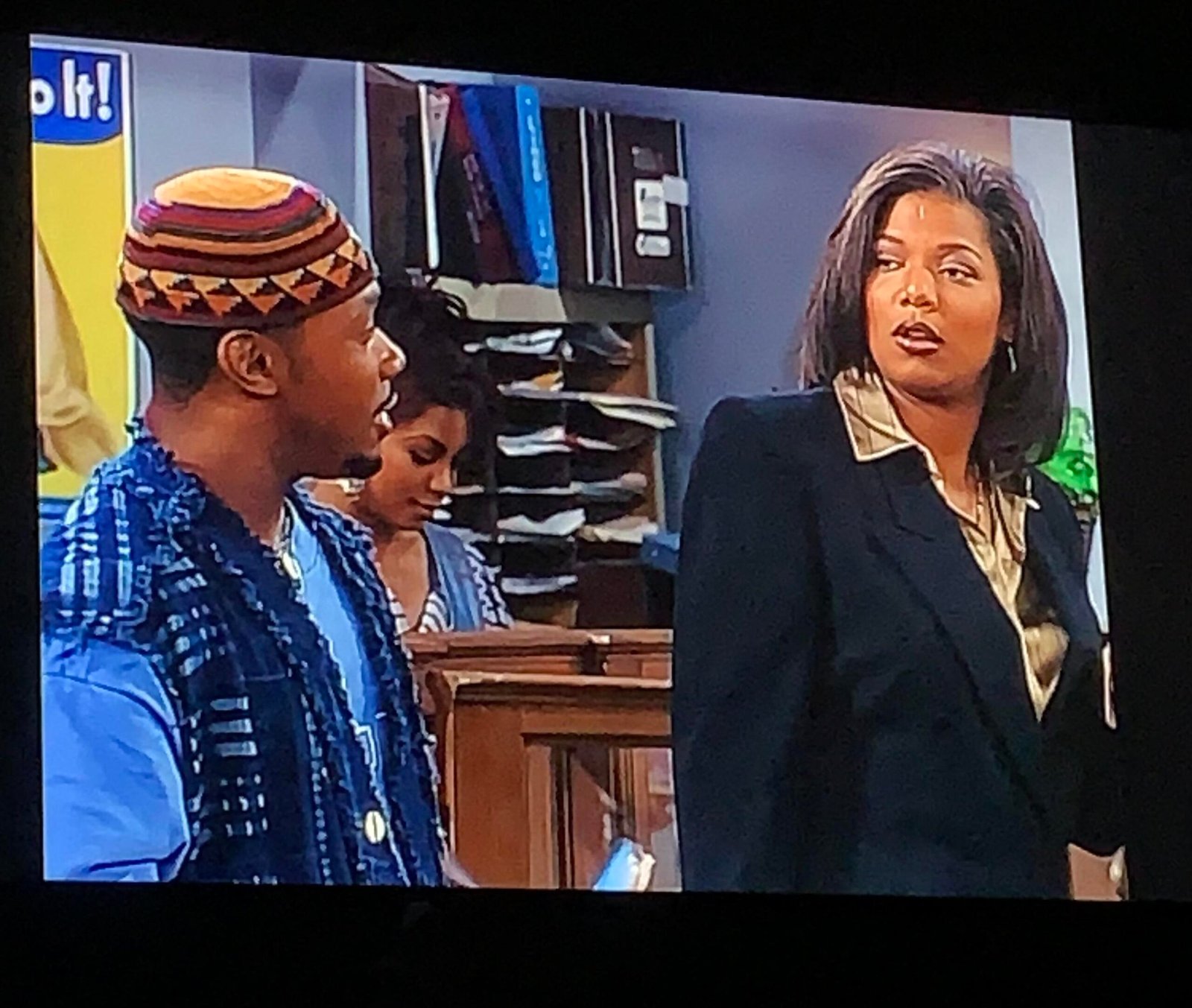
What made the show historically significant wasn’t just its hosts — it was the sheer volume and range of Golden Age talent it put on screen at a moment when radio and other TV outlets were still hesitant. Public Enemy’s confrontational political videos got the same national platform as LL Cool J’s romantic bravado and Queen Latifah’s regal, self-possessed presence. Artists who might have been siloed into “urban” radio formats or regional scenes were suddenly sharing a national stage, often within the same half-hour block.
That exposure had real commercial consequences. Record labels quickly learned that a video premiere on Yo! MTV Raps could move units in a way that radio alone couldn’t match, and artists began crafting videos specifically with the show’s audience in mind. It became something close to a proving ground: an artist could break out of a local scene and reach suburban record stores in Ohio or Oregon within weeks of a video’s first airing. For a genre still fighting for legitimacy in mainstream press, that kind of unfiltered access to a national audience was transformative.

The show also served an educational function that’s easy to undervalue in hindsight. For millions of white suburban viewers who had no direct connection to the neighborhoods where hip-hop was being made, Yo! MTV Raps was often their first real, sustained exposure to the culture — not a sanitized version filtered through a news anchor’s raised eyebrow, but the artists themselves, on their own terms, in their own words. That direct line between artist and audience helped hip-hop expand its fan base dramatically over the course of the early 1990s.
The Ripple Effect: Sales, Culture, and a Little Backlash
By the early 1990s, Yo! MTV Raps wasn’t just popular — it was arguably shaping the commercial trajectory of the entire genre. Albums that got heavy rotation on the show routinely saw measurable sales bumps, and appearing on Yo! became a rite of passage that record labels actively campaigned for. The show’s influence extended beyond music sales into fashion and slang, as viewers picked up on the clothing brands, hairstyles, and vernacular they saw on screen and carried them into schools and neighborhoods far from New York or Los Angeles.
Not everyone was thrilled about hip-hop’s sudden mainstream visibility. Some longtime fans and artists worried that MTV’s corporate packaging would water down the culture or that the network would eventually lose interest once the novelty faded, treating hip-hop the way it had treated other trends. Those tensions were never fully resolved, but they didn’t stop the show’s momentum. If anything, the debate over authenticity versus commercialization became one of the defining conversations of Golden Age hip-hop itself, playing out in lyrics, interviews, and magazine pages throughout the decade.

The End of an Era and What It Left Behind
Yo! MTV Raps ran until 1995, by which point hip-hop no longer needed a single show to legitimize it — the genre had become inseparable from mainstream American pop culture, exactly as the show’s early success had promised it would. MTV would go on to fold rap videos into its general rotation and later programming, but nothing quite replicated the specific cultural function Yo! had served: a dedicated, trusted, artist-first space where Golden Age hip-hop could speak directly to a national audience without translation or apology.
Looking back from decades later, it’s hard to overstate how much of hip-hop’s 1990s ascent traces back to those half-hour blocks. Fab 5 Freddy, Ed Lover, and Doctor Dré weren’t just hosts — they were translators, hype men, and gatekeepers who chose to fling the gate wide open instead of guarding it. For a generation of Gen X viewers, Yo! MTV Raps wasn’t just a TV show. It was the front door through which an entire era of music walked into the mainstream.

Sources
The Retro Almanac
A monthly roundup of "on this day" highlights from that month, decades back — plus first dibs on new retro merch drops. No spam, just the good stuff.