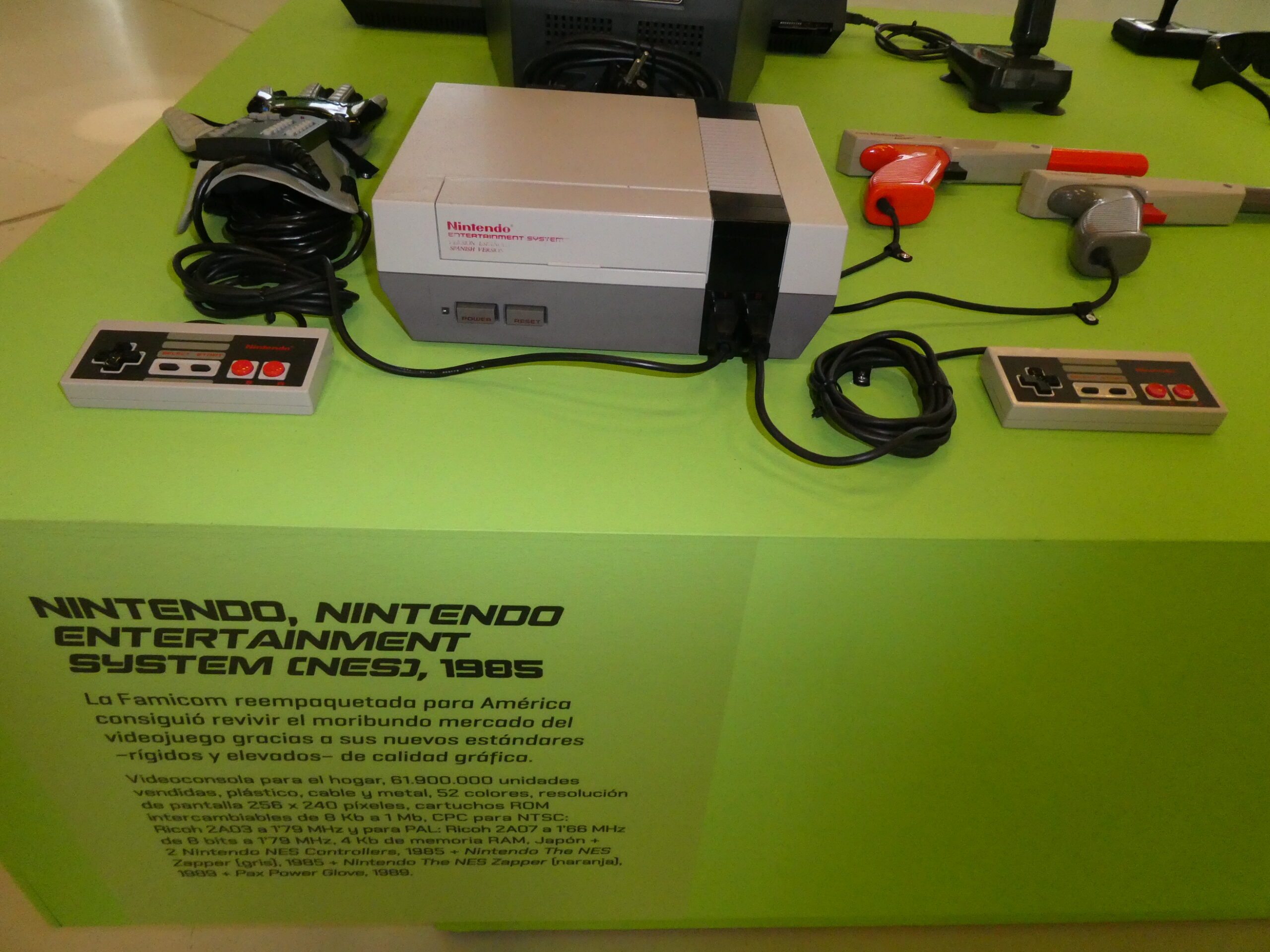
The Nintendo Entertainment System: How the NES Saved Gaming Forever
There’s a moment in the mid-1980s where the entire video game industry was basically lying in a ditch, bleeding out, and everyone — retailers, investors, the media — had written its obituary. Video games were dead. Finished. A fad that had burned hot and flamed out like disco or pet rocks. And then a little Japanese company that made playing cards walked into American toy stores with a gray box, a robot, and a game about an Italian plumber jumping on turtles.
The Nintendo Entertainment System didn’t just revive video games. It fundamentally reinvented what a gaming console could be, established the template that every console maker still follows today, and created a cultural phenomenon that turned an entire generation of kids into lifelong gamers. This is how the NES saved gaming forever.
The Crash That Almost Killed Everything
To understand why the NES matters so much, you have to understand just how badly things had gone wrong before it arrived. The video game crash of 1983 wasn’t just a downturn — it was a full-scale extinction event. The North American video game market went from generating $3.2 billion in revenue in 1983 to roughly $100 million by 1985. That’s a 97% collapse. Imagine if the movie industry suddenly lost 97% of its revenue in two years. That’s what happened to gaming.
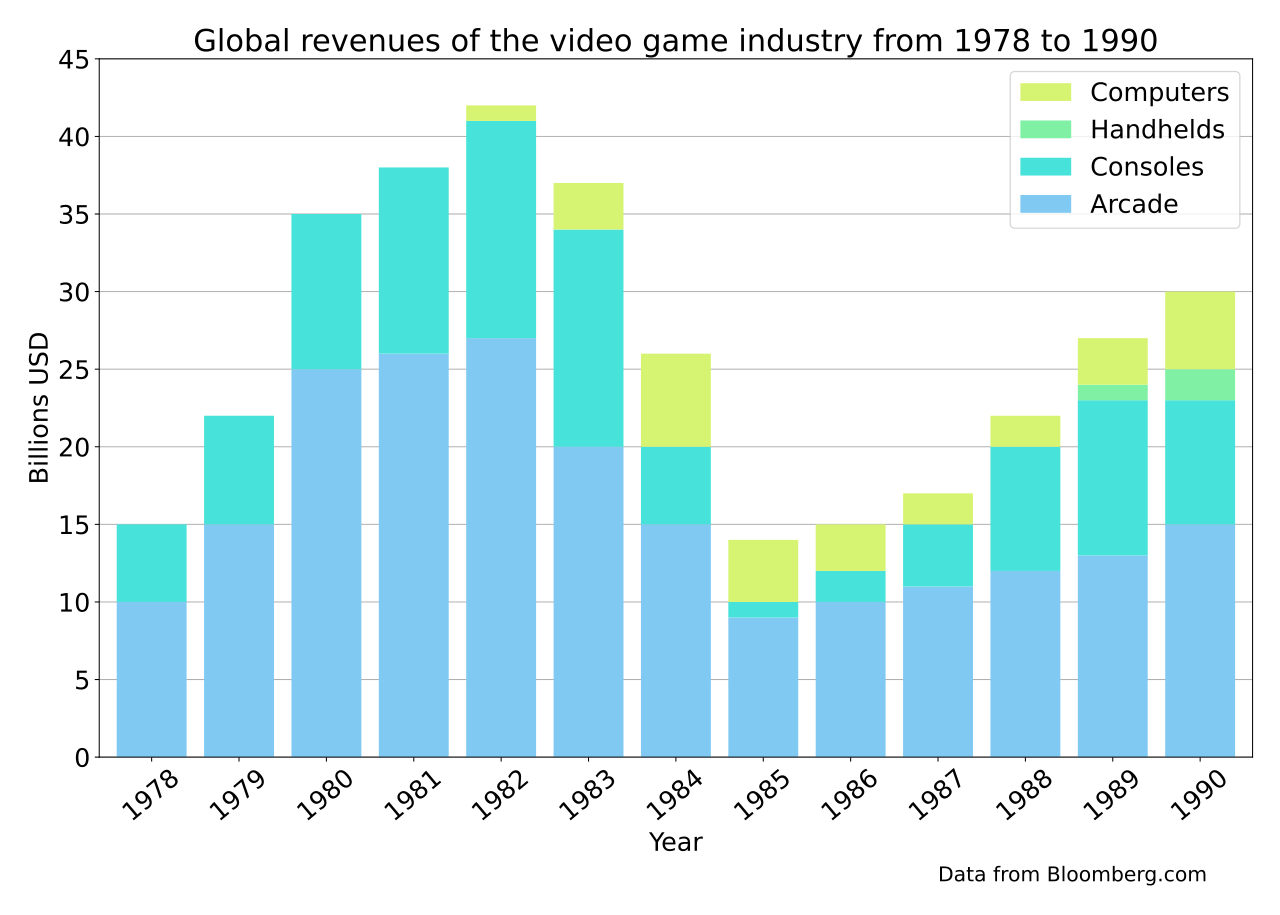
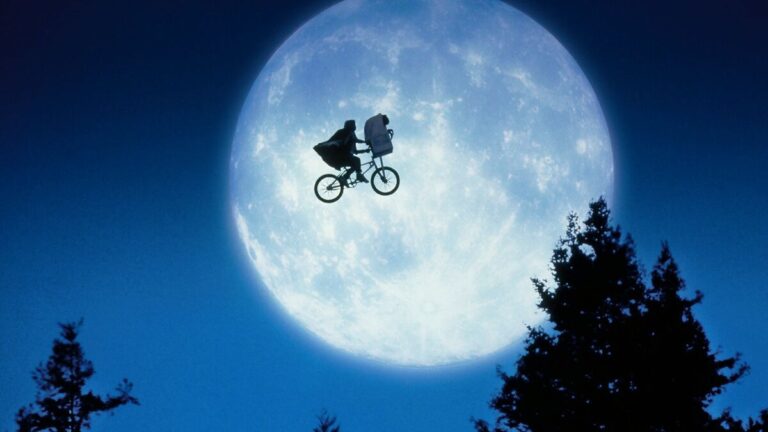
The causes were numerous. The Atari 2600 market was flooded with garbage — anyone with a basement and a programming manual could make a game, and plenty of them did. The notorious E.T. the Extra-Terrestrial game, famously developed in just five weeks, became the symbol of everything wrong with the industry. Atari literally buried millions of unsold cartridges in a New Mexico landfill. When your business strategy involves digging holes in the desert to hide your mistakes, something has gone catastrophically wrong.

By 1985, American retailers wanted nothing to do with video games. The words “video game console” were basically poison in toy store boardrooms. Shelf space that had once been devoted to Atari cartridges was now full of Cabbage Patch Kids and Teddy Ruxpin. Gaming wasn’t just dead — it was embarrassing.
Meanwhile in Japan: The Famicom Takes Over
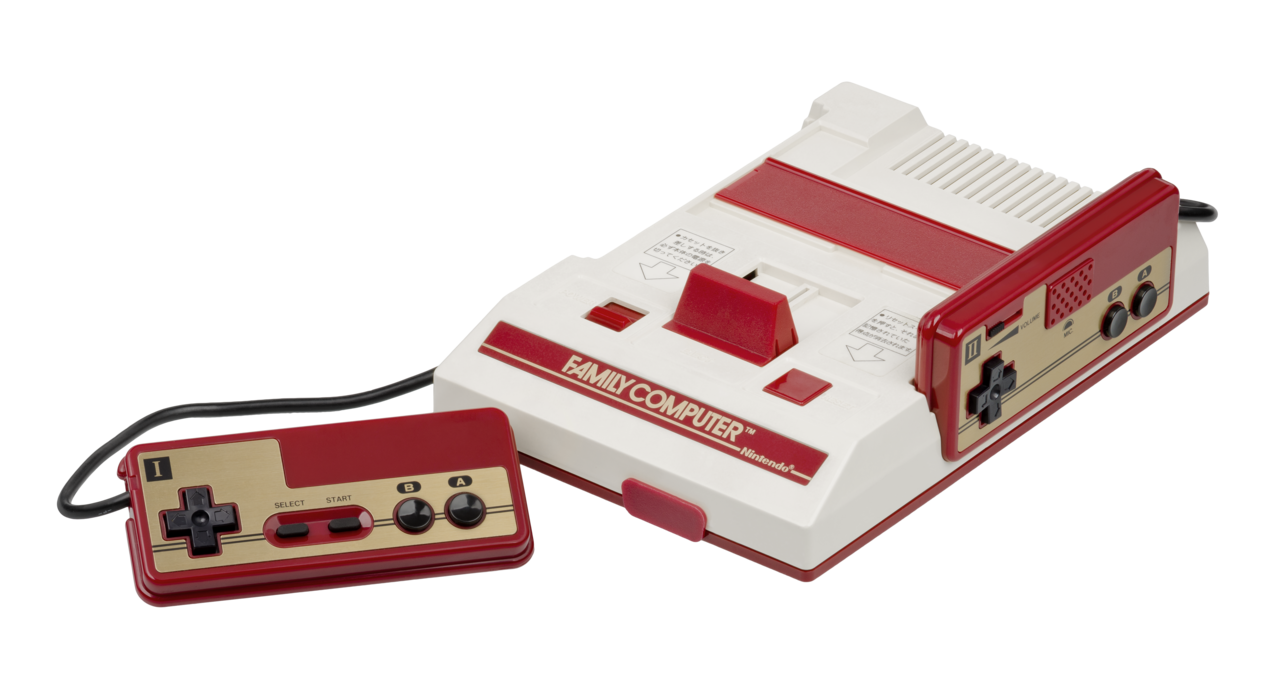
While North America was busy holding a funeral for the video game industry, things in Japan were going very differently. Nintendo had released the Family Computer — the Famicom — on July 15, 1983, and it was an absolute monster hit. With its distinctive red-and-white color scheme and a growing library of quality games, the Famicom quickly dominated the Japanese market.
Nintendo president Hiroshi Yamauchi was not a man who thought small. Having conquered Japan, he set his sights on America — the market that had just spectacularly imploded. Everyone told him he was crazy. American retailers literally laughed Nintendo representatives out of meetings. “Video games? Those are dead. Get out of my office.”
But Yamauchi and his team, led by Nintendo of America president Minoru Arakawa, had a plan. They wouldn’t sell a “video game console.” They would sell an “entertainment system.” The rebranding was deliberate and brilliant — the word “game” was toxic, so they removed it entirely. The Famicom became the Nintendo Entertainment System, and it was marketed more like a high-tech toy than a gaming device.
R.O.B. and the Trojan Horse Strategy
Nintendo’s plan to infiltrate American retail was one of the most clever pieces of marketing misdirection in business history. They designed the NES to look nothing like a video game console. Where the Atari 2600 had top-loading cartridges (an obvious “video game” visual cue), the NES used a front-loading mechanism that made it look like a VCR — the hottest consumer electronics product of the era. Genius.
But the real Trojan horse was R.O.B. — the Robotic Operating Buddy. This little plastic robot was designed to do one thing: get the NES into toy stores. R.O.B. worked with exactly two games (Gyromite and Stack-Up), and he wasn’t particularly good at either of them. He was slow, clunky, and most kids stopped using him after about a week. But none of that mattered, because R.O.B. wasn’t really meant for kids — he was meant for retailers. He made the NES look like a toy, not a video game system, and that distinction was everything.
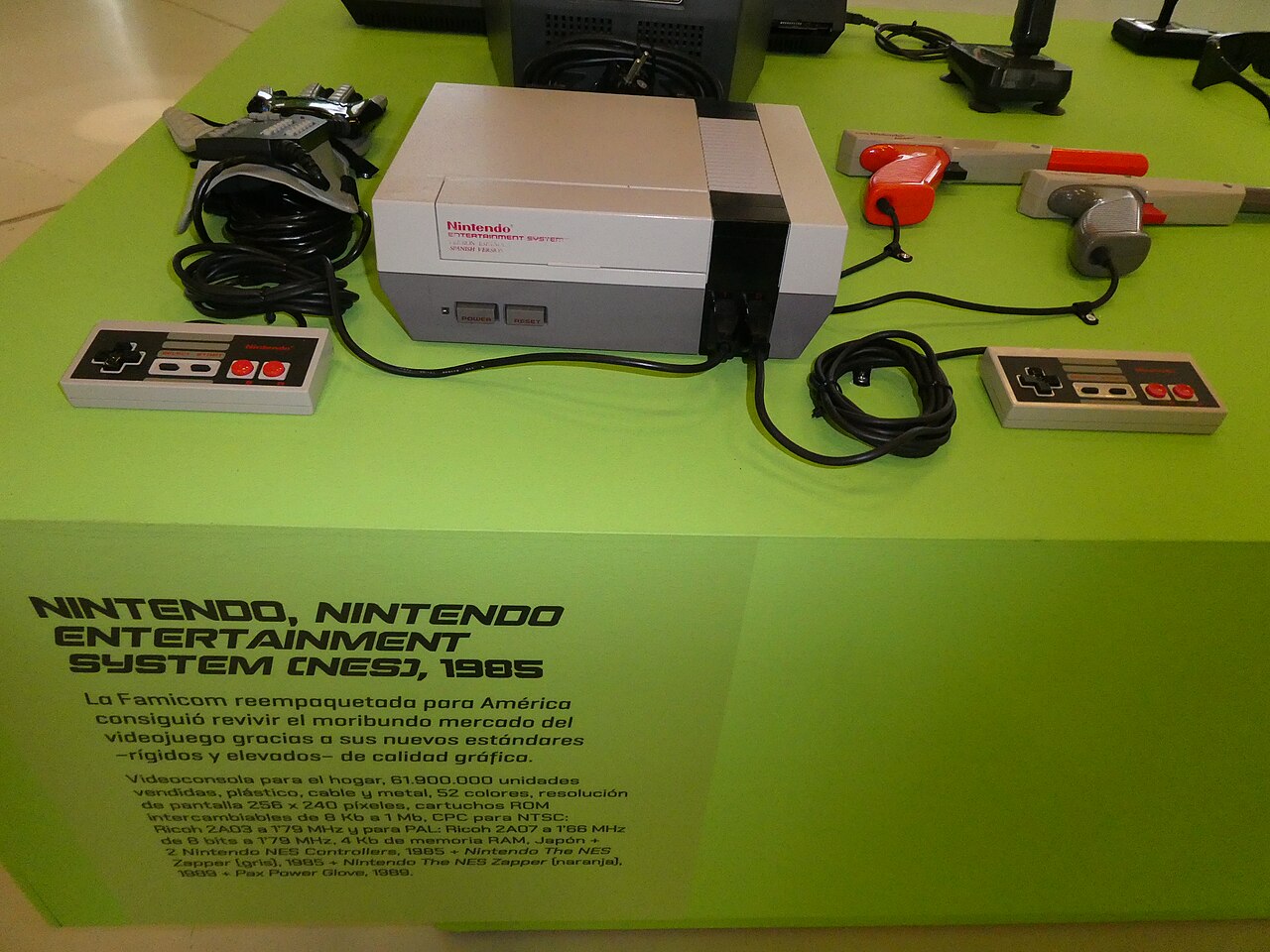
Nintendo test-launched the NES in New York City in October 1985, offering to take back any unsold inventory — a risk that demonstrated insane confidence. The gamble paid off. The test was successful enough to justify a nationwide rollout in 1986, and the rest, as they say, is gaming history.
The technological revolution of the 80s was in full swing, and the NES arrived at exactly the right moment to ride that wave.
Super Mario Bros.: The Game That Changed Everything
If the NES was the vehicle that saved gaming, Super Mario Bros. was the engine. Released as a pack-in title with the console, Shigeru Miyamoto’s masterpiece didn’t just sell systems — it redefined what a video game could be.
Before Super Mario Bros., most games were single-screen affairs or simple left-to-right scrollers. Mario introduced a world that felt genuinely alive — a sprawling, colorful kingdom with hidden secrets, warp zones, and a sense of progression that made you feel like you were going on an actual adventure. The Mushroom Kingdom had personality. It had mystery. It had that moment where you first discovered you could go down a pipe and find a secret underground room full of coins, and your eight-year-old brain nearly exploded with joy.
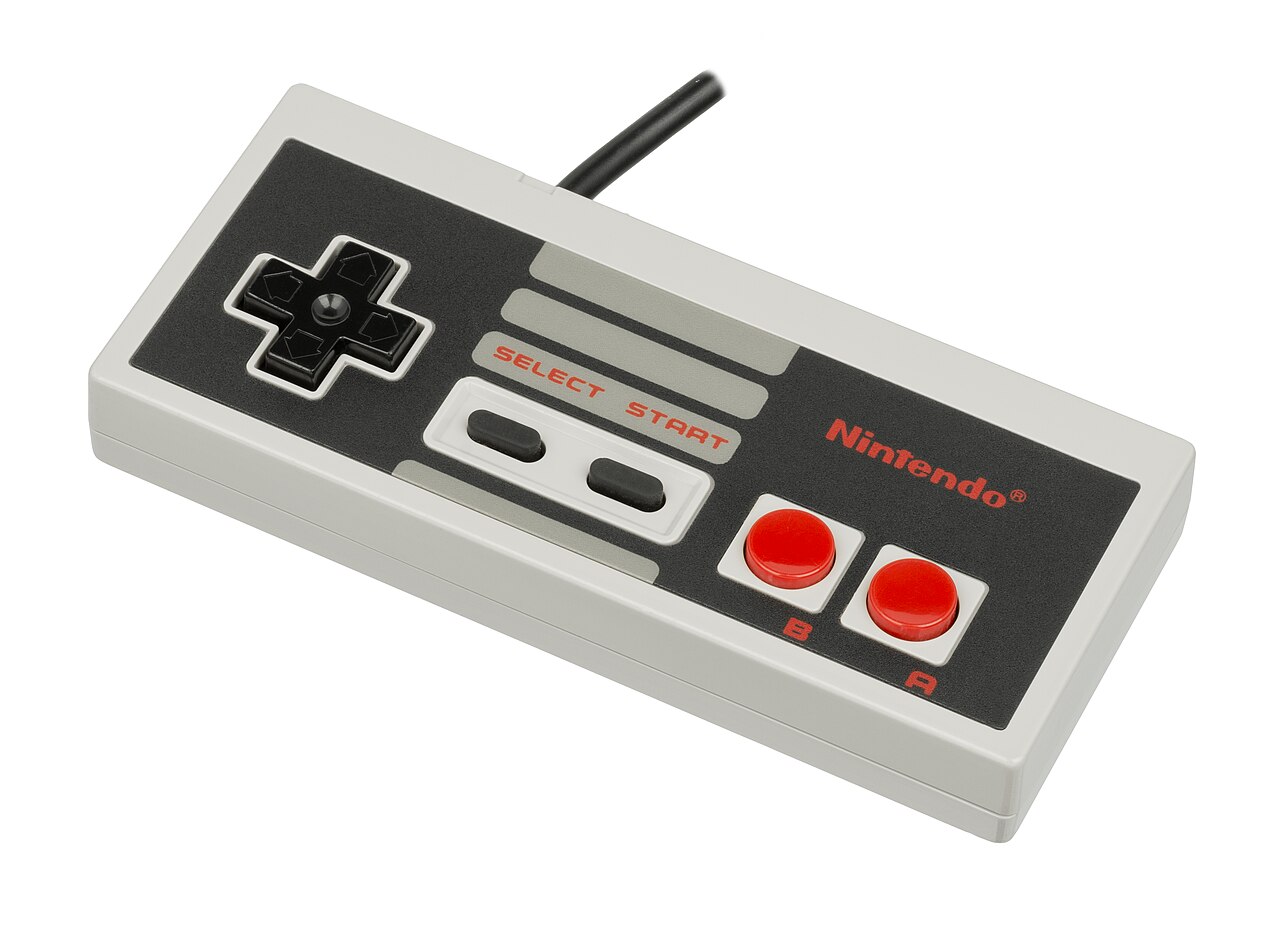
Super Mario Bros. sold over 40 million copies and became arguably the most important video game ever made. It turned Mario into a cultural icon who would eventually become more recognizable to American children than Mickey Mouse. Let that sink in — a pixelated plumber from Japan became more famous than Walt Disney’s signature character.
But Mario was just the beginning. The NES library would eventually grow to include some of the greatest games ever created, and each one pushed the medium further than anyone thought possible on 8-bit hardware.
The Golden Age of NES Games
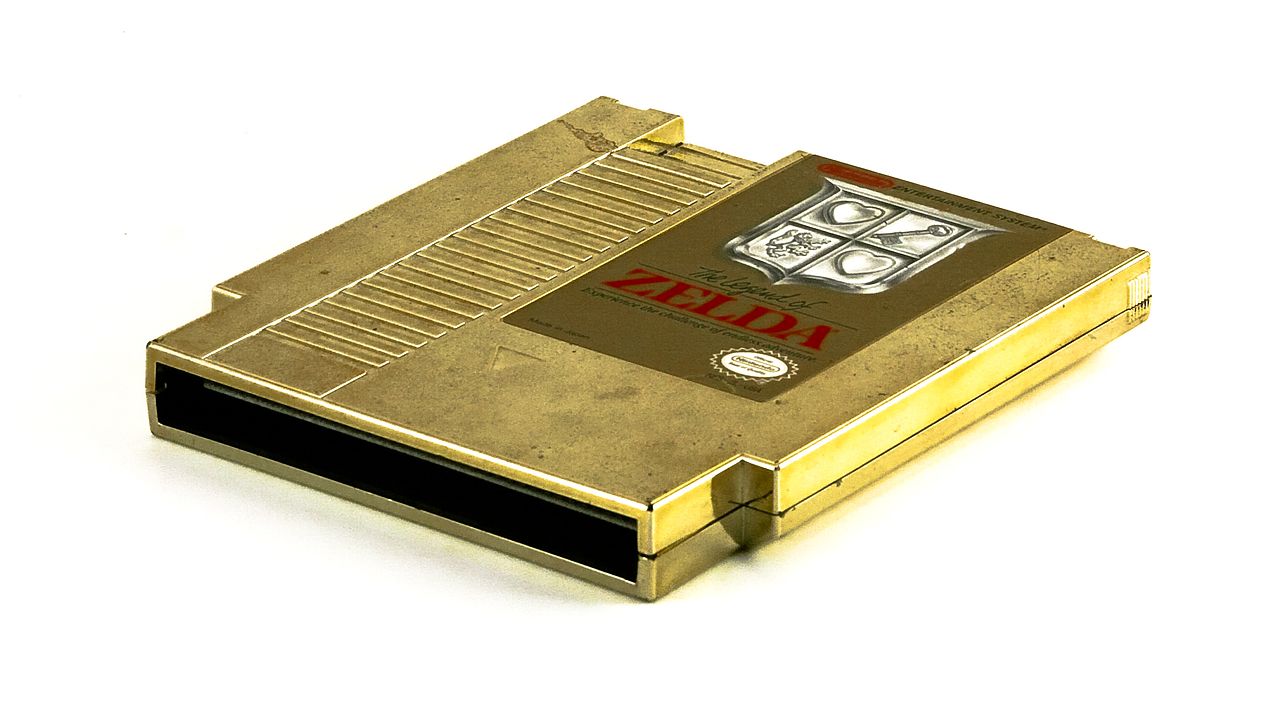
The Legend of Zelda gave players an open world to explore years before the term “open world” even existed. Armed with nothing but a wooden sword and a sense of adventure, you wandered through Hyrule, burned bushes to find hidden caves, bombed walls on pure gut instinct, and felt like a genuine explorer charting unknown territory. The gold cartridge it came on felt special — like you were holding actual treasure.
Metroid combined sci-fi atmosphere with exploration-based gameplay in ways that created an entirely new genre (eventually named after it, along with Castlevania — “Metroidvania”). Samus Aran’s journey through Planet Zebes was isolating, atmospheric, and genuinely tense. And the reveal that Samus was a woman? In 1986, that was a mic-drop moment that still resonates today.
Mega Man 2 perfected the action-platformer formula with tight controls, an incredible soundtrack (Metal Man’s theme, anyone?), and the brilliant choose-your-own-order boss system. Contra delivered two-player run-and-gun action that was impossible without the legendary Konami Code (up-up-down-down-left-right-left-right-B-A-Start). Castlevania married gothic horror with punishing difficulty. Punch-Out!! turned boxing into a pattern-recognition puzzle game starring a tiny fighter named Little Mac going up against opponents three times his size.
Every one of these franchises is still going today. Every one of them started on the NES. That’s not a coincidence — that’s a testament to how foundational this console was.
For anyone who remembers spending hours in the 80s arcades, the NES brought that same magic home and then surpassed it.
The NES Zapper and Duck Hunt: Gaming’s Greatest Party Trick
The NES Zapper and Duck Hunt deserve their own section because, honestly, was there any better flex in 1986 than shooting ducks on your TV? The Zapper was a light gun that came bundled with many NES packages alongside a dual cartridge of Super Mario Bros./Duck Hunt, making it one of the most ubiquitous gaming accessories ever produced.
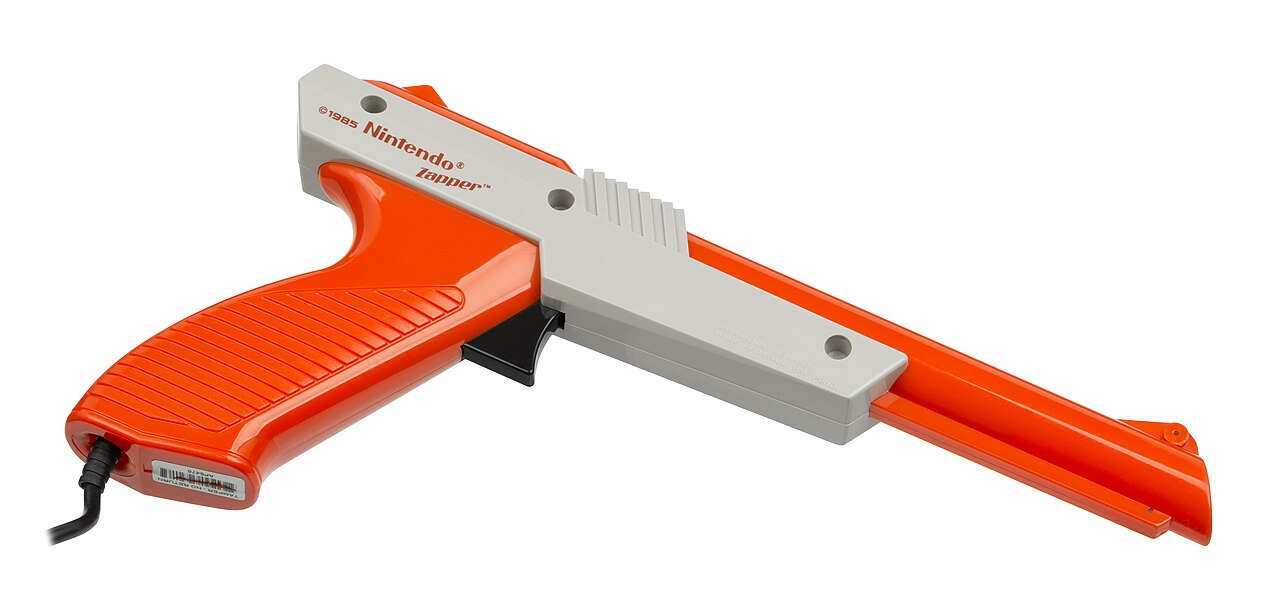
Duck Hunt was simple — ducks fly across the screen, you shoot them, and that insufferable dog either celebrates your hits or laughs at your misses. That dog. That smug, snickering dog who pops up from the grass to mock your failures. Decades later, gamers still carry a grudge against that digital canine. He’s probably the most hated character in gaming history, and he never even had a single line of dialogue. Just that laugh. That horrible, wonderful laugh.
The Zapper also worked with games like Hogan’s Alley and Wild Gunman (yes, the game from Back to the Future Part II). It was the kind of accessory that turned non-gamers into gamers — your dad might not care about saving Princess Peach, but hand him a plastic gun and tell him to shoot ducks? Now you’ve got a family gaming night.
Nintendo’s Iron Grip: The Seal of Quality
One of Nintendo’s most controversial but arguably most important decisions was implementing the Nintendo Seal of Quality and strict licensing agreements. Having seen how an unregulated flood of terrible games killed the Atari, Nintendo decided they would control exactly what appeared on their platform. Third-party developers could only release a limited number of games per year, every game had to be approved by Nintendo, and developers couldn’t port NES games to competing platforms for two years.
Was this heavy-handed? Absolutely. Did it create monopolistic conditions that would eventually draw antitrust scrutiny? You bet. But it also meant that the average quality of NES games was dramatically higher than what the Atari 2600 had offered. When you saw that gold seal on a box, you knew the game at least met a minimum standard. It wasn’t a guarantee of greatness, but it was a guarantee that you weren’t buying another E.T.-level disaster.
This quality control philosophy established the template that Sony, Microsoft, and Nintendo itself still follow today. Every modern console has a certification process for games. That started with the NES. Like it or not, Nintendo’s iron fist saved gaming from its own worst impulses.
The Cultural Phenomenon
The NES didn’t just sell 62 million units worldwide — it embedded itself into the cultural fabric of the 1980s in ways that went far beyond gaming. There was a feature-length movie (The Wizard, 1989) that was basically a 90-minute Nintendo commercial starring Fred Savage and the Power Glove. Nintendo Power magazine became required reading for an entire generation. The term “Nintendo” became a generic word for “video game” — your mom called everything a Nintendo, whether it was an NES, a Game Boy, or a Sega Genesis.
Breakfast cereals featured Mario. Cartoons starred Captain N: The Game Master, who teamed up with Simon Belmont, Mega Man, and Pit. There were Nintendo-themed bedsheets, lunchboxes, and clothing. The NES wasn’t just a gaming console — it was a lifestyle brand before that concept even existed.
The Saturday morning cartoon ritual of the 80s was intertwined with NES culture — kids would watch Captain N and then immediately fire up their consoles.
Why the NES Still Matters
Nearly four decades after its release, the NES remains the most culturally significant gaming console ever created. Not the most powerful, not the most technologically advanced, and not even the best-selling — but the most important. Every modern gaming convention, from quality certification to directional pad controls (the D-pad was a Nintendo patent), from pack-in games to third-party licensing, traces directly back to the NES.
The NES Classic Edition, released by Nintendo in 2016, sold out instantly and remained nearly impossible to find for over a year. People who hadn’t touched a controller in decades were camping outside stores to relive their childhood. That’s not just nostalgia — that’s proof that the NES created something genuinely timeless.
When people ask “what saved video games?” the answer isn’t complicated. It’s a gray box from Kyoto, a mustachioed plumber, and a generation of kids who stayed up way past their bedtimes trying to beat that final castle in World 8-4. The Nintendo Entertainment System didn’t just save gaming — it made gaming into the dominant entertainment medium on the planet.
And somewhere, in a landfill in Alamogordo, New Mexico, millions of E.T. cartridges are still buried in the sand. A permanent reminder of what happens when an industry loses its way — and how one little console brought it all back.