OJ Simpson Movies, Football & Fame | The 80s Icon Before the Trial
Before the white Bronco chase. Before the trial of the century. Before the verdict that split America down the middle. There was just O.J. — and everybody loved him.
It’s almost impossible to explain to younger generations how universally beloved O.J. Simpson was in the 1970s and 1980s. We’re talking about a guy who transcended race, sports, and entertainment to become one of the most recognized and admired figures in American culture. He wasn’t just famous — he was adored.
The Juice on the Gridiron: OJ Simpson’s NFL Career
Orenthal James Simpson first grabbed America’s attention at USC, where he won the Heisman Trophy in 1968 with one of the most dominant college football seasons anyone had ever seen. He rushed for 1,709 yards in just 10 games — numbers that were absolutely bonkers for that era.
The Buffalo Bills selected him first overall in the 1969 NFL Draft, and while his first few seasons were rocky (the Bills were terrible), everything clicked in 1973 when O.J. became the first running back in NFL history to rush for over 2,000 yards in a single season. He finished with 2,003 yards in a 14-game season — a record that stood for over a decade. To put that in perspective, modern players get 17 games to try and match it.
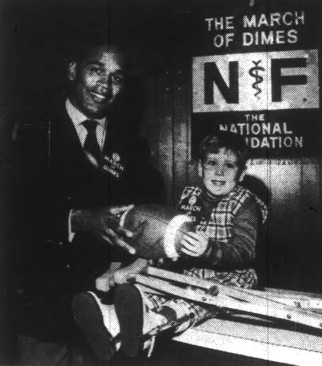
His teammates on the offensive line called themselves “The Electric Company” because they turned on The Juice. That kind of chemistry, that kind of nickname — it tells you everything about how O.J. was perceived. He wasn’t just a stat machine. He was a brand before athletes were brands.
By the time he retired in 1979 after brief stints with the San Francisco 49ers, O.J. had five rushing titles, six Pro Bowl selections, and a place cemented in the Pro Football Hall of Fame (inducted in 1985). But football was just the beginning.
OJ Simpson’s Hertz Commercials Changed Advertising
Here’s where O.J. became something bigger than sports. In 1975, Hertz Rent-A-Car signed him to what would become one of the most iconic advertising campaigns of the 20th century. The commercials showed O.J. sprinting through airports, hurdling luggage, and dashing to his rental car while an announcer proclaimed “Go, O.J., go!”
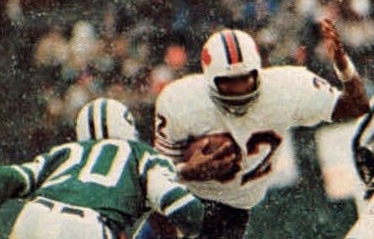
These weren’t just commercials — they were cultural events. Everyone knew them. Everyone quoted them. And they made O.J. one of the first Black athletes to become a major corporate spokesperson in mainstream American advertising.
Think about what that meant in the mid-1970s. America was barely a decade past the Civil Rights Act. The country was still deeply divided on racial lines. And here was O.J. Simpson, a Black man, being positioned as the aspirational, trustworthy face of a major American corporation. Hertz didn’t hire him to appeal to Black consumers — they hired him to appeal to everyone. And it worked.
The Hertz campaign ran for years and made O.J. a household name far beyond football circles. Your grandmother knew who O.J. Simpson was, and it wasn’t because she watched the Bills play on Sundays.
OJ Simpson Movies: From Towering Inferno to Hollywood Star
With his good looks, easy charisma, and that million-dollar smile, Hollywood came calling. O.J. started appearing in movies in the early 1970s, with roles in films like The Towering Inferno (1974) alongside Steve McQueen and Paul Newman, and The Klansman (1974) with Lee Marvin and Richard Burton.
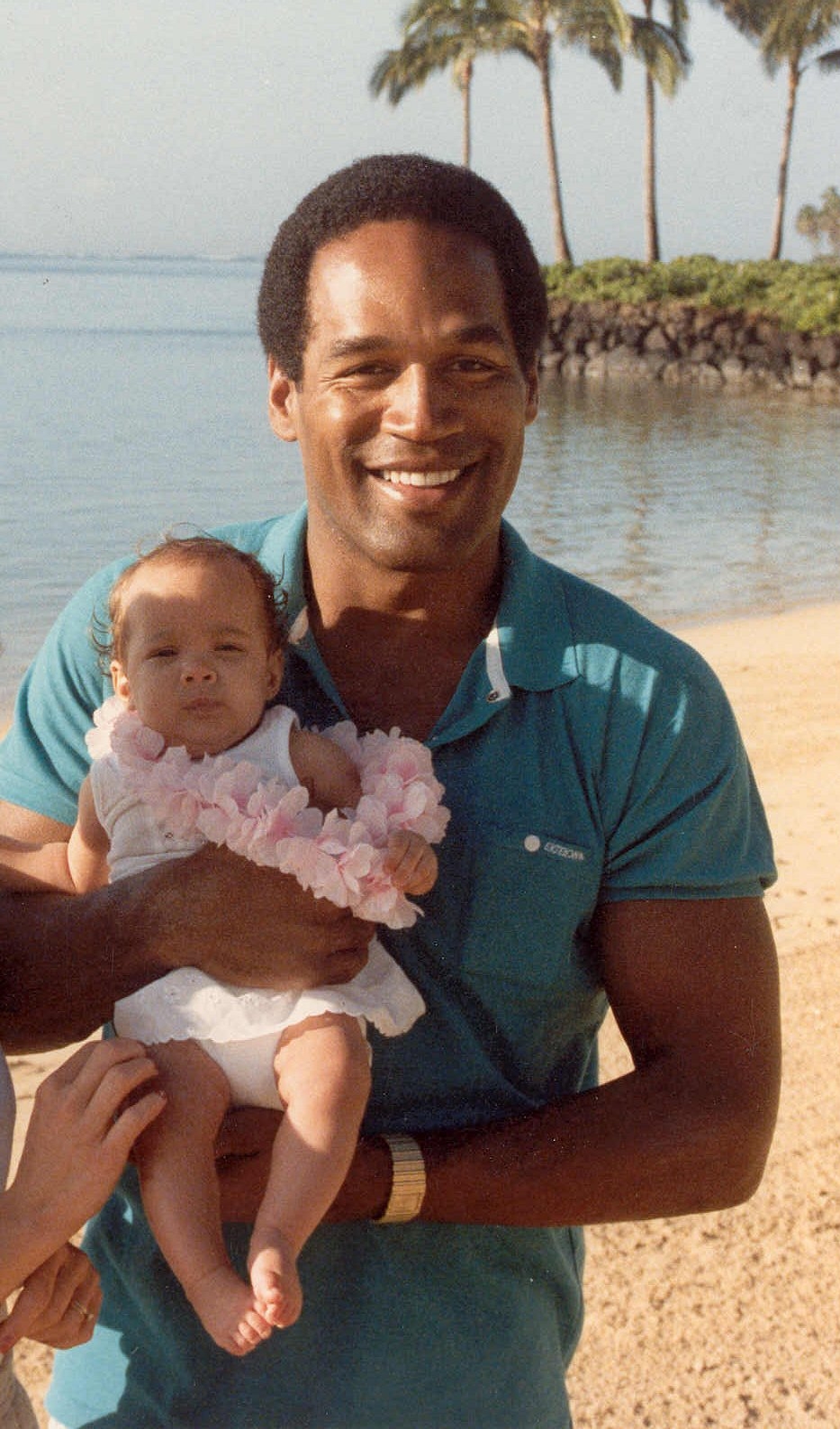
He wasn’t going to win any Oscars, and nobody pretended otherwise. But O.J. had genuine screen presence and an easygoing likability that made him perfect for certain roles. He showed up in Capricorn One (1978), a conspiracy thriller about a faked Mars landing, and several TV movies throughout the late ’70s and ’80s.
But the role that cemented his movie legacy was Detective Nordberg in the Naked Gun franchise. Starting with the TV show Police Squad! and exploding into the 1988 smash hit The Naked Gun: From the Files of Police Squad!, O.J. played the perpetually injured, hilariously unlucky sidekick to Leslie Nielsen’s deadpan Frank Drebin.
The Naked Gun movies were massive hits. The first film grossed over $78 million. O.J. was genuinely funny in them — getting shot, falling off buildings, stumbling through plate glass — all with that signature grin. He returned for The Naked Gun 2½: The Smell of Fear (1991) and Naked Gun 33⅓: The Final Insult (1994). That last one came out just months before everything changed.
Monday Night Football and Broadcasting
After retiring from playing, O.J. moved seamlessly into the broadcast booth. He joined ABC’s Monday Night Football as a commentator and analyst, bringing the same easy charm that made him a commercial star.
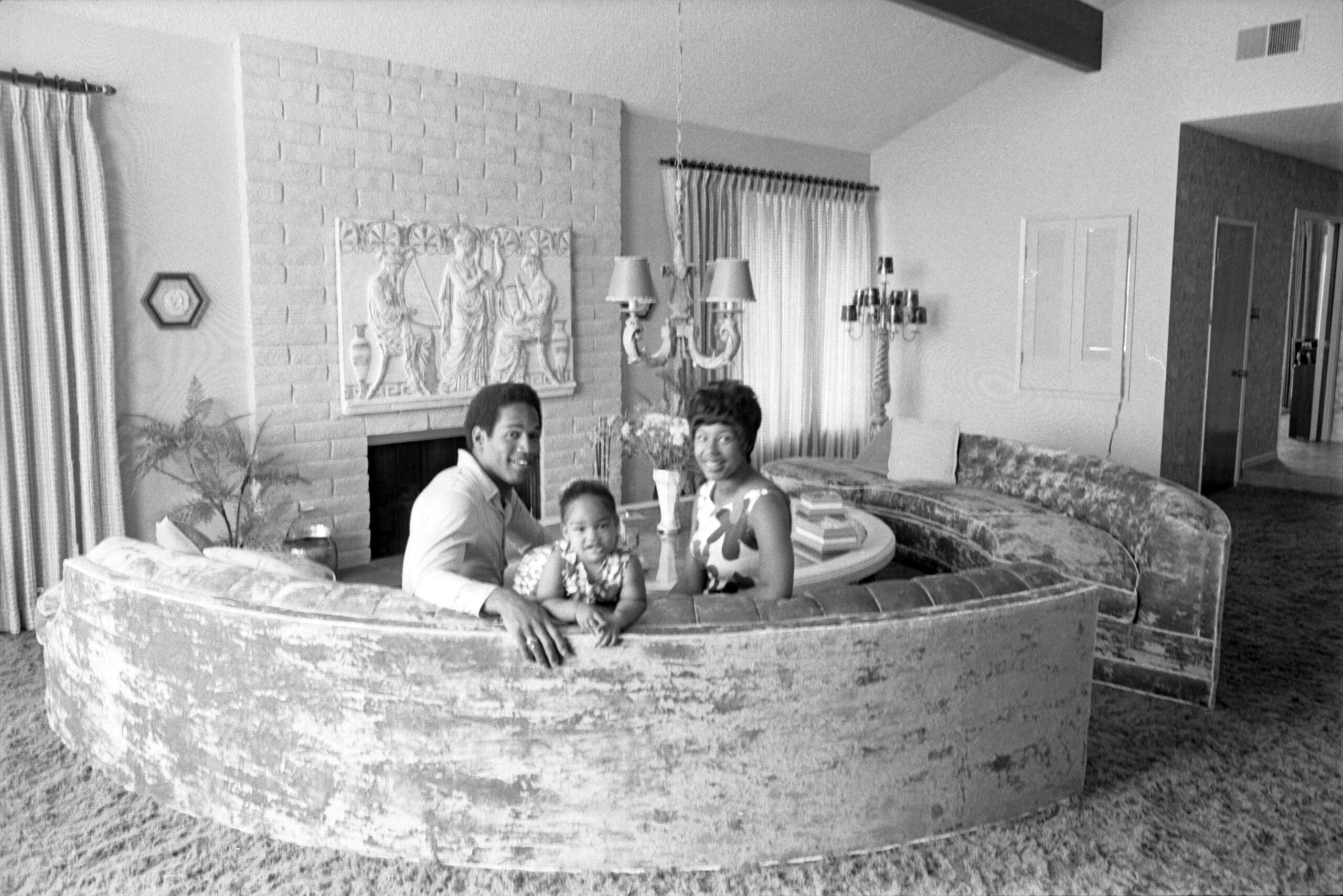
He later worked for NBC Sports, covering football and appearing on various sports programs throughout the 1980s. O.J. was a natural on camera — articulate, funny, relatable. He made the transition from athlete to media personality look effortless at a time when most retired jocks could barely string a sentence together on live TV.
His broadcasting career kept him in the public eye and reinforced his image as a genial, approachable celebrity. He was the guy you’d want to have a beer with, the neighbor who happened to be famous. That perception would make what came later all the more shocking.
The All-American Image: OJ Simpson as 80s Icon
By the 1980s, O.J. Simpson had achieved something remarkable — a kind of fame that had no asterisks, no controversies, no baggage. He was a quintessential 80s pop culture figure who moved effortlessly between the worlds of sports, entertainment, and corporate America.
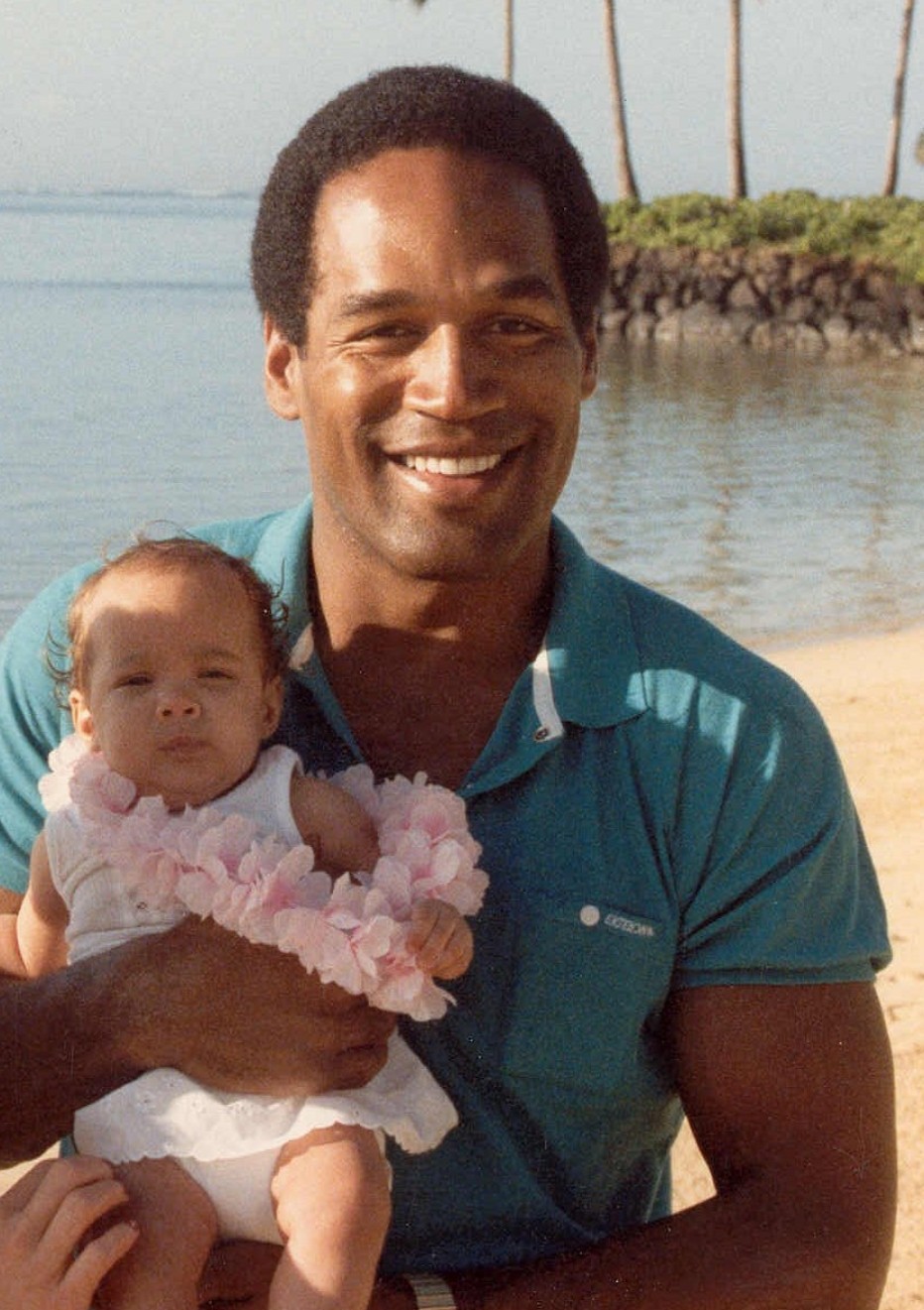
He lived in a sprawling estate in Brentwood, drove nice cars, played golf with executives, and attended the right parties. He was on magazine covers, talk shows, and award ceremonies. He hosted events and showed up at charity functions. For the entirety of the Reagan era, O.J. Simpson was the very definition of the American Dream — a kid from the projects of San Francisco who made it to the absolute pinnacle of fame and fortune through talent and charisma.
And here’s the thing that’s hardest to convey to anyone born after 1985: there was no controversy. No scandals. No whispers. O.J. was clean. He was beloved by white America and Black America. He’d effectively transcended the racial divide in a way that very few public figures have ever managed.
He was friends with everyone. He golfed with CEOs. He hung out with movie stars. He was invited everywhere and welcome at every table. The man was bulletproof — socially, culturally, commercially.
The 80s Celebrity Lifestyle
O.J.’s lifestyle in the 1980s was the stuff of celebrity fantasy. His Brentwood estate on Rockingham Avenue was a sprawling compound with a pool, tennis court, and guest house. He threw legendary parties that attracted Hollywood’s A-list.

He married Nicole Brown in 1985, and they were seen as a glamorous couple — the kind of beautiful, fit, 80s couple that looked like they stepped out of a magazine spread. They had two children together, and O.J. projected the image of a devoted family man who’d made it to the top without losing his soul.
He was a regular at exclusive restaurants, celebrity golf tournaments, and charity events. He flew first class everywhere. He drove a Bentley. He wore expensive suits. And through it all, he maintained that down-to-earth, regular-guy persona that made everyone feel like they knew him personally.
Why OJ’s Fall Hit So Hard
Understanding pre-trial O.J. is essential to understanding why June 1994 was such an earthquake. When those murder charges came, it wasn’t like a controversial figure getting in trouble — it was like finding out Mr. Rogers had a dark side. The cognitive dissonance was staggering.
America had spent 25 years building O.J. Simpson into the perfect crossover celebrity. He was the guy corporations trusted with their brand. He was the guy Hollywood put in comedies because audiences loved him. He was the guy who made everyone laugh on The Tonight Show and looked great doing it.
That’s why the Bronco chase drew 95 million viewers. That’s why the trial became the biggest media event since the moon landing. It wasn’t just about a murder case — it was about the complete destruction of a carefully constructed American myth.
For those of us who grew up watching O.J. hurdle suitcases in Hertz commercials and crack up as Nordberg in The Naked Gun, the whole thing felt like a betrayal of something we didn’t even know we believed in. We believed in The Juice. And when The Juice turned out to be something else entirely, it changed how we looked at celebrity, fame, and the stories we tell ourselves about the people we admire.
But in the 1980s? None of that had happened yet. In the 1980s, O.J. Simpson was still America’s guy — the greatest running back who ever lived, the Hertz man, the movie star, the broadcaster, the neighbor everyone wished they had. And man, what a ride it was.