Star 67 Phone Secrets and Caller ID: How Technology Killed Prank Calls Forever
There was a time, not that long ago, when every phone call was a complete mystery. The phone would ring — that harsh, mechanical bell sound that could wake the dead — and you had absolutely zero information about who was on the other end. It could be your best friend, your grandma, a telemarketer, your school calling to report your absence, or some random weirdo who dialed a wrong number. You just had to pick it up and find out.
For Gen Xers who grew up in this wild west of telephone anonymity, the introduction of caller ID in the early 1990s changed everything. It killed prank calls as an art form, ended the era of phone roulette, and fundamentally rewired how we relate to that ringing device on the kitchen wall. This is the story of how *67, star 69, and a little LCD screen murdered telephone mystery forever.
Before Caller ID Every Phone Call Was an Adventure
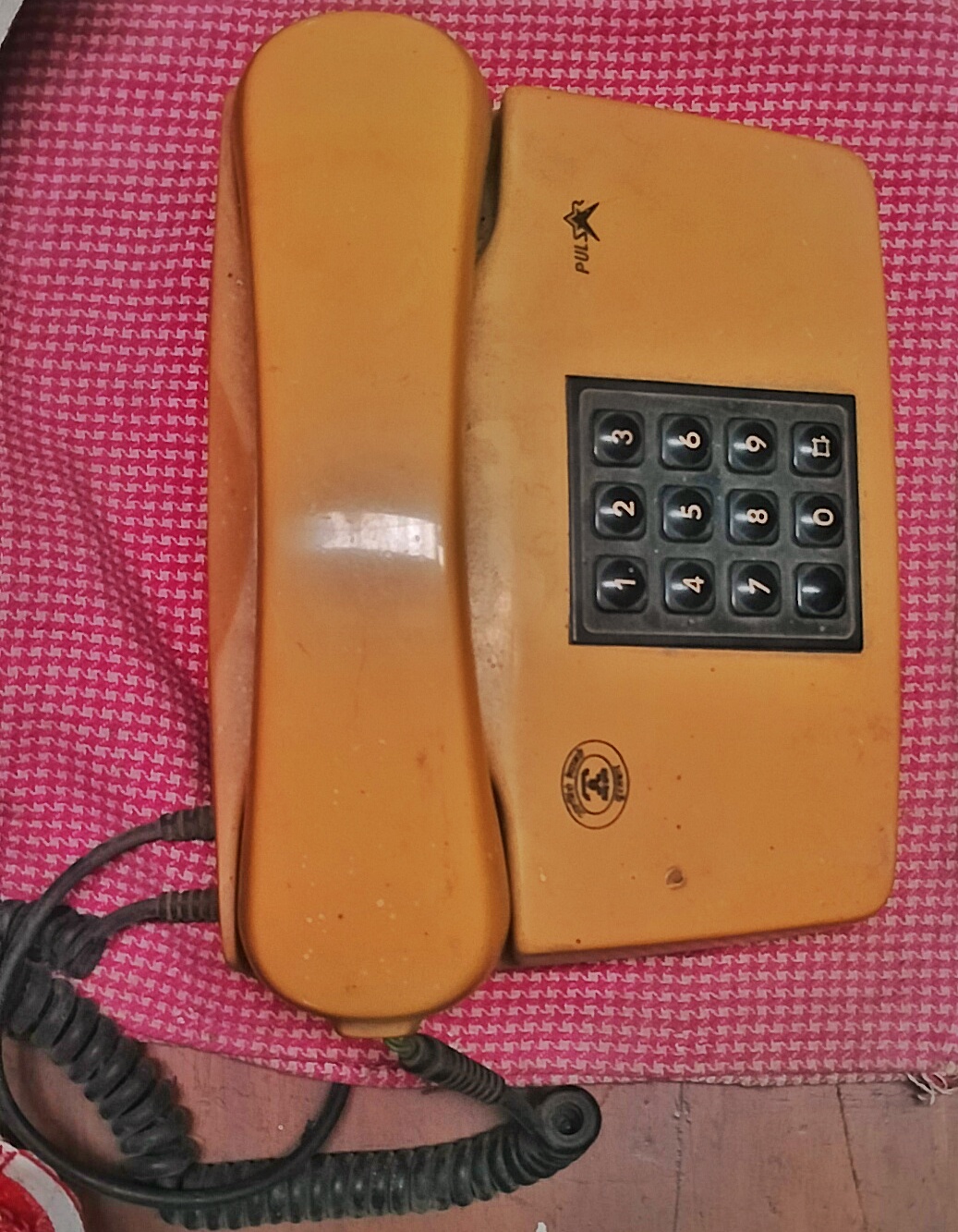
If you grew up in the 70s and 80s, you understand something that younger generations literally cannot comprehend: the phone ringing was an event. There was no screening. There was no “let it go to voicemail” because answering machines didn’t become common until the mid-1980s. When that phone rang, somebody in the house had to answer it. Period.
This created some genuinely chaotic situations. You’d sprint across the house to grab the phone mounted on the kitchen wall, out of breath, and say “Hello?” with absolutely no idea what was coming next. Maybe it was the neighbor asking to borrow a cup of sugar. Maybe it was your aunt calling long-distance from Florida, which meant someone was probably dead because long-distance calls cost real money and nobody wasted them on small talk.
Dinnertime was the worst. The phone would ring right as your mom put the casserole on the table, and someone would have to get up and answer it because it might be important. It was NEVER important. It was always someone selling vinyl siding or conducting a survey about laundry detergent. But you couldn’t know that until you picked up the receiver, because caller ID didn’t exist yet.
The telephone itself was a shared family resource. There was usually one phone in the house — maybe two if your parents were fancy — and it sat in the most public possible location. Privacy was achieved by stretching the curly cord as far as it would go, around the corner and into the bathroom, while whispering intensely. Your siblings would still hear everything.
Prank Calls Were a Legitimate Art Form
Before caller ID technology, prank calling was practically an organized sport for kids. Every sleepover, every boring Saturday afternoon, every snow day — somebody was picking up the phone and dialing random numbers from the phone book. And the beautiful part was that there were absolutely zero consequences because nobody could trace you.
The classics were legendary. “Is your refrigerator running? Well you better go catch it!” was the entry-level stuff. Then you’d graduate to the more sophisticated pranks: calling a hardware store and asking for items that didn’t exist, doing fake radio station prize giveaways, or the absolute pinnacle — the Bart Simpson-style calls where you’d ask for people with ridiculous names. “I’m looking for a Mr. Jass. First name Hugh.”
Some prankers took it to genuine art. The Jerky Boys built an entire career on recorded prank calls, selling 8 million albums in the 1990s. Their characters — Sol Rosenberg, Frank Rizzo, Jack Tors — became cultural icons. They even got a movie deal. All from calling random businesses and saying unhinged things in funny voices. That career path simply does not exist in a post-caller ID world.
The Simpsons immortalized prank calling with Bart’s legendary calls to Moe’s Tavern. “I’m looking for Amanda… Amanda Huginkiss.” Those scenes resonated because every kid watching had done the exact same thing. Prank calling was a shared cultural experience that bonded an entire generation.
Star 67 Phone Tricks and the Invention of Caller ID
The technology behind caller ID had been brewing since 1968 when Theodore George Paraskevakos, a Greek-American inventor, developed a method to transmit a caller’s number to the receiver’s device. But it took decades of development, phone company infrastructure upgrades, and regulatory battles before it reached regular consumers.
BellSouth became the first major carrier to offer caller ID as a commercial service in 1988, rolling it out in select markets in Tennessee and New Jersey. By 1992, it was spreading rapidly across the country. Phone companies sold little boxes that sat next to your phone with a small LCD screen that displayed the incoming number. Some of the fancier models could store the last 50 numbers and even show the caller’s name.
The reaction was immediate and dramatic. Parents loved it — finally, they could see who was calling before picking up. Telemarketers hated it because people stopped answering unknown numbers. And kids? Kids were absolutely devastated. The golden age of the prank call was over, murdered by a little liquid crystal display.
But then came the countermeasure: star 67 (*67). By pressing *67 before dialing, you could block your number from appearing on the other person’s caller ID. The display would just show “PRIVATE” or “BLOCKED.” It was the arms race of telephone technology. Caller ID invented the shield, and *67 invented the sword. For a brief, glorious period in the mid-1990s, *67 restored prank calls to their former glory.
Star 69 Changed Everything About Phone Accountability
If *67 was the prank caller’s best friend, *69 was their worst nightmare. By dialing *69, you could call back the last person who called you, whether they blocked their number or not. Suddenly, hanging up on someone wasn’t the end of the conversation. They could call you RIGHT BACK.
This created a genuinely terrifying escalation for prank callers. You’d call someone, do your bit, hang up laughing — and then YOUR phone would ring. Heart stopping. Palms sweating. You’d stare at the phone wondering if the person you just pranked had figured out *69. Sometimes they had, and you’d hear an extremely angry adult voice saying “I KNOW IT WAS YOU” which was usually a bluff but still terrifying at age 12.
The *67 versus *69 cat-and-mouse game became a defining technology battle of the 1990s. Phone companies were making money on both ends — charging for the caller ID service AND charging per use for *69 callbacks. It was a beautiful racket. Create the problem, sell the solution, sell the counter-solution, repeat.
Some phone users went nuclear and subscribed to “anonymous call rejection,” which automatically blocked all calls from numbers using *67. This meant that if you tried to prank someone with *67, you’d get an automated message saying the person didn’t accept anonymous calls. The arms race was over. Technology had won, and the prank callers of the dial-up era were officially outgunned.
The Death of Phone Anonymity Changed Society
Caller ID did more than just kill prank calls. It fundamentally changed how humans relate to the telephone. Before caller ID, you HAD to answer the phone because any call could be important. After caller ID, you could decide not to answer, and that changed the social contract around phone calls permanently.
Think about what that means. Before caller ID, people answered the phone reflexively. The ring demanded a response. After caller ID, people became selective about which calls to take. This was the beginning of what we now call “screening calls,” and it’s so deeply embedded in modern culture that the idea of answering every call from an unknown number sounds insane.
The technology also had serious implications for domestic violence victims, stalking cases, and personal safety. For the first time, people could see who was calling and decide whether it was safe to answer. Privacy advocates had complicated feelings — caller ID gave the call recipient information at the expense of the caller’s anonymity. Whose privacy matters more? That debate raged through the 1990s and never really got resolved.
Cell phones, which exploded in popularity in the late 1990s and early 2000s, came with caller ID built in from the start. There was no opt-in period, no special box to buy. Every call on a cell phone showed a number (or a name from your contacts). The generation that grew up playing games at the arcade was now carrying phones that eliminated anonymity entirely.
From Star 67 to Smartphones and Spam Detection
The evolution didn’t stop with basic caller ID. Today’s smartphones use AI-powered spam detection, community-sourced databases of known scam numbers, and apps like Truecaller that identify callers even if they’re not in your contacts. We went from total anonymity to total surveillance in about 30 years.
The irony is thick. The same generation that made prank calls from kitchen phones now gets 15 robocalls a day and wishes they could go back to the days when the phone only rang for real people. The FCC reports that Americans receive approximately 50 billion robocalls per year. Fifty. Billion. We solved the prank call problem and replaced it with something infinitely worse.
The STIR/SHAKEN protocol, implemented by phone carriers starting in 2021, attempts to verify that caller ID information hasn’t been “spoofed” — which is basically high-tech caller ID for the caller ID. We’re now adding layers of verification on top of a system that was invented to solve a problem (anonymous calls) that was invented when Alexander Graham Bell first said “Mr. Watson, come here.”
For those of us who remember the pre-caller ID days, there’s a bittersweet nostalgia to all of this. Yeah, prank calls were juvenile. Yeah, answering every call was annoying. But there was something genuinely exciting about that moment of mystery when the phone rang. That three-second window of pure possibility before you picked up the receiver and said “Hello?” — you never knew if it was going to be the best call of your life or a complete waste of time. In a world where every call comes pre-labeled, pre-screened, and pre-judged, we lost something we didn’t even know we valued. And no amount of *67 is going to bring it back.