Sony Walkman: The Portable Cassette Player That Changed How We Listen to Music
There’s a moment every Gen X kid remembers. You’re walking down the street, foam headphones clamped over your ears, the orange sponge pads slightly sweaty against your skin. A mixtape is playing — maybe one you made yourself, maybe one your crush made for you. The world outside is moving, but you’re in your own private concert. That rectangular device clipped to your belt or shoved in your jacket pocket? That was the Sony Walkman, and it didn’t just change how we listened to music. It changed everything.
Before the Walkman showed up in 1979, listening to music was a stationary activity. You sat in your room with your turntable. You lugged around a boombox that weighed more than your backpack. You listened to whatever the radio decided to play. The idea that you could carry your entire music collection in your pocket and listen to whatever you wanted, wherever you wanted? That was science fiction. Until Sony made it reality.
The Birth of Personal Music — Sony’s Gamble That Paid Off
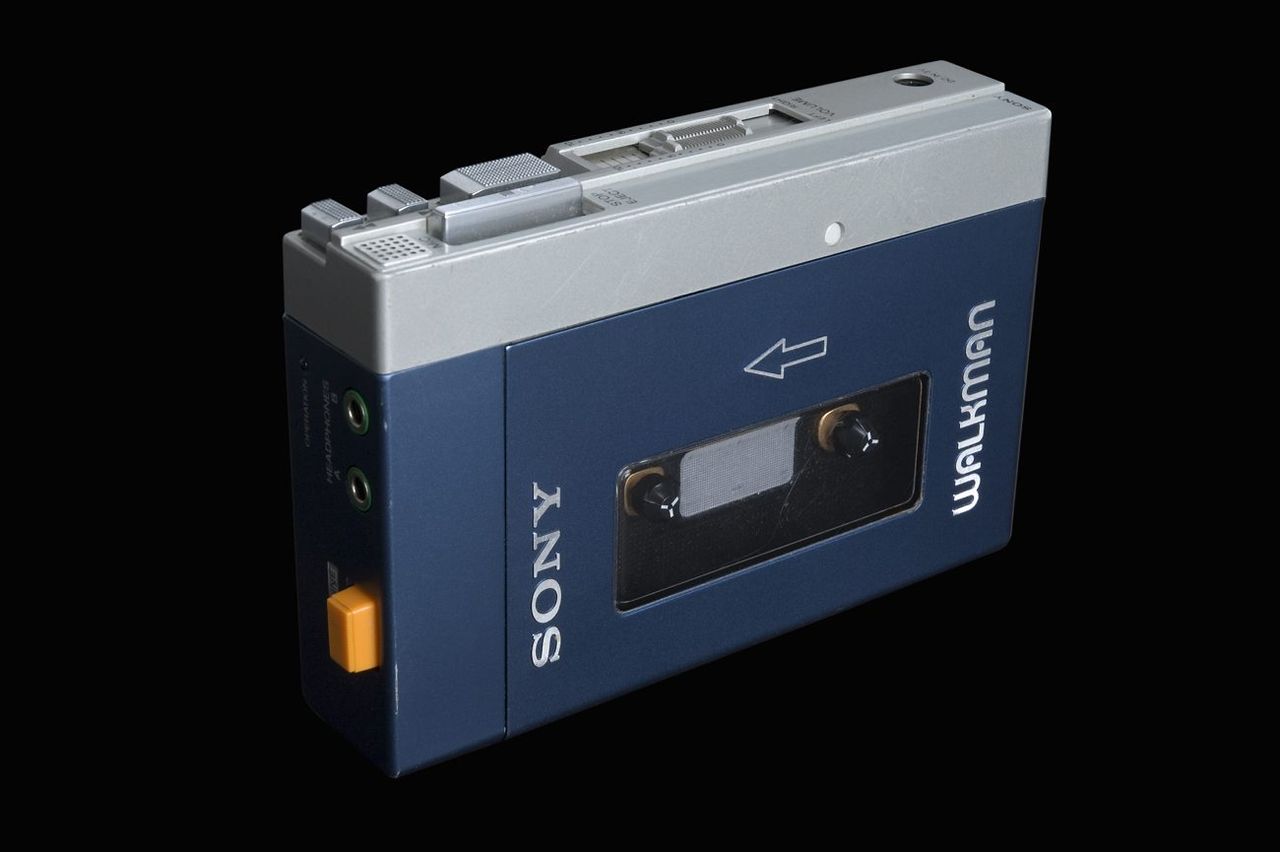
Here’s the thing about the Walkman — Sony’s own people thought it was a terrible idea. When co-founder Masaru Ibuka walked into the office one day complaining about lugging around a heavy tape recorder on international flights, engineer Nobutoshi Kihara started tinkering. He modified a small cassette recorder called the Pressman, stripped out the recording function and the speaker, and added a stereo amplifier. The result was the TPS-L2, which hit stores in Japan on July 1, 1979.
Sony’s marketing department was skeptical. Who would buy a tape player that couldn’t record? The device had no speaker — you had to use headphones. It couldn’t do the one thing tape players were supposed to do. The sales team predicted doom. Chairman Akio Morita bet his reputation on it anyway, reportedly telling staff that if the Walkman didn’t sell 30,000 units in its first year, he’d resign. It sold 30,000 in the first two months.
The initial price tag was 33,000 yen — about $150 in 1979 dollars. Not cheap for a teenager, but not impossible if you saved your allowance and mowed enough lawns. Within a year, it was the must-have gadget. Not just in Japan — worldwide. Sony sold 200 million Walkman units across all its iterations. Two hundred million. That’s not a product. That’s a cultural revolution.
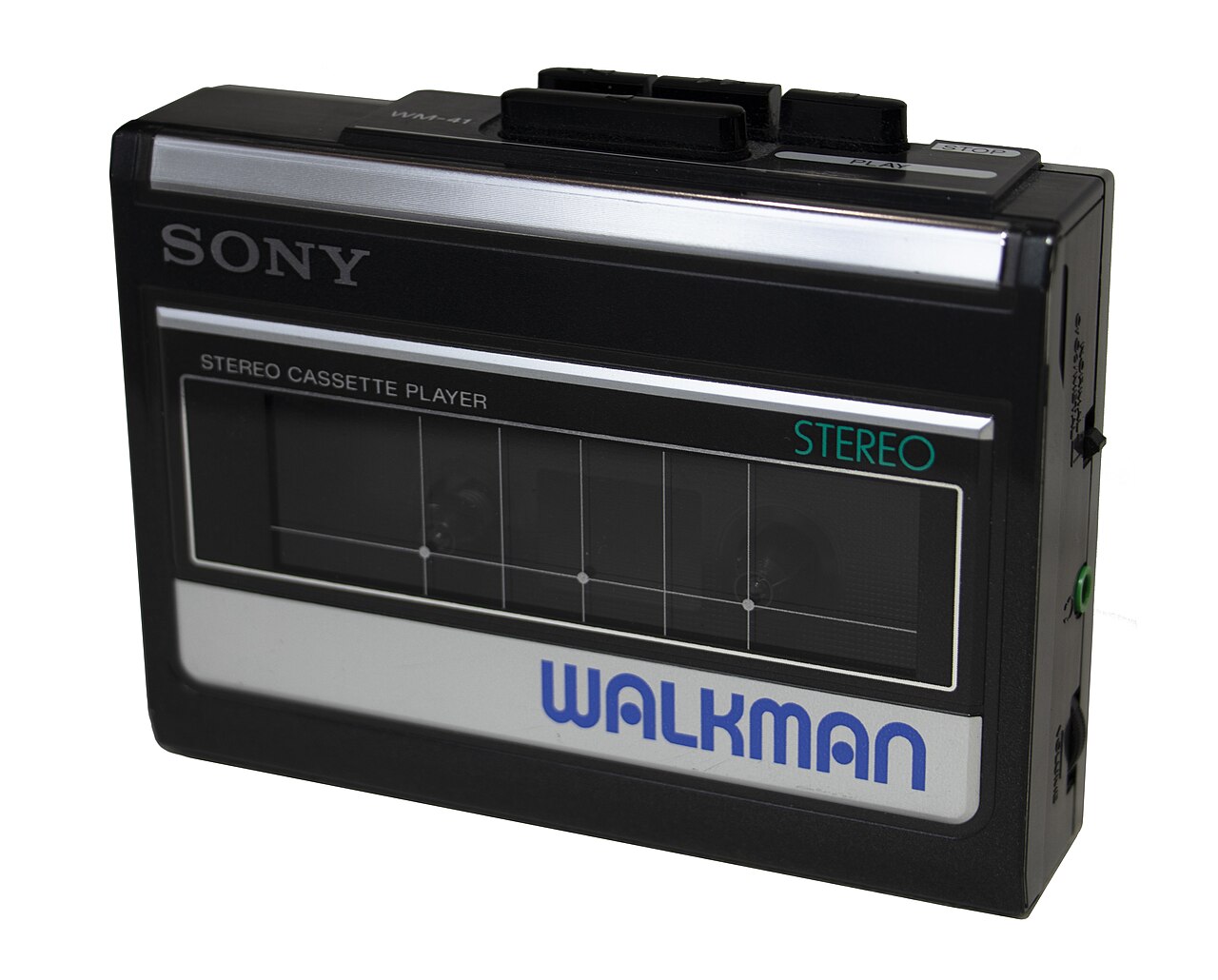
The Yellow Sports Walkman — Toughness Meets Style
If the original silver-and-blue TPS-L2 was the business suit, the yellow Sports Walkman was the leather jacket. Officially the WM-F5 (and later the legendary WM-F15 and WM-AF54 series), the Sports Walkman showed up in the mid-1980s wearing bright banana yellow with a rubberized casing designed to survive being dropped, splashed, and generally abused by active teenagers.
That yellow was iconic. You could spot someone wearing a Sports Walkman from across a football field. It said something about you — that you were active, outdoorsy, maybe a little bit reckless. You were jogging before jogging was called “running.” You were skating. You were on your BMX bike with “Eye of the Tiger” blasting through those foam pads.
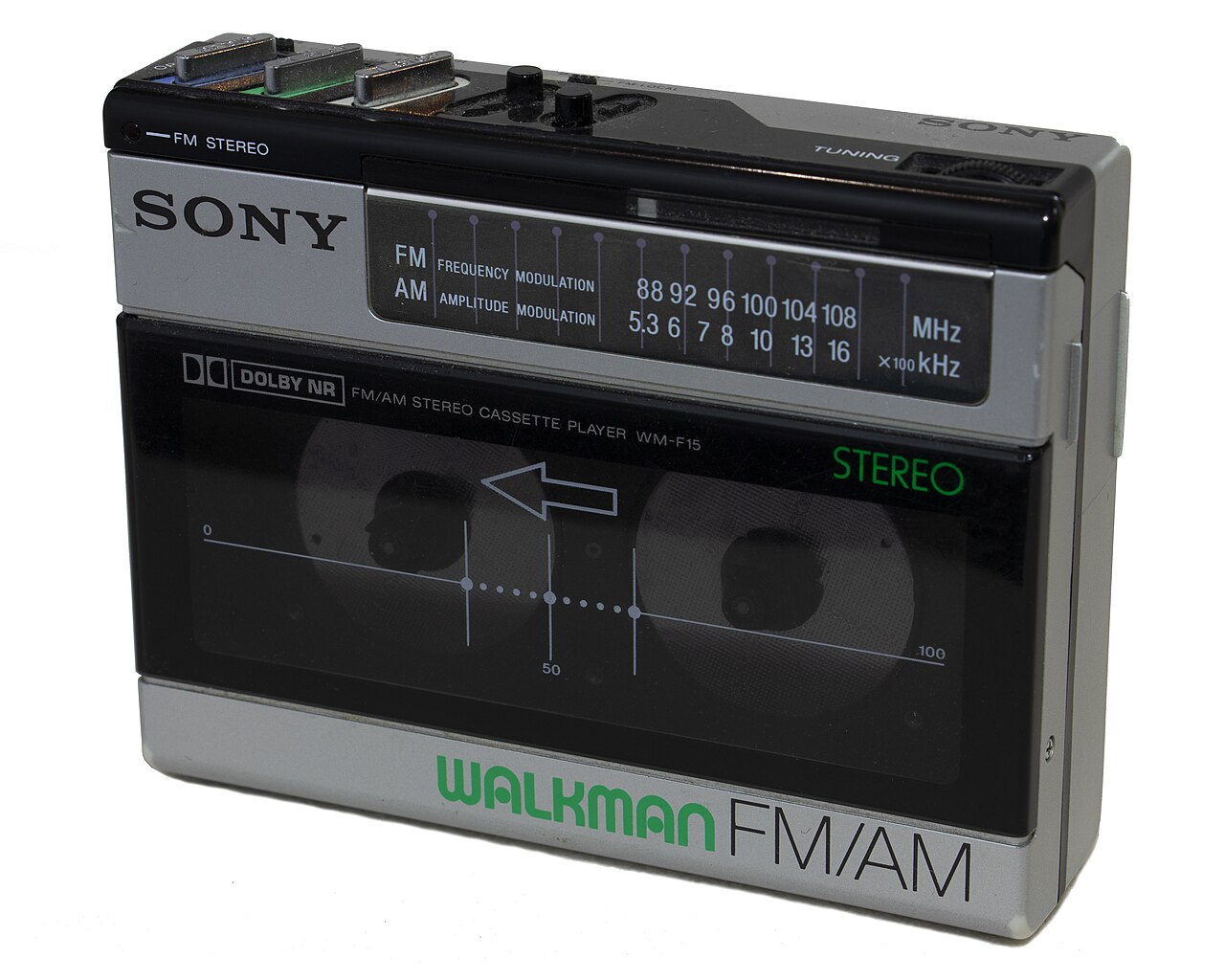
The Sports Walkman claimed to be water-resistant — and to be fair, it could survive a light rain or some sweat. Full submersion? Not so much, despite what the marketing implied. But that didn’t matter. The rubber seals, the snap-lock battery cover, the overall chunky toughness of the thing — it felt indestructible. And compared to the sleek, fragile standard models, it basically was.
If you were a kid in the ’80s, the yellow Sports Walkman was the ultimate flex. You didn’t just listen to music. You listened to music while doing stuff. It was the original fitness tracker, except instead of counting steps, it counted how many times you rewound “Jump” by Van Halen.
Foam Headphones — The Sound of a Generation
Let’s talk about those headphones. If you’re under 30, you might not understand. Today’s earbuds are engineered with noise cancellation and premium drivers. The headphones that came with the Walkman were… different. They were lightweight, sure. They had those orange foam pads that pressed gently against your ears. They let in a ton of outside noise. The bass response was, to put it charitably, theoretical.
And they were perfect.
The foam headphones — technically MDR-3L2 in the earliest models — became as iconic as the Walkman itself. That orange sponge was everywhere in the ’80s. On the subway. In school hallways. Draped around necks in every John Hughes movie. The foam would eventually compress and deteriorate, leaving little orange crumbs in your ears, and you’d just flip the pads over or buy replacements from RadioShack for a dollar.
The sound quality wasn’t audiophile-grade, but it was personal. For the first time in history, you could walk through a crowded room and be completely inside your own musical world. That thin layer of orange foam was the border between your internal soundtrack and the outside world. It was privacy in an era before privacy became complicated.
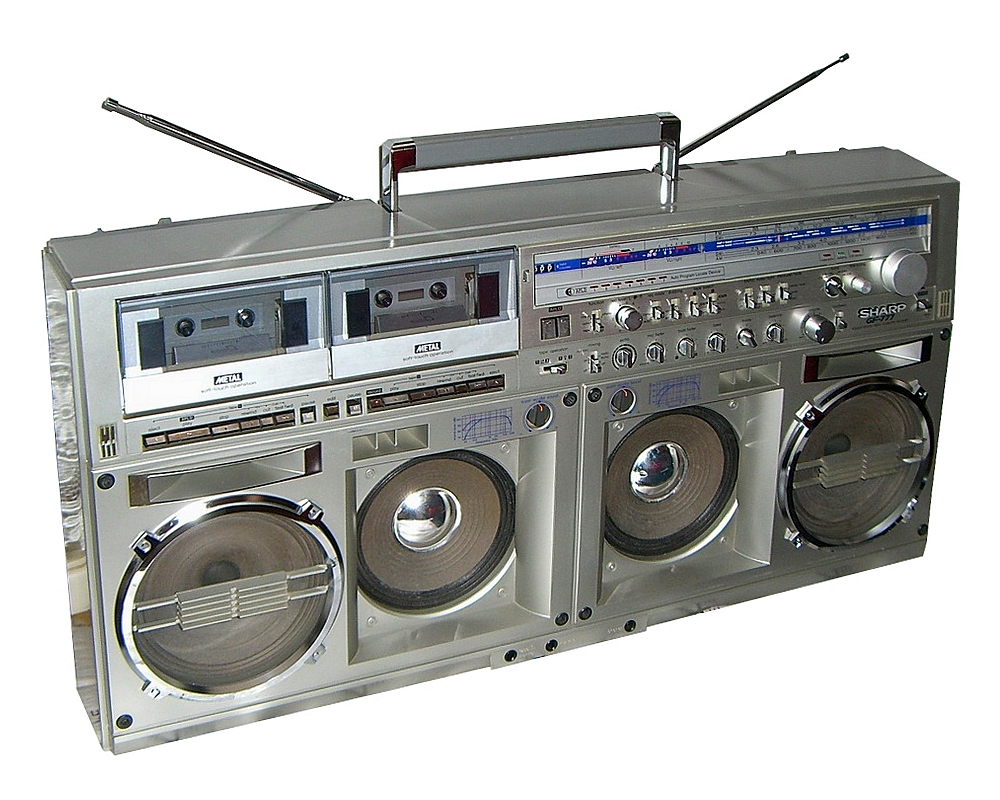
Before the Walkman — The Boombox Era
To really appreciate what Sony did, you need to understand what came before. Portable music in the late ’70s meant one thing: the boombox. Those beautiful, massive, chrome-and-plastic monsters that could blast Kool & The Gang across an entire city block. The Sharp GF-777. The JVC RC-M90. The Lasonic TRC-931.
Boomboxes were incredible machines. They were also enormous. A serious boombox needed eight D batteries and weighed upward of fifteen pounds. You didn’t carry a boombox — you shouldered it, like a soldier carrying a bazooka. And that was the point. Boomboxes were communal. They were for sharing music, for block parties, for establishing dominance on the basketball court.
The Walkman was the opposite philosophy. It was personal, intimate, private. You weren’t sharing your music with the world — you were keeping it for yourself. That shift from communal to personal listening was one of the most significant cultural changes of the decade, and we’re still living with its consequences. Every person on the subway staring at their phone with AirPods in? That started with a Japanese engineer who just wanted to listen to his Bach cassettes on a plane.
The Art of the Mixtape
You cannot talk about the Walkman without talking about mixtapes. They were inseparable — the Walkman was the delivery system, but the mixtape was the payload. And making a mixtape was an art form that has never been replicated by any playlist algorithm.
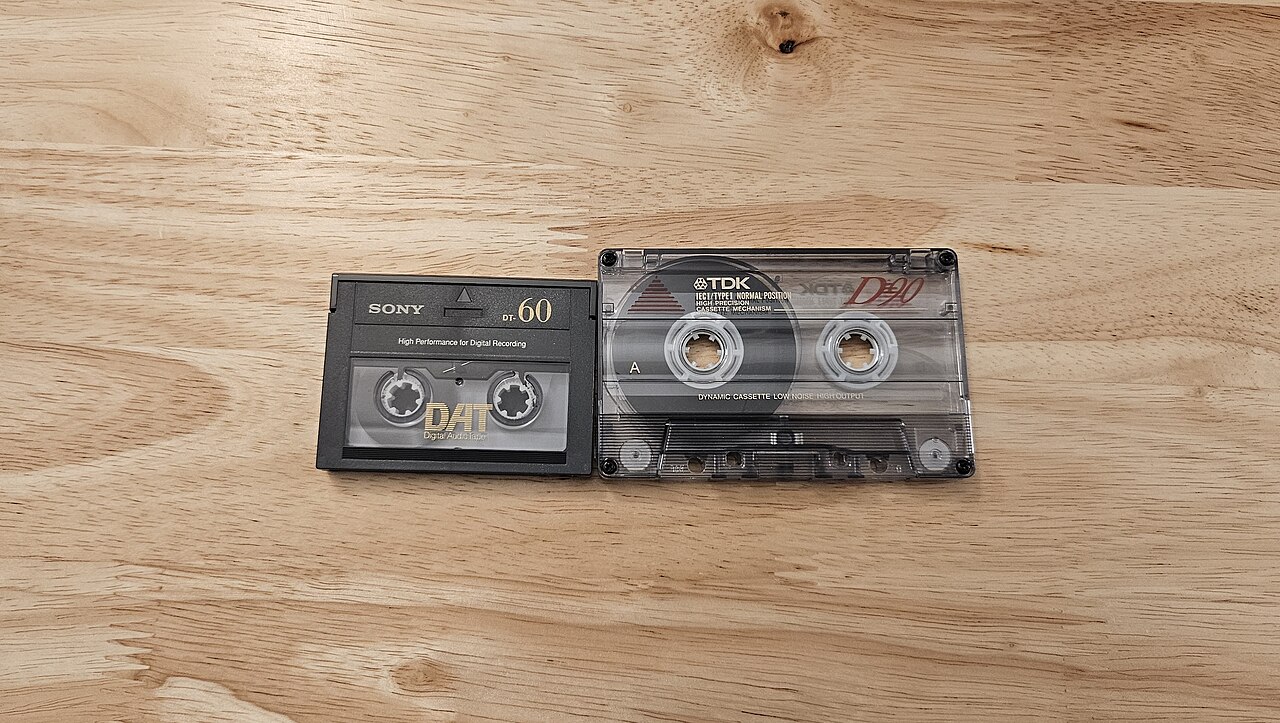
Here’s how it worked: you sat in front of your boombox or your home stereo with a blank Maxell or TDK tape, your finger hovering over the record and play buttons simultaneously. You’d wait for the DJ on the radio to play the song you wanted, then SLAM — both buttons down, recording live. If the DJ talked over the intro, you were furious. If you timed it perfectly and got a clean recording? Pure triumph.
Or maybe you had the good setup — two tape decks — and you could dub from one cassette to another. Or from vinyl. The point was curation. You picked the songs. You decided the order. You thought about flow, about transitions, about what statement each song made in sequence. A mixtape for a road trip was different from a mixtape for studying, which was different from a mixtape for the person you had a crush on. That crush mixtape? That was a love letter.
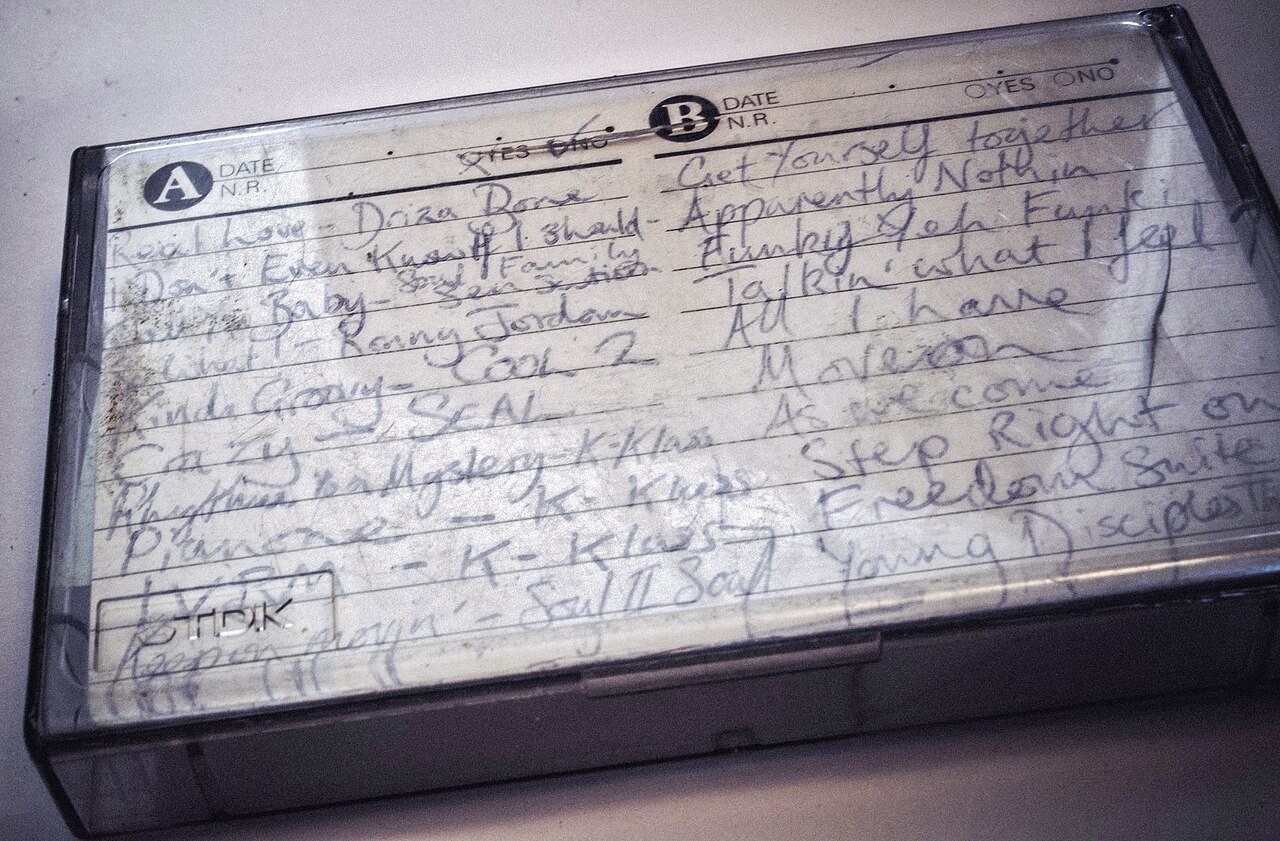
You’d write the tracklist on the little insert card with a felt-tip pen, maybe decorate it, fold it carefully into the case. Then you’d hand it over with a studied casualness that fooled absolutely nobody. “Oh yeah, I just threw some songs together, whatever.” That tape took you four hours to make, and you both knew it.
The Walkman made mixtapes portable. Now that love letter could go everywhere with the recipient. They could listen to your carefully curated feelings on the school bus, during gym class, walking home. The intimacy was staggering when you think about it. You were literally programming someone else’s internal soundtrack.
How the Walkman Changed Society (No, Really)
Sociologists and cultural critics have written entire books about what the Walkman did to public space and social interaction. Before the Walkman, being in public meant being available. You could be approached, spoken to, included in the ambient noise of the world around you. The Walkman created a portable bubble of privacy. Those foam headphones were a “do not disturb” sign.
This freaked people out in the early ’80s. Think about it — suddenly millions of people were walking around in their own little worlds, visibly not present in shared public space. Newspaper editorials warned about the antisocial nature of the device. Schools banned them. Parents worried. Was this the end of human connection?
Sound familiar? We had the exact same freak-out about smartphones, about 80s technology in general, and about basically every personal technology since. The Walkman was the first device that let you publicly signal “I am here but I am not here.” Every device since has been a variation on that theme.
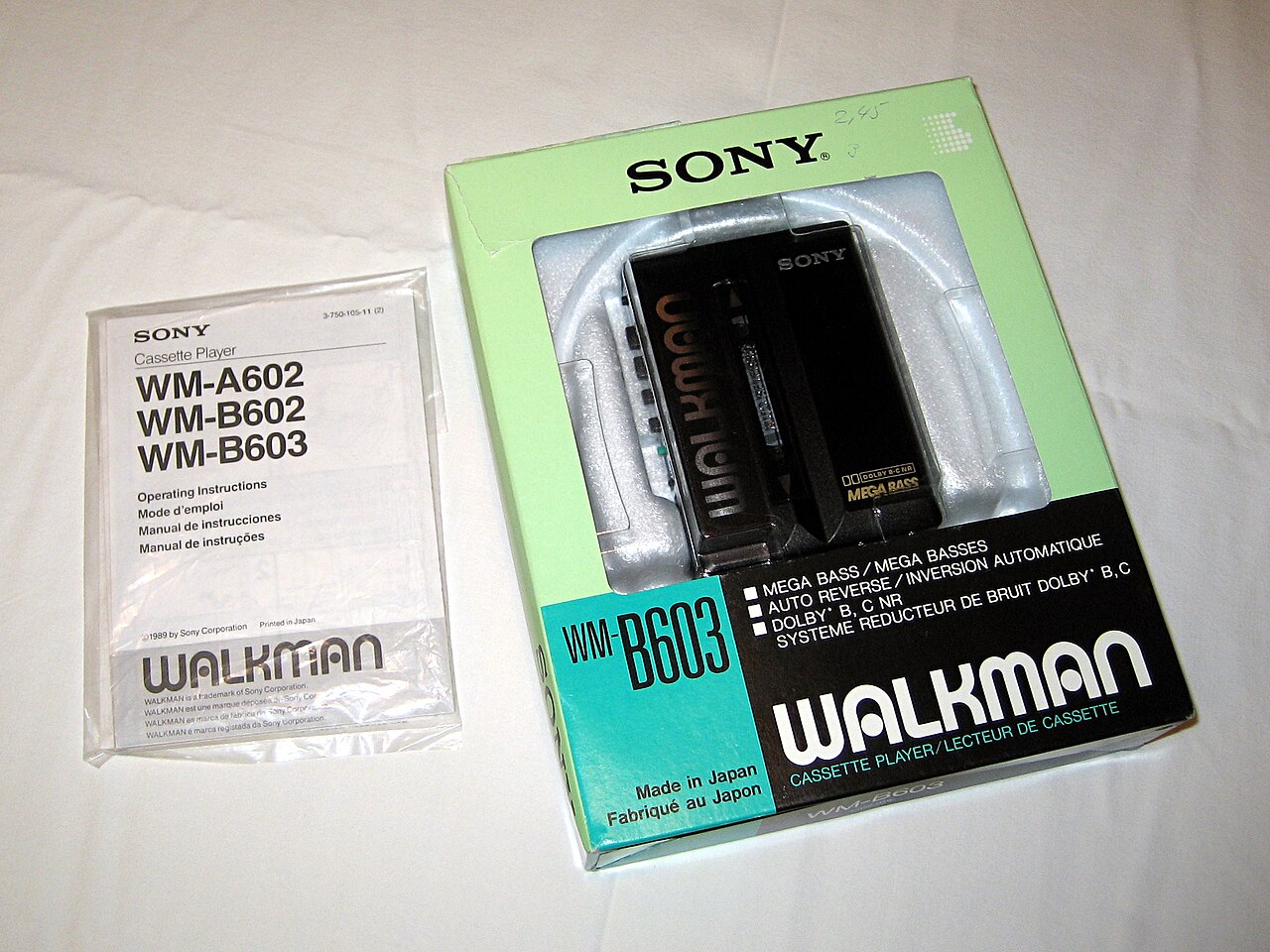
The Walkman’s Greatest Innovation: Auto-Reverse
When Sony introduced auto-reverse to the Walkman lineup in the mid-’80s, it felt like the future had arrived. Before auto-reverse, reaching the end of Side A meant a whole production: stop the tape, open the door, flip the cassette, close the door, press play. You’d mastered the art of doing it one-handed while walking, but it was still an interruption.
Auto-reverse meant the music never stopped. The playback head would literally pivot and start playing the other direction. No fumbling, no interruption, no breaking your stride. For joggers especially, this was revolutionary. Your running playlist could loop endlessly without you touching the device. It was the “repeat” button before digital made it effortless.
Of course, auto-reverse models were more expensive and the mechanism was more prone to failure. But once you experienced uninterrupted playback, there was no going back. It was like trying to use dial-up internet after you’d experienced broadband — technically possible, spiritually unbearable.
The Walkman in Pop Culture
The Walkman was everywhere in ’80s media. Star-Lord in Guardians of the Galaxy made the Walkman cool again for a new generation, but we lived it the first time. Every teen movie of the decade featured someone with headphones around their neck. It was visual shorthand for “this character is cool” or “this character lives in their own world.”
In music, the Walkman didn’t just change how we consumed music — it changed what music got made. Artists and producers started thinking about the headphone experience. Stereo effects that played with left and right channels became more common because the Walkman made headphone listening mainstream. The personal, intimate quality of 80s music was partly shaped by the fact that millions of people were listening through foam pads two inches from their eardrums.
And then there were the knockoffs. Oh, the knockoffs. Every electronics company on Earth rushed to make their own portable cassette player. Aiwa, Toshiba, Panasonic, and dozens of no-name brands you’d find at flea markets. Some were decent. Most were terrible — the tape speed would waver, the buttons would stick, the headphone jack would go mono if you looked at it wrong. But they were cheaper than Sony, and when you’re thirteen and your budget is limited, a $20 knockoff Walkman from Kmart is better than no Walkman at all.
The Slow Fade — CDs, MiniDisc, and the Digital Revolution
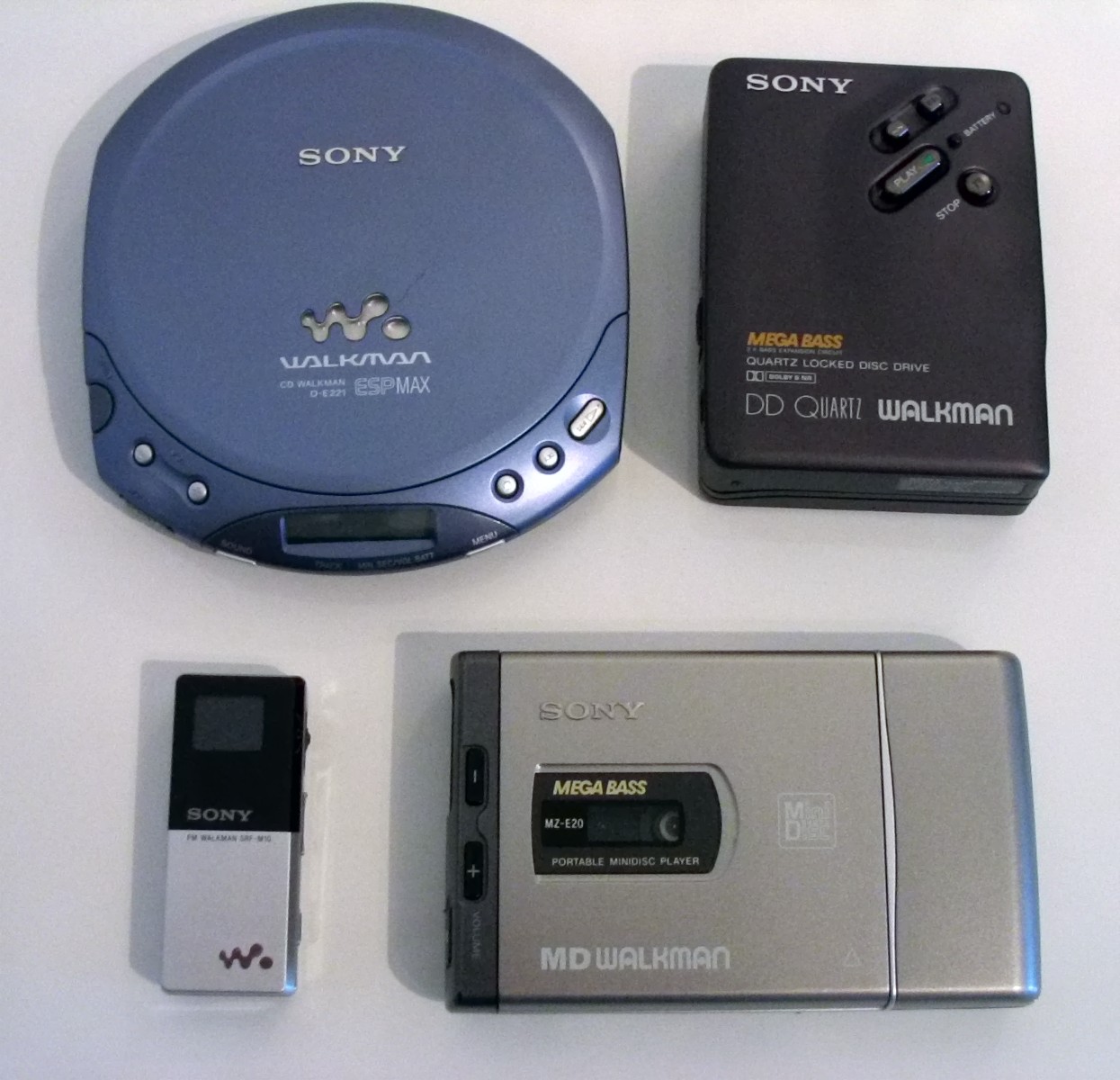
The Walkman didn’t die overnight. Sony adapted — the Discman brought the same personal listening concept to CDs in 1984, and that anti-skip technology from the late ’90s was genuinely impressive. There was even the bizarre MiniDisc format, which was actually amazing technology that arrived at exactly the wrong time.
But the cassette Walkman, the real Walkman? It started fading in the early ’90s as CDs took over. The last cassette Walkman was manufactured in 2010 — a quiet, undignified end for a device that had literally reshaped human behavior. By then, iPods had already conquered the world, doing everything the Walkman did but better, smaller, and with a thousand times more storage.
Still, nothing has ever quite replicated the specific joy of the cassette Walkman. The tactile satisfaction of pressing that chunky play button. The whirr of the tape mechanism. The way you could see the tape reels spinning through the little window. The physical commitment of choosing a cassette — you couldn’t skip to a random song instantly. You had to fast-forward, listening to that high-pitched chipmunk squealing, trying to land on the right spot. It required patience, attention, and a relationship with your music that streaming will never provide.
Why We Still Miss It
Today you can stream every song ever recorded on a device that fits in your pocket. The sound quality is objectively better. The convenience is incomparable. And yet… something is missing. The Walkman forced you to be intentional about your music. You had to choose which cassette to bring. You had to live with that choice. You couldn’t get bored and switch to a different album with a tap — you were committed for the full 45 minutes of Side A and the full 45 minutes of Side B.
That commitment created a deeper relationship with music. When you only had one cassette with you on a long car ride, you listened to every single track, even the deep cuts you’d normally skip. And sometimes those deep cuts became your favorite songs. The limitations of 80s and 90s technology weren’t bugs — they were features that forced a kind of musical patience we’ve completely lost.
The Sony Walkman didn’t just play music. It gave us a personal soundtrack for our lives at a time when our lives were just beginning. Every scratchy, slightly warped, perfectly imperfect song that came through those foam headphones is burned into our memories in a way that no Spotify algorithm will ever touch. If you know, you know. And if you still have a Walkman in a drawer somewhere… maybe it’s time to dig it out and press play one more time.