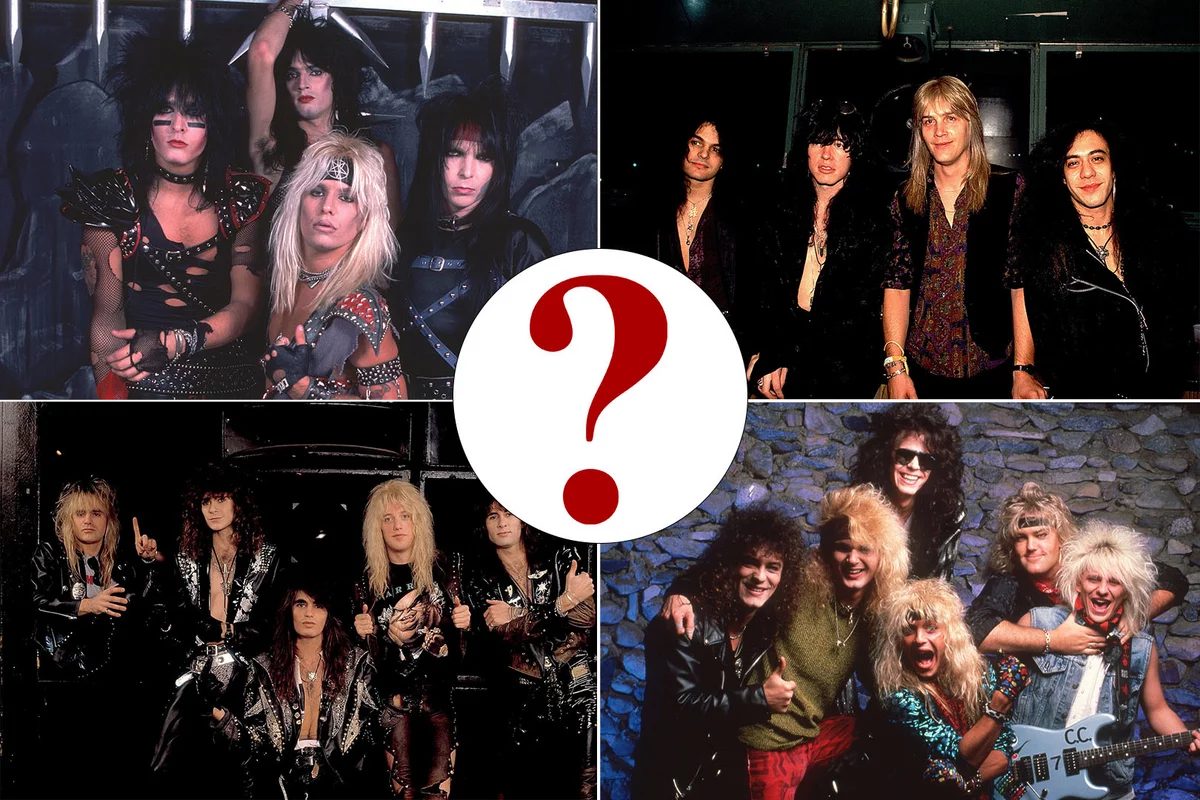
80s Hair Metal Bands That Ruled the Sunset Strip
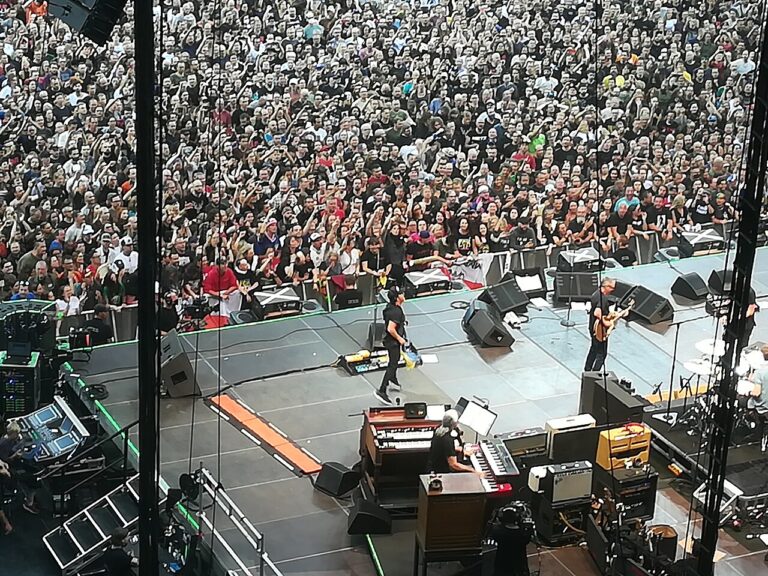
Close your eyes and picture it: a wall of Marshall amps, a fog machine working overtime, a guitarist in leopard-print spandex launching into a face-melting solo while his teased-to-the-heavens hair defies every law of physics. The crowd — a sea of denim, leather, and Aqua Net fumes — throws up devil horns and screams along to every word. This wasn’t just a concert. This was 80s hair metal, and if you lived through it, you know there has never been anything quite like it since.
From roughly 1983 to 1991, hair metal — or glam metal if you wanted to sound fancier — owned rock radio, owned MTV, and owned the dreams of every teenager who ever air-guitared in their bedroom mirror. Mötley Crüe shifted 25 million records before the decade was out. Bon Jovi’s Slippery When Wet moved 12 million copies in the US alone. Guns N’ Roses’ debut album sold 30 million worldwide and stayed on the Billboard 200 for 147 weeks. The numbers were not accidental. The Sunset Strip built a machine, and for about eight years, that machine printed money.
The Retro Almanac
A monthly roundup of "on this day" highlights from that month, decades back — plus first dibs on new retro merch drops. No spam, just the good stuff.
Born on the Sunset Strip: Where Hair Metal Found Its Voice
Every music movement needs a birthplace, and for 80s hair metal bands, that hallowed ground was the Sunset Strip in West Hollywood, California. A neon-soaked stretch of clubs, bars, and questionable decisions running along Sunset Boulevard, the Strip was where bands cut their teeth — and trimmed everyone else’s — before conquering the world.
The Whisky a Go Go. The Roxy Theatre. The Rainbow Bar & Grill. Gazzarri’s. These four venues became launch pads for a generation of rock gods. In the early 1980s, Mötley Crüe, Ratt, Quiet Riot, and W.A.S.P. were slugging it out on the Strip every night, fighting for crowds, record deals, and bragging rights. Bands would print 5,000 flyers and paper every telephone pole between Doheny and La Cienega just to sell out a Tuesday show. The line outside the Whisky stretched halfway around the block. The energy was electric, literally and figuratively.
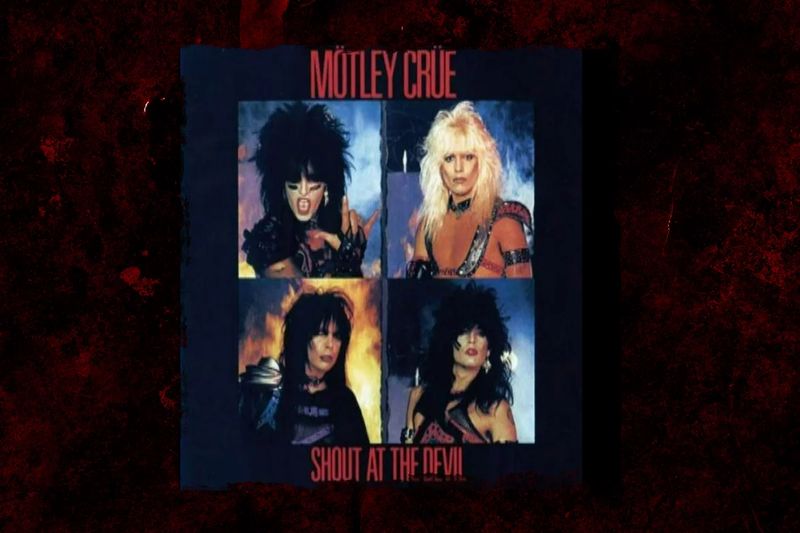
Big Hair, Bigger Choruses: The Mötley Crüe Blueprint
If hair metal had a founding-father band, it was Mötley Crüe. The four of them — Nikki Sixx, Tommy Lee, Mick Mars, Vince Neil — signed to Elektra in 1982 and dropped Shout at the Devil the next year. The album hit number 17 on the Billboard 200 and sold four million copies in the US. The cover was a giant pentagram. The lyrics scared parents. The look — black leather, eyeliner, hair that required a small canister of Aqua Net per day — became the template every band tried to copy.
The Crüe were not great musicians by jazz-school standards. They were great at being Mötley Crüe. Nikki Sixx wrote choruses you could shout at the back of a stadium without remembering most of the verses. Tommy Lee played drums like he was personally angry at the kit. Vince Neil sang in that nasal yowl that somehow worked because everyone else was doing the same thing and Vince was the loudest. The blueprint was complete by 1985: tour, sleep with everyone, get arrested, write the next record about it.
Van Halen and the Sound That Started It All
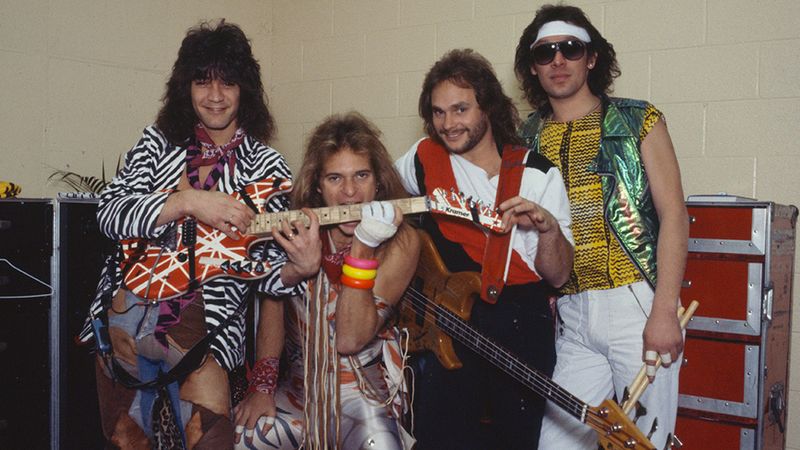
You cannot talk about 80s hair metal bands without bowing toward Van Halen first. They predated the glam explosion — formed in Pasadena in 1972, debut album in 1978 — but everything the genre became, they invented first. Eddie Van Halen’s two-handed tapping on “Eruption” rewrote the rulebook for rock guitar. Guitar World called 1984 a landmark album for exactly that reason: it bridged shredder rock with synth-pop radio hits and proved you could do both without losing your audience.
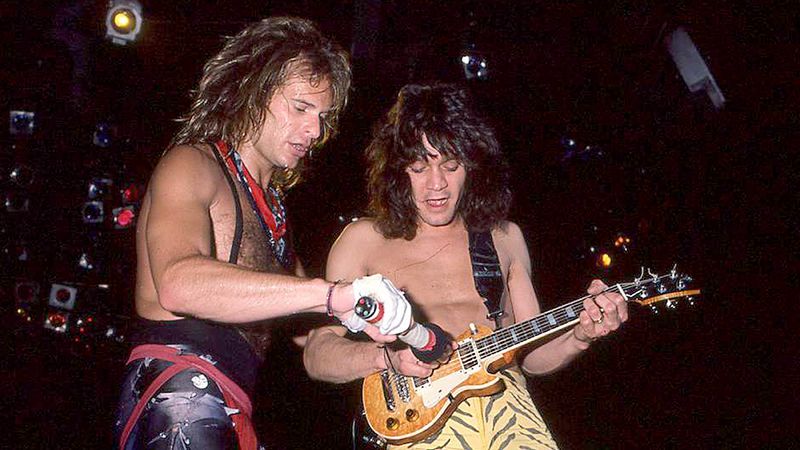
David Lee Roth was the prototype frontman. The scissor kicks. The bandana. The ridiculous interview answers that made Howard Stern look subtle. Every singer who came after — Vince, Bret, Sebastian, even Axl in his more theatrical moments — was working from a Roth flowchart. When Sammy Hagar replaced him in 1985, half the world rioted. The other half bought 5150 and made it the band’s first number-one record.
Def Leppard, Bon Jovi, and the Pop Crossover That Made Millions
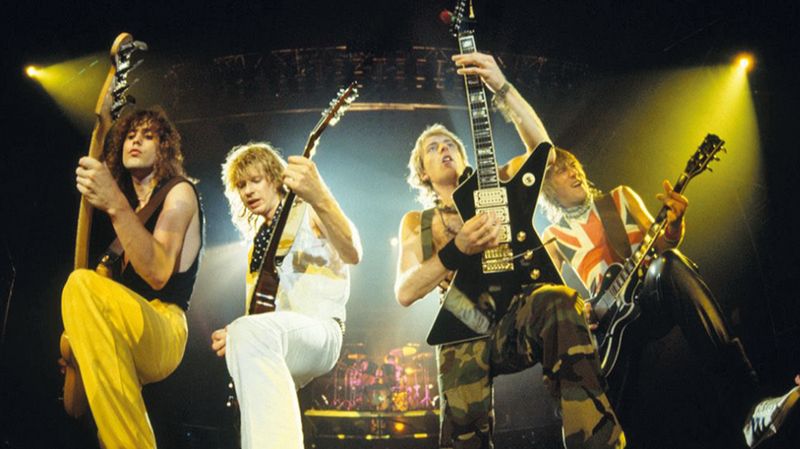
Then came the second wave, and the second wave figured out something the first wave had missed: hair metal could be melodic. Def Leppard’s Pyromania shipped six million copies in the US in 1983. Their next album, Hysteria, took four years to make, partially because drummer Rick Allen lost his left arm in a 1984 car accident and the band waited for him to learn to play one-handed. Hysteria sold 25 million copies worldwide. Read the full story of how “Pour Some Sugar on Me” almost did not make it onto the record.
Bon Jovi from Sayreville, New Jersey took a different route. They watched what Def Leppard did with pop melodies and added a working-class story to it. Slippery When Wet in 1986 spawned “Livin’ on a Prayer” and “You Give Love a Bad Name,” both Billboard number ones. The trick was hiring outside songwriter Desmond Child, who had been writing hits for everyone from KISS to Cher. Suddenly hair metal had its own Phil Spector. Every other band ran out and hired him too.
Poison, Ratt, and the Look That Sold Out Arenas
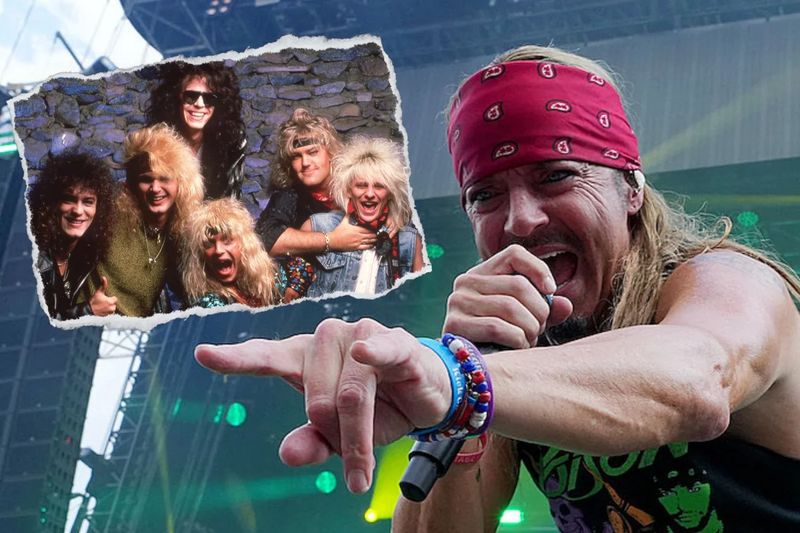
If Mötley Crüe were the founders and Bon Jovi were the crossover, Poison were the boy band. Bret Michaels and C.C. DeVille came to the Strip from Pennsylvania, bleached their hair platinum, wore more lipstick than most of the women they dated, and watched Look What the Cat Dragged In go triple platinum off the back of “Talk Dirty to Me” — a song the band knocked out in fifteen minutes during a hotel-room jam.
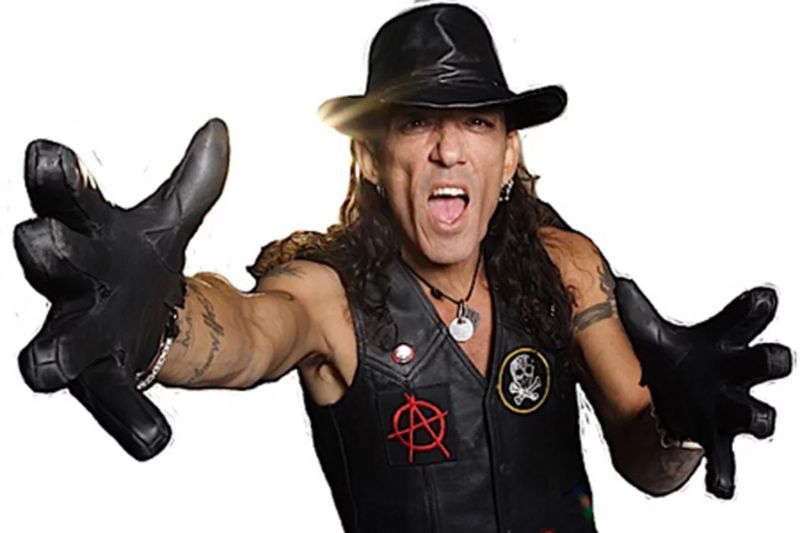
Ratt got there first. Stephen Pearcy’s band cut Out of the Cellar in 1984, and “Round and Round” — that opening riff, that music video with Milton Berle in drag — became MTV’s most-played clip of the year. The album moved three million units. Pearcy lived in a sixth-floor apartment off Crescent Heights and used to claim he could see the Whisky’s marquee from his bathroom window. Whitesnake came in with David Coverdale doing his post-Deep Purple cabaret routine, and Whitesnake in 1987 sold eight million copies, helped immeasurably by Tawny Kitaen doing gymnastics on a Jaguar hood in the “Here I Go Again” video. The genre was now selling shirts, posters, lunchboxes, and even the vintage band tees that still go for hundreds on eBay today.
Appetite for Destruction: The Album That Changed Everything
Then in July 1987, Guns N’ Roses dropped Appetite for Destruction and the rules changed overnight. It took 13 months for the album to hit number one. By then “Welcome to the Jungle,” “Sweet Child o’ Mine,” and “Paradise City” were inescapable. The record has now sold 30 million copies worldwide. Louder Sound called it the album that broke the genre wide open, and that is accurate — but it also began the end. GnR’s grime, danger, and actual songcraft made the prettier bands look like cosplay.
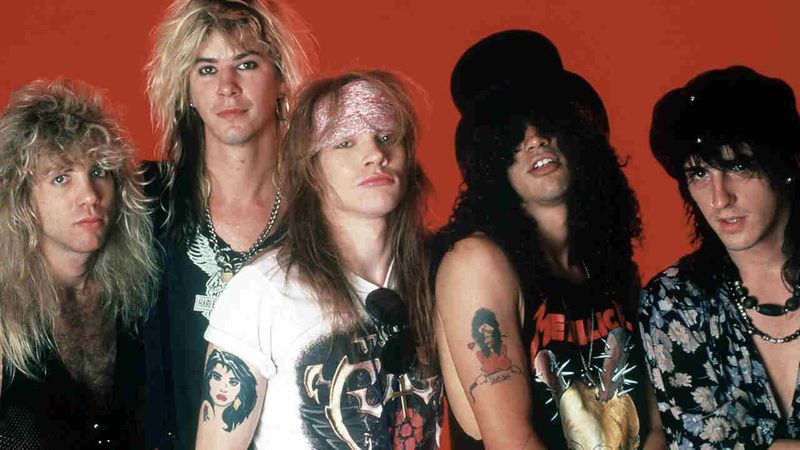
Axl Rose was not aiming for the Bret Michaels demo. He was not smiling for the camera. Slash looked like he had just rolled out of the back of a tour van and probably had. Their Stooges-flavored sneer crossed with Aerosmith’s swagger and Aerosmith’s drug habits, and that combination shifted what kids wanted from a rock band. Metal’s harder fringes were busy elsewhere too — Metallica had played their first show in Anaheim in March 1982 and were quietly building a different empire. By the time GnR’s Use Your Illusion I and II dropped in 1991, selling seven million copies in the first week between them, the air around hair metal was already changing.
Skid Row, Cinderella, and the Last Hair Metal Wave
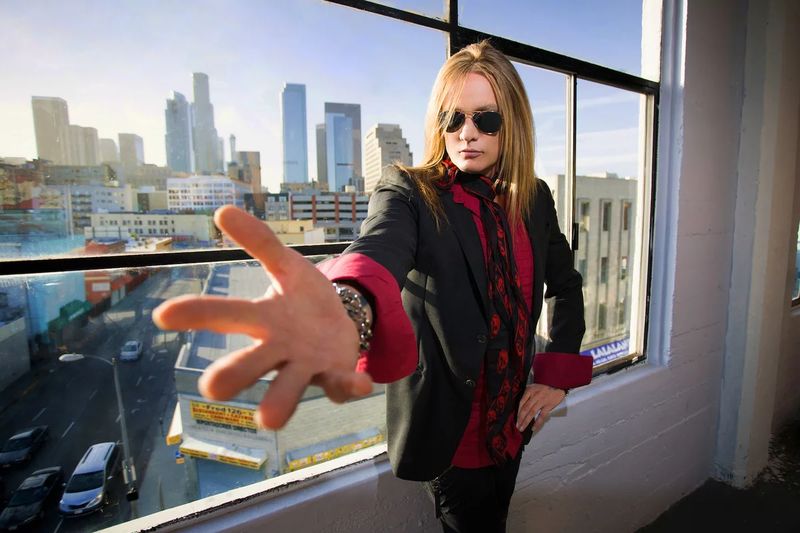
Skid Row was the last great hair metal band, and Sebastian Bach was the last great hair metal frontman. Their 1989 self-titled debut hit number six, sold five million copies, and gave the genre one final piece of evidence that it still had juice. Bach was 20 years old, six-foot-three, and could actually sing — the voice on “18 and Life” had the range of a Broadway lead. Cinderella from Philly contributed bluesier fare: Long Cold Winter in 1988 sold three million and pulled the genre toward Aerosmith-style boogie. Warrant gave the world “Cherry Pie,” which became hair metal’s official self-parody before the genre even noticed it was being parodied.
The scene had its ridiculous fringes too. Winger was a competent band with a singer who had been Alice Cooper’s bassist, and they got demolished by a single Beavis and Butt-Head episode that branded them as the wimpiest band on earth. Trixter, Slaughter, Britny Fox, Tuff, FireHouse — by 1991 the labels were signing anyone who could afford eyeliner and a curling iron. The market was saturated. The audience was ready for something else.
When Flannel Killed Spandex: The Grunge Reckoning
September 24, 1991. Nirvana released Nevermind. Three months later it knocked Michael Jackson off the top of the Billboard 200. Hair metal did not die in a single moment — Skid Row’s Slave to the Grind had hit number one earlier that same year — but September 1991 was the moment the genre’s owners realized the game was over. The full story of how grunge dethroned hair metal in eighteen months tells the rest of it.
Sub Pop took the spandex audience and turned it into a flannel audience overnight. Mötley Crüe lost their record contract. Warrant played state fairs. Poison broke up, reunited, broke up again. The same MTV that had built hair metal turned on it with the same enthusiasm it had used to crown it. The party did not end gradually. The lights came on, the bouncers told everyone to leave, and Seattle had the keys to the building by spring.
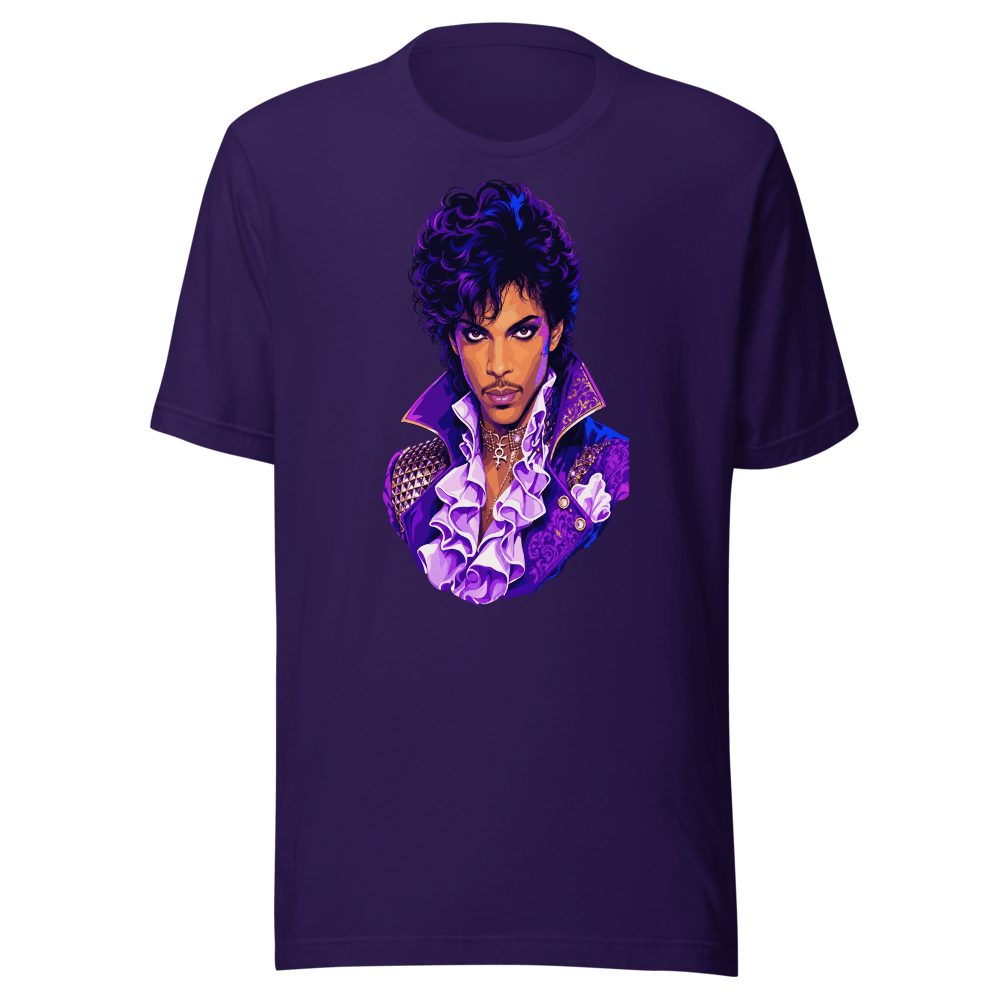
Why 80s Hair Metal Bands Still Live Rent-Free in Gen X Brains
Here is the honest read: hair metal was not great art. Most of the lyrics were terrible. Half the bands were interchangeable. The misogyny would not pass a modern HR review. But the music understood something nobody since has matched — that a 16-year-old in 1987 wanted to feel ten feet tall driving down a dark road with the windows down, and a five-minute song with a chorus that bypassed the cortex could do exactly that. The genre traded subtlety for impact. It worked.
The reunions still sell out. Mötley Crüe and Def Leppard sold 1.3 million tickets on their 2022 Stadium Tour. The Sunset Strip is gentrified now, but the Whisky still books bands, the Rainbow still serves pizza to graying rockers, and the Roxy’s marquee still glows. Every August a few thousand people show up to the Hollywood Walk of Fame to look at Vince Neil’s star and pretend it is 1985 again. That counts for something. The 80s nostalgia machine keeps cranking, and hair metal is the loudest gear in it. If your kid ever asks you why dad owns 14 different Aqua Net cans, hand them the headphones, cue up “Welcome to the Jungle,” and walk away. The argument explains itself.
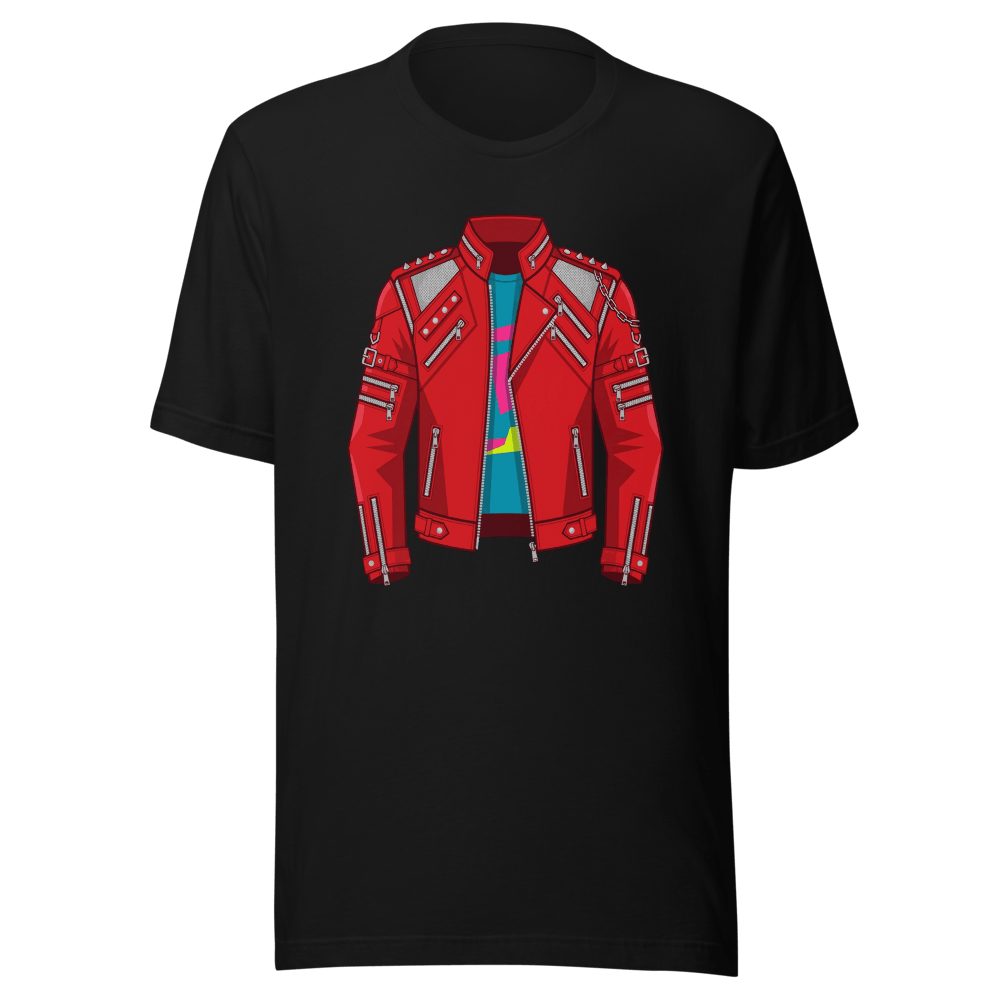
🎮 Shop: Michael Jackson Beat It Jacket T-Shirt →
Fun fact: Eddie Van Halen played that guitar solo on Beat It — uncredited, for a case of beer.
Sources
- Rolling Stone — Decade of Decadence: A Timeline of the Eighties Sunset Strip
- Guitar World — The Story of Van Halen’s 1984
- Louder Sound — The Story Behind “Welcome to the Jungle”
- Ultimate Classic Rock — How Bon Jovi Fashioned Slippery When Wet
- Loudwire — What Is Hair Metal?
- InsideHook — Remembering the Glam Rock Bars of the Sunset Strip
Browse retro and vintage-inspired apparel at the RetroRadical shop →
The Retro Almanac
A monthly roundup of "on this day" highlights from that month, decades back — plus first dibs on new retro merch drops. No spam, just the good stuff.